

Spain’s Santander and Cantabria Unlock a Spectacular New Era of Coastal Escapes and Hidden Treasures

Published
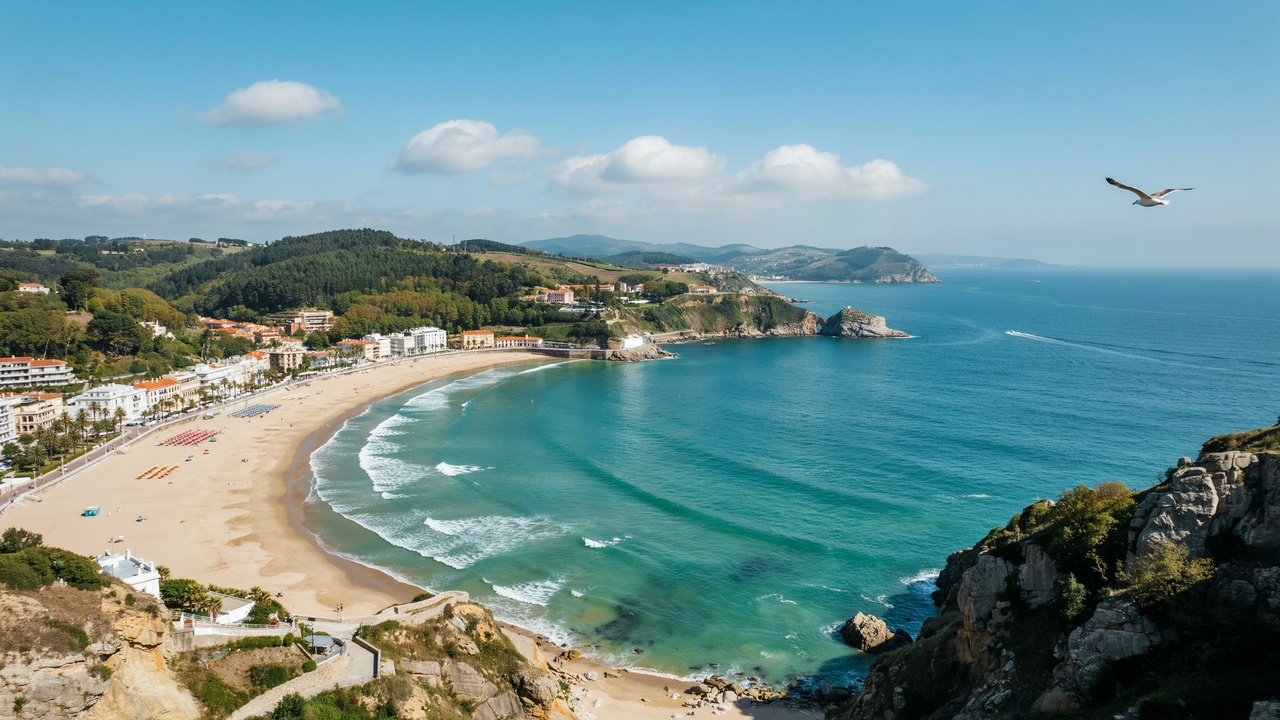
Spain’s northern coastline offers a different holiday experience in 2026, with Santander and the surrounding region of Cantabria combining golden beaches, dramatic Atlantic scenery, royal architecture, historic fishing villages and exceptional gastronomy. While Barcelona, Madrid and the Mediterranean resorts remain familiar choices for international travellers, this part of Green Spain offers an alternative centred on coastal landscapes, cultural discovery and outdoor adventures. From Santander’s elegant waterfront to the medieval streets of Santillana del Mar, the architectural treasures of Comillas and the mountains of Picos de Europa, Cantabria offers visitors opportunities to explore Spain beyond its best-known holiday routes.
Santander Brings a Fresh Perspective to Spain’s Coastal Tourism Landscape in 2026
Santander, the capital of Cantabria, occupies a distinctive position on Spain’s northern coast. Overlooking the Bay of Biscay, the city brings together sandy beaches, elegant waterfront architecture, historic neighbourhoods and contemporary cultural attractions.
Advertisement
Advertisement
Unlike destinations strongly associated with Mediterranean sunshine, Santander offers an Atlantic coastal environment shaped by green landscapes, maritime traditions and proximity to the mountains.
Its waterfront is particularly appealing. Visitors can explore the Paseo de Pereda, discover the historic city centre and enjoy views across Santander Bay.
Advertisement
Advertisement
The city also offers access to several beaches, including El Sardinero, Mataleñas and Los Peligros.
Santander’s combination of urban amenities and natural surroundings makes it suitable for short breaks, family holidays and longer regional itineraries.
Advertisement
Advertisement
For travellers planning a Spanish holiday in 2026, the destination offers a compelling opportunity to experience the country’s northern coastal identity.
Cantabria’s Atlantic Coast Offers an Alternative to Spain’s Familiar Mediterranean Resorts
Cantabria is part of Green Spain, the northern coastal area celebrated for its greener landscapes, historic settlements and Atlantic scenery.
Advertisement
Advertisement
Spain’s official tourism portal identifies more than 220 kilometres of Cantabrian coastline and over 90 beaches, ranging from urban waterfronts to natural stretches of sand.
The region’s beach destinations include Laredo, Noja, Comillas, San Vicente de la Barquera and Santander.
Many combine historic town centres with coastal walking routes and opportunities for water sports.
The Atlantic setting also brings a different climate from southern Spain. Summers are generally milder than in many inland and southern regions, while rainfall and changing weather conditions remain part of the local environment.
Advertisement
Advertisement
However, Cantabria should not be described as uniformly uncrowded. Popular beaches and coastal towns can become busy during summer holidays and weekends.
Its appeal lies in the variety of destinations available rather than any guarantee of empty beaches.
El Sardinero Beach Defines Santander’s Elegant Seaside Identity
El Sardinero is among Santander’s most recognisable coastal attractions.
The beach area is divided into First Sardinero and Second Sardinero, with extensive golden sands, a seafront promenade and nearby hotels and restaurants.
Historic buildings surrounding the waterfront reflect Santander’s development as a fashionable seaside destination during the late nineteenth and early twentieth centuries.
The Gran Casino del Sardinero adds architectural character to the area.
Advertisement
Advertisement
Visitors can enjoy beach walks, coastal photography and waterfront dining while remaining within the city.
Nearby La Concha and El Camello provide additional seaside experiences.
El Sardinero is particularly suitable for travellers seeking a combination of traditional beach holidays and urban sightseeing.
Because it is a popular city beach, visitors should expect higher activity during peak summer periods.
Magdalena Palace Reveals Santander’s Royal History and Spectacular Coastal Views
The Magdalena Peninsula is one of Santander’s most important historic and scenic attractions.
Its centrepiece, Magdalena Palace, was built in the early twentieth century and served as a summer residence for King Alfonso XIII and Queen Victoria Eugenia.
Advertisement
Advertisement
The palace combines architectural influences from several European traditions and occupies an elevated position overlooking the coastline.
The surrounding peninsula provides walking paths, landscaped grounds, beaches and panoramic views of Santander Bay.
Visitors can also explore landmarks such as La Cerda lighthouse and the Royal Stables.
The palace is closely associated with Menéndez Pelayo International University and continues to host academic and cultural activities.
For travellers interested in royal history, coastal scenery and architecture, the Magdalena Peninsula offers one of Santander’s most distinctive sightseeing experiences.
Centro Botín Adds Contemporary Art and Architectural Innovation to Santander’s Waterfront
Santander’s cultural identity extends beyond historic architecture.
Advertisement
Advertisement
The Centro Botín, designed by internationally recognised architect Renzo Piano, provides a major contemporary arts destination overlooking the bay.
Its distinctive design creates a visual contrast with Santander’s traditional buildings and maritime landscape.
The centre hosts exhibitions, educational activities and cultural programmes, contributing to the city’s modern artistic character.
Nearby Jardines de Pereda offers landscaped public space, while the waterfront promenade connects visitors with other attractions.
The surrounding area is suitable for leisurely exploration, photography and cultural sightseeing.
Centro Botín demonstrates how Santander combines its historic coastal identity with contemporary architecture and cultural experiences.
Advertisement
Advertisement
It also makes the city appealing to travellers whose interests extend beyond beaches and outdoor recreation.
Santander’s Maritime Heritage Brings Authentic Cantabrian Gastronomy Into the Spotlight
Santander’s fishing traditions remain central to its cultural identity.
The Barrio Pesquero, or Fishermen’s Quarter, provides opportunities to discover seafood dishes associated with the region.
Traditional specialities include rabas, prepared from fried squid, alongside fresh fish, clams and other seafood.
The city’s waterfront restaurants and food establishments reflect its longstanding relationship with the Cantabrian Sea.
Beyond seafood, Cantabria offers regional dishes such as cocido montañés, a traditional bean-based stew.
Advertisement
Advertisement
Local sweet specialities include sobaos pasiegos and quesada pasiega.
Food tourism provides visitors with an additional reason to explore Santander and its surrounding towns.
For travellers interested in authentic regional cuisine, Cantabria offers a distinctive alternative to the food traditions more commonly associated with southern or Mediterranean Spain.
Santillana del Mar Opens the Door to Cantabria’s Medieval Heritage and Prehistoric Art
Santillana del Mar provides a striking contrast to Santander’s waterfront atmosphere.
The historic town is recognised for its cobbled streets, medieval buildings, stone mansions and the Collegiate Church of Santa Juliana.
Its preserved architecture makes it an attractive destination for heritage tourism and photography.
Advertisement
Advertisement
Nearby, the Altamira Museum introduces visitors to some of Europe’s most important prehistoric cave paintings.
The museum includes the Neocave, a detailed reproduction created to provide access to the artistic heritage while helping preserve the original cave.
Altamira forms part of a UNESCO World Heritage property covering Palaeolithic cave art in northern Spain.
Located approximately 35 kilometres from Santander, the area is suitable for a day excursion combining archaeology, architecture and local gastronomy.
Santillana del Mar is popular with visitors, so exploring outside peak hours may provide a more relaxed experience.
Comillas Combines Gaudí’s Architectural Genius With Cantabria’s Coastal Beauty
Comillas is another important destination for travellers exploring the Cantabrian coast.
Advertisement
Advertisement
Located approximately 50 kilometres from Santander, the town combines historic buildings, seaside scenery and distinctive architecture.
Its celebrated attraction, El Capricho, was designed by Antoni Gaudí and features decorative ceramic elements associated with his imaginative architectural style.
The Sobrellano Palace and former Pontifical University further contribute to the town’s architectural identity.
Comillas also offers access to sandy beaches and the nearby Oyambre Natural Park, known for dunes, marshes, coastal landscapes and birdlife.
The destination is especially appealing to visitors seeking an experience combining architectural heritage and natural surroundings.
Its position along the coast also makes it a useful stop on a longer Cantabria itinerary.
Advertisement
Advertisement
San Vicente de la Barquera Delivers Remarkable Mountain and Coastal Landscapes
San Vicente de la Barquera presents one of Cantabria’s distinctive coastal settings.
The historic fishing town combines an estuary, medieval architecture, beaches and views towards the Picos de Europa mountains.
Its old quarter includes the Church of Santa María de los Ángeles, a castle and remnants of historic fortifications.
The Maza Bridge is another recognisable landmark.
Nearby beaches include Merón and Gerra, offering opportunities for coastal walking and recreation.
The town’s maritime traditions are reflected in local food, particularly sorropotún, a traditional stew prepared with tuna and potatoes.
Advertisement
Advertisement
San Vicente de la Barquera appeals to travellers interested in picturesque coastal towns, heritage attractions and scenic landscapes.
It can also serve as a convenient stop when exploring western Cantabria and its surrounding natural areas.
Picos de Europa Introduces Travellers to Spain’s Dramatic Northern Mountains
Cantabria’s attractions are not limited to its coastline.
The Picos de Europa National Park extends across parts of Cantabria, Asturias and Castile and León, bringing spectacular mountain landscapes into the region’s tourism offering.
Visitors can explore hiking routes, valleys, mountain viewpoints and traditional settlements.
Potes, situated in the Liébana region, is a popular base for exploring the surrounding mountains.
Advertisement
Advertisement
The town features historic bridges, traditional buildings and the fifteenth-century Torre del Infantado.
Outdoor activities include hiking, mountain cycling and other adventure experiences.
The nearby Fuente Dé area is particularly associated with mountain scenery and its cable car.
These attractions make Cantabria suitable for travellers wishing to combine a seaside holiday with outdoor exploration.
Mountain weather can change quickly, making appropriate planning essential.
Where to Visit in Santander and Cantabria During a 2026 Spanish Holiday?
| Destination | Main attraction | Best suited for |
|---|---|---|
| Santander | Waterfront, museums and historic centre | City breaks and cultural tourism |
| El Sardinero | Golden beaches and promenade | Seaside holidays |
| Magdalena Peninsula | Royal palace and coastal gardens | Architecture and sightseeing |
| Mataleñas | Beach and clifftop scenery | Coastal walking |
| Somo and El Puntal | Sand dunes, surfing and bay views | Outdoor recreation |
| Santillana del Mar | Medieval town and Altamira Museum | History and archaeology |
| Comillas | Gaudí’s El Capricho | Architecture and coastal heritage |
| San Vicente de la Barquera | Fishing harbour and historic monuments | Coastal village experiences |
| Potes | Historic mountain town | Rural tourism and adventure |
| Picos de Europa | National park landscapes | Hiking and nature |
| Laredo | Extensive sandy coastline | Beach holidays |
| Cabárceno | Nature park and wildlife attractions | Family excursions |
Somo, El Puntal and Mataleñas Expand Santander’s Beach Holiday Possibilities
Travellers seeking beaches beyond El Sardinero can explore several alternative coastal settings.
Advertisement
Advertisement
Somo is associated with surfing and its long stretch of sand.
El Puntal offers a more natural coastal environment, with dunes and views across Santander Bay. Spain’s official tourism information identifies El Puntal, Somo and Loredo as forming a continuous sandy coastline extending more than eight kilometres.
El Puntal is classified as having a low occupancy rate, although conditions can change seasonally.
Mataleñas, meanwhile, provides a smaller beach setting surrounded by distinctive coastal scenery.
The nearby clifftop paths towards Cabo Mayor offer panoramic views of the Cantabrian Sea.
These locations demonstrate the variety available around Santander, from urban beachfronts to exposed Atlantic coastal landscapes.
Advertisement
Advertisement
Cantabria’s Historic Villages and Natural Attractions Create Opportunities Beyond the Coast
Travellers with additional time can explore destinations such as Liérganes, Santoña, Noja, Castro Urdiales and the Pasiegos Valleys.
These locations bring together historic architecture, rural scenery and regional food traditions.
Santoña is particularly associated with anchovy production, while the Pasiegos Valleys feature green countryside and traditional settlements.
Cabárceno Nature Park provides a different experience through its large landscaped wildlife enclosures.
Cantabria’s cave heritage also extends beyond Altamira, with El Soplao among the region’s notable underground attractions.
The region therefore offers opportunities for visitors to create itineraries combining coastlines, countryside, wildlife, archaeology and gastronomy.
Advertisement
Advertisement
Rather than concentrating an entire holiday in one destination, travellers can explore several contrasting parts of northern Spain.
What Should Travellers Know Before Planning a Santander Holiday in 2026?
Santander can be visited throughout the year, although the travel experience changes with the seasons.
Summer offers warmer conditions for beach activities, but popular waterfront areas may become busy.
Spring and autumn can be appealing for sightseeing, walking and cultural excursions, subject to variable Atlantic weather.
Santander has an airport serving domestic and international travel routes, while road and rail connections provide access to other Spanish destinations.
Visitors planning excursions across Cantabria should consider the distance between coastal towns and mountain attractions.
Advertisement
Advertisement
Public transport serves various destinations, but a car can provide greater flexibility when exploring smaller settlements and rural areas.
Travel arrangements, attraction opening hours and public transport schedules should be checked before departure.
Frequently Asked Questions
1. Is Santander worth visiting in 2026?
Yes. Santander offers sandy beaches, waterfront architecture, contemporary art, maritime history and access to Cantabria’s countryside.
2. Is Santander less crowded than Barcelona or Madrid?
Santander offers a different tourism environment, but official evidence does not establish that it is consistently less crowded. El Sardinero and other popular attractions can become busy in summer.
Advertisement
Advertisement
3. Which beach is most famous in Santander?
El Sardinero is among the city’s best-known beaches, recognised for its golden sand and elegant seaside promenade.
4. What is the most important historic attraction in Santander?
Magdalena Palace is one of the city’s principal landmarks and was formerly used as a summer residence by the Spanish royal family.
5. Can visitors explore Cantabria without hiring a car?
Yes. Santander and some neighbouring destinations are accessible by public transport, although a car can make exploring remote rural and mountain attractions easier.
Advertisement
Advertisement
6. What food should travellers try in Cantabria?
Popular regional specialities include rabas, cocido montañés, sobaos pasiegos, quesada pasiega and local seafood.
7. What makes Cantabria different from southern Spain?
Cantabria combines a greener Atlantic landscape, a generally milder summer climate, rugged coastlines, mountain scenery and distinctive northern Spanish cultural traditions.
Conclusion: Santander and Cantabria Reveal Another Side of Spain’s Holiday Appeal in 2026
Santander and Cantabria offer a distinctive combination of coastal beauty, historic architecture, regional gastronomy and mountain landscapes.
The elegant waterfront of Santander, the royal heritage of Magdalena Palace, the medieval character of Santillana del Mar and the architectural landmarks of Comillas provide compelling reasons to explore the region.
Advertisement
Advertisement
Further inland, Potes and the Picos de Europa introduce travellers to northern Spain’s dramatic mountain scenery.
For visitors planning a Spanish holiday in 2026, Cantabria presents an attractive alternative to concentrating entirely on the country’s most familiar tourism destinations.
Its greatest appeal lies not in promising a completely crowd-free holiday, but in offering a broad selection of cultural, coastal and nature-based experiences within one region.
Advertisement
