
How Will Mauritius Secure Local Cultural Heritage And Future Travel Value Before Over-Commercialization Erases Island Identity?

Updated
Published
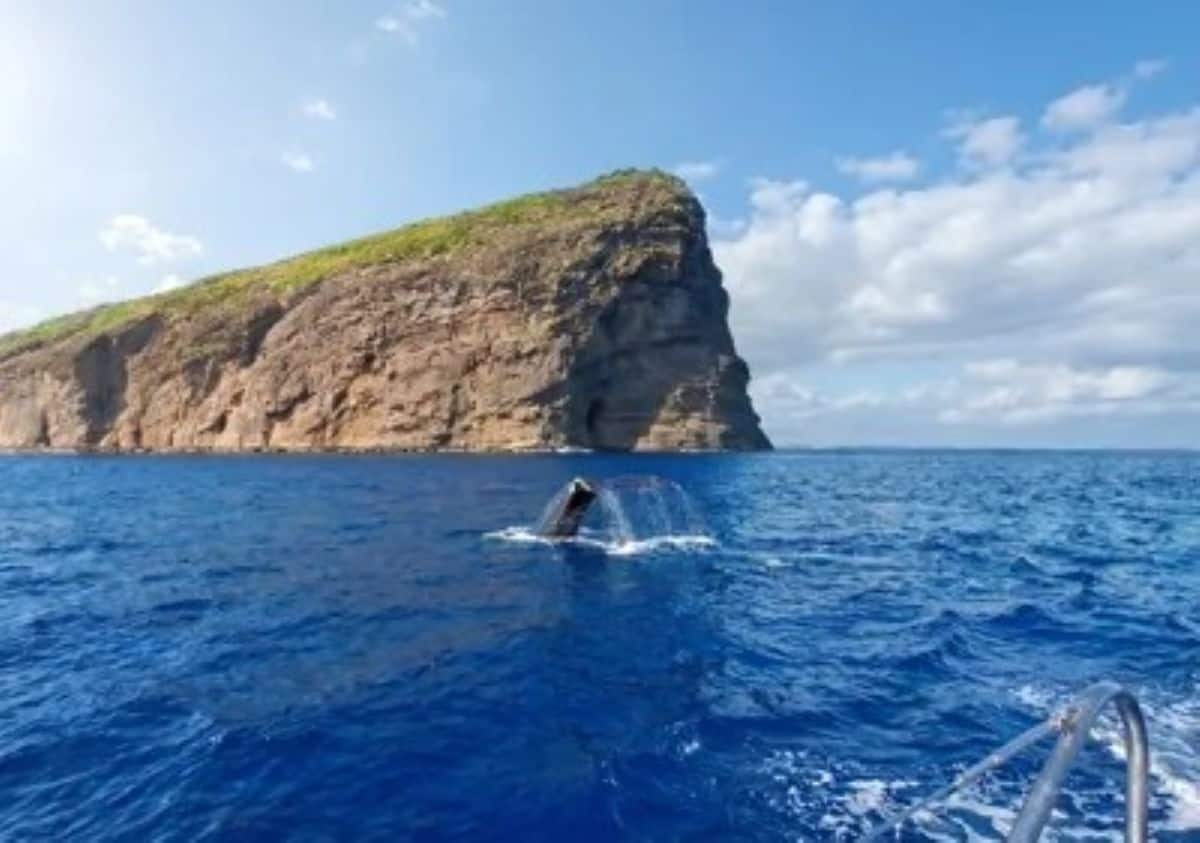
Standing on a beach, at sunset I cannot help but feel awe for this tiny vulnerable paradise. Tourism rescued our island’s economy decades ago. Today modern overdevelopment and rising seas threaten the very beauty we love. While algorithms promise solutions technology cannot fix an ecosystem pushed to its limits. We must protect our shores before we ask machines to optimize them.
Establishing Foundational Policy Before Implementing Technological Solutions for Destination Management
In Mauritius, decision-makers are actively evaluating how global vacation trends impact local ecosystems. Recent discussions during World Tourism Day in 2026 highlighted how artificial intelligence can streamline operations and optimize visitor data. However, authorities recognize that digital applications cannot solve fundamental systemic issues without clear policy guidance. Indeed, establishing sound environmental goals must precede any adoption of automated software tools. Therefore, stakeholders are urged to redefine destination priorities before relying completely on digital infrastructure. Furthermore, long-term economic health requires a careful balance between financial ambitions and natural preservation across all territories.
The transition from agricultural dependence to international hospitality transformed the economy of Mauritius over past decades. Nevertheless, contemporary ecological pressures demand a thorough re-examination of uncontrolled visitor growth. Industry experts emphasize that automated algorithms should only streamline well-structured management frameworks. Moreover, digital technology cannot independently resolve ecological degradation or social disruption. Consequently, travel destinations globally must establish firm environmental boundaries before delegating critical choices to automated systems. Relying on digital platforms without strategic vision creates operational vulnerabilities for fragile regions. Therefore, setting clear ecological parameters remains the essential first step toward lasting stability across small island territories.
Advertisement
Advertisement
How Historical Economic Transformation Influences the Resilience and Long-Term Stability of Island Destinations
Over past decades, economic planners in Mauritius successfully diversified the national market away from primary reliance on sugar manufacturing into textiles, financial services, and international hospitality. This strategic pivot generated substantial foreign currency, created widespread domestic employment, and established the country as a prominent destination on global travel maps. Nevertheless, historical economic accomplishments do not automatically guarantee future social or ecological resilience under rapidly changing global conditions. Today, international travel markets are shifting toward authentic environmental accountability, requiring policy managers to evaluate whether legacy development frameworks remain suited for coming decades. Consequently, relying exclusively on historical expansion strategies risks exposing delicate coastal ecosystems to severe ecological degradation.
Advertisement
Advertisement
The global impact on international travelers will be significant as major island destinations recalibrate their growth priorities. Vacationers originating from Europe and other key feeder markets may soon experience modified entry policies designed to protect delicate ecosystems. Furthermore, tour providers will likely adapt itinerary structures to comply with stricter regional carrying capacities. As island destinations pivot from sheer volume targets to value-focused travel experiences, visitors will notice adjustments in pricing structures, reservation availabilities, and local resource management. Ultimately, these structural shifts will encourage international holidaymakers to adopt more responsible, eco-conscious habits when visiting sensitive geographic locations.
Why Small Island Developing States Must Establish Strict Limits on Visitor Growth to Protect Resources
During 2025, statistics revealed that Mauritius welcomed over 1.4 million tourists, a total number exceeding the resident population of the island nation. Although these travelers were not present simultaneously, the overall volume exerted intense pressure on finite resources, including freshwater supplies, land resources, lagoons, beaches, and municipal waste treatment systems. Furthermore, ongoing industry discussions regarding ambitious targets, such as reaching or exceeding two million annual visitors, raise urgent questions regarding total environmental carrying capacity. Consequently, experts caution that pursuing unrestricted numerical growth risks permanently damaging the natural beauty and cultural authenticity that attract global travelers in the first place.
For the international travel sector, these physical constraints highlight an urgent need to redefine core performance metrics. Instead of measuring success strictly through total arrival figures, destination management authorities must focus on per-visitor yield, ecological preservation, and local community welfare. Global vacationers will likely encounter cap-based entry regulations, modified visitor levies, and increased emphasis on low-impact travel options. Additionally, transportation networks and regional accommodation providers must adapt to controlled development models that prioritize long-term quality over short-term quantity. Crucially, these measurable limitations preserve local ecosystem integrity while ensuring superior experiences for future international guests.
Transitioning Strategic Focus From High Visitor Numbers to Sustainable Environmental and Social Metrics
To safeguard fragile environments, policy planners in Mauritius are shifting their focus away from asking how many additional tourists can be attracted each year. Instead, the central inquiry centers on determining how much total visitor volume the island can comfortably accommodate without eroding the natural, social, and cultural attributes that define its identity. This fundamental strategic shift requires evaluating total aviation carbon footprints, local community welfare, and natural resource consumption long before passengers arrive at airport terminals. By setting firm ecological parameters, destination managers can establish a sustainable economic structure that supports long-term prosperity and maintains local quality of life.
Advertisement
Advertisement
The global consequences of this policy shift will reshape international travel itineraries and booking behaviors worldwide. Travelers seeking high-end island vacations will increasingly choose destinations that demonstrate genuine environmental stewardship, resource conservation, and meaningful cultural interaction. Furthermore, marketing networks and regional transportation services must adjust their promotional strategies to encourage off-peak visitation and extended, high-yield stays.
Ultimately, redefining performance metrics enables small island destinations to build lasting resilience against global economic and climate uncertainties. By placing ecological health ahead of short-term volume expansion, authorities safeguard unique natural environments for future generations. Consequently, this modern framework provides a clear model for sustainable destination management across vulnerable island regions globally.
Establishing Strategic Environmental Clarity Before Deploying Advanced Artificial Intelligence and Digital Systems
Modern digital networks and artificial intelligence provide powerful capabilities for refining marketing efforts, streamlining visitor reservations, and interpreting complex traveler demographics. However, technological tools function purely as operational mechanisms rather than source providers of strategic policy. Without clearly defined sustainability objectives, automated platforms will simply accelerate inefficient or ecologically damaging travel patterns. Therefore, total policy clarity regarding environmental limits, municipal infrastructure capabilities, and long-term economic priorities must precede any broad rollout of advanced digital technologies across the travel industry.
As digital adoption accelerates across global travel networks, destinations that successfully pair modern technology with firm environmental policies will lead the market. Automated systems can then be configured to manage visitor flows efficiently, highlight sustainable holiday options, and monitor ecological metrics in real time. For international travelers, this integration delivers smooth digital processes alongside responsible, eco-friendly vacation options. Ultimately, establishing strategic policy clarity before technology deployment ensures that modern digital applications serve the long-term well-being of both host communities and global travelers.
Assessing the Per Capita Ecological Strain on Island Freshwater and Municipal Waste Infrastructure
Advertisement
Advertisement
In Mauritius, managing natural resources requires balancing the consumption habits of temporary visitors against the daily needs of permanent residents. Statistical analyses indicate that international guests residing in luxury coastal accommodation consume between 350 and 500 liters of freshwater each day. In contrast, local island residents utilize roughly 150 liters daily. This significant disparity creates operational tension across municipal utility networks, especially during dry seasonal periods when island reservoirs experience depleted water levels.
Furthermore, solid waste management represents an increasingly urgent logistical challenge for island planners. Total annual municipal waste across the country exceeds 540,000 metric tons, with commercial hospitality enterprises generating between 15% and 20% of total refuse during peak arrival seasons. Over 80% of this municipal waste is transferred directly to the central landfill site at Mare Chicose. Because island land resources are strictly limited, such high disposal volumes place unsustainable pressure on municipal waste-processing facilities, prompting callouts for comprehensive recycling and resource-recovery protocols.
Measuring Long-Haul Aviation Emissions and Environmental Footprints from Primary European Departure Points
Promoting sustainable destination practices while depending heavily on long-distance international flight routes creates a clear structural dilemma for island authorities. A direct round-trip air journey connecting major European urban aviation hubs such as Paris or London with the main international gateway in Port Louis covers approximately 18,000 kilometers. This single flight journey generates between 2.2 and 2.8 metric tons of carbon dioxide equivalent per individual passenger, forming a substantial proportion of an international traveler’s overall annual environmental impact.
Aviation transport accounts for over 75% of the total carbon emissions generated by international visitors traveling to remote island destinations. Mitigating this considerable transport footprint across an annual visitor base of 1.4 million arrivals would require dedicated international carbon offset investments exceeding USD 35 million each year. Consequently, destination managers are tasked with evaluating whether marketing programs should focus on encouraging longer stays per visit, thereby increasing local economic contributions relative to flight emissions.
Evaluating Economic Revenue Retention and the Financial Contribution to Domestic Island Enterprises
Advertisement
Advertisement
While global hospitality generates substantial gross revenues, analyzing the proportion of capital retained within the domestic economy remains vital for sustainable development. Across various Small Island Developing States, between 40% and 70% of gross tourist expenditure leaks out of host nations. These financial outflows occur through foreign-owned resort operators, imported food and beverage products, foreign transportation channels, and international digital booking platforms.
During peak operational months in 2025, monthly gross tourism receipts in Mauritius reached MUR 12.1 billion, equivalent to roughly USD 260 million. However, only a limited fraction of these expenditures directly enriched small and medium-sized local businesses. Despite these revenue leakages, the broader hospitality sector remains a critical foundation of the national workforce, supplying over 10% of direct employment and supporting roughly 20% of indirect jobs nationwide.
Monitoring Lagoon Health, Coral Reef Bleaching Rates, and Coastal Zone Erosion in Key Resort Areas
Delicate marine environments surrounding coastal beach regions face compounding environmental pressures from coastal resort construction, recreational marine activities, and elevated ocean temperatures. Over the past two decades, live coral cover across primary coastal lagoons including Grand Baie, Trou aux Biches, and Le Morne has experienced degradation exceeding 50%. This decline stems from recurrent marine heatwaves alongside localized coastal development pressures.
In addition to marine habitat decline, shoreline erosion presents ongoing structural risks to coastal tourism infrastructure. Sandy beachfronts across key resort districts are receding at measured rates between 0.2 and 0.5 meters annually, necessitating costly artificial beach nourishment interventions. Furthermore, heavy motorized watercraft traffic operating in shallow lagoons, such as those around Île aux Cerfs, causes continuous sea floor sediment resuspension, disrupting delicate marine flora and coral reef regeneration.
Balancing Existing Hotel Capacity Limits and Room Occupancy Yields Against Mass Volume Targets
Advertisement
Advertisement
Expanding physical accommodation capacity to hit higher annual visitor targets presents distinct financial and environmental trade-offs compared to optimizing revenue from existing resort properties. By late 2025, national lodging inventories included over 110 licensed large-scale hotel resorts providing more than 13,500 commercial rooms, complemented by thousands of registered private short-term rental properties.
Nationwide room occupancy levels average between 68% and 75% annually, reflecting seasonal swings between peak winter months and quieter summer periods. Tourism economists note that prioritizing occupancy yield optimization rather than building new resort infrastructure can increase Revenue Per Available Room by 15% to 20%. This yield-driven approach raises total destination income while preventing additional land clearing and environmental degradation.
Applying Artificial Intelligence for Predictive Yield Modeling and Real-Time Visitor Flow Management
Modern digital tools and machine learning algorithms offer useful mechanisms for managing visitor density and optimizing resource usage. Rather than using technology solely to increase raw visitor arrivals, real-time predictive data modeling can redistribute visitor traffic away from overburdened locations. Implementing automated reservation systems at sensitive ecological sites, such as Black River Gorges National Park, can reduce physical crowding during peak hours by up to 25%.
In addition to crowd management, applying automated sensor networks across eco-resort properties delivers measurable operational efficiencies, reducing baseline facility energy consumption by 18% to 30%. Furthermore, predictive analytics allow destination marketers to target high-value, long-stay travelers. This strategic adjustment can elevate average visitor spending from USD 150 to over USD 300 per night, maximizing economic yield without increasing physical visitor counts.
Analyzing Community Sentiment and Social Carrying Capacity Across Dense Coastal Settlement Areas
Advertisement
Advertisement
When annual visitor numbers surpass native population figures, local communities experience noticeable social and infrastructural shifts. Hosting over 1.4 million tourists relative to a native population of approximately 1.26 million creates an annual ratio of roughly 1.1 visitors per resident. In dense coastal communities, this high ratio can lead to localized competition over public beach access, parking facilities, and community space.
Heavy tourist traffic along primary road corridors connecting central commercial districts near Port Louis to coastal resort regions increases commute times for local workers by 20% to 35% during high travel seasons. Additionally, strong demand for holiday housing rentals has contributed to residential property price increases of 8% to 12% annually in coastal zones, affecting housing affordability for local families.
Diversifying Regional Tourism Products Toward Inland Eco-Tourism and Cultural Heritage Experiences
Decentralizing visitor activities away from saturated coastal areas toward inland cultural and ecological locations provides a clear pathway for sustainable growth. Currently, over 85% of all tourist overnight stays are concentrated along narrow coastal strips, leaving inland ecological reserves and cultural landmarks underutilized.
Expanding access to protected inland sites, such as Chamarel Seven Colored Earth and Ebony Forest can redirect 15% to 20% of excursion traffic away from sensitive marine lagoons. Furthermore, international guests participating in inland cultural eco-tours spend approximately 30% more on local handicrafts, regional cuisine, and community-led tours compared to resort-bound visitors, ensuring a more balanced distribution of tourism income across the national economy.
The Final Verdict
If we lose the soul of Mauritius to crowds and concrete no algorithm will ever bring the soul of Mauritius back. Technology should act as a guardian for Mauritius not as a driver of unchecked growth. True progress is not about chasing tourist numbers; it is, about making sure our children can still breathe the sweet salt air of Mauritius. We must choose wisdom and heart over cold digital speed to protect this paradise of Mauritius for generations to come.
Advertisement
