
Durban Aims High As A Stunning Superyacht Marina Redefines High-End Maritime Tourism Throughout South Africa

Published
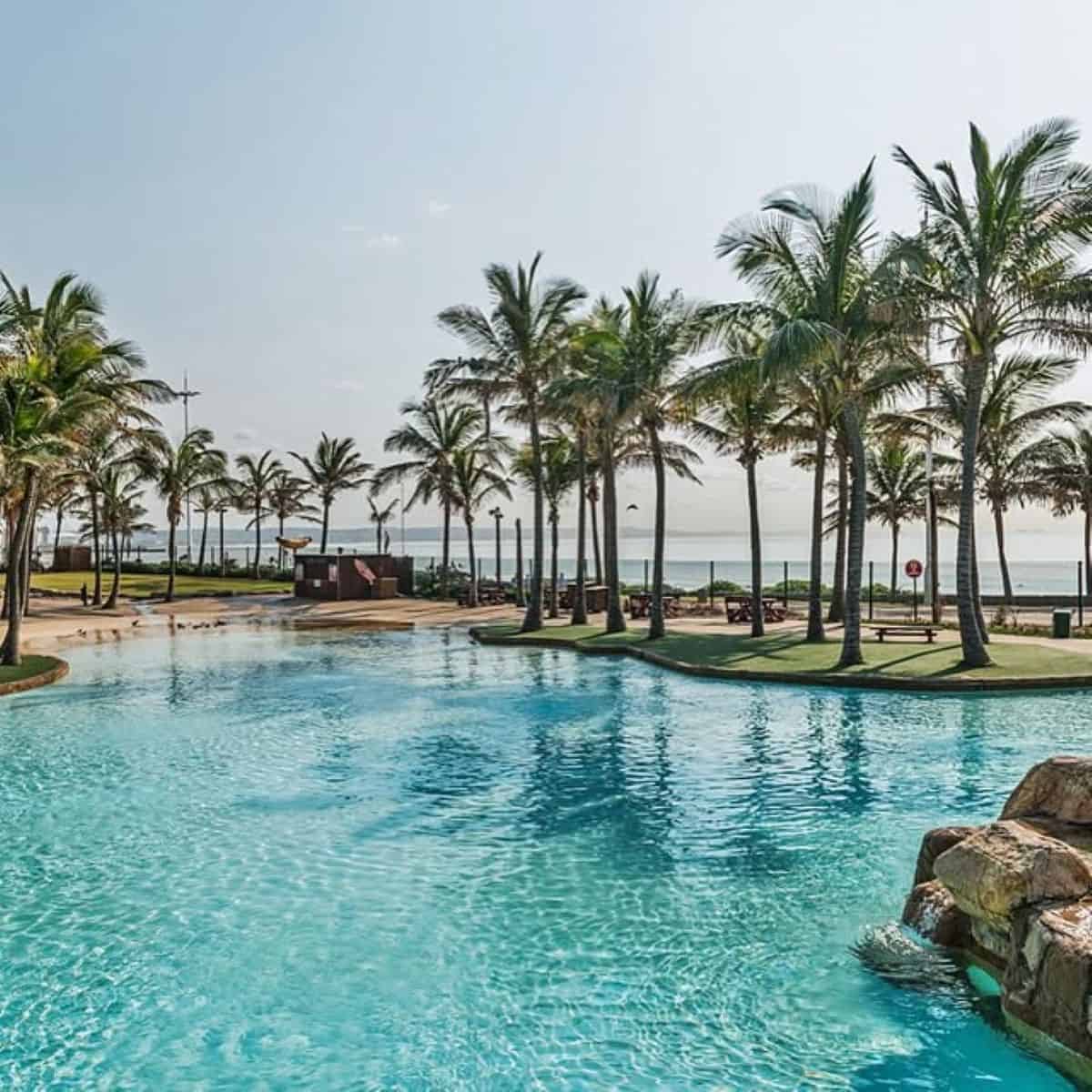
There is something undeniably intoxicating about the ocean but for luxury sea travellers Africa’s vast eastern coast has long remained a dramatic untouched frontier waiting for a world‑class refuge. Durban is officially changing that narrative. Tucked along the sun‑drenched shores of South Africa Durban is breathing life into a dream a 24‑hectare superyacht marina that promises to turn the historic Durban Bay Waterfront Project into a bustling sanctuary for global sea wanderers. Durban is more than concrete and deep water; Durban is a heart‑pounding leap, toward rewriting African maritime travel forever.
Strategic Economic Realignment and the Expansion of Deep-Sea Leisure Infrastructure Across Southern Africa
It was reported that municipal planners intend to establish a world-class harbor facility that caters exclusively to mega-vessels traversing the Southern Hemisphere. Local authorities noted that the project encompasses an expansive 24-hectare superyacht marina, designed as a cornerstone element of the broader Durban Bay Waterfront Project. By establishing this dedicated maritime zone along the eastern coast of South Africa, regional organizers aim to capture a meaningful portion of the high-value global luxury travel trade. The strategic installation will offer specialized berthing amenities, sophisticated security protocols, and comprehensive shore-side services designed to meet the exacting standards of international vessel owners and elite charter groups.
Furthermore, the implementation of this large-scale waterfront facility is expected to fundamentally reshape luxury navigation routes across the Indian Ocean. Global nautical enthusiasts traveling between European ports, the Middle East, and Asia-Pacific destinations will gain access to a fully equipped ocean gateway. This geographical positioning allows the region to serve as an indispensable midpoint stopover, encouraging international sailors to navigate around the southern tip of Africa rather than relying solely on traditional Mediterranean or Caribbean circuits. Consequently, the expansion establishes a vibrant new maritime corridor that bridges deep-sea exploration with premium African overland experiences.
Advertisement
Advertisement
Extensive Financial Investments and Long-Term Employment Prospects for the Regional Hospitality Sector
It was highlighted that the overarching development encompasses an impressive investment pipeline valued at R1.9 billion ($115.6 million USD). This substantial capital commitment is projected to stimulate broad-based economic growth across multiple sectors while dramatically enhancing the city’s international status. Municipal representatives confirmed that the construction and operational phases target the creation of approximately 2,500 jobs, delivering a massive socioeconomic boost to local communities. These employment opportunities cover diverse industries, ranging from heavy civil construction and specialized marine engineering to luxury hospitality management, vessel servicing, and specialized tourism operations.
Advertisement
Advertisement
From an international travel perspective, this massive financial injection signifies a major transformation in how global ultra-high-net-worth individuals interact with the African continent. As wealthy globetrotters increasingly seek unique maritime destinations backed by reliable, top-tier infrastructure, this investment ensures that local facilities align with global marine industry standards. International cruisers embarking on extended transoceanic voyages will discover a dependable, ultra-luxury haven offering complete operational support. This confidence encourages private owners and charter fleets to incorporate Southern African coastal waters into their permanent seasonal sailing schedules.
Projected Maritime Revenues, Fuel Sales Capabilities, and Expanded Tourism Operations Along the East Coast
It was indicated that official forecasts anticipate a minimum of 10 superyacht visits annually starting in 2028. Projections revealed that direct fuel sales alone to these visiting vessels could generate up to $6.1 million USD per year. Beyond direct fueling expenditures, international arrivals will trigger significant secondary spending throughout the regional economy. Elite maritime visitors, vessel captains, and professional crews are expected to make substantial investments in local technical repairs, routine maintenance, vessel provisioning, fine dining, five-star accommodations, and private onshore excursions across South Africa.
For the global travel trade, these economic projections underscore a seamless convergence between luxury ocean transit and terrestrial tourism. Maritime travelers arriving at the port will have immediate access to high-end inland safaris, private aviation connections, and luxury vineyard tours. The presence of comprehensive maintenance capabilities ensures that vessels can undergo necessary servicing while passengers explore the rich biodiversity and cultural heritage of the surrounding province. This integrated travel model turns routine marine stopovers into extended, multi-faceted holiday journeys that benefit local artisans, luxury eco-lodges, and cultural tour operators alike.
Global Scale of the Superyacht Economy and Its Transformative Influence on International Voyagers
It was noted that the international luxury vessel industry generated an extraordinary $60.7 billion USD in total economic output during 2022. This massive financial benchmark demonstrates the huge economic potential waiting for coastal cities that build modern facilities for high-value maritime tourists. By building a custom-designed 24-hectare superyacht marina, the east coast of South Africa positions itself to secure a lucrative share of this expanding global sector, ensuring long-term prosperity for regional businesses.
Advertisement
Advertisement
For international travelers, integrating Durban into elite cruising routes fundamentally alters global sailing options and unveils fresh luxury exploration paths. Sailors gain access to a safe, modern, and culturally rich stopover that acts as a perfect starting point for touring the Indian Ocean. This major development turns the regional port into a vital stopover for long-distance ocean voyages, attracting discerning tourists who want top-tier luxury alongside genuine cultural adventures. Ultimately, this initiative permanently redefines Southern Africa’s role within global maritime tourism, setting a benchmark for future coastal infrastructure projects worldwide.
International Maritime Symposia and Global Industry Collaboration Benchmarks for the African Continent
Municipal leaders and maritime stakeholders have taken decisive steps to align local infrastructure projects with international industry standards. During major maritime gatherings in Viareggio, Italy, representatives signed a formal Letter of Intent to secure key global partnerships. This strategic diplomacy lays the groundwork for hosting the prestigious YARE On Tour Symposium in Durban in November 2026. By inviting elite international vessel captains, refit specialists, and marine equipment manufacturers to inspect local facilities firsthand, regional authorities are actively positioning the city as Africa’s premiere nautical hub.
These global industry exchanges establish essential communication channels between African municipal planners and European maritime conglomerates. Engaging directly with global technical experts ensures that local dockyards and leisure facilities mirror the quality found in Mediterranean megayacht hubs. Establishing these diplomatic ties accelerates technology transfer, attracts foreign direct investment, and embeds the regional coast directly into global cruising itineraries.
Technical Maritime Engineering, Refit Infrastructure, and Industrial Shipyard Capabilities Along the Port of Durban
Servicing modern superyachts requires sophisticated industrial infrastructure capable of handling massive vessel dimensions and complex technical systems. Development plans along the Port of Durban emphasize deep-water berthing engineered to accommodate luxury ships exceeding 60 meters (196 feet) in length. The facility will integrate specialized dry docks, advanced hull maintenance units, high-capacity electrical shore power, and precision marine engineering yards. Modernizing these technical capabilities ensures that visiting vessels receive comprehensive maintenance without needing to travel to European or Asian yards.
Advertisement
Advertisement
The economic incentive for constructing robust refit infrastructure remains substantial. On average, annual maintenance and refit budgets for luxury vessels equal approximately 10% of the vessel’s total purchase value, translating to localized expenditures ranging between $2 million USD and $5 million USD per ship each year. Capturing this high-value servicing demand generates sustained commercial activity for local heavy industry, marine technicians, and specialized engineering contractors throughout South Africa.
Specialized Maritime Skills Transfer and Youth Technical Apprenticeships Across KwaZulu-Natal Educational Hubs
The long-term success of the regional marine economy relies heavily on cultivating a skilled local workforce capable of delivering world-class technical support. Educational initiatives across KwaZulu-Natal are designing specialized training programs tailored to marine engineering, naval architecture, luxury hospitality management, and maritime logistics. Collaborative academic frameworks with institutions such as the Durban University of Technology ensure that young professionals acquire industry-certified qualifications.
These workforce development programs directly address broader socioeconomic goals by creating structured career pathways for local youth. Regional planners target the generation of approximately 2,500 direct and indirect jobs by 2030. By equipping domestic workers with specialized skills, the region ensures that the economic benefits of luxury maritime tourism are retained locally, fostering sustainable community empowerment across the province.
Cross-Border Indian Ocean Nautical Routing and Transit Corridors Connecting Key Island Destinations
Positioned strategically along a vital 6,000-nautical-mile transit corridor, the new marina serves as a crucial link connecting Europe and the Mediterranean with Southeast Asia and Middle Eastern ports. The facility integrates seamlessly into broader oceanic travel routes, linking major sailing destinations including Cape Town, Seychelles, Mauritius, and the Maldives. Establishing a fully equipped stopover along the eastern coast of South Africa offers long-distance sailors a safe, modern port during transoceanic voyages.
Advertisement
Advertisement
Furthermore, the marina capitalizes on favorable Southern Hemisphere climatic conditions, offering optimal sailing conditions during the summer season running from October through April. Aligning regional marketing efforts with global seasonal migration patterns allows local authorities to attract charter fleets seeking alternative cruising grounds during the Northern Hemisphere winter. This strategic seasonal positioning strengthens the city’s presence within the global maritime network.
Synergistic Terrestrial Tourism Models: Connecting Deep-Sea Cruising with High-End African Inland Safaris
The integration of world-class harbor facilities creates unique opportunities to merge maritime voyages with exclusive inland tourism experiences. Wealthy ocean travellers arriving at the port can disembark and seamlessly transition to private aviation charters bound for premier wilderness destinations. Direct transport corridors connect harbor landings to world-renowned private reserves across the region, including Phinda Private Game Reserve and Hluhluwe-iMfolozi Park.
This dual-mode travel model attracts ultra-high-net-worth travellers who spend between $15,000 USD and $30,000 USD weekly on luxury lodge accommodations, private game drives, and regional air travel. Combining ocean navigation with high-end wildlife safaris creates a distinct competitive advantage for South Africa, drastically elevating the overall value of regional tourism packages.
Bunkering Capabilities and Environmental Compliance in Fuel Supply Management Systems
Providing reliable, high-volume fueling infrastructure remains a fundamental requirement for international superyacht hubs. Individual megayachts typically require between 50,000 and 200,000 liters of diesel fuel during a single refueling stopover. To meet this demand, the harbor design incorporates high-capacity bunkering systems engineered for rapid, safe fuel transfer alongside advanced waste management and environmental compliance protocols.
Advertisement
Advertisement
The financial metrics associated with marine bunkering operations represent a major economic driver. Direct fuel sales alone are projected to generate approximately $6.1 million USD (roughly R100 million ZAR) annually. Implementing green fueling protocols and strict environmental safeguards guarantees that these intensive fuel operations comply with international marine pollution standards, protecting local coastal ecosystems.
Alignment with National Infrastructure Goals and the Presidential eThekwini Working Group
The waterfront transformation functions as a flagship initiative within broader national infrastructure development strategies. Overseen in coordination with national leadership frameworks, the project highlights the effectiveness of public-private partnerships in driving urban regeneration. By converting 24 hectares of underutilized port land into a multi-use commercial and recreational precinct, the initiative breathes new life into the historic harbor area.
This municipal redevelopment anchors a massive private-sector investment pipeline valued at R1.9 billion ($115.6 million USD). Integrating national policy objectives with private capital ensures streamlined regulatory approvals, accelerated construction timelines, and long-term asset management. The project serves as a model for future coastal infrastructure programs across Southern Africa.
Multi-Sector Economic Multipliers and Local Supply Chain Integration Across Regional Markets
The arrival of luxury vessels generates positive economic ripple effects that extend far beyond direct harbor fees. Visiting superyacht crews, which average between 15 and 30 professionals per vessel, alongside ship owners and guests, contribute between $3,000 USD and $8,000 USD daily in direct onshore spending. This consistent capital injection directly benefits local artisan food producers, fresh provisioning agencies, luxury transport providers, fine dining establishments, and cultural vendors.
Advertisement
Advertisement
By tapping into a global superyacht market valued at $60.7 billion USD, the regional economy secures access to high-margin, long-term revenue streams. Broadening the local supply chain ensures that small and medium-sized enterprises across KwaZulu-Natal participate directly in the international luxury economy, establishing a resilient and diversified economic foundation for the region.
The Final Verdict
As the salt air moves over the bay Durban is not just creating a harbor; it is creating a connection to an entirely new world. For sailors who are looking for the edges of the horizon over South Africa this marina shows that Africa’s coasts are right in the middle of global love and excitement. When these big ships finally go through the coastal fog and arrive at their place they will bring more than just money. They will bring a strong exciting change for a city that has always been close to the sea. The tide, in Durban is. It is going to be amazing.
Advertisement
