 Somudranil Sarkar Somudranil Sarkar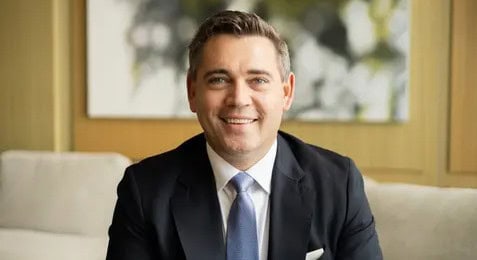
Ashley Hardes joins Four Seasons Hotel Toronto after building a career across Canada’s luxury hospitality market, with senior leadership experience in Jasper, Vancouver, Whistler and most recently Banff. Originally from Sydney, Australia, Hardes relocated to Canada and developed a professional reputation centred on people-first leadership, operational standards and creating memorable guest experiences.
His appointment is significant because the Director of Rooms position sits at the heart of a luxury hotel’s daily operation, connecting front office, housekeeping, guest services and other functions that directly influence how travellers experience a property. At Four Seasons Toronto, that responsibility becomes even more important because the hotel operates as the brand’s global flagship and serves both hotel guests and private residents in the Yorkville property.
Advertisement
The room is often the most important physical component of a hotel stay, but luxury travellers increasingly judge accommodation through the entire journey surrounding it. Arrival, check-in, room preparation, housekeeping, personal preferences, response times and the ability to solve problems discreetly can determine whether an expensive stay feels genuinely seamless.
Hardes’ people-focused leadership style is therefore closely aligned with the operational demands of luxury hospitality. Four Seasons says the new leader brings a dedication to service excellence and meaningful connections, while General Manager Chelan Goonetilleke describes Hardes’ operational leadership and passion for guest service as valuable additions to the hotel’s executive team.
Advertisement
The property occupies a particularly important position within the Four Seasons portfolio because Toronto is the hometown of the hotel company and the Yorkville property serves as its global flagship. The hotel opened in 2012 at 60 Yorkville Avenue and currently has 259 rooms, including 217 guest rooms and 42 suites, alongside 210 private residential units.
That combination creates a more complex operational environment than a conventional hotel because the rooms division must serve short-term travellers while maintaining the residential expectations of permanent or long-term occupants. The result is an environment where consistency, discretion and personalised service are essential to protecting the property’s luxury positioning.
Four Seasons Hotel Toronto sits in the heart of Yorkville, a neighbourhood known for luxury shopping, restaurants, galleries and cultural attractions, while also providing convenient access to Toronto’s financial and entertainment districts. The hotel’s location allows leisure travellers to combine a premium accommodation experience with some of the city’s most sought-after retail, dining and cultural activities.
For international tourism, that location is commercially valuable because travellers can access multiple reasons to visit Toronto without spending excessive time travelling between districts. A luxury hotel in Yorkville can therefore function as both accommodation and a base for discovering the city, making the rooms experience part of a wider destination proposition.
Four Seasons Hotel Toronto retained Forbes Travel Guide Five-Star ratings for both the hotel and spa in 2026, preserving its Ten-Star distinction for the sixth consecutive year. The hotel is one of only four Five-Star properties in Toronto in the 2026 ratings, while its spa remains the only Five-Star spa in the city.
Those distinctions raise the operational expectations facing the rooms division because luxury ratings are not sustained through design alone. Service consistency, attention to detail and the quality of guest interactions remain central to how premium hotels are evaluated, making the Director of Rooms a strategically important position within the leadership structure.
Hardes’ career has included leadership positions across several Canadian destinations, giving him experience in both urban and resort environments. His progression through Jasper, Vancouver, Whistler and Banff means he has worked with different guest profiles, seasonal patterns and operational challenges before arriving in Toronto.
That experience can be particularly valuable because resort hospitality and urban luxury hotels require different approaches to guest engagement. Resort visitors may spend most of their stay within the property and destination, while city travellers often use the hotel as a base for business, dining, shopping, entertainment and cultural activities, requiring the rooms team to support a much wider variety of itineraries.
Hardes’ most recent base in Banff places him among Canada’s most recognised destination-hospitality markets, where tourism demand is strongly connected to nature, outdoor recreation and international leisure travel. Working in such an environment requires hotel leaders to understand seasonal demand, high guest expectations and the operational pressures that come with destination tourism.
Moving from Banff to Toronto therefore represents a shift from a mountain destination to a major global city, but the underlying luxury principle remains similar: guests expect the hotel to understand why they are travelling and to make the experience easier. Hardes can now apply that people-first approach to a property where business travel, leisure tourism, celebrations and residential hospitality overlap.
Toronto’s tourism economy serves a broad combination of international visitors, domestic travellers, corporate guests, event attendees and luxury leisure customers. That diversity makes the city’s premium hotel market competitive because properties need to deliver a consistently high standard while adapting their service to very different reasons for travel.
Four Seasons Toronto’s position gives it an advantage through its established global reputation, but that reputation also creates pressure to maintain exceptionally high standards. Travellers booking a flagship luxury hotel do not simply compare room size or location; they compare the entire experience against other luxury properties in Toronto and against Four Seasons hotels they have visited elsewhere.
Luxury travellers increasingly expect hotels to remember preferences, anticipate needs and remove friction from the stay. That can include room preferences, arrival arrangements, housekeeping requirements, family needs, transportation, dining requests and special occasions, with the best experiences often depending on dozens of small operational details rather than one dramatic gesture.
This is where people-first leadership becomes commercially important. A rooms team that communicates effectively and understands individual guests can help turn a standard hotel stay into a personalised experience, increasing the likelihood of repeat visits, recommendations and long-term loyalty.
Four Seasons Hotel Toronto is also home to 210 private residential units, creating another layer of responsibility for the property. Residents expect hotel-level service while also requiring the privacy, consistency and familiarity associated with a permanent home, meaning operational teams must balance short-term guest expectations with longer-term relationships.
For the Director of Rooms, that environment requires careful coordination because the standards applied to hotel guests can intersect with residential services. Maintaining a seamless sense of luxury across both sides of the property can strengthen the hotel’s overall reputation while reinforcing Four Seasons’ residential hospitality proposition.
Advertisement
Advertisement
Advertisement













Saturday, September 5, 2026

Friday, September 4, 2026

Saturday, September 5, 2026

Saturday, September 5, 2026

Thursday, September 3, 2026

Wednesday, September 2, 2026
Saturday, September 5, 2026

Saturday, September 5, 2026


