
Peru Aligns with Chile and More Countries to Spotlight the Historic Legacy of Pisco, Desert Wine Heritage, Cultural Tourism, Authentic Gastronomic Experiences, and the Timeless Appeal of the Iconic Pisco Sour Across South America

Published
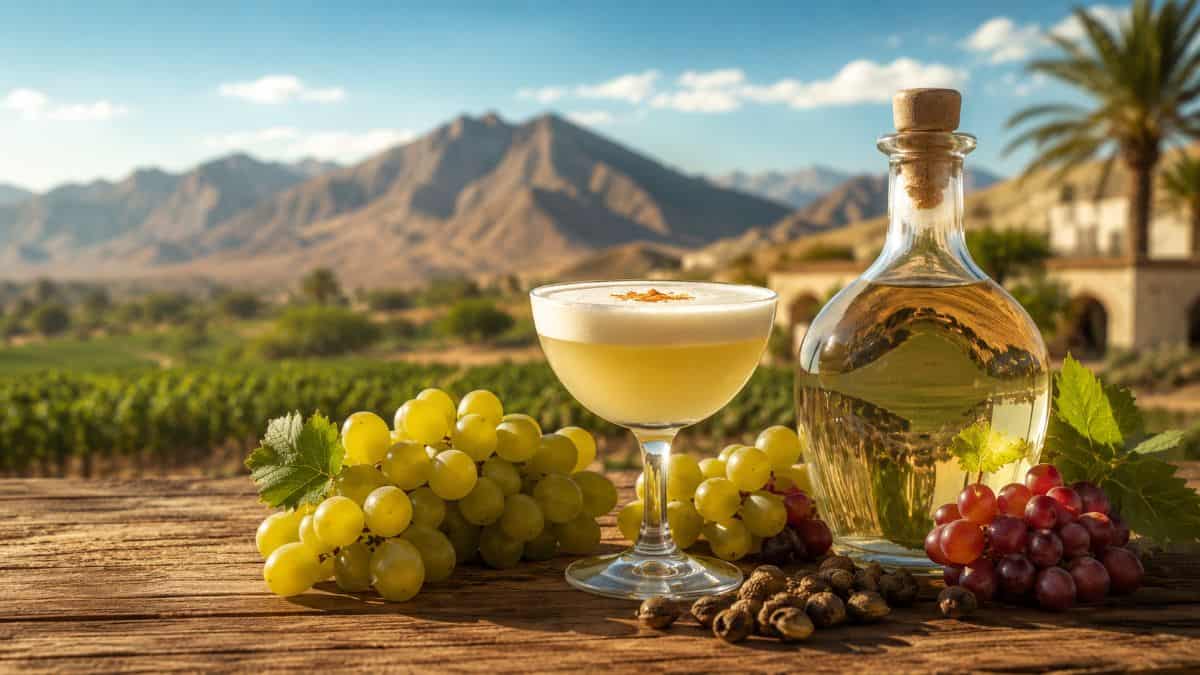
Image generated with Ai
Peru’s culinary heritage continues to attract travelers from every corner of the world, and among its most celebrated traditions stands pisco, the country’s signature grape spirit. Produced in sun-drenched vineyards bordered by vast deserts and fertile valleys, pisco represents centuries of craftsmanship, agricultural excellence, and cultural identity. More than simply an alcoholic beverage, it tells the story of Peru’s colonial past, evolving wine industry, and enduring commitment to preserving authentic production methods that distinguish it from other grape distillates worldwide.
As Peru aligns with neighboring Chile and more countries promoting South America’s rich gastronomic traditions, international travelers are increasingly discovering the landscapes, vineyards, historic distilleries, and culinary experiences that surround pisco production. From the coastal valleys of Ica to boutique wineries in Moquegua and traditional vineyards in Arequipa and Tacna, visitors can immerse themselves in one of Latin America’s oldest distillation traditions while enjoying unforgettable cultural journeys. Today, the iconic pisco sour has become an international ambassador for Peruvian hospitality, inspiring travelers to explore the country beyond famous landmarks such as Machu Picchu.
Advertisement
Advertisement
Peru’s Historic Pisco Legacy Shapes Modern Culinary Tourism
Pisco traces its origins to the sixteenth century, shortly after Spanish settlers introduced grapevines to Peru. The country’s southern coastal valleys quickly proved ideal for viticulture thanks to abundant sunshine, mineral-rich soils, minimal rainfall, and favorable climatic conditions.
Over generations, local producers refined distillation techniques that transformed fermented grape must into a distinctive spirit unlike any other. The beverage eventually adopted the name “Pisco,” inspired by the historic port through which barrels of the spirit were exported across colonial trade routes.
Advertisement
Advertisement
Today, pisco remains one of Peru’s strongest cultural symbols, attracting visitors interested in gastronomy, agricultural history, and traditional craftsmanship.
| Historic Milestone | Tourism Significance |
|---|---|
| Introduction of grapevines in 16th century | Beginning of Peru’s wine culture |
| Development of grape distillation | Birth of authentic Peruvian pisco |
| Port of Pisco exports | Expansion of international recognition |
| Traditional production preserved | Cultural tourism attraction |
| National heritage recognition | Strengthened cultural identity |
Desert Landscapes Create Ideal Conditions for Exceptional Pisco
One of the most fascinating aspects of Peru’s pisco production lies in its geography. Unlike many wine-producing regions surrounded by rolling green hills, Peru’s primary vineyards flourish within desert environments nourished by rivers descending from the Andes.
Advertisement
Advertisement
The Ica Valley, often regarded as the heart of Peruvian pisco production, combines golden sand dunes, fertile oases, and expansive vineyards. These dramatic landscapes create ideal conditions for cultivating premium grapes while offering spectacular scenery for visitors exploring wine routes.
The combination of intense sunshine, cool Pacific breezes, limited rainfall, and controlled irrigation allows grapes to mature slowly, developing concentrated flavors essential for premium-quality distillation.
Advertisement
Advertisement
| Natural Feature | Benefit for Pisco Production |
|---|---|
| Desert climate | Low disease pressure |
| High sunshine hours | Excellent grape ripening |
| Andean water sources | Controlled irrigation |
| Mineral-rich soils | Enhanced grape character |
| Pacific influence | Balanced temperatures |
Traditional Production Defines Authentic Peruvian Pisco
Authenticity remains central to Peru’s pisco identity.
Unlike many distilled spirits, authentic Peruvian pisco is produced exclusively from fermented grape must. Producers do not dilute the spirit with water after distillation, nor do they add artificial flavors or other ingredients during production.
This carefully regulated process preserves the spirit’s natural aromas and flavors while maintaining its purity.
Master distillers continue to rely on generations of expertise, carefully selecting grape varieties and monitoring fermentation before conducting a single distillation that captures the essence of the fruit.
Advertisement
Advertisement
These production traditions have become major attractions for travelers interested in authentic food and beverage experiences.
| Production Stage | Traditional Practice |
|---|---|
| Grape harvesting | Hand-selected grapes |
| Fermentation | Natural grape must |
| Distillation | Single distillation |
| Additives | None permitted |
| Aging | Natural resting period |
Distinct Grape Varieties Offer Unique Flavor Profiles
Peruvian pisco offers remarkable diversity thanks to several authorized grape varieties.
Quebranta remains the country’s most recognized grape, producing elegant, structured spirits with subtle fruit notes. Italia contributes expressive floral aromas, while Moscatel introduces fragrant sweetness and Torontel delivers delicate perfume alongside balanced acidity.
These distinctive grapes allow producers to craft spirits suitable for various tasting preferences, encouraging visitors to explore multiple styles during vineyard tours.
Travelers frequently discover that sampling different grape varieties provides deeper insight into Peru’s agricultural diversity and regional terroir.
| Grape Variety | Typical Characteristics |
|---|---|
| Quebranta | Dry, structured, balanced |
| Italia | Floral and aromatic |
| Moscatel | Fruity and fragrant |
| Torontel | Elegant floral notes |
| Albilla | Smooth and delicate |
Understanding Peru’s Three Main Pisco Categories
Peruvian regulations recognize several major styles of pisco, each reflecting different production philosophies.
Advertisement
Advertisement
Pisco Puro uses a single grape variety, allowing its individual characteristics to shine clearly.
Pisco Acholado blends multiple grape varieties, producing layered aromas and balanced complexity appreciated by many enthusiasts.
Mosto Verde represents one of the country’s most prestigious styles. Distillers halt fermentation before all grape sugars convert into alcohol, resulting in a spirit celebrated for its remarkable softness, aromatic richness, and complexity.
These categories have elevated Peru’s reputation among international culinary travelers seeking premium tasting experiences.
| Pisco Category | Defining Characteristic |
|---|---|
| Puro | Single grape variety |
| Acholado | Blend of grapes |
| Mosto Verde | Partial fermentation before distillation |
Pisco Sour Continues to Represent Peru Worldwide
Although pisco can be enjoyed neat, its international fame largely stems from Peru’s national cocktail—the Pisco Sour.
This elegant cocktail combines pisco, fresh lime juice, simple syrup, egg white, ice, and aromatic bitters to produce a refreshing beverage with a silky texture and balanced citrus profile.
Advertisement
Advertisement
Visitors throughout Peru can experience countless regional interpretations served in historic bars, luxury hotels, family-owned restaurants, and vineyard tasting rooms.
The cocktail has become synonymous with Peruvian hospitality and serves as an accessible introduction to the country’s broader culinary traditions.
| Classic Ingredient | Purpose |
|---|---|
| Peruvian pisco | Base spirit |
| Fresh lime juice | Citrus freshness |
| Simple syrup | Balanced sweetness |
| Egg white | Creamy foam |
| Aromatic bitters | Finishing aroma |
Wine Tourism Expands Across Peru’s Southern Regions
Wine and spirits tourism continues gaining momentum across southern Peru.
Ica remains the country’s leading destination, offering vineyard tours, traditional distillery visits, tastings, desert adventures, and cultural festivals celebrating local gastronomy.
Meanwhile, Arequipa, Moquegua, and Tacna present visitors with smaller family-operated wineries where centuries-old production techniques remain carefully preserved.
These destinations allow travelers to experience rural Peru while supporting local producers who continue protecting the country’s viticultural traditions.
Advertisement
Advertisement
Increasing international interest in experiential tourism has positioned Peru’s wine routes among South America’s emerging culinary destinations.
| Tourism Region | Visitor Experience |
|---|---|
| Ica | Vineyards, desert landscapes, tastings |
| Arequipa | Historic wineries and culture |
| Moquegua | Boutique producers |
| Tacna | Traditional vineyards and gastronomy |
Cultural Heritage Strengthens Peru’s Global Tourism Appeal
Pisco represents much more than a beverage.
Its production reflects Peru’s agricultural resilience, historical evolution, artisanal expertise, and enduring cultural identity.
The spirit received official recognition as part of Peru’s National Cultural Heritage, reinforcing its significance beyond commercial production.
For travelers, visiting pisco-producing regions offers opportunities to understand local traditions, meet experienced distillers, explore beautiful vineyard landscapes, and enjoy authentic Peruvian cuisine paired with one of South America’s most distinctive spirits.
As culinary tourism continues expanding worldwide, Peru’s pisco heritage provides visitors with memorable experiences that blend history, gastronomy, agriculture, and hospitality into one unforgettable journey.
Advertisement
Advertisement
Frequently Asked Questions
1. What is Peruvian pisco?
Peruvian pisco is a grape-based distilled spirit produced exclusively from fermented grape must using traditional production methods without adding water after distillation.
2. Where is pisco mainly produced in Peru?
The principal production regions include Ica, Arequipa, Moquegua, Tacna, and Lima.
3. Why is Ica famous for pisco?
Ica offers ideal desert conditions, fertile valleys, abundant sunshine, and a long tradition of grape cultivation.
4. What grapes are commonly used for pisco?
Popular varieties include Quebranta, Italia, Moscatel, Torontel, and Albilla.
5. What are the main types of Peruvian pisco?
The primary categories are Pisco Puro, Pisco Acholado, and Mosto Verde.
6. What makes Peruvian pisco different from other grape spirits?
It is distilled from fermented grape must without adding water or other ingredients after distillation, preserving its natural character.
Advertisement
Advertisement
7. What is a Pisco Sour?
A Pisco Sour is Peru’s signature cocktail made with pisco, fresh lime juice, simple syrup, egg white, ice, and aromatic bitters.
8. Can tourists visit pisco vineyards?
Yes. Many wineries and distilleries offer guided tours, tastings, and cultural experiences throughout Peru’s wine regions.
9. Why is pisco important to Peruvian culture?
It represents centuries of agricultural tradition, craftsmanship, national identity, and culinary heritage.
10. Is pisco tourism growing in Peru?
Yes. Rising interest in food, wine, and cultural tourism has made Peru’s pisco-producing regions increasingly popular with international travelers seeking authentic experiences.
Advertisement
