
Japan Shines On The World Travel Stage With Heritage, Hospitality and Limitless Experiences: All You Need to Know

Published
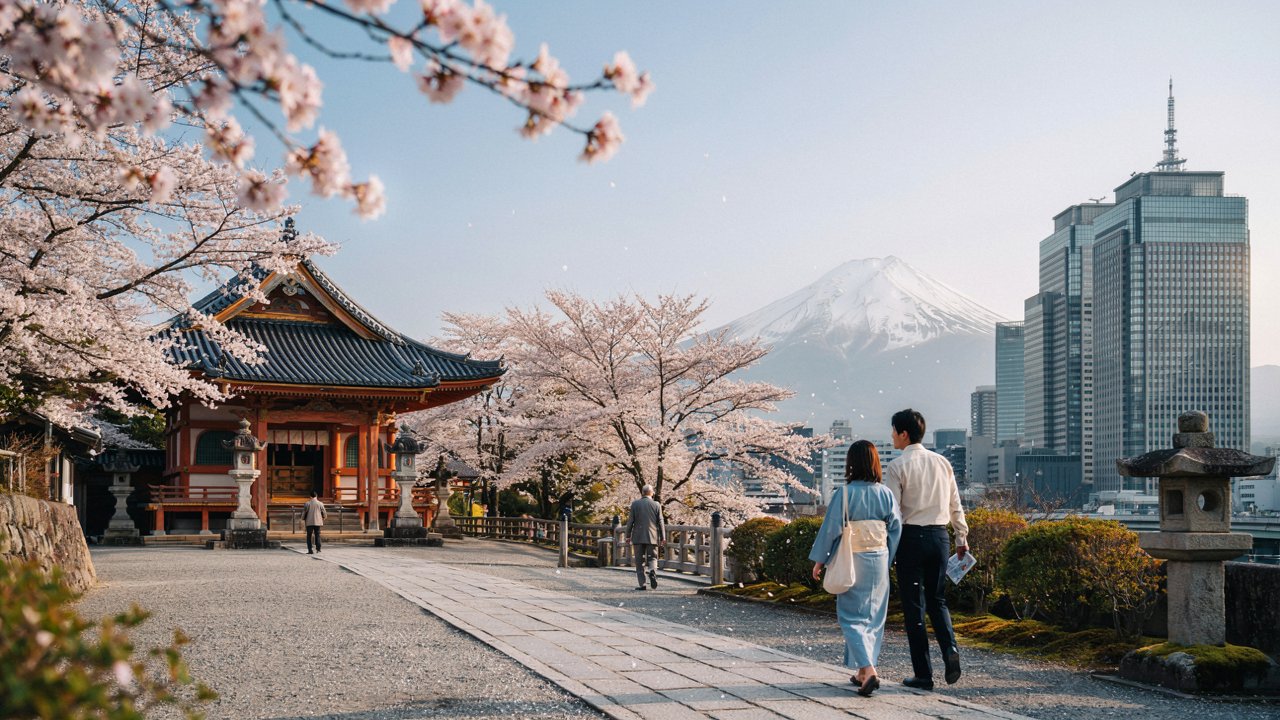
Japan has solidified its status as one of the world’s top tourist destinations thanks to its melding of old and new traditions, combined with modern-day infrastructure, natural scenery, and remarkable experiences for visitors. The latest global recognition has revealed Japan’s capacity to bridge the gap between heritage tourism and modern explorations. What attracts tourists to Japan is more than its major cities alone. Tokyo, Kyoto, and Osaka may be the main hubs but tourists are going as far as to discover scenic mountain villages, coastal areas, islands and old towns which show a completely new world of Japanese cultural heritage.
Japan is famous for the diversity of its tourist attractions and places. Visitors can only visit Japan once and see the wonders of modern-day technology and ancient temples, experience seasonal scenery and superb natural beauty. Another justification for the country’s immense popularity is its great transportation networks, safety, hospitality, and unforgettable experiences.
From watching cherry blossoms in spring to exploring snowy landscapes in Hokkaido, Japan continues attracting visitors throughout the year.
Why Japan Continues To Stand Out In Global Tourism
Japan’s tourism appeal is built on several interconnected strengths. The country successfully combines cultural preservation with modern convenience, allowing travellers to experience history while enjoying efficient infrastructure.
A visit to Japan can include:
Advertisement
Advertisement
| Tourism Strength | Japanese Experience |
|---|---|
| Heritage | Temples, shrines, castles and traditional districts |
| Technology | Smart cities, innovation hubs and futuristic attractions |
| Nature | Mountains, forests, islands and national parks |
| Food | Regional cuisine, markets and Michelin-level dining |
| Seasonal travel | Cherry blossoms, autumn colours and winter experiences |
| Hospitality | Traditional service culture and visitor-focused experiences |
Japan’s ability to offer different travel styles makes it attractive to families, luxury travellers, adventure seekers, cultural explorers and repeat visitors.
Tokyo Creates A Future-Focused Travel Experience
Tokyo represents Japan’s modern identity and remains one of the world’s most dynamic cities.
Advertisement
Advertisement
The capital combines technology, fashion, entertainment, history and culinary experiences. Visitors can move from neon-lit districts to peaceful temples within minutes, creating a contrast that defines Tokyo’s character.
Tokyo Highlights For International Travellers
| Attraction | Experience |
|---|---|
| Shibuya | Modern city energy and famous crossings |
| Asakusa | Traditional temples and historic streets |
| Ginza | Luxury shopping and dining |
| Akihabara | Technology, gaming and pop culture |
| Tokyo Skytree | City views and architecture |
Tokyo’s strength lies in its ability to constantly reinvent itself while preserving historic neighbourhoods.
The city offers something different for every traveller, from traditional Japanese gardens to futuristic entertainment districts.
Kyoto Preserves Japan’s Ancient Cultural Identity
Kyoto is indeed known for its cultural and historical significance in Japan.
This ancient capital is famously known for the temples, gardens, tea traditions, and historic neighborhoods it offers to travelers.
Kyoto Cultural Experiences
| Experience | Location |
|---|---|
| Temple visits | Kinkaku-ji and historic temples |
| Traditional streets | Gion district |
| Tea culture | Japanese tea ceremonies |
| Gardens | Historic Japanese landscapes |
| Seasonal beauty | Cherry blossoms and autumn colours |
Kyoto’s appeal comes from its connection between architecture, nature and philosophy.
Visitors can explore centuries-old traditions while experiencing one of Japan’s most culturally significant destinations.
Advertisement
Advertisement
Osaka Adds Food Culture And Entertainment To Japan’s Tourism Story
Osaka offers a different atmosphere compared with Tokyo and Kyoto.
Known as Japan’s food capital, the city attracts travellers through local cuisine, entertainment districts and friendly urban culture.
Popular experiences include:
- Street food markets
- Osaka Castle
- Dotonbori district
- Local restaurants
- Entertainment attractions
Osaka Travel Appeal
| Feature | Why Visitors Love It |
|---|---|
| Food culture | Regional dishes and street cuisine |
| Nightlife | Vibrant entertainment areas |
| History | Castles and heritage attractions |
| Accessibility | Gateway to Kansai region |
Osaka demonstrates Japan’s ability to combine tradition with a lively contemporary atmosphere.
Japan’s Regional Destinations Reveal Hidden Tourism Treasures
Beyond the major cities, Japan offers hundreds of regional experiences that showcase local traditions and landscapes.
Travellers are increasingly exploring destinations such as Hokkaido, Okinawa, Kanazawa, Kyushu and Tohoku for more authentic experiences.
Advertisement
Advertisement
Regional Japan Travel Guide
| Destination | Known For |
|---|---|
| Hokkaido | Wildlife, snow tourism and natural landscapes |
| Okinawa | Tropical islands and marine experiences |
| Kanazawa | Samurai heritage and craftsmanship |
| Kyushu | Volcanoes, hot springs and food culture |
| Tohoku | Rural traditions and seasonal beauty |
| Nara | Ancient temples and cultural heritage |
These destinations allow visitors to discover a quieter and more personal side of Japan.
Nature Tourism Strengthens Japan’s Global Appeal
Japan’s landscapes are one of its greatest tourism assets.
The country offers dramatic mountains, volcanic regions, forests, beaches and islands.
Major Nature Experiences
| Region | Natural Attraction |
|---|---|
| Mount Fuji Area | Iconic mountain landscapes |
| Hokkaido | National parks and wildlife |
| Okinawa | Coral reefs and beaches |
| Nagano | Mountains and outdoor adventures |
| Yakushima | Ancient forests and biodiversity |
Nature-based travel has become increasingly important as visitors seek outdoor experiences and sustainable tourism options.
Japan’s combination of natural beauty and strong conservation practices creates opportunities for hiking, wildlife observation and adventure travel.
Japanese Cuisine Becomes A Global Tourism Attraction
Food is one of Japan’s strongest tourism drivers.
Advertisement
Advertisement
Japanese cuisine offers far more than sushi and ramen. Every region has developed its own culinary identity based on local ingredients and traditions.
Famous Japanese Food Experiences
| Region | Speciality |
|---|---|
| Tokyo | Sushi and fine dining |
| Osaka | Street food and local dishes |
| Hokkaido | Seafood and dairy products |
| Fukuoka | Hakata ramen |
| Kyoto | Traditional cuisine |
Food tourism allows travellers to understand Japanese culture through flavours, preparation methods and local traditions.
Seasonal Travel Makes Japan A Year-Round Destination
One reason Japan remains popular is its ability to offer different experiences throughout the year.
Japan By Season
| Season | Popular Experiences |
|---|---|
| Spring | Cherry blossoms and garden visits |
| Summer | Festivals, beaches and mountain escapes |
| Autumn | Colourful forests and cultural events |
| Winter | Snow activities, hot springs and ski resorts |
Each season creates a different version of Japan, encouraging repeat visits.
Japan’s Hospitality Culture Enhances The Visitor Experience
Japan’s approach to hospitality, known as “omotenashi”, is often associated with careful attention to guest comfort and service.
Visitors frequently experience this through:
Advertisement
Advertisement
- Efficient transport systems
- Well-maintained public spaces
- Traditional accommodation
- Helpful local services
- Organised tourism facilities
This attention to detail contributes to Japan’s reputation among international travellers.
Sustainable Tourism Shapes Japan’s Future Travel Strategy
While the tourism industry worldwide progresses, Japan gives importance to the balance between managing tourism development and preserving its cultural heritage and natural environment.
Tourism projects at the national and regional levels, various initiatives for conservation, and preservation of less popular tourist locations become of great importance for the Japanese approach to tourism.
The expansion of tourist flows to the less crowded areas helps provide almost everyone with tourism benefits.
Japan’s Global Tourism Success Reflects A Complete Travel Model
Japan has become one of the most popular nations in tourism due to its ability to offer various experiences in one country.
Visitors may enjoy exploring historic temples in Kyoto, feeling the sophistication of modern technology in Tokyo, tasting different regional cuisines in Osaka, hiking around Nagano Mountains or relaxing on beaches in Okinawa.
Advertisement
Advertisement
The uniqueness of the country makes it an interesting destination for people from different age groups and preferences.
Japan’s tourism potential does not rely on one particular attraction but looks rather at the relationship between the historical aspect, modern innovations, nature and culture.
Frequently Asked Questions
1. Why is Japan considered one of the world’s top tourism destinations?
Japan combines cultural heritage, modern infrastructure, natural beauty, safety, cuisine and unique seasonal experiences.
2. What are the most popular places to visit in Japan?
Tokyo, Kyoto and Osaka remain major attractions, while Hokkaido, Okinawa, Kanazawa and Kyushu offer unique regional experiences.
3. Is Japan suitable for first-time international travellers?
Yes. Japan offers excellent transport systems, organised tourism facilities and diverse attractions suitable for first-time visitors.
4. What makes Japan different from other Asian destinations?
Japan combines ancient traditions with advanced technology, creating a travel experience where historic culture and modern life exist together.
Advertisement
Advertisement
5. Which season is best for visiting Japan?
The ideal season depends on traveller interests. Spring is famous for cherry blossoms, autumn for colourful landscapes and winter for snow experiences.
6. Is Japan expensive to visit?
Japan offers a wide range of travel options, from luxury experiences to budget-friendly accommodation, transport and dining choices.
Conclusion
Japan’s worldwide tourism attraction does not rely just on the nation’s well-known sites. It is made up of a unique combination of old traditions, new technologies, stunning nature and excellent tourist experiences.
With everything from Tokyo’s advanced buildings to Kyoto’s temples and Hokkaido’s wild life and Okinawa’s islands, Japan has endless ways to explore.
Japan remains one of the most discussed tourist countries in the world due to its ability to link the past, present and future.
Advertisement
