
Discover the Ancient Secrets of Hamadan: Diplomatic Initiative Unlocks Iran’s Cultural Hub

Published
In October 2024, a targeted diplomatic initiative in western Iran appointed foreign dignitaries and diplomatic spouses as honorary ambassadors for cultural heritage, tourism, and handicrafts. The delegation included the Ambassador of Romania to Iran alongside diplomatic spouses representing Denmark, Romania, Mexico, Uruguay, Nicaragua, and Armenia.
Jointly organized by the Iranian Cultural Heritage, Tourism and Handicrafts Organization (MCTH) and the Ministry of Foreign Affairs, this multi-day mission directly followed the landmark July 2024 inscription of Hegmataneh onto the UNESCO World Heritage List, connecting provincial heritage directors with international cultural networks.
| Initiative Parameter | Details |
| Date of Delegation | October 2024 (Post-UNESCO Hegmataneh Inscription) |
| Participating Nations | Denmark, Romania, Mexico, Uruguay, Nicaragua, Armenia |
| Institutional Framework | Ministry of Cultural Heritage, Tourism & Handicrafts; Ministry of Foreign Affairs |
| Core Objectives | International heritage visibility, handicraft exports, sustainable tourism development |
The Strategic Value of Cultural Diplomacy
Sustainable tourism development in western Iran depends on three core pillars: archaeological preservation, transport infrastructure, and targeted international outreach. This initiative focuses on outreach by building reliable channels for cultural exchange.
- Diplomatic Advocacy: Foreign representatives provide direct cross-border visibility, presenting authentic regional history to international travel networks.
- Artisanal Market Access: Increased visibility supports local production centres, securing income for traditional craft communities specializing in ceramics and carpet weaving.
- Institutional Bilateral Ties: Joint exhibitions and diplomatic summits establish recurring cultural exchange pathways between Iran and partner countries.
Exploring Hamadan: Key Sites and Regional Heritage
Known historically as Hegmataneh and Ecbatana, Hamadan Province contains major archaeological zones, geological monuments, and living artisanal centres.
Advertisement
Advertisement
| Destination | Historic Significance | Notable Features |
| Hegmataneh (Ecbatana) | Ancient Median capital (7th c. BCE); Achaemenid summer seat | UNESCO World Heritage status; exposed architectural remains |
| Lalejin | The World Crafts Council designated “World Pottery City”. | Hundreds of working kilns; natural, lead-free glazed earthenware |
| Ganjnameh | Trilingual royal decrees carved into Mount Alvand granite | Cuneiform inscriptions in Old Persian, Elamite, and Neo-Babylonian |
| Ali Sadr Cave | World’s largest subterranean water cave system | Navigable underground lake circuits accessible by pedal boats |
Ancient Hegmataneh (Ecbatana)
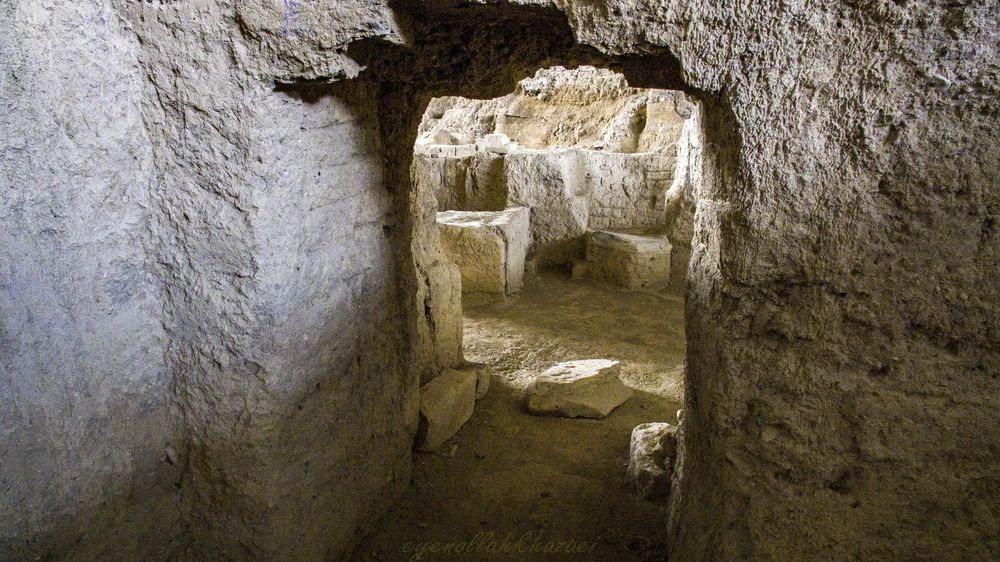
Dating to the 7th century BCE, Hegmataneh served as the capital of the Medes and later as a summer residence for Persian Achaemenid kings. In July 2024, UNESCO formally inscribed Hegmataneh onto the World Heritage List, recognizing its continuous urban history and surviving ancient civil engineering. The sprawling excavation site includes ancient residential wards, defensive ramparts, and an on-site museum housing excavated artefacts.
Lalejin: Centre of Persian Ceramics
Situated roughly 25 kilometres north of Hamadan city, Lalejin holds the official designation from the World Crafts Council as a World Pottery City. The town functions as an active guild community where generations of artisans use wheel-throwing and wood-fired kiln methods to produce distinctive blue- and turquoise-glazed ceramics.
Advertisement
Advertisement
Rock Inscriptions and Subterranean Wonders
In the valleys of Mount Alvand, travelers encounter the Ganjnameh inscriptions. These granite rock panels display trilingual cuneiform texts commissioned by Darius the Great and Xerxes the Great, commemorating their royal lineage and religious invocations.
Further north, Ali Sadr Cave offers an extensive underground network of limestone caverns and clear subterranean lakes. Visitors navigate its interior waterways via pedal boats beneath vast stalactite ceilings.
Advertisement
Advertisement
Architectural Landmarks of the City Centre
Hamadan’s city centre highlights its scientific and literary history:
- Mausoleum of Avicenna (Ibn Sina): A concrete spindle tower modeled after the Ziyarid-era Gonbad-e Qabus, housing the tomb and library of the Islamic Golden Age physician.
- Gonbad-e Alavian (Alavian Dome): A 12th-century Seljuk mausoleum renowned for its complex geometric brickwork and floral stucco panels.
- Tomb of Baba Taher: An octagonal modern monument honoring the 11th-century Persian mystic and poet, surrounded by landscaped public gardens.
Key Questions Answered
What is the diplomatic honorary ambassador initiative in Hamadan?
Convened in October 2024, the initiative appointed foreign ambassadors and diplomatic spouses as honorary cultural envoys following Hegmataneh’s July 2024 UNESCO listing. Organized by Iran’s Ministry of Cultural Heritage, Tourism and Handicrafts alongside the Ministry of Foreign Affairs, the programme leverages international diplomatic networks to raise global awareness of Hamadan’s archaeological sites, craft traditions, and historical significance.
How does this program support tourism in western Iran?
Advertisement
Advertisement
By engaging diplomatic missions from Europe, Latin America, and Asia, the campaign generates sustained foreign visibility through international travel circuits, institutional cultural exchanges, and trade expos, supporting the regional craft economy and heritage preservation.
What are the primary attractions to visit in Hamadan Province?
Highlights include the UNESCO World Heritage site of Hegmataneh (Ecbatana), the trilingual royal cuneiform tablets at Ganjnameh, the subterranean water passages of Ali Sadr Cave, the World Craft City of Lalejin, and the mausoleums of Avicenna and Baba Taher.
Advertisement
