
Boston Michelin Key Hotels Gain a New Entrant as XV Beacon Secures Its First 2026 Distinction

Published
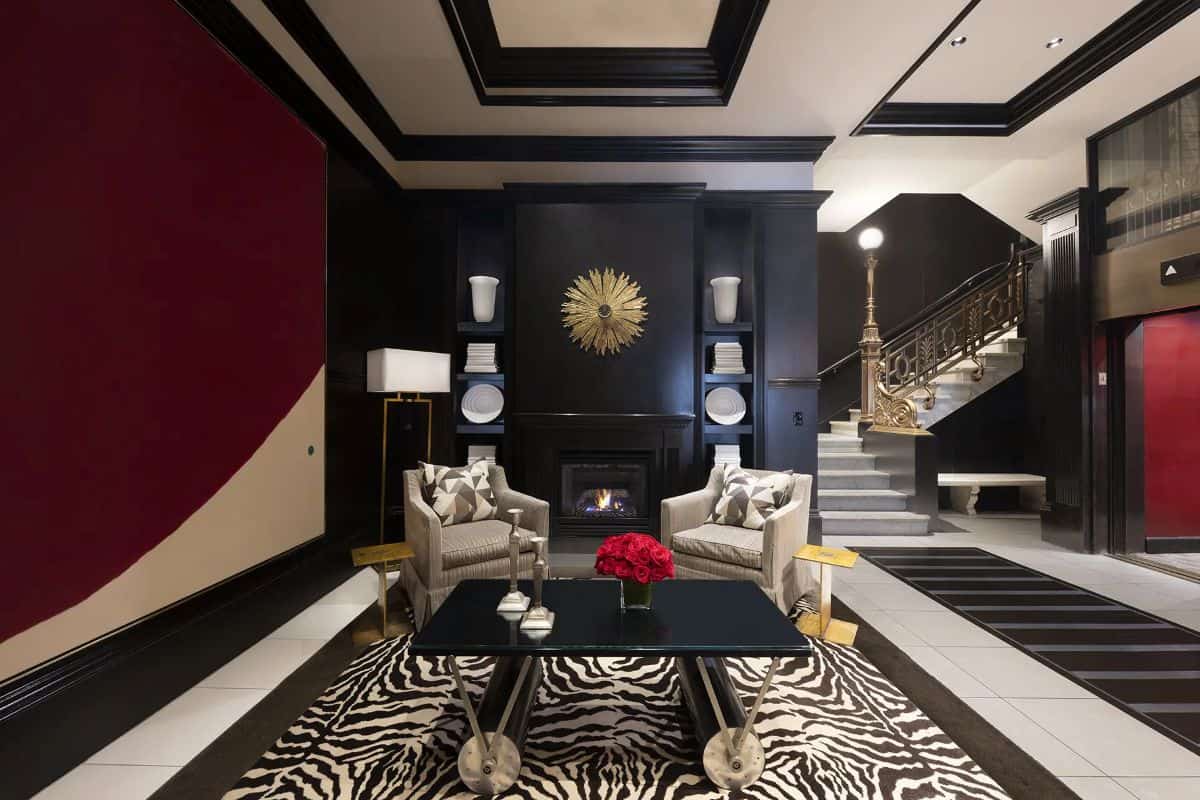
Boston has strengthened its luxury-hospitality profile after the 2026 MICHELIN Key selection recognised seven hotels across the city. XV Beacon earned its first MICHELIN Key, joining six returning Boston properties recognised in the previous selection.
The September 18 announcement places Boston among the US destinations with a substantial concentration of MICHELIN Key hotels. Three properties hold Two Keys, while four hold One Key, giving travellers several distinct luxury formats across Back Bay, Beacon Hill and the city centre.
Advertisement
Advertisement
For Boston, the recognition arrives as tourism and hotel demand continue recovering. City data shows Boston recorded 77.7% average hotel occupancy in 2024, alongside 24,038 rooms across larger hotels.
XV Beacon Enters Boston’s Michelin Circle
The most significant change for Boston in 2026 is the arrival of XV Beacon on the MICHELIN Key list. The boutique property received One Key, marking its first recognition under the hotel programme.
Advertisement
Advertisement
The hotel occupies a historic Beaux-Arts building at 15 Beacon Street. Its location places guests close to Boston Common and the historic Beacon Hill district. The MICHELIN Guide describes it as an exceptionally discreet property with strong architectural character and an intimate atmosphere.
Advertisement
Advertisement
Its recognition also broadens the character of Boston’s Key portfolio. The city’s recognised properties now span grand luxury hotels, historic conversions, contemporary towers and smaller boutique accommodation.
That variety matters to travellers because a MICHELIN Key does not represent a conventional star-based hotel classification. Instead, inspectors examine the overall quality and character of the guest experience.
Seven Hotels Now Carry Keys
Boston’s 2026 selection divides neatly between three Two-Key properties and four One-Key properties. The distinction provides a useful snapshot of the city’s upper-end accommodation landscape.
Advertisement
Advertisement
| Boston Hotel | 2026 Key | 2026 Status | Distinctive Traveller Appeal |
|---|---|---|---|
| Raffles Boston | Two Keys | Retained | Contemporary luxury in Back Bay |
| The Langham Boston | Two Keys | Retained | Historic architecture and Financial District access |
| The Newbury Boston | Two Keys | Retained | Historic luxury overlooking the Public Garden |
| The Whitney Hotel Boston | One Key | Retained | Boutique-style stay in Beacon Hill |
| Four Seasons Hotel Boston | One Key | Retained | Luxury near the Public Garden |
| Four Seasons Hotel One Dalton Street, Boston | One Key | Retained | Modern high-rise luxury |
| XV Beacon | One Key | New for 2026 | Historic boutique accommodation near Boston Common |
The three Two-Key properties represent what MICHELIN defines as an “exceptional stay”. One-Key properties represent a “very special stay”, according to the Guide’s classification framework.
The distribution is also notable within Massachusetts. The three Boston Two-Key properties are the only Massachusetts hotels in that tier in the 2026 selection.
Advertisement
Advertisement
Michelin Keys Measure More Than Luxury
The MICHELIN Key operates differently from conventional hotel rankings. Inspectors assess hotels against five broad criteria covering design, service, personality, value and their contribution to their surroundings.
| MICHELIN Criterion | What It Means for Travellers |
|---|---|
| Architecture and interior design | The physical environment contributes meaningfully to the stay |
| Service quality and consistency | Staff performance remains central to the experience |
| Personality and character | Hotels need an identifiable sense of place |
| Value | The experience must justify its price |
| Contribution to the locality | The property should connect meaningfully with its setting |
This framework gives the award a wider travel dimension. It considers not simply whether a hotel offers expensive rooms, but whether the property creates a distinctive experience.
That distinction is increasingly relevant as luxury travel shifts towards experience, authenticity and sense of place. The MICHELIN Guide’s global 2026 selection now covers more than 9,000 hotels across more than 100 countries.
Boston’s Luxury Portfolio Tells Different Stories
The city’s seven recognised hotels do not represent one uniform hospitality model. Instead, they illustrate how Boston blends historic architecture with contemporary luxury.
The Langham Boston occupies a former Federal Reserve Bank building. The Newbury Boston offers a landmark position beside the Public Garden, while Raffles Boston represents a newer interpretation of luxury in Back Bay.
Advertisement
Advertisement
XV Beacon provides another perspective. Its smaller scale and historic setting contrast with Boston’s larger international luxury properties. For travellers, that makes neighbourhood choice almost as important as hotel category.
| Area | Key Hotels | Travel Character |
|---|---|---|
| Back Bay | Raffles Boston, The Newbury Boston, Four Seasons Hotel Boston | Shopping, dining, architecture and Public Garden access |
| Beacon Hill | XV Beacon, The Whitney Hotel Boston | Historic streets, boutiques and intimate atmosphere |
| Financial District | The Langham Boston | Downtown heritage, business and waterfront access |
| Downtown/Back Bay skyline | Four Seasons Hotel One Dalton Street | Contemporary luxury and city views |
This geographical spread can influence an itinerary considerably. Travellers staying in Beacon Hill can approach historic Boston largely on foot, while Back Bay offers convenient access to shopping, restaurants and cultural attractions.
The result is a hotel portfolio that mirrors Boston’s wider tourism proposition. History remains central, but contemporary hospitality increasingly shapes the visitor experience.
Hotel Demand Has Recovered Strongly
The new recognition comes against a stronger hotel market than Boston experienced during the pandemic period. City data shows hotel occupancy collapsed from 82.7% in 2019 to 26.5% in 2020. By 2024, occupancy had recovered to 77.7%.
Hotel supply has also expanded. Boston counted 24,038 rooms across 94 hotels with at least 50 rooms in January 2024, compared with 22,524 rooms five years earlier.
Advertisement
Advertisement
| Boston Hotel Market Indicator | 2019 | 2020 | 2024 |
|---|---|---|---|
| Hotel rooms | 22,524 | 22,947 | 24,038 |
| Average occupancy | 82.7% | 26.5% | 77.7% |
| Average daily rate, 2024 dollars | $322.07 | $196.11 | $304.34 |
| RevPAR, 2024 dollars | $266.27 | $52.00 | $236.59 |
The recovery therefore involves both demand and room supply. Boston entered 2026 with a considerably larger hotel inventory than before the pandemic, while occupancy had moved closer to historic norms.
The city’s FY2026 budget also reflects continued strength in accommodation demand. Boston budgeted approximately $148.8 million in room-occupancy excise revenue for FY2026, following $144.6 million in actual FY2024 collections.
Tourism Gives Luxury Hotels Wider Reach
The importance of Boston’s hospitality sector extends beyond hotel operators. Accommodation supports employment, restaurants, transport, attractions and other visitor-facing businesses.
Boston’s official economic reporting says tourism supported approximately 59,000 accommodation and food-services payroll jobs in 2023. The hotel industry itself accounted for 10,458 jobs that year.
Massachusetts also recorded substantial visitor spending in 2024. The Massachusetts Office of Travel and Tourism reported 52.6 million visitors and $24.2 billion in direct visitor spending, generating $2.3 billion in state and local tax revenue.
Advertisement
Advertisement
Meet Boston’s latest published visitor metrics add another indication of scale. The destination recorded 38.7 million domestic visitors and 2.2 million international visitors in 2025, according to its cited industry sources.
These figures put the hotel awards into a broader economic context. Recognition can strengthen destination visibility while giving travellers another signal when evaluating accommodation.
What The New Recognition Means For Travellers
For visitors, the most practical value lies in understanding what the Key does and does not signify. A MICHELIN Key is not a guarantee of the lowest available room rate, nor does it replace considerations such as location, room size or personal travel priorities.
Prices can vary substantially between weekdays and weekends. Major conventions, university calendars, sporting events and seasonal demand can also influence Boston hotel rates.
Travellers should therefore compare the total stay rather than focusing solely on the award. Location can reduce transport costs, while walkability can save valuable sightseeing time.
Advertisement
Advertisement
For a first-time visitor, Back Bay and Beacon Hill offer different forms of access. Meanwhile, the Financial District can appeal to travellers prioritising downtown attractions and historic sites.
The MICHELIN distinction works best as a quality signal, rather than a substitute for itinerary planning.
Boston’s Broader Tourism Momentum
The hotel awards also arrive during an important period for Boston’s visitor economy. Meet Boston reports that Logan Airport handled 43.24 million passengers in 2025, including more than 10 million international passengers.
That connectivity matters for the city’s premium accommodation market. International visitors represent an important customer base for luxury hotels, particularly properties associated with global hospitality brands.
Boston’s appeal also extends beyond business travel. The city’s historic neighbourhoods, museums, food scene, waterfront and cultural institutions create a diverse leisure proposition.
Advertisement
Advertisement
The MICHELIN Guide itself has highlighted Boston as a 2026 destination for food-focused travel. Its selection included 26 MICHELIN Guide restaurants, including one One-Star restaurant and six Bib Gourmand establishments.
The convergence of recognised hotels and restaurants gives Boston a stronger culinary and hospitality narrative. For travel planners, that creates opportunities to package accommodation around neighbourhood dining and cultural itineraries.
The 2026 Selection In Wider Perspective
The US MICHELIN Key landscape has expanded considerably in 2026. The Guide lists 359 US Key hotels, comprising 267 One-Key, 78 Two-Key and 44 Three-Key properties.
Interestingly, the US added no new Three-Key hotels in the 2026 selection. Boston therefore remains concentrated in the One-Key and Two-Key categories, with three properties holding Two Keys.
| 2026 US MICHELIN Key Tier | Number of Hotels |
|---|---|
| One Key | 267 |
| Two Keys | 78 |
| Three Keys | 44 |
| Total | 359 |
The global programme has also grown substantially. MICHELIN says its 2026 selection includes 155 Three-Key, 657 Two-Key and 2,020 One-Key hotels worldwide.
Advertisement
Advertisement
For Boston, the significance lies less in the raw number than in the diversity represented by its seven recognised properties. Historic hotels, boutique accommodation and contemporary luxury now coexist within the city’s MICHELIN portfolio.
What Boston’s Seven Keys Signal
Boston’s 2026 hotel selection reinforces the city’s position within the premium US travel market. XV Beacon’s first Key adds a new boutique dimension, while Raffles Boston, The Langham Boston and The Newbury Boston retain Two-Key status.
The wider market data provides useful context. Boston has rebuilt hotel occupancy, expanded room supply and maintained substantial visitor volumes. At the same time, Massachusetts continues to generate billions in visitor spending.
For travellers, the seven MICHELIN Key properties offer distinct ways to experience the city. The most useful choice will depend on neighbourhood, architecture, service style, itinerary and budget rather than the award alone.
The 2026 selection therefore adds another layer to Boston’s accommodation story. The city is selling not only luxury rooms, but access to different versions of Boston itself.
Advertisement
