
Argentina’s Mendoza Wine Boom Turns High-Altitude Vineyards Into Luxury Travel Magnets

Published
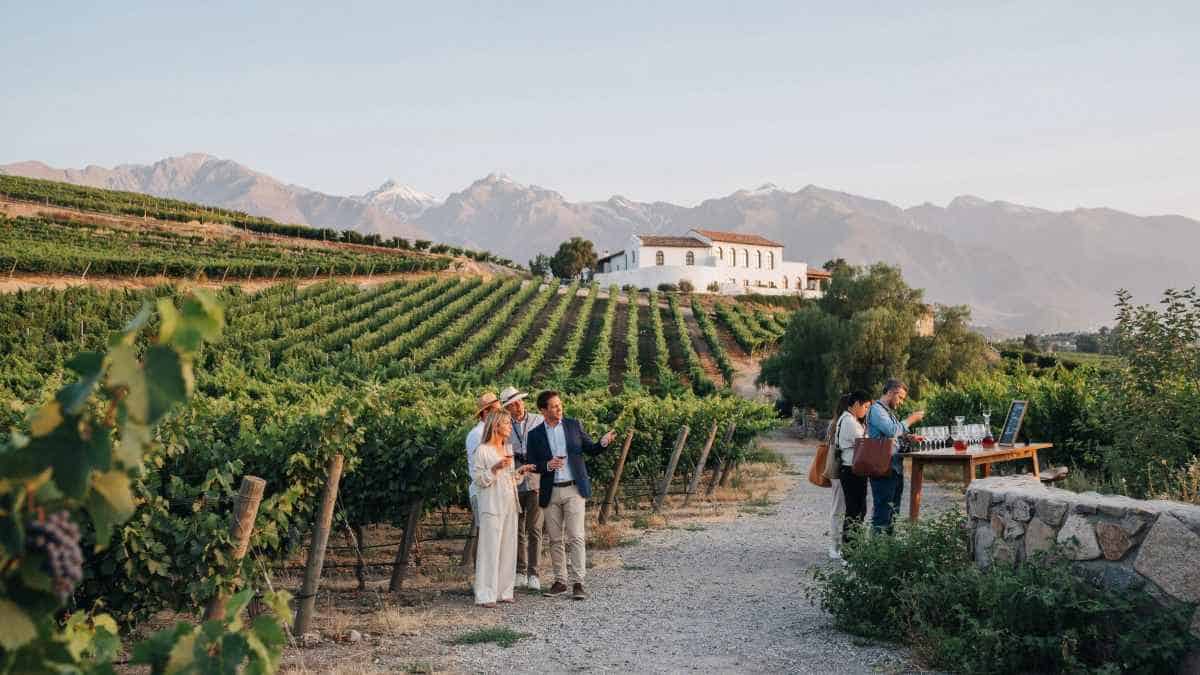
Image generated with Ai
With Argentina, Mendoza, Luján de Cuyo, Maipú, and Uco Valley focusing on wine and gastronomy to enhance their offerings in the field of luxury tourism, there is an increasing focus on offering tourists a unique luxury experience in the form of a vacation that will be characterised by its distinctly Argentine touch. The international reputation of Mendoza and its reputation as a producer of fine wines and particularly Malbec have been used to entice affluent foreign tourists with high-end experiences involving high-altitude estates, vineyard vacations, and culinary delights that are linked with the local wine culture.
Mendoza Turns Wine Into A Luxury Journey
Wine has long been central to Mendoza’s identity, but the region’s tourism offer has developed far beyond traditional vineyard visits.
Travellers can now build entire holidays around wine, food and the landscape.
Vineyard estates offer tastings, guided tours and meals, while luxury accommodation places visitors closer to the vineyards and mountain scenery.
Advertisement
Advertisement
The result is a travel experience in which wine is not merely something to sample.
It becomes the theme connecting accommodation, dining, excursions and regional culture.
Advertisement
Advertisement
High Altitude Gives Mendoza Its Distinctive Character
Mendoza’s vineyards benefit from their location at the eastern foothills of the Andes.
The region’s high-altitude environment, dry climate and strong temperature variations between day and night contribute to its distinctive wine-growing conditions.
Advertisement
Advertisement
For travellers, the altitude also adds to the visual drama.
Vineyards stretch across landscapes with the Andes forming a spectacular backdrop.
This combination of wine and mountain scenery has become one of Mendoza’s strongest tourism assets.
Visitors can spend the morning among vines and the afternoon looking towards snow-capped peaks.
Advertisement
Advertisement
Uco Valley Raises The Luxury Factor
The Uco Valley has become one of Mendoza’s most prominent wine tourism areas.
Located south of Mendoza city, the valley is known for high-altitude vineyards, modern wineries and striking mountain scenery.
Luxury travellers are drawn to estates offering private tastings, vineyard dining and accommodation surrounded by vines.
The area’s distance from the city also contributes to a more immersive experience.
Visitors can stay among vineyards rather than treating wine tourism as a quick excursion.
Luján de Cuyo Brings Classic Mendoza Wine Culture
Luján de Cuyo offers another major wine tourism circuit.
Advertisement
Advertisement
Located closer to Mendoza city, the area is particularly associated with Malbec and established vineyard estates.
Its proximity makes it easy to include within shorter Mendoza itineraries.
Travellers can visit wineries during the day and return to the city for restaurants and hotels in the evening.
That accessibility makes Luján de Cuyo particularly useful for visitors who want a concentrated wine experience without spending their entire holiday in rural accommodation.
Gastronomy Is Becoming A Destination Attraction
Wine may bring visitors to Mendoza, but food increasingly keeps them there.
Regional restaurants are incorporating local ingredients into sophisticated menus, often pairing dishes with wines from nearby vineyards.
Advertisement
Advertisement
Mendoza’s culinary scene draws on Argentine beef, seasonal vegetables, olive oil, herbs and regional produce.
The connection between vineyard and kitchen is particularly important.
Instead of simply offering a wine tasting followed by a standard meal, some tourism experiences are designed around carefully matched food and wine combinations.
For high-spending travellers, that creates a more complete luxury experience.
Culinary Residencies Add A New Travel Reason
Chef-led culinary experiences and temporary dining programmes are also adding another layer to Mendoza’s gastronomy scene.
Culinary residencies can bring chefs and specialised concepts into wineries and luxury properties, giving visitors an additional reason to travel at specific times.
Advertisement
Advertisement
This model turns the dining calendar into part of the destination’s tourism calendar.
Travellers may plan their Mendoza trip around a particular culinary event, chef collaboration or seasonal menu.
That creates another form of repeat visitation.
Malbec Remains The Star
No Mendoza wine story can avoid Malbec.
The grape has become closely associated with Argentina internationally, and Mendoza remains the country’s leading wine-producing region.
For international visitors, learning about Malbec can provide an accessible introduction to Argentina’s wine culture.
Advertisement
Advertisement
Tastings can range from introductory experiences to private sessions focused on specific vineyards, vintages and terroirs.
For luxury travellers, the appeal often lies in the depth of the experience rather than simply tasting a glass.
Luxury Travel Extends Beyond The Vineyard
Mendoza’s luxury tourism offer also includes premium accommodation, private transfers, curated excursions and outdoor experiences.
The Andes provide opportunities for hiking, horseback riding and scenic excursions, allowing visitors to combine wine tourism with adventure.
That makes Mendoza particularly versatile.
A traveller can spend one day exploring vineyards and another exploring mountain landscapes.
Advertisement
Advertisement
The destination therefore appeals to both luxury leisure travellers and visitors looking for active experiences.
Mendoza Can Be Combined With Buenos Aires
Mendoza also benefits from its relationship with Buenos Aires.
International visitors often combine the Argentine capital with a regional trip, creating a two-part itinerary that contrasts urban culture with vineyard landscapes.
Buenos Aires provides architecture, nightlife, shopping and gastronomy, while Mendoza offers wine, mountains and slower-paced travel.
This combination can encourage longer stays in Argentina and spread visitor spending between major urban and regional destinations.
Wine Tourism Supports Local Businesses
The benefits of Mendoza’s wine tourism extend across a wide range of businesses.
Advertisement
Advertisement
Hotels, wineries, restaurants, guides, drivers, retailers and food producers all participate in the visitor economy.
International visitors also purchase wine and regional products, creating additional spending beyond the cost of tours and accommodation.
As high-spending travellers remain an important market, premium tourism can provide opportunities for businesses to develop specialised experiences rather than relying entirely on volume.
Sustainability Becomes Increasingly Important
Mendoza’s wine tourism growth also brings environmental considerations.
The region is naturally dry, making water management particularly important for vineyards and communities.
Tourism operators therefore face the challenge of balancing visitor growth with responsible resource use.
Advertisement
Advertisement
Sustainable vineyard practices, efficient water management and responsible tourism can become increasingly important as demand for luxury wine experiences grows.
Protecting the landscape is ultimately essential to protecting the tourism product itself.
Key Stats
- 1: Major wine tourism capital at the centre of the story — Mendoza.
- 2: Leading vineyard areas highlighted — Uco Valley and Luján de Cuyo.
- 1: Signature grape strongly associated with Argentina — Malbec.
- 3: Core luxury tourism pillars — wine, gastronomy and mountain scenery.
- 2: Major tourism experiences combined — vineyard travel and culinary tourism.
Timeline and Events
Year-round: Mendoza’s wineries, restaurants and vineyard tourism operate across the main wine-producing areas.
Harvest season: Vineyard activity and wine-related experiences intensify around the annual grape harvest.
2026: Mendoza continues attracting international travellers seeking premium wine and culinary experiences.
Seasonal culinary programmes: Chef collaborations and specialised dining experiences add additional reasons for visitors to travel.
Advertisement
Advertisement
FAQ
1. Why is Mendoza important for wine tourism?
Mendoza is Argentina’s leading wine-producing region and is internationally recognised for Malbec and high-altitude vineyards.
2. Which Mendoza areas are popular with luxury wine travellers?
The Uco Valley and Luján de Cuyo are two of the region’s leading wine tourism areas.
3. What else can travellers do besides wine tasting?
Visitors can explore destination restaurants, culinary experiences, mountain landscapes, horseback riding, hiking and luxury vineyard accommodation.
Dates
Harvest season: Annual grape harvesting creates a particularly important period for wine tourism.
Year-round: Vineyard visits, wine tastings and culinary experiences remain available across Mendoza.
2026: International demand continues supporting Mendoza’s luxury wine and gastronomy tourism.
Conclusion
The production of wine has been elevated to a level of travel experience luxury through Mendoza. The experience of high altitude vineyards, Malbec wines, destination foods, culinary residency, and the Andes has made an experience that fills out a complete holiday. For international tourists who need more from Argentina other than the Buenos Aires experience, Mendoza offers a blend of wine experience, food experience, landscape, and luxury experience that gives as much attention to the vineyard experience as to the bottle.
Advertisement
