
Cambodia is Now on the Tourism Map as its Fifth Youth Travel Award Offers a New Opportunity to Shine

Published
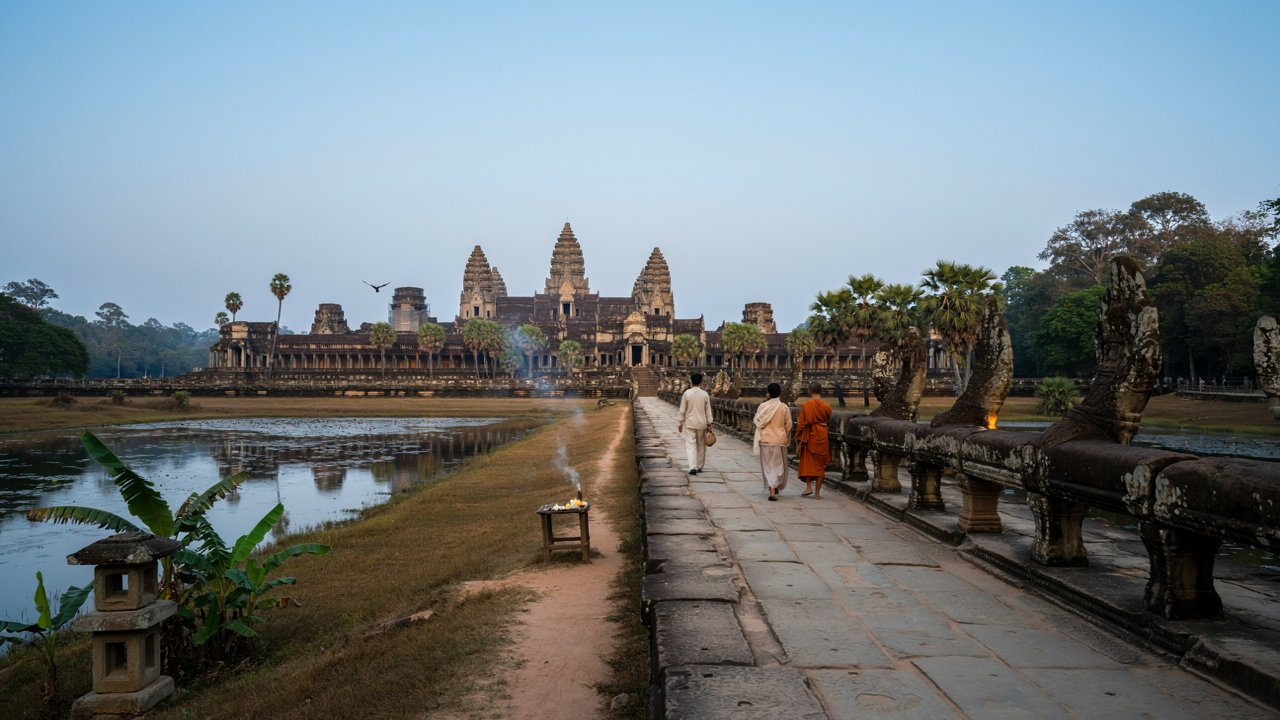
Image generated with Ai
Cambodia secured its fifth consecutive regional Youth Travel award at a ceremony in the Maldives on 27 September 2026. The government confirmed the recognition on 30 September, citing tourism authorities. For younger visitors and businesses serving them, the result provides another destination credential, supported by an established award history. However, it introduces no visa privileges, transport changes or special entry arrangements. This report examines the verified result, Cambodia’s cultural tourism context and practical requirements, using official information checked on 1 October 2026.
Youth Travel Appeal Across Asia Is the Main News Focus
The announcement principally concerns destination recognition, rather than a change affecting existing bookings or border procedures. Its supporting evidence establishes the award, its history and the government’s interpretation. Separate official records explain Cambodia’s heritage assets and current travel conditions. The percentages below represent an editorial assessment of the story’s emphasis, not government statistics, visitor shares or economic measurements. They total 100% and distinguish the central announcement from practical background.
| News Component | Share of Story | Officially Verified Finding | Relevance to Travellers | Official Source |
|---|---|---|---|---|
| Destination recognition | 55% | Cambodia won the regional youth destination category for the fifth consecutive year | Adds a verified destination credential | Government announcement and official award record akp.gov.kh |
| Cultural tourism context | 20% | Cambodia has five listed World Heritage properties | Documents cultural assets for itinerary research | International heritage register whc.unesco.org |
| Entry requirements | 10% | The award announcement introduces no entry changes | Creates no special visa benefits | Government announcement akp.gov.kh |
| Access and safety context | 15% | British guidance reports suspended Thai land crossings and restrictions near the border | Affects certain overland itineraries | British government travel advice GOV.UK |
The evidence confirms a tourism award with regional significance. It does not demonstrate additional arrivals, spending or employment. Neither the table’s editorial percentages nor the winning sequence measures commercial performance. Travellers should understand the recognition as a reason to research Cambodia’s experiences, while treating documents, destination access and transport conditions as separate questions. This distinction keeps the story focused on what happened without overstating its immediate effect.
Five Annual Wins Establish a Clear Chronology
Cambodia’s winning sequence began in 2022 and continued in 2023, 2024 and 2025, before the latest result in 2026. The official category history records the same winning country in each year. Laos, Thailand and Vietnam were the other nominees in 2026. These are comparable results within one category, rather than a comparison of national tourism income or visitor satisfaction. The title specifically concerns younger travellers. It should not be confused with the separate overall leading destination award.
Advertisement
Advertisement
The latest presentation took place on 27 September 2026, coinciding with World Tourism Day. Cambodia’s government report followed three days later, on 30 September. That publication date identifies when the result was reported, not when the ceremony occurred. The award presentation is complete. The announcement sets no subsequent implementation deadline, discount period or visitor application process. Existing travel plans therefore receive no new procedural requirements from the recognition itself. Any later policy or operational announcement would need separate verification.
Understanding Youth Travel Appeal Across Cambodia’s Cultural Destinations
The government attributes the recognition to tourism potential, hospitality, cultural heritage and its stated safety credentials. Those are published assessments, not independently demonstrated reasons for the award outcome. The announcement provides no scoring breakdown, age definition or visitor survey. Examining Youth Travel Appeal Across Cambodia’s cultural destinations therefore requires separating documented attractions from unproven claims about demand. Heritage records provide useful context, but they do not establish what influenced voters or why an individual traveller chooses Cambodia.
Advertisement
Advertisement
Cambodia’s five World Heritage properties include Angkor, Preah Vihear, Sambor Pier Kuk, Koh Ker and the Cambodian Memorial Sites. Angkor covers approximately 400 square kilometres, including forested areas and remains of successive Khmer capitals. Assessing Youth Travel Appeal Across these different places involves more than counting attractions. Ancient architecture and sites of remembrance offer distinct experiences, requiring different interpretation and planning. These documented assets explain the breadth of the cultural offer. They remain background context, rather than proof that the award has generated new visits.
Tourism Businesses Need Evidence Beyond Recognition
The clearest confirmed outcome is another award that destination promoters can reference accurately. Hotels, guesthouses, guides and restaurants may find it useful when presenting Cambodia’s offer. However, the announcement reports no increase in their bookings or revenue. It also announces no associated funding, new accommodation capacity or transport expansion. A claim of stronger business performance would require figures covering a defined period, location and customer group. General arrival totals alone would not establish increased demand among younger visitors.
Advertisement
Advertisement
A reliable assessment would compare equivalent reporting periods and identify the age range being measured. Visitor spending, completed stays and booking records could then help distinguish publicity from economic results. Without those figures, no growth percentage or spending ratio can be attributed to the award. Practical constraints also matter independently. Current British advice reports suspended Cambodia–Thailand land crossings and recommends avoiding all but essential travel within 20 kilometres of the Thai land border. Those conditions affect specific routes, rather than proving an effect across every Cambodian destination.
Youth Travel Planning Requires Document and Route Checks
The recognition creates no special entry entitlement. Current British guidance requires holders of full British citizen passports to have a visitor visa and at least six months’ passport validity from arrival. Tourist visas permit 30 days from entry. Relevant air arrivals also require a free electronic arrival card submitted within seven days before arrival. These requirements concern the passport group covered by that guidance. Other travellers should obtain nationality-specific advice from Cambodian authorities before paying for their journeys.
- Confirm documents: Check passport condition, validity and visa eligibility for your nationality.
- Allow processing time: British guidance advises applying for an electronic visa at least four days before travel.
- Complete arrival procedures: Check whether the electronic arrival card applies to your entry.
- Verify overland access: Check current crossing arrangements before planning travel from Thailand.
- Review insurance: Confirm coverage for your destinations, activities and relevant government advice.
- Check site access: Heritage recognition does not guarantee that every attraction is open.
The award announcement requires no immediate booking changes. Route-specific restrictions may still require action. No award-linked visa review, reopening date or tourism programme has been announced. Separately, official heritage documentation identifies memorial-site conservation support covering 2024–2028; that programme is not a consequence of the award. Future reporting should follow confirmed access changes and comparable visitor data. Until such evidence appears, the direction of travel remains clearer for destination promotion than for measurable commercial growth.
Recognition Matters, but Visitor Outcomes Remain Unmeasured
Cambodia’s fifth consecutive award confirms sustained recognition within a specific regional tourism category. Its cultural heritage provides substantial context, but the announcement does not establish additional bookings, spending or employment. Travellers receive no new entry privileges and must still assess documents, routes and destination conditions. For the Youth Travel sector, the next meaningful evidence will come from measured visitor outcomes and separately confirmed developments. No award-linked implementation timetable has been announced. The recognition therefore matters most as a destination credential. Readers should follow official updates and distinguish Cambodia’s promotional achievement from the practical conditions governing each individual journey they plan.
Advertisement
