
Malta Secures $2 Billion Tourism Investment Commitment as WTTC Global Summit Brings Industry Leaders to Valletta

Published
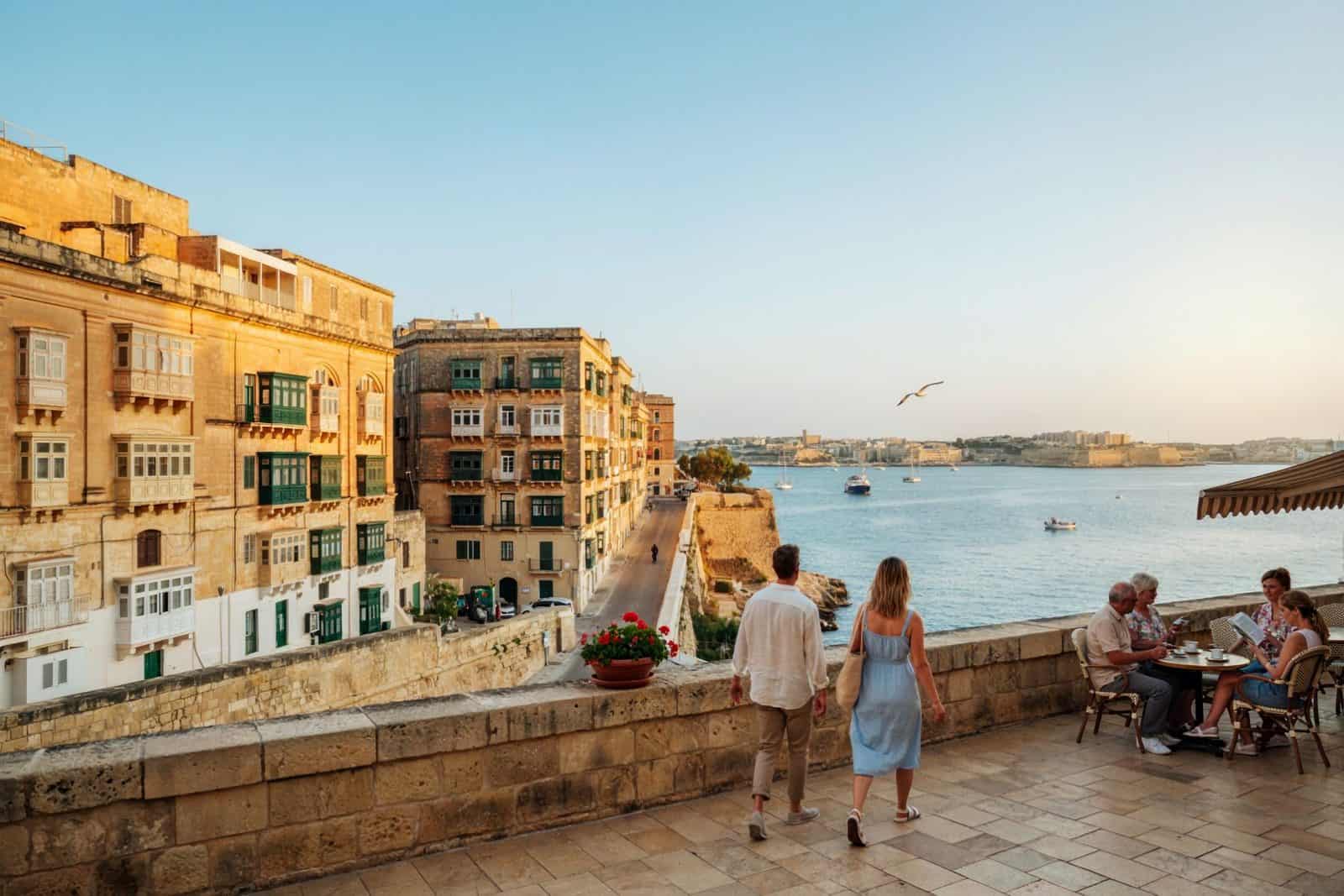
Malta has secured a collective $2 billion tourism investment commitment from World Travel & Tourism Council members following its Global Summit in Valletta. Announced on 13 October 2026, the commitment could support hotels, infrastructure, transport connectivity and visitor experiences, strengthening the Mediterranean country’s long-term tourism development and economic growth.
Malta Attracts $2 Billion Tourism Investment Commitment from WTTC Members
Malta has received a major investment commitment from members of the World Travel & Tourism Council (WTTC), with international travel and tourism companies collectively pledging $2 billion towards the country’s tourism sector.
Advertisement
Advertisement
The announcement was made on 13 October 2026, following the 26th WTTC Global Summit held in Valletta from 7 to 9 October.
The commitment reflects private-sector interest in Malta’s tourism economy and the government’s plans for sustainable long-term development.
Advertisement
Advertisement
WTTC said the proposed investment could support accommodation, transport connectivity, tourism infrastructure, visitor experiences and other parts of the country’s travel economy.
The announcement comes as Malta seeks to strengthen its international competitiveness while balancing tourism growth with infrastructure requirements and environmental considerations.
Advertisement
Advertisement
However, the $2 billion figure represents a collective investment commitment rather than completed expenditure.
WTTC has not publicly provided a comprehensive breakdown identifying individual investors, project allocations, financing arrangements or implementation schedules.
The actual economic impact will therefore depend on how the proposed investments progress into approved and operational projects.
WTTC Global Summit 2026 Brings More Than 1,000 Delegates to Valletta
The investment announcement followed one of the most significant international tourism industry gatherings hosted by Malta.
The 26th WTTC Global Summit brought together more than 1,000 delegates, including over 200 chief executives and senior leaders from major travel and tourism organisations.
Participants represented airlines, hotels, airports, cruise companies, travel technology businesses, investment organisations and government institutions.
Advertisement
Advertisement
The summit took place under the theme FUTU[RE]SET, focusing on the changing conditions shaping international tourism.
Discussions addressed investment, technological innovation, sustainability, economic competitiveness and cooperation between governments and private businesses.
For Malta, hosting the event provided an opportunity to present its tourism infrastructure, hospitality industry and investment potential directly to international decision-makers.
The summit was organised in cooperation with the Malta Tourism Authority and the country’s Ministry for Foreign Affairs and Tourism.
Malta Tourism Investment and Economic Performance at a Glance
The investment commitment comes at a time when tourism remains a major contributor to Malta’s national economy.
According to WTTC’s Economic Impact Research, travel and tourism is forecast to contribute approximately $4.9 billion to Malta’s economy in 2026.
Advertisement
Advertisement
This represents 16.9 per cent of the country’s gross domestic product.
The sector is also expected to support more than one in five jobs nationwide.
| Tourism Indicator | Official Figure |
|---|---|
| New Investment Commitment | US$2 billion |
| Announcing Organisation | World Travel & Tourism Council |
| Announcement Date | 13 October 2026 |
| Summit Edition | 26th WTTC Global Summit |
| Summit Dates | 7–9 October 2026 |
| Host City | Valletta, Malta |
| Summit Attendance | More than 1,000 delegates |
| Senior Tourism Executives and Leaders | More than 200 |
| Forecast Tourism Economic Contribution in 2026 | US$4.9 billion |
| Forecast Share of National GDP | 16.9% |
| Tourism Employment Contribution | More than one in five jobs |
| Tourism GDP Contribution Growth in 2025 | 16.8% |
| International Visitor Spending Growth in 2025 | 16.1% |
Source: World Travel & Tourism Council, Economic Impact Research and official summit announcements.
The figures demonstrate the importance of tourism to Malta’s economy.
They also provide context for the scale of the proposed $2 billion investment commitment.
Hotels, Infrastructure and Connectivity Identified as Investment Priorities
WTTC has identified several areas that could benefit from the collective investment commitment.
Advertisement
Advertisement
The proposed funding is expected to strengthen Malta’s tourism ecosystem rather than focus exclusively on one type of development.
Potential investment areas include:
- Hospitality and accommodation: Development and improvement of hotels, resorts and other visitor accommodation.
- Transport connectivity: Infrastructure and services supporting international and domestic travel.
- Tourism infrastructure: Facilities required to accommodate visitors and improve destination accessibility.
- Visitor experiences: Attractions, cultural activities and tourism products designed to improve the quality of holidays.
- Tourism services: Businesses supporting travel distribution, hospitality and visitor operations.
- Sustainable development: Projects that could improve resource efficiency and support responsible tourism growth.
The announcement did not specify how much funding would be directed towards each category.
It also did not confirm individual hotel developments, airport expansion projects or other construction schemes.
These details will become important as investors move from commitments towards implementation.
Malta Records Strong Tourism Economic Growth in 2025
WTTC’s latest research indicates that Malta experienced substantial growth in tourism’s contribution to its economy during 2025.
Advertisement
Advertisement
The country recorded a 16.8 per cent annual increase in travel and tourism’s contribution to GDP.
This was the highest growth rate among European economies included in WTTC’s comparison.
The European average was 2.6 per cent.
Malta also recorded a 16.1 per cent increase in international visitor spending, compared with 2.4 per cent across the European Union and 1.3 per cent for Europe overall.
The spending growth was the highest among EU economies and the second highest across Europe.
These figures indicate that Malta’s tourism industry has expanded strongly in recent years.
Advertisement
Advertisement
However, the statistics describe past performance and do not guarantee that the same growth rates will continue.
Future results will depend on international demand, economic conditions, infrastructure capacity and the competitiveness of Malta’s tourism offering.
WTTC Leadership Highlights Confidence in Malta’s Tourism Future
WTTC Chairman Manfredi Lefebvre welcomed the investment commitment, presenting it as evidence of international confidence in Malta’s tourism potential.
He emphasised the importance of bringing global investors together in Valletta and strengthening the relationship between public authorities and private businesses.
According to Lefebvre, investment in infrastructure, connectivity and visitor experiences will be important for maintaining tourism growth and creating economic opportunities.
WTTC President and Chief Executive Officer Gloria Guevara also highlighted the significance of cooperation between government and industry.
Advertisement
Advertisement
She described the commitment as an indication of the private sector’s confidence in Malta’s long-term tourism strategy.
Guevara emphasised that sustained investment can support employment, innovation and destination competitiveness.
Both executives linked the announcement to Malta’s approach to public-private collaboration.
Their statements reflect WTTC’s assessment of the investment opportunity, while project-level delivery will require further commercial and regulatory progress.
Malta Tourism Authority Strengthens Cooperation with Global Travel Companies
Malta’s relationship with WTTC has expanded alongside preparations for the 2026 summit.
The Malta Tourism Authority became a WTTC Destination Partner in August 2026.
Advertisement
Advertisement
The partnership was intended to strengthen engagement between Malta and international tourism businesses.
Hosting the summit provided an opportunity for the destination to develop relationships with senior executives from hospitality, aviation, cruise tourism and travel technology.
Carlo Micallef, Chief Executive Officer of the Malta Tourism Authority, was also recognised by WTTC for his leadership and the authority’s contribution to organising the summit.
The recognition was presented during the event’s closing ceremony on 9 October.
For Malta’s tourism industry, continued cooperation with international businesses could support destination promotion, commercial partnerships and investment discussions.
Malta’s Tourism Investment Could Support Valletta, Gozo and Coastal Destinations
Malta’s tourism economy extends beyond its capital city.
Advertisement
Advertisement
Valletta is internationally recognised for its historical architecture, cultural heritage and waterfront setting.
Other destinations, including Sliema, St Julian’s and Gozo, contribute to the country’s accommodation, leisure and visitor economy.
The proposed investment commitment could create opportunities across different tourism segments.
Important destination experiences include:
- Valletta: Historic architecture, museums, cultural attractions and cruise tourism.
- Gozo: Rural landscapes, coastal experiences, heritage attractions and smaller-scale accommodation.
- Sliema: Waterfront hotels, shopping, restaurants and urban tourism.
- St Julian’s: Hospitality, entertainment, business travel and leisure accommodation.
- Mdina: Historic streets, architecture and cultural tourism.
- Mellieħa: Beaches, coastal attractions and family-oriented holidays.
The geographical distribution of future investment will depend on specific project proposals, planning decisions and commercial demand.
No official allocation of the $2 billion commitment among these destinations has been announced.
Advertisement
Advertisement
Sustainable Tourism Remains Central to Malta’s Development Strategy
Malta’s relatively small geographical area creates particular challenges for tourism development.
The country must manage visitor demand alongside infrastructure capacity, environmental protection and the needs of local communities.
Additional tourism investment could support improvements in transport, accommodation efficiency, public facilities and visitor management.
However, development projects will need to account for land availability, energy demand, water resources and waste management.
These considerations are especially important in island destinations where infrastructure systems serve both residents and international visitors.
Sustainable tourism planning can help ensure that economic growth does not place excessive pressure on natural and cultural resources.
Advertisement
Advertisement
The effectiveness of Malta’s investment strategy will depend on the quality of projects delivered and their contribution to long-term economic and environmental objectives.
Global Tourism Companies See Opportunities in Malta’s Visitor Economy
WTTC represents senior executives and business leaders from major international travel and tourism organisations.
Its membership includes companies involved in hospitality, aviation, airports, cruise operations, travel distribution and tourism technology.
The presence of more than 200 senior industry leaders at the Valletta summit gave Malta an opportunity to engage directly with businesses capable of developing tourism projects and partnerships.
The collective investment announcement indicates interest across the private sector.
Nevertheless, the identity of companies responsible for individual portions of the $2 billion commitment has not been fully disclosed.
Advertisement
Advertisement
It remains unclear how much of the proposed investment relates to new developments, upgrades to existing operations or projects at an earlier planning stage.
Greater detail will be needed to assess the commitment’s implementation and measurable economic benefits.
What the $2 Billion Commitment Means for Malta’s Tourism Economy
The proposed investment could contribute to Malta’s long-term tourism development if it results in completed projects.
Potential benefits include additional accommodation capacity, improved transport services, enhanced visitor experiences and employment opportunities.
Investment could also help businesses modernise facilities and respond to changing traveller expectations.
However, the timing and scale of these benefits remain uncertain.
Advertisement
Advertisement
Tourism investment announcements typically require further steps, including financing arrangements, regulatory approvals, construction and operational planning.
For Malta, the immediate significance lies in attracting international investor attention and establishing a framework for potential future development.
The longer-term impact will depend on transparent implementation and measurable outcomes.
Outlook for Malta’s Tourism Industry After the WTTC Global Summit
The 2026 WTTC Global Summit has strengthened Malta’s international visibility within the travel and tourism industry.
The $2 billion collective investment commitment provides an opportunity to support the country’s tourism development plans.
WTTC’s economic forecasts also underline the sector’s importance to national employment and economic activity.
Advertisement
Advertisement
For the government and tourism businesses, the next stage will involve translating investment interest into commercially viable and sustainable projects.
Infrastructure improvements, visitor experience development and responsible destination management will remain important priorities.
Conclusion
Malta’s $2 billion tourism investment commitment marks a significant outcome of the 2026 WTTC Global Summit. With tourism forecast to contribute $4.9 billion to the economy, the proposed funding could support infrastructure, hospitality and connectivity. Its long-term benefits will depend on confirmed projects, implementation and sustainable development.
Advertisement
