
New York Heralds Alongside Washington, Utah and More as Off-Season Hiking Hazards Raise Alarm Across US Trails After 362 Statewide Rescues in Previous Year

Updated
Published
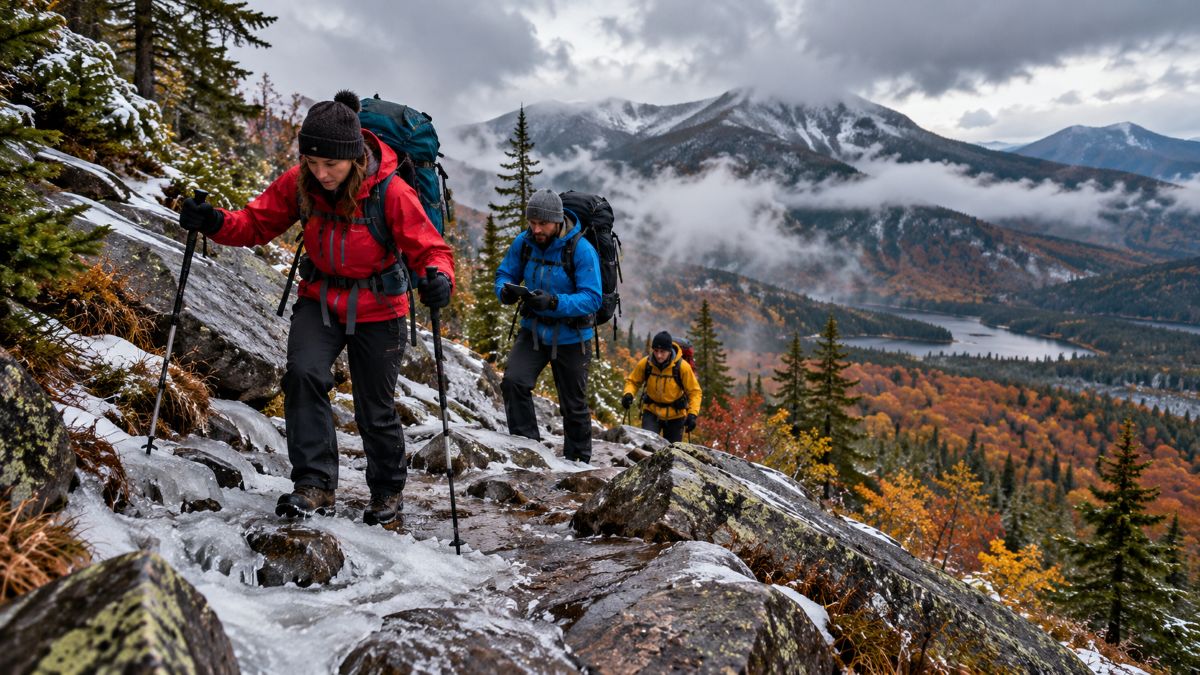 Image generated with Ai
New York heralds alongside Washington, Utah and more US destinations as off-season hiking hazards raise alarm across popular trails after 362 statewide rescues in the previous year, 2025. According to the New York State Department of Environmental Conservation, Forest Rangers conducted 362 search-and-rescue missions statewide, highlighting the importance of outdoor safety. Meanwhile, popular hiking destinations such as the Adirondacks, Mount Rainier and Zion National Park present seasonal challenges involving sudden snowfall, freezing temperatures, slippery terrain and reduced daylight. Consequently, travellers exploring American mountain trails during autumn and spring must prepare for unpredictable conditions. Proper equipment, weather awareness and careful route planning remain essential for reducing risks and preventing emergencies.
Why Are the Adirondacks Particularly Dangerous During the Off-Season?
The Adirondack Mountains in northern New York attract outdoor enthusiasts throughout the year. However, autumn and spring create challenging conditions for hikers unfamiliar with rapidly changing mountain weather.
The Adirondack Park covers approximately six million acres, including remote forests, mountain summits and extensive wilderness trails.
According to the New York State Department of Environmental Conservation, temperatures can decrease by approximately 5°F for every 1,000 feet gained in elevation.
Advertisement
Advertisement
Consequently, conditions at mountain summits may differ considerably from those at trailheads.
Rain at lower elevations can become snow or ice higher up, increasing the risk of falls and hypothermia.
Advertisement
Advertisement
Shorter daylight hours also create navigation difficulties.
Hikers should carry waterproof clothing, additional insulation, reliable lighting and emergency supplies, even when planning relatively short journeys.
What Do New York Forest Ranger Rescue Statistics Reveal?
New York Forest Rangers conducted 362 search-and-rescue missions statewide during 2025, matching the total recorded in 2024.
During the first six months of 2026, Rangers completed another 126 missions.
These figures demonstrate the continuing demand for wilderness emergency assistance across New York.
However, the statistics include different outdoor emergencies and are not limited to Adirondack hiking incidents.
Advertisement
Advertisement
| Official New York DEC indicator | 2024 | 2025 | First half of 2026 |
|---|---|---|---|
| Search-and-rescue missions | 362 | 362 | 126 |
| Wildfires extinguished | 122 | 202 | 65 |
| Wildfire acreage | Nearly 6,500 | 840 | More than 215 |
| Prescribed fires | 60 | 68 | 54 |
The figures also show that rescue activity remained substantial even though annual mission totals did not increase between 2024 and 2025.
For travellers, the statistics reinforce the importance of understanding weather conditions and route difficulty before entering remote wilderness areas.
Which Popular US Hiking Destinations Face Similar Seasonal Hazards?
Several well-known American hiking destinations experience conditions comparable to those found in the Adirondacks.
Mount Rainier in Washington presents dangers involving snow, whiteouts, strong winds and icy terrain.
Meanwhile, Zion National Park in Utah has trails where cold water, flash flooding and hypothermia create serious risks.
The Grand Canyon in Arizona presents different seasonal challenges, including temperature extremes and dehydration.
Advertisement
Advertisement
| Hiking destination | State | Major seasonal hazards |
|---|---|---|
| Adirondack High Peaks | New York | Snow, ice, hypothermia |
| Mount Marcy | New York | Strong winds, freezing temperatures |
| Mount Rainier | Washington | Whiteouts, snow and ice |
| The Narrows, Zion | Utah | Cold water, flash flooding |
| Bright Angel Trail, Grand Canyon | Arizona | Temperature extremes, dehydration |
| Mount Washington | New Hampshire | Severe winds, snow |
| Acadia National Park | Maine | Slippery granite, falls |
| Great Smoky Mountains | Tennessee, North Carolina | Ice, swollen streams |
These destinations demonstrate why seasonal conditions require careful preparation.
However, the available statistics do not support ranking these trails by danger.
What Do Previous Hiking Rescue Incidents Reveal About Traveller Safety?
Official rescue reports show how rapidly ordinary outdoor activities can become emergencies.
In September 2025, a hiker near Upper Wolfjaw Mountain struggled to navigate after dark. Forest Rangers reached the individual during the early morning and provided assistance.
In April 2026, three hikers became lost near Haystack Mountain after encountering difficult conditions.
Meanwhile, Mount Rainier recorded serious rescue incidents during March 2025, including a stranded snowshoer facing winds exceeding 60 mph.
Advertisement
Advertisement
| Date | Location | Documented incident |
|---|---|---|
| September 2025 | Upper Wolfjaw, New York | Hiker lost after dark |
| April 2026 | Haystack Mountain, New York | Three hikers required assistance |
| February 2026 | Dix Mountain, New York | Hypothermia and frostbite emergency |
| March 2025 | Mount Rainier, Washington | Snowshoer stranded in severe winds |
| November 2022 | Zion Narrows, Utah | Cold-weather emergency involving a fatality |
These incidents highlight the importance of suitable clothing, navigation equipment and realistic hiking schedules.
What Do Grand Canyon Rescue Statistics Reveal About Hiking Emergencies?
Grand Canyon National Park provides detailed emergency response statistics that demonstrate the challenges associated with outdoor recreation.
The National Park Service recorded 232 search-and-rescue incidents in 2025, compared with 348 in 2024.
This represents a decrease of approximately 33.3%.
Emergency medical incidents also declined, from 1,058 in 2024 to 848 in 2025.
| Grand Canyon indicator | 2024 | 2025 |
|---|---|---|
| Search-and-rescue incidents | 348 | 232 |
| Emergency medical incidents | 1,058 | 848 |
| Fatalities in EMS reporting | 21 | 11 |
| Preventive rescue contacts | 140,362 | 97,749 |
| Hiker assists | 858 | 444 |
Although the figures indicate fewer recorded emergencies, they do not establish that individual trails became safer.
Advertisement
Advertisement
The statistics cover the entire national park rather than exclusively off-season hiking.
How Can Travellers Stay Safe During Off-Season Hiking Adventures?
The New York DEC and National Park Service recommend preparing for weather conditions that may deteriorate unexpectedly.
Hikers should check forecasts, assess route difficulty and establish realistic turnaround times.
Waterproof clothing and insulating layers help reduce exposure to cold conditions, while sturdy footwear and traction equipment improve stability.
Navigation remains equally important because mobile phone coverage can be unreliable in remote mountain areas.
| Safety measure | Recommended preparation |
|---|---|
| Weather | Check mountain forecasts |
| Clothing | Carry waterproof and insulating layers |
| Footwear | Use sturdy boots and suitable traction |
| Navigation | Carry a map and compass |
| Lighting | Pack a headlamp and spare batteries |
| Emergency supplies | Carry food, water and shelter |
| Route planning | Share an itinerary |
| Communication | Carry an emergency communication device |
Travellers should also recognise symptoms of hypothermia, including confusion, uncontrollable shivering and poor coordination.
Advertisement
Advertisement
Conclusion: Why Should Travellers Take Off-Season Hiking Risks Seriously?
New York, alongside Washington, Utah and more American destinations, highlights the importance of understanding off-season hiking hazards. The 362 statewide rescue missions recorded during the previous year demonstrate continuing demand for wilderness emergency assistance, although these incidents were not exclusively hiking-related. Similar challenges across Mount Rainier, Zion, the Grand Canyon and other popular trails reinforce concerns about unpredictable weather, difficult terrain and limited daylight. However, careful preparation can reduce avoidable risks. Travellers should check forecasts, carry appropriate equipment and follow official safety guidance. Ultimately, responsible hiking practices help visitors explore the natural beauty of the United States more safely.
Comment by Anup Keshan, Founder and Editor-in-Chief of Travel And Tour World
“America’s national parks and mountain destinations offer extraordinary opportunities for adventure tourism, but responsible preparation remains essential throughout the year. The Adirondacks, Mount Rainier, Zion and other renowned hiking destinations demonstrate how rapidly changing weather and challenging terrain can affect outdoor experiences. Official rescue statistics highlight the importance of traveller awareness, appropriate equipment and reliable safety information. Tourism organisations, park authorities and outdoor operators can play a valuable role in educating visitors about seasonal risks. By promoting informed decision-making and responsible hiking practices, destinations can protect travellers while encouraging sustainable exploration of America’s remarkable natural landscapes.”
Advertisement
