
Landmark Architecture Across India, China, Germany, Cambodia and the United States, Transforming Passenger Journeys into Cultural Experiences: Exclusive
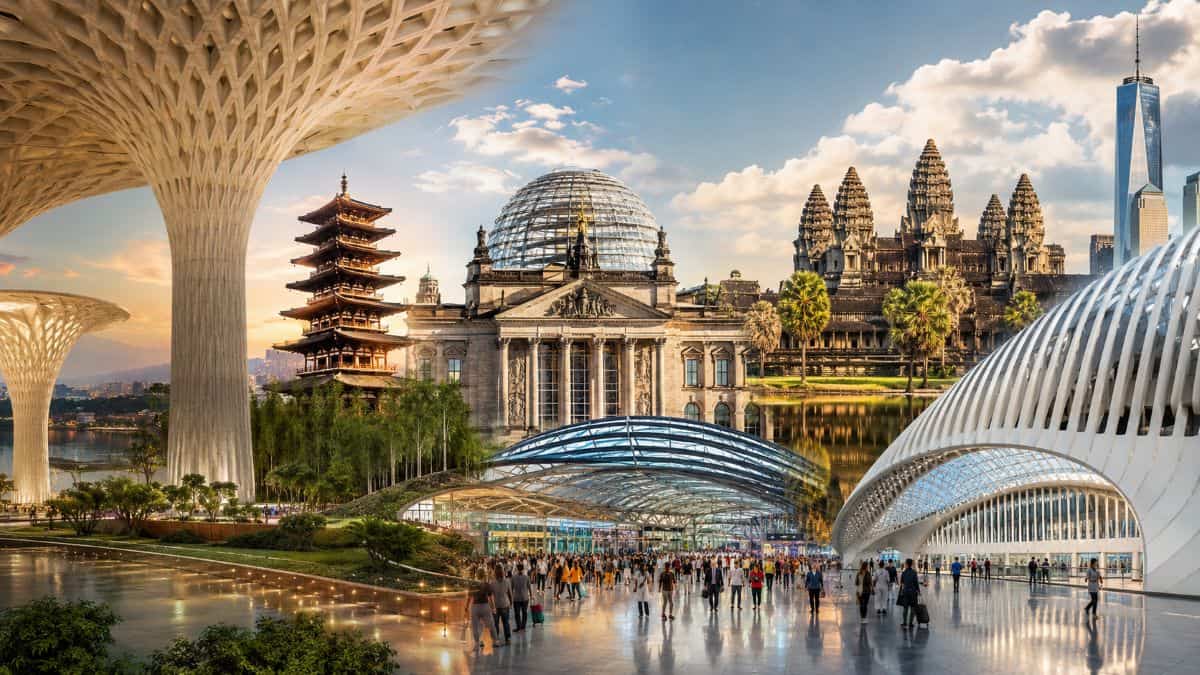
Image generated with Ai
Modern airports are no longer designed solely to move passengers from one destination to another. Increasingly, they are becoming architectural landmarks, tourism attractions and cultural gateways that shape a traveller’s first and last impression of a destination. Reflecting this transformation, the Prix Versailles has unveiled its annual list of the World’s Most Beautiful Airports for 2026, recognising seven airport terminals that combine innovation, sustainability, regional identity and exceptional passenger experience.
The 2026 selection spans Asia, Europe and North America, highlighting remarkable projects in India, China, Germany, Cambodia and the United States. From bamboo-inspired interiors in Northeast India and lotus-inspired architecture in Mumbai to nature-focused terminals in Cambodia and mountain-inspired roofs in Pennsylvania, the winning airports demonstrate how world-class design is reshaping global aviation. Three of these projects will also compete later this year for additional Prix Versailles distinctions recognising outstanding architectural, interior and exterior excellence.
Prix Versailles Highlights Airport Architecture That Inspires Global Tourism
Prix Versailles is an international architecture award that celebrates outstanding contemporary projects across multiple sectors, including airports, hotels, museums, campuses and transport infrastructure. The 2026 airport selection reflects a growing emphasis on creating memorable travel experiences while supporting operational efficiency and sustainable development.
According to the awards jury, modern airports are evolving into destinations that reflect the culture, heritage and environmental identity of their respective regions rather than functioning merely as transportation hubs.
Advertisement
Advertisement
Selected World’s Most Beautiful Airports for 2026
| Airport | Country | Distinguished Design Feature |
|---|---|---|
| Guangzhou Baiyun International Airport Terminal 3 | China | Flower-inspired architecture reflecting Lingnan culture |
| Frankfurt Airport Terminal 3 | Germany | Urban-inspired terminal with modular neighbourhood layout |
| Lokapriya Gopinath Bardoloi International Airport Terminal 2 | India | Bamboo-inspired Sky Forest celebrating Northeast India |
| Navi Mumbai International Airport Terminal 1 | India | Floating lotus-inspired canopy and digital art integration |
| Techo International Airport | Cambodia | Temple-inspired canopy with indoor tropical landscape |
| Pittsburgh International Airport | United States | Mountain-inspired roof and forest-themed structural design |
| San Diego International Airport Terminal 1 | United States | Curved glass façade maximizing daylight and sustainability |
India Strengthens Global Recognition with Two Award-Winning Airport Terminals
India emerged as one of the strongest performers in the 2026 list with two airport terminals receiving international recognition for their architectural excellence.
Lokapriya Gopinath Bardoloi International Airport Terminal 2
Located in Guwahati, Assam, Terminal 2 celebrates the ecological richness and cultural heritage of Northeast India. Inspired by the bamboo orchid, the terminal incorporates sweeping ceilings, organic forms and a remarkable indoor “Sky Forest” that recreates the feeling of walking beneath a forest canopy.
Advertisement
Advertisement
Architectural patterns throughout the building reflect the Brahmaputra River and its tributaries, while Indigenous artwork, tribal motifs and handcrafted design elements transform passenger spaces into cultural showcases. Rather than relying solely on decorative features, the architecture integrates regional storytelling into the passenger journey.
Navi Mumbai International Airport Terminal 1
The newly developed Navi Mumbai International Airport features a dramatic lotus-inspired roof that appears to float above the terminal. Designed with sweeping petals supported by sculptural columns, the architecture symbolizes India’s national flower while delivering expansive interior spaces filled with natural light.
Advertisement
Advertisement
Interactive digital installations complement the physical architecture, creating immersive passenger experiences throughout check-in areas, departure halls and waiting lounges. The terminal also represents one of India’s most ambitious infrastructure developments, involving extensive land engineering and environmental planning before construction.
China and Germany Showcase Large-Scale Airport Innovation
Asia and Europe continue to lead global airport development through infrastructure that combines operational efficiency with landmark architectural expression.
Guangzhou Baiyun International Airport Terminal 3
Inspired by Guangzhou’s identity as China’s “City of Flowers,” Terminal 3 integrates gardens, curved rooflines, terraces and expansive atriums into one of the world’s largest airport facilities. The architecture reflects Lingnan cultural traditions while using landscaped spaces to soften the scale of the enormous complex.
A distinctive observation deck allows travellers to experience aircraft movements outdoors, creating an uncommon airport attraction rarely found in major international terminals.
Advertisement
Advertisement
Frankfurt Airport Terminal 3
Germany’s Frankfurt Airport expands its global aviation leadership through Terminal 3, which has been designed around familiar urban concepts such as streets, neighbourhood squares and public plazas.
Large kinetic art installations suspended above passenger areas provide constantly changing visual experiences, while the modular layout enables future adaptation as aviation technologies and passenger expectations evolve.
Cambodia and the United States Blend Nature with Passenger Comfort
Nature-inspired airport architecture remains one of the strongest trends identified in the 2026 awards.
Techo International Airport
Cambodia’s Techo International Airport combines traditional Khmer architectural influences with contemporary sustainable design. Its sweeping roof recalls historic temple forms, while basketry-inspired ceilings filter natural daylight and improve energy efficiency.
Towering tree-like structural columns support the expansive canopy, while native Rumduol trees grow within the terminal itself, creating a seamless transition between architecture and landscape.
Pittsburgh International Airport
The new Pittsburgh terminal reflects the rolling Allegheny Mountains through a folded roofline supported by branching steel columns resembling a forest. Extensive glazing introduces abundant daylight, while future outdoor terraces will allow passengers access to fresh air before departure.
Advertisement
Advertisement
Local public art throughout the terminal reinforces western Pennsylvania’s regional identity and enhances the passenger experience.
San Diego International Airport Terminal 1
San Diego’s redesigned Terminal 1 features a sweeping curved glass façade extending more than 240 metres. Engineered to maximize daylight while minimizing heat gain, the façade improves passenger comfort and reduces energy consumption.
Open interior spaces, fewer structural columns and upgraded transportation links further enhance operational efficiency while supporting lower carbon emissions.
Airport Design Becomes a Powerful Tourism Asset
The 2026 Prix Versailles selection illustrates a broader transformation taking place across global aviation. Airports are increasingly serving as tourism ambassadors, introducing visitors to local culture, art, architecture and environmental values immediately upon arrival.
Design teams are moving beyond functional requirements by integrating sustainability, regional craftsmanship, public art and natural landscapes into airport planning. This evolution reflects growing passenger expectations for memorable travel experiences rather than purely efficient transit.
As international travel continues to expand, airport terminals are expected to play an increasingly important role in destination branding, supporting tourism competitiveness while delivering improved passenger wellbeing.
Advertisement
Advertisement
What the 2026 Recognition Means for Global Aviation
The World’s Most Beautiful Airports for 2026 demonstrate that architectural excellence has become an essential component of modern aviation infrastructure. Beyond handling growing passenger volumes, these airports establish powerful visual identities that promote regional culture, improve traveller comfort and strengthen tourism appeal.
With two Indian airports receiving international recognition alongside major global aviation hubs, the 2026 list also highlights India’s growing influence in airport innovation and world-class infrastructure development. Together, the seven selected terminals represent a future where airports function as iconic public spaces that celebrate place, sustainability and human-centered design.
Frequently Asked Questions
1. What is the Prix Versailles World’s Most Beautiful Airports List?
It is an annual international recognition celebrating airports that demonstrate outstanding architecture, design, sustainability and passenger experience.
2. How many airports were selected for 2026?
Seven airports and airport terminals were selected for the 2026 edition.
3. Which Indian airports made the 2026 list?
Lokapriya Gopinath Bardoloi International Airport Terminal 2 in Guwahati and Navi Mumbai International Airport Terminal 1.
4. Why was Guwahati Airport recognised?
Its bamboo-inspired Sky Forest, Indigenous artwork and architecture reflecting Northeast India’s natural and cultural heritage impressed the judges.
Advertisement
Advertisement
5. What inspired Navi Mumbai Airport’s design?
The terminal draws inspiration from the lotus flower, featuring a floating canopy and sculptural interior architecture.
6. Which countries are represented in the 2026 awards?
India, China, Germany, Cambodia and the United States.
7. What makes Guangzhou Airport Terminal 3 unique?
Its flower-inspired architecture, gardens, observation deck and strong connection to Lingnan culture distinguish the terminal.
8. Why are airport architecture awards becoming important?
They recognise how airports contribute to tourism, sustainability, passenger wellbeing and destination branding beyond transportation.
9. Will additional awards be announced later?
Yes. Three of the selected airports will receive further Prix Versailles honours for architecture, interior or exterior design later in the year.
10. How are airports evolving in modern tourism?
They are becoming cultural landmarks that combine efficient travel operations with local identity, public art, environmental design and memorable visitor experiences.
Advertisement
