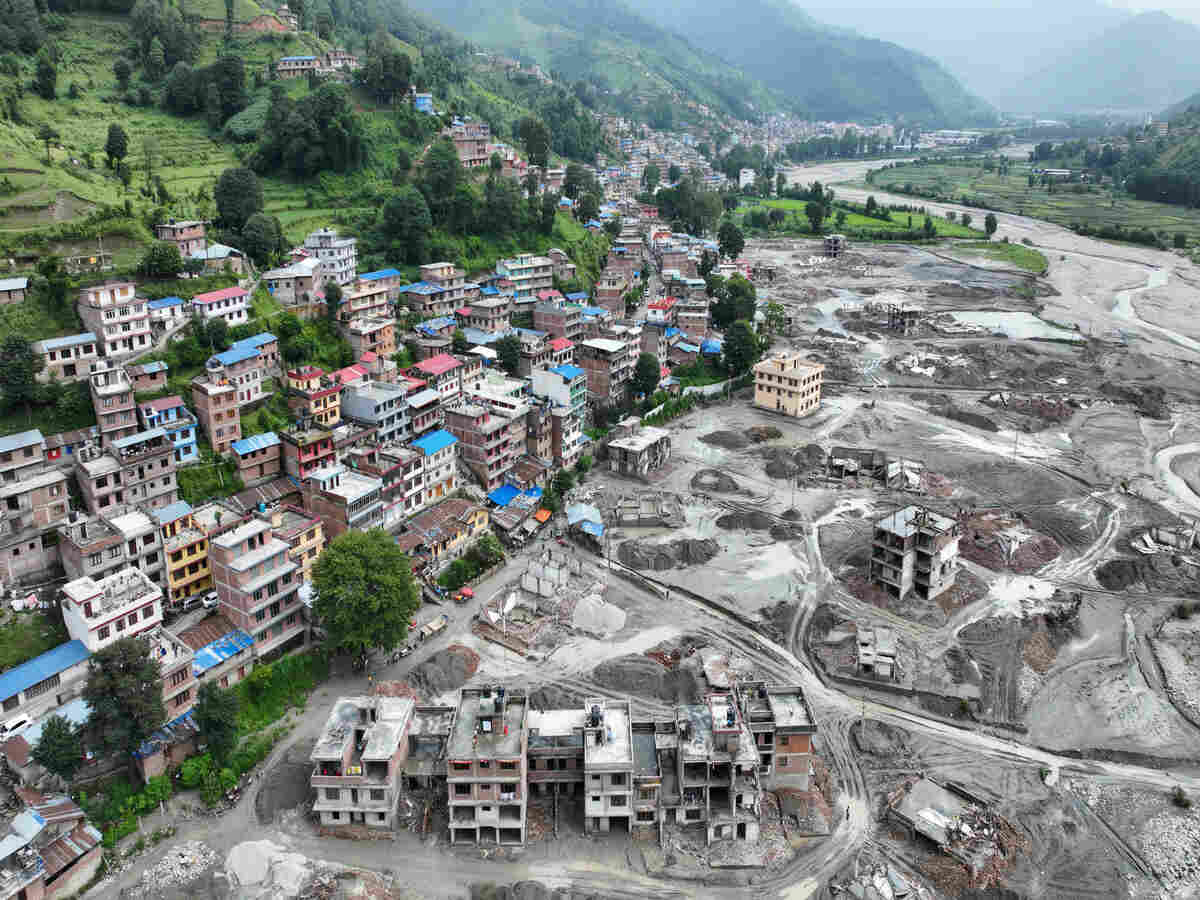
Image generated with Ai
US travel warning for Nepal amid flood situation, monsoons, landslides. The United States has released a travel warning following the current Nepal flood situation in the country. The US has issued a new travel warning associated with the present flood situation in Nepal. This comes after worries about increasing upstream water flow, monsoon rains, and flash floods in the region of the Himalayas.
Nepal’s disaster authorities and Flood Forecasting Division have warned communities living near river corridors to remain alert after reports of increased water movement from upstream areas. Although one upstream lake has largely drained, officials continue monitoring other water accumulations, debris blockages and possible natural barriers that could trigger sudden flooding.
Advertisement
The developing situation is creating challenges for residents, rescue teams and travellers as Nepal continues recovery efforts following a devastating flood disaster that severely affected northern districts, damaged infrastructure and disrupted transportation networks.
Nepal’s monsoon conditions remain a major concern as the Department of Hydrology and Meteorology forecasts heavy to very heavy rainfall in parts of Bagmati Province through September 1, with additional heavy rain possible on September 2.
Advertisement
Advertisement
The combination of intense rainfall and unstable Himalayan terrain increases the possibility of flash flooding, debris flows and landslides. Mountain regions are particularly vulnerable because steep slopes can quickly become unstable after prolonged rainfall, while rivers can rise rapidly due to upstream water movement.
Authorities are closely watching areas connected to the Bhote Koshi and Trishuli river systems, where sudden changes in water levels can create significant risks for communities, roads and infrastructure.
The warning is especially important for travellers because many popular routes through Nepal’s northern and central mountain regions pass close to river valleys and landslide-prone slopes.
The Bhote Koshi River has become the centre of renewed flood concerns after water levels increased again, prompting authorities to issue warnings for downstream areas. The river system has remained under close observation after previous flooding caused widespread damage across affected districts.
Advertisement
Advertisement
Officials have warned that upstream conditions remain unpredictable because natural blockages, debris deposits and temporary water storage areas can create sudden releases. Even after one upstream lake drained significantly, authorities continue monitoring other possible accumulations that could increase downstream flood risks.
The Bhote Koshi flows through some of Nepal’s most challenging mountain landscapes, where narrow valleys leave limited space for floodwaters to spread safely. Communities living near riverbanks face higher risks because water surges can travel quickly through these confined areas.
The Trishuli River basin is also under continued observation as authorities assess the possibility of fresh flooding. The river corridor connects several important settlements and transportation routes, making flood monitoring essential for both communities and travellers.
The Trishuli River is a key route through central Nepal and is located close to highways that connect Kathmandu with other major tourism destinations. During extreme weather events, rising water levels can threaten bridges, roads and roadside settlements.
Recent flood conditions demonstrated how quickly Himalayan rivers can change. Sudden increases in river flow have previously caused severe disruption, with water levels rising dramatically within short periods and leaving limited time for communities to respond.
Emergency teams remain prepared to respond while authorities continue advising people in vulnerable locations to avoid unnecessary movement near riverbanks.
Nepal’s tourism industry is facing additional pressure as flood risks affect mountain travel conditions during one of the country’s most important adventure tourism periods.
The country attracts millions of visitors for trekking, mountaineering, river adventures and cultural journeys. However, monsoon-related hazards such as landslides, damaged roads and sudden flooding can create serious travel disruptions.
Popular routes connecting Kathmandu with northern districts may experience delays or temporary closures due to unstable conditions. Trekking access roads, mountain highways and rural transportation networks are particularly vulnerable when heavy rainfall combines with already weakened terrain.
Travellers planning visits to Nepal are advised to monitor official weather updates, confirm transport conditions before departure and avoid areas experiencing flood warnings.
Adventure activities near rivers, including rafting and riverside excursions, require additional caution because water levels can change rapidly during extreme weather conditions.
The latest flood warning comes as Nepal continues dealing with the aftermath of a major disaster that damaged homes, bridges, roads and critical infrastructure.
Several areas along the Bhote Koshi and Trishuli river corridors experienced severe impacts, affecting communities and essential services. Hydropower facilities located near river systems also faced disruption due to powerful floodwaters and debris movement.
Transportation networks remain a key concern because Nepal’s mountainous geography makes road recovery challenging. Landslides can block highways for extended periods, affecting supply chains, emergency operations and tourism movement.
For visitors, infrastructure damage means travel plans may require flexibility, especially when moving between major cities and Himalayan destinations.
The latest US travel warning highlights the importance of awareness for American visitors travelling through Nepal during the ongoing flood threat. Travellers are encouraged to remain updated about weather conditions, follow instructions from local authorities and avoid high-risk river areas.
The advisory comes at a time when Nepal is dealing with multiple environmental challenges, including intense rainfall, unstable mountain slopes and the possibility of additional flooding.
Visitors should maintain emergency contacts, check road conditions before long journeys and consider travel insurance coverage that includes weather-related disruptions.
Tourism operators across Nepal are also expected to continue adjusting schedules and routes according to changing conditions.
Nepal’s flood crisis remains an evolving situation as authorities continue monitoring rainfall patterns, river levels and upstream conditions. The combination of heavy monsoon rain, unstable terrain and possible debris blockages means fresh flooding and landslides remain possible.
The Bhote Koshi and Trishuli river systems remain key areas of concern, with emergency agencies maintaining close observation to reduce risks to communities and travellers.
While Nepal remains a major global tourism destination known for its mountains, culture and adventure experiences, the current conditions highlight the importance of responsible travel planning during extreme weather events.
Travel warning issued by US amid worsening flood situation in Nepal; rivers, rainfall, landslides and travel dangers on the rise in Himalayan region.
Authorities have warned people about the same and told everyone in affected areas to be aware of the situation as Nepal tries to deal with the flood problem.
Advertisement
Advertisement
Advertisement












Tuesday, September 1, 2026

Tuesday, September 1, 2026

Tuesday, September 1, 2026

Tuesday, September 1, 2026

Tuesday, September 1, 2026

Tuesday, September 1, 2026

Tuesday, September 1, 2026

Tuesday, September 1, 2026