


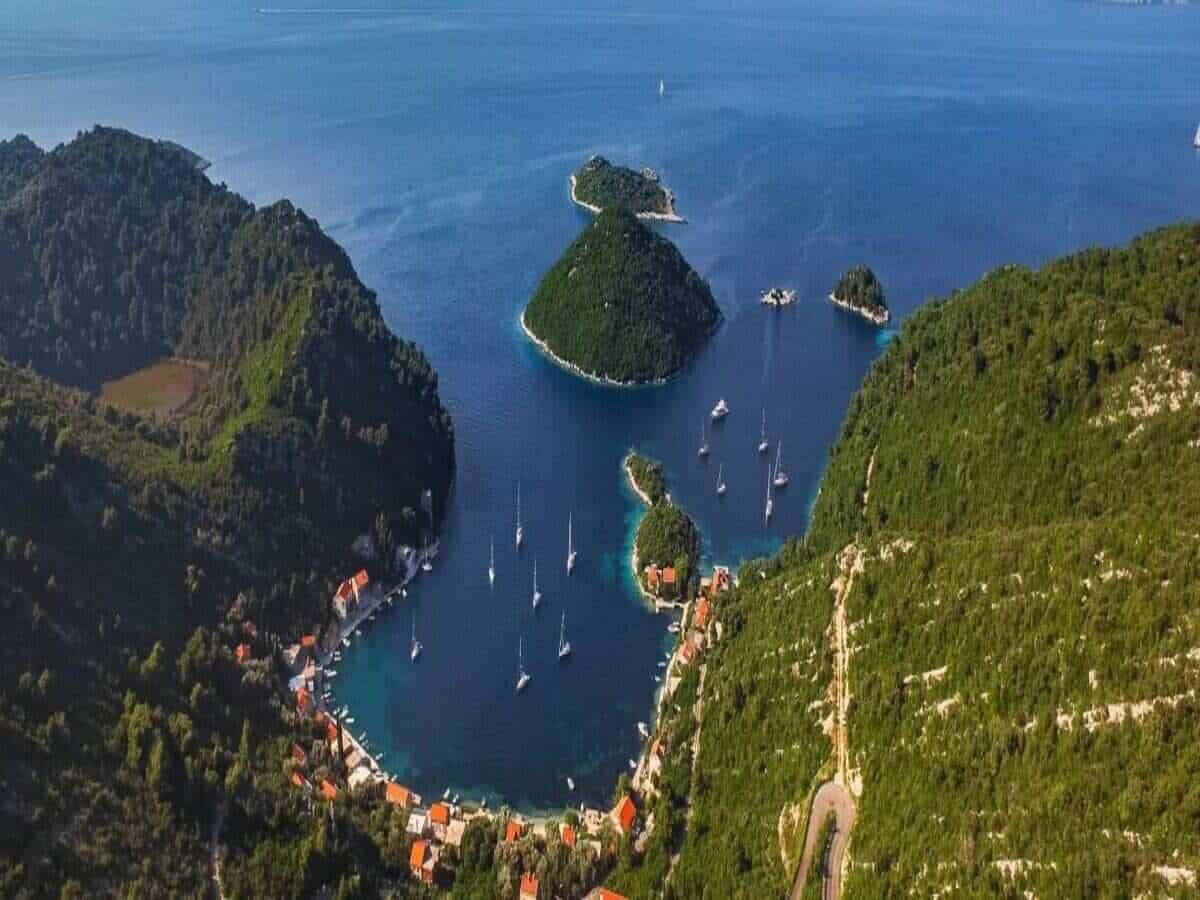
Croatia follows Europe in changing their tourism system by implementing short term rentals in response to overtourism and housing problems. As Europe’s tourism success story enters into a new era where governments seek to manage the fast development of holiday rentals in order to protect their housing markets, Croatia emerges as another European destination joining the likes of Spain in making changes to tourist accommodation regulations.
The debate has intensified as popular destinations face rising property prices, shrinking long-term rental supply and growing pressure from communities struggling to maintain permanent populations. The European Commission is also preparing stronger guidance that could allow national and local authorities to introduce targeted restrictions in areas facing severe housing pressure rather than applying a blanket ban across Europe.
Short-term rentals have become one of the biggest challenges facing Europe’s most popular tourism destinations. While holiday apartments provide valuable income for homeowners and support local economies, authorities are increasingly concerned that excessive growth can reduce housing availability for residents.
The European Union is not planning to eliminate short-term rentals completely. Instead, the focus is shifting towards stronger registration, improved transparency and giving cities more power to intervene where housing shortages become severe.
Advertisement
Advertisement
Under the emerging European approach, restrictions could be introduced in areas where authorities can demonstrate serious housing stress. Factors being considered include:Housing Pressure Indicator Why It Matters Rapid property price growth Shows homes are becoming less affordable for residents Rising rent costs Indicates pressure on long-term housing supply Low housing availability Highlights competition between residents and visitors Strong tourism demand Shows where holiday rentals are expanding quickly Population growth pressure Reveals increasing demand for housing
The European Commission’s proposed framework aims to create clearer rules after several cities introduced their own restrictions to manage overtourism and housing concerns.
Although short-term rentals represent only a small share of Europe’s overall housing stock, their impact is much greater in tourism hotspots. In some highly visited destinations, holiday rentals can represent a significant portion of available housing, increasing concerns about local communities being pushed out.
Croatia has become one of Europe’s most important examples of the challenge between tourism growth and housing protection.
Advertisement
Advertisement
Tourism is a major economic pillar for Croatia, especially along the Adriatic coast. Thousands of families depend on renting apartments, rooms and holiday homes to international visitors during the peak travel season.
However, the same success has created new challenges.
Destinations such as Dubrovnik, Split and island communities are facing rising property prices as demand from tourists and investors increases. Many younger residents are finding it increasingly difficult to purchase homes in the places where they grew up.
Croatia’s response is not to remove private accommodation but to introduce stronger control over how tourist rentals operate.
The country is strengthening rules for apartments located inside residential buildings. Owners who want to begin short-term tourist rentals must receive approval from other property owners, including consent requirements involving neighbouring apartments.
The aim is to protect residents who live permanently in shared buildings while ensuring tourism businesses operate responsibly.
Croatia is also preparing a major registration reform for short-term accommodation. Under upcoming hospitality changes, apartments, rooms and holiday homes advertised through digital booking platforms will require official registration identification.
The new system is designed to:
The Croatian Government has emphasised that the reforms are designed to organise the market rather than damage family tourism businesses.
Spain has become one of Europe’s most active countries in controlling holiday rentals as tourism demand continues to grow.
Popular destinations including Barcelona, the Canary Islands and the Balearic Islands have faced increasing pressure from residents concerned about housing affordability.
Barcelona has taken one of the strongest positions by moving towards removing tourist apartment licences in the coming years. The city argues that reducing holiday rentals can help return homes to the residential market.
Spanish authorities are focusing on:
The country’s approach reflects a wider concern that tourism growth must not reduce the quality of life for local communities.
The Canary Islands and Balearic Islands have also become important examples of overtourism management. Authorities are reviewing ways to control visitor pressure while protecting housing for workers who support the tourism industry.
Spain’s challenge is particularly complex because tourism remains one of its strongest economic sectors. The government must maintain international visitor appeal while ensuring destinations remain liveable.
Portugal is another major European tourism destination introducing stronger controls on short-term rentals.
Cities including Lisbon and Porto have experienced significant housing pressure due to international demand, tourism growth and investment activity.
Portugal’s approach focuses on controlling the expansion of local accommodation licences in areas where housing shortages are becoming serious.
Key measures include:
The country continues to depend heavily on tourism, but policymakers are increasingly focused on ensuring that visitor growth does not remove housing opportunities for residents.
Italy is addressing overtourism through stronger local regulations, particularly in famous cultural destinations.
Cities including Venice and Florence are introducing measures to control the expansion of short-term rentals in areas where tourism pressure is highest.
Italy’s focus includes:Destination Main Challenge Control Approach Venice Heavy visitor concentration Managing tourism pressure and accommodation growth Florence Residential loss in historic areas Restricting new tourist rental expansion Rome Rising visitor demand Increasing monitoring and regulation
Italian authorities are particularly concerned about professional operators managing multiple properties rather than residents occasionally renting their own homes.
France has developed some of Europe’s strongest short-term rental controls, especially in Paris.
The country uses registration systems, local restrictions and rental limits to prevent residential homes from being permanently converted into holiday accommodation.
Paris has focused on maintaining housing availability as tourism demand remains high.
French policymakers argue that cities must protect permanent residents while continuing to welcome millions of visitors.
Greece is another country facing the challenge of managing tourism success.
Popular destinations such as Santorini, Mykonos and Crete have experienced strong visitor demand, creating pressure on housing markets.
Authorities are increasing oversight through:
The objective is to maintain Greece’s global tourism appeal while preventing excessive pressure on local communities.
The Netherlands and Germany have already introduced some of Europe’s strictest urban rental rules.
Amsterdam limits tourist rentals through:
The city aims to protect residential neighbourhoods while maintaining controlled tourism.
Berlin requires permits for many short-term rental activities.
The goal is to prevent residential apartments from disappearing into the tourist accommodation market.
Ireland has also increased controls as housing shortages become a national concern.
Authorities are focusing on ensuring that properties needed by local residents are not permanently converted into visitor accommodation.
Measures include:
The country is attempting to balance tourism benefits with housing availability.
The future of European tourism accommodation is moving towards stronger regulation, better data collection and more responsible growth.
The major changes across Europe can be summarised as:Country Main Action Tourism Goal Croatia Registration and approval rules Protect residents while supporting family tourism Spain Licence controls and enforcement Reduce overtourism pressure Portugal Local accommodation restrictions Balance tourism and housing Italy City-level controls Protect historic destinations France Registration and rental limits Preserve urban housing Greece Greater oversight Manage island tourism growth Netherlands Rental caps Protect city communities Germany Permit requirements Prevent housing loss Ireland Planning controls Improve housing access
Europe’s short-term rental debate shows that tourism growth and housing protection must move together.
Croatia’s reforms represent a wider European transformation where destinations are no longer focusing only on attracting more visitors but also on maintaining communities where people can continue to live and work.
For travellers, the changes could bring more regulated and reliable accommodation options.
For tourism businesses, the future will require stronger compliance, transparency and sustainable practices.
For residents, the goal is clear: ensure that Europe’s most beautiful destinations remain not only places people visit but also places where communities can continue to thrive.
The next decade of European tourism will depend on finding the right balance between economic opportunity, visitor experiences and the right of local people to call these destinations home.
Advertisement
Tags: Airbnb regulations, Croatia tourism, Europe short term rentals, housing crisis Europe, overtourism management
Advertisement
Advertisement













Monday, September 7, 2026

Monday, September 7, 2026

Monday, September 7, 2026

Monday, September 7, 2026

Monday, September 7, 2026

Monday, September 7, 2026

Monday, September 7, 2026

Monday, September 7, 2026

