
Mexico Halts International Cruises in Loreto Through 2030 to Protect Its Fragile Bay

Published
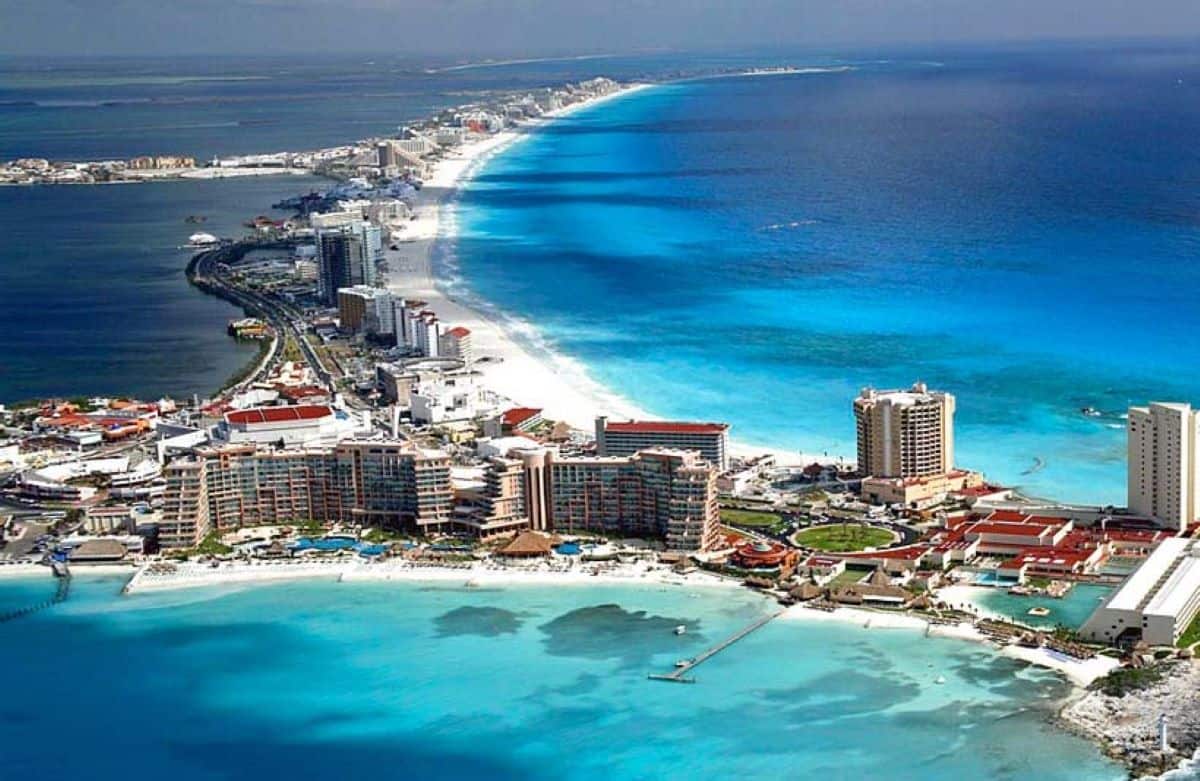
Mexico has halted international cruises in Loreto through 2030 to protect its fragile bay, reversing an earlier move that would have formally opened the Baja California Sur port to international maritime traffic. The federal government revoked the change after concerns emerged over the future of Bahía de Loreto National Park and after local representatives and environmental advocates pushed for greater protection. Authorities have since confirmed that Loreto remains a cabotage port and that cruise-arrival applications covering 2026 through 2030 have been rejected.
The decision marks a significant change in direction for the small tourism destination on the Gulf of California. It also places conservation at the centre of the debate over how Loreto should develop its visitor economy.
Advertisement
Advertisement
Mexico Reverses Loreto Port Decision
The controversy can be traced to 10 April 2026, when a federal decree formally changed Loreto’s status to a port for both international and domestic navigation.
Mexico’s Navy later explained that the move was intended to regularise the port’s administrative position. Loreto had been formally designated for cabotage, or domestic coastal navigation, even though international vessels had previously visited the destination.
Advertisement
Advertisement
However, the change quickly raised environmental and community concerns.
Loreto’s port sits within an ecologically sensitive region associated with Bahía de Loreto National Park. The prospect of formally enabling international maritime traffic therefore triggered a wider discussion over the scale of cruise tourism that should be allowed in the area.
Advertisement
Advertisement
The federal government subsequently changed course.
On 25 May 2026, a new presidential decree published in Mexico’s Official Gazette repealed the April measure.
Advertisement
Advertisement
That decision removed Loreto’s newly granted international-port status and created a working group to develop a new framework governing navigation in the area.
What Changed in Loreto?
| Key development | Date | What it meant |
| Loreto formally classified for international and domestic navigation | 10 April 2026 | Created a legal framework for international maritime operations |
| Federal government repealed the decree | 25 May 2026 | Removed the new international-port designation |
| Loreto returned to cabotage status | 2026 | International navigation under the previous designation is not permitted |
| Federal environmental authorities confirmed no cruise ships or deep-sea port | July 2026 | Reinforced the government’s new position |
| Cruise-arrival requests rejected | 2026–2030 | Shipping companies and agents were informed that applications would not be approved |
Cruise Requests Through 2030 Are Rejected
The clearest confirmation of what the decision means for cruise tourism came from Mexico’s Secretariat of Environment and Natural Resources, known as Semarnat.
During a July meeting on the future regulation of navigation in Loreto, Environment Secretary Alicia Bárcena said that, under instructions from President Claudia Sheinbaum, Loreto would not have cruise ships or operate as a deep-sea port.
The Secretariat of the Navy also confirmed that Loreto currently holds cabotage status following the repeal of the April decree.
Advertisement
Advertisement
That status means it cannot receive cruise vessels operating under international or deep-sea navigation arrangements.
More importantly for future cruise schedules, the Baja California Sur Port Administration said cruise companies and shipping agents had already been informed that requests for cruise arrivals from 2026 through 2030 had been rejected.
This makes the decision directly relevant to cruise itinerary planning over the next several years.
Why Bahía de Loreto Is Central to the Decision
The debate is about more than a port classification.
Bahía de Loreto is a federally protected natural area.
The national park was established in 1996 and covers more than 206,000 hectares, according to the federal decree dealing with Loreto’s port status.
Advertisement
Advertisement
Its marine environment is central to Loreto’s tourism identity.
The destination is known for nature-focused activities associated with the Gulf of California. Marine wildlife, islands, coastal landscapes and outdoor experiences have helped shape a tourism model that is very different from the high-volume cruise operations seen in some larger Mexican ports.
That environmental importance was explicitly recognised when the federal government reversed the port decision.
The May decree called for authorities and the Loreto community to examine ecological, tourism and navigation requirements while developing new regulations.
Local Participation Becomes Part of the Process
Community involvement has become an important element of the government’s new approach.
Representatives with a history of defending Bahía de Loreto National Park have participated in working sessions alongside federal, state and municipal authorities.
Advertisement
Advertisement
The discussions have included representatives from:
- Mexico’s Environment Ministry
- Secretariat of the Navy
- Secretariat of Tourism
- Secretariat of the Interior
- National Commission of Natural Protected Areas
- Baja California Sur Port Administration
- Loreto municipal authorities
- Community representatives involved in protecting the bay
Authorities have also acknowledged the need for additional technical information and environmental studies.
The objective is to establish updated navigation rules that reflect both environmental standards and the operational realities of the port.
Loreto Previously Received Cruise Ships
The new position represents a notable change because cruise tourism is not completely new to Loreto.
Baja California Sur’s government previously promoted cruise arrivals as an economic opportunity for restaurants, tourism operators, shops, transport providers and other local businesses.
Government records also show that major cruise vessels had called at Loreto before the 2026 policy reversal.
Advertisement
Advertisement
This creates an important distinction.
The current decision should not be interpreted as evidence that Loreto has never participated in cruise tourism. Instead, the government has changed the regulatory framework under which international cruise arrivals could operate.
The rejection of applications through 2030 now creates a much clearer boundary for future international cruise operations.
Conservation and Tourism Meet in Loreto
Loreto’s case highlights a wider challenge facing environmentally sensitive destinations.
Cruise passengers can generate spending during port calls. Restaurants, tour providers, transport businesses, shops and other tourism companies may benefit from visitor arrivals.
However, destinations located around protected ecosystems also need to consider the scale and environmental effects of tourism development.
Advertisement
Advertisement
Loreto is particularly sensitive because its natural environment is itself one of its main tourism assets.
Protecting that environment is therefore not necessarily separate from tourism policy. Conservation can also be part of protecting the destination’s long-term visitor appeal.
What the Decision Means for Travellers
Travellers considering Loreto should not interpret the cruise decision as a closure of the destination itself.
Loreto remains a tourism destination in Baja California Sur.
The restriction specifically affects international cruise navigation and the port’s regulatory status.
Visitors can still explore the region through other forms of travel and experience the nature-based tourism for which Loreto is known.
Advertisement
Advertisement
For cruise passengers, however, the situation is different. Cruise operators planning international calls at Loreto face the government’s rejection of arrival applications covering the period from 2026 through 2030.
Future conditions beyond that period will depend on government policy and the navigation framework ultimately adopted for the area.
Conclusion
Mexico has halted international cruises in Loreto through 2030 to protect its fragile bay after reversing the port classification that had opened the way for international maritime operations. The federal government formally repealed the April 2026 decree, restored Loreto’s cabotage status and launched a process involving authorities and community representatives to establish new navigation rules.
The Baja California Sur Port Administration has also confirmed that cruise companies and shipping agents were informed of rejected arrival requests covering 2026 through 2030.
For Loreto, the decision represents a significant shift in tourism policy. Instead of moving towards expanded international cruise access, authorities are prioritising a new regulatory framework built around the environmental importance of Bahía de Loreto. The result puts conservation, community participation and the future of nature-based tourism at the heart of how this Mexican destination manages maritime visitors.
Advertisement
