
Belgium Is Home to Foreigners as UNESCO Recognizes Bruges and Several Other Cities for Cultural Treasures

Published
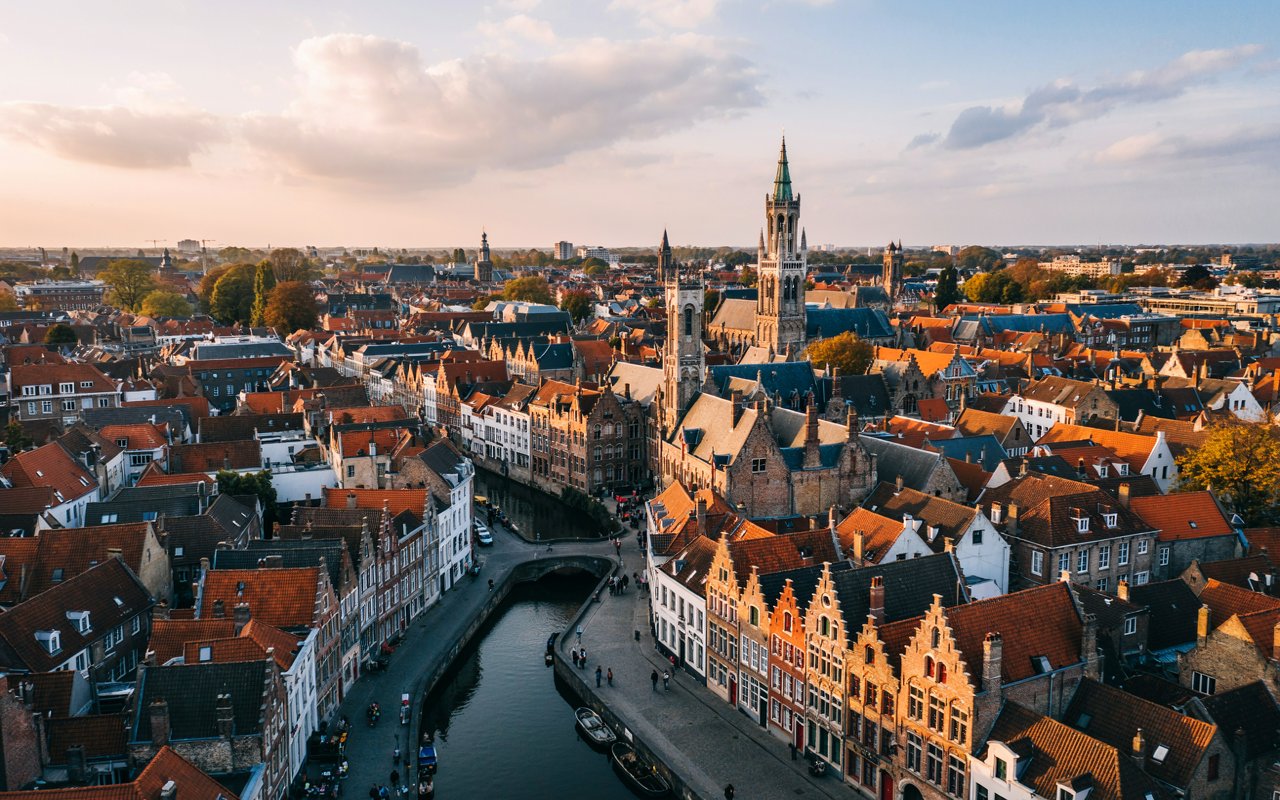
Image generated with Ai
Some of Europe’s best-preserved medieval cities, ancient town centers, and architectural wonders may be found in Belgium. Several Belgian cities and urban areas are recognised by UNESCO for their exceptional cultural value, including Bruges, Brussels, Ghent, Mechelen, Leuven, Tournai, Mons and others through specific UNESCO-listed monuments and heritage ensembles. UNESCO World Heritage Centre
However, it is important to distinguish between entire cities listed as UNESCO World Heritage Sites and cities that contain individual UNESCO-listed monuments or heritage elements such as belfries, beguinages, cathedrals and architectural landmarks. From historic squares to architectural masterpieces, these destinations reveal a powerful connection between the past and present. UNESCO recognition has strengthened Belgium’s position as a leading heritage destination, encouraging cultural exploration and sustainable travel. The growing interest highlights how protected sites continue to inspire millions of visitors while safeguarding stories that define Europe’s rich historical identity.
UNESCO Heritage Cities and Tourist Attractions in Belgium
| Belgian City | UNESCO Heritage Recognition | Year Listed | UNESCO Site / Heritage Element | Why Tourists Visit | Key Attractions to Explore |
|---|---|---|---|---|---|
| Bruges (Brugge), West Flanders | Full historic city centre recognised by UNESCO | 2000 | Historic Centre of Brugge | Bruges is one of Europe’s best-preserved medieval cities, famous for canals, Gothic architecture and historic urban landscapes. | Markt Square, Belfry of Bruges, Basilica of the Holy Blood, medieval canals, Church of Our Lady, Beguinage Ten Wijngaerde |
| Brussels (Bruxelles), Brussels-Capital Region | UNESCO-listed historic landmark within the city | 1998 | La Grand-Place, Brussels | The central square represents Belgium’s commercial and architectural heritage, surrounded by guild houses, the Town Hall and historic buildings. | Grand-Place, Brussels Town Hall, Maison du Roi, Royal Gallery of Saint Hubert, historic city centre |
| Brussels (Bruxelles) | UNESCO architectural heritage | 2000 | Major Town Houses of Victor Horta | The city preserves some of the world’s most important examples of Art Nouveau architecture created by architect Victor Horta. | Hôtel Tassel, Hôtel Solvay, Horta Museum, Art Nouveau neighbourhoods |
| Ghent (Gent), East Flanders | UNESCO heritage through multiple sites | 1998–2005 | Belfry of Ghent and Flemish Béguinage sites | Ghent combines medieval architecture with a lively cultural atmosphere and major historic monuments. | Gravensteen Castle, Saint Bavo’s Cathedral, Ghent Belfry, Graslei and Korenlei waterfront |
| Mechelen, Antwerp Province | UNESCO heritage through city monuments | 1998–2000 | Belfry of St Rumbold’s Cathedral and Great Beguinage | Mechelen preserves medieval religious communities and Flemish urban heritage. | St Rumbold’s Cathedral, Grand Béguinage, Grote Markt, Hof van Busleyden |
| Leuven, Flemish Brabant | UNESCO heritage through beguinage | 1998 | Great Beguinage of Leuven (Flemish Béguinages) | The historic beguinage reflects medieval Flemish community life and architecture. | Great Beguinage, Leuven Town Hall, University Library, Oude Markt |
| Antwerp (Antwerpen), Antwerp Province | UNESCO heritage through monuments | 1999–2005 | Belfry of Antwerp and Plantin-Moretus Museum | Antwerp combines Renaissance heritage, printing history and medieval architecture. | Cathedral of Our Lady, Grote Markt, Plantin-Moretus Museum, Antwerp Belfry |
| Tournai (Doornik), Hainaut Province | UNESCO-listed religious monument | 2000 | Notre-Dame Cathedral in Tournai | One of Belgium’s most significant Romanesque-Gothic religious buildings. | Notre-Dame Cathedral, Belfry of Tournai, Grand Place, medieval streets |
| Mons (Bergen), Hainaut Province | UNESCO heritage through belfry | 1999 | Belfry of Mons (part of Belfries of Belgium and France) | A historic Walloon city known for its UNESCO-listed bell tower and cultural traditions. | Belfry of Mons, Grand Place, Saint Waltrude Collegiate Church |
| Dendermonde, East Flanders | UNESCO heritage through belfry and beguinage | 1998–1999 | Belfry and Flemish Béguinage | Represents medieval Flemish town planning and religious heritage. | Town Hall Belfry, Beguinage, historic centre |
| Kortrijk, West Flanders | UNESCO heritage through belfry and beguinage | 1998–1999 | Belfry and Béguinage | Known for medieval heritage and Flemish urban history. | Belfry, Beguinage, Broel Towers, historic squares |
| Lier, Antwerp Province | UNESCO heritage through belfry and beguinage | 1998–1999 | Belfry and Flemish Béguinage | A compact historic city with preserved medieval streets. | Zimmer Tower, Beguinage, Saint Gummarus Church |
| Sint-Truiden, Limburg Province | UNESCO heritage through belfry and beguinage | 1998–1999 | Belfry and Flemish Béguinage | Famous for religious heritage and medieval urban identity. | Abbey heritage, Belfry, Beguinage, historic market square |
| Tongeren, Limburg Province | UNESCO heritage through belfry and beguinage | 1998–1999 | Belfry and Flemish Béguinage | Belgium’s oldest city offers Roman and medieval heritage. | Basilica of Our Lady, Roman walls, antique markets |
| Turnhout, Antwerp Province | UNESCO heritage through beguinage | 1998 | Flemish Béguinage | Preserves one of the historic Flemish beguinage communities. | Beguinage Museum, Castle of the Dukes of Brabant |
| Diksmuide, West Flanders | UNESCO heritage through belfry | 1999 | Belfry of Belgium and France | Combines medieval architecture with First World War heritage nearby. | Belfry, Yser Tower, WWI memorial sites |
| Ypres (Ieper), West Flanders | UNESCO heritage through WWI sites and belfry | 2023 / 1999 | First World War funerary and memory sites; Belfry heritage | A major destination for remembrance tourism and European history. | Menin Gate, Cloth Hall, In Flanders Fields Museum |
Why Are Belgium’s UNESCO Heritage Cities Becoming Major Attractions for International Travellers?
Belgium’s UNESCO heritage cities are gaining attention because they offer travellers access to some of Europe’s best-preserved historic environments. Unlike destinations where heritage sites exist as isolated monuments, many Belgian cities allow visitors to experience history through complete urban landscapes.
The Historic Centre of Bruges, recognised by UNESCO in 2000, remains one of Belgium’s most famous heritage destinations. The city’s medieval streets, canals, Gothic buildings and market squares create a rare example of a preserved European medieval settlement. Visitors can explore the Belfry of Bruges, the Basilica of the Holy Blood and the Beguinage of Bruges while experiencing a city that has maintained its historic character for centuries.
Advertisement
Advertisement
Brussels offers a different heritage experience. The Grand-Place, recognised by UNESCO in 1998, represents Belgium’s architectural and commercial history. Surrounded by ornate guild houses and historic buildings, the square remains one of Europe’s most impressive urban spaces.
Beyond Bruges and Brussels, cities such as Ghent, Antwerp, Leuven, Mechelen and Tournai provide travellers with additional UNESCO-listed experiences. These cities demonstrate Belgium’s diverse heritage, from medieval civic power and religious communities to artistic innovation and architectural evolution.
Advertisement
Advertisement
For modern travellers, these destinations provide more than sightseeing opportunities. They offer cultural immersion through museums, traditional neighbourhoods, historic festivals and preserved city environments.
How Does Bruges Represent Belgium’s Medieval Heritage and Tourism Appeal?
Bruges remains one of Belgium’s strongest symbols of UNESCO heritage because its entire historic centre reflects medieval European urban development. The city was added to the UNESCO World Heritage List in 2000 due to its exceptional preservation and historical importance.
Advertisement
Advertisement
Often recognised for its canals, stone bridges and Gothic architecture, Bruges provides visitors with an atmosphere that reflects centuries of European trade and craftsmanship. During the medieval period, the city became an important commercial centre, connecting regional markets with international trade networks.
Today, visitors explore attractions such as the Markt square, the Belfry of Bruges, the Church of Our Lady and the Beguinage Ten Wijngaerde. These landmarks demonstrate the city’s religious, civic and architectural history.
The city’s canals remain one of its most recognisable features, offering travellers a unique perspective of historic buildings and medieval streets. Walking tours, canal cruises and museum visits allow tourists to understand how Bruges developed from a powerful medieval trading city into a globally recognised cultural destination.
The UNESCO designation has also supported preservation efforts, ensuring that restoration projects maintain the city’s historic identity while allowing tourism to grow responsibly.
Advertisement
Advertisement
Bruges continues to attract millions of visitors because it combines heritage protection with a living urban environment. Residents, businesses and cultural institutions contribute to maintaining the city’s connection between the past and present.
Why Is Brussels Considered a Key UNESCO Heritage Destination in Belgium?
Brussels holds a unique position in Belgium’s heritage tourism landscape because it combines historic architecture, European institutions and cultural landmarks. The city’s UNESCO recognition includes the Grand-Place and the Major Town Houses of Victor Horta.
The Grand-Place represents one of Europe’s finest examples of a historic city square. Its detailed façades, guild houses and Gothic Town Hall demonstrate the wealth and craftsmanship of Brussels during earlier centuries.
The square has remained a central location for cultural events, tourism activities and public gatherings. Visitors from around the world arrive to admire its architecture and understand its importance in Belgian history.
Brussels is also recognised for the work of architect Victor Horta, one of the leading figures of the Art Nouveau movement. Several of his town houses, including Hôtel Tassel and Hôtel Solvay, represent innovative approaches to architecture, design and interior decoration.
The city’s UNESCO heritage extends beyond individual buildings. It reflects Brussels’ transformation from a historic European city into a modern international capital.
Advertisement
Advertisement
Travellers visiting Brussels can experience multiple layers of heritage within a single destination. Medieval streets, Art Nouveau buildings, museums and cultural institutions create a diverse tourism experience.
How Do Ghent and Mechelen Showcase Belgium’s Medieval Urban Identity?
Ghent and Mechelen represent Belgium’s historic Flemish cities where medieval architecture remains closely connected with modern city life.
Ghent is recognised through UNESCO-listed heritage elements, including its Belfry and Flemish beguinage heritage. The city combines medieval landmarks with a vibrant cultural atmosphere. The Gravensteen Castle, Saint Bavo’s Cathedral and the Graslei waterfront showcase different periods of Ghent’s development.
The Belfry of Ghent represents medieval civic independence, as such towers historically symbolised the authority and identity of European towns.
Mechelen offers another important heritage experience. The city is home to the Belfry of St Rumbold’s Cathedral and the Great Beguinage, both representing important chapters of Belgian cultural history.
The Great Beguinages across Belgium reflect communities established by Beguines during the medieval period. These settlements created unique architectural environments featuring houses, churches and peaceful streets.
Advertisement
Advertisement
Today, Ghent and Mechelen attract travellers looking for destinations that combine heritage with local culture. Their historic centres offer museums, restaurants, walking routes and cultural experiences that allow visitors to explore Belgium beyond its most famous tourist locations.
What Makes Leuven, Antwerp and Tournai Important UNESCO Heritage Cities?
Leuven, Antwerp and Tournai highlight Belgium’s diverse cultural heritage through religious architecture, artistic achievements and historic urban development.
Leuven is internationally recognised for the Great Beguinage, part of the UNESCO-listed Flemish Beguinages. The historic area provides insight into medieval community life and remains one of the city’s most attractive cultural areas.
The city is also known for its university heritage, historic Town Hall and vibrant student atmosphere. This combination of education, architecture and tradition makes Leuven an important cultural destination.
Antwerp contributes to Belgium’s UNESCO heritage through sites such as the Plantin-Moretus Museum and its historic monuments. The city played a major role in European printing history and Renaissance culture.
Visitors can explore the Cathedral of Our Lady, historic squares and museums that showcase Antwerp’s artistic and commercial importance.
Advertisement
Advertisement
Tournai represents one of Belgium’s oldest urban centres. The Notre-Dame Cathedral of Tournai, recognised by UNESCO, is one of Europe’s significant Romanesque and Gothic religious buildings.
The cathedral reflects centuries of architectural development and remains one of Belgium’s most important religious landmarks.
Together, these cities demonstrate that Belgium’s heritage extends far beyond medieval streets. They reveal the country’s influence on European religion, art, education and commerce.
How Are UNESCO Heritage Sites Supporting Belgium’s Tourism Future?
UNESCO recognition continues to play an important role in strengthening Belgium’s tourism industry by protecting cultural assets while encouraging international travel.
Heritage tourism has become a major reason travellers choose Belgium. Visitors increasingly seek destinations that provide authentic experiences, historical understanding and meaningful connections with local communities.
UNESCO-listed locations encourage conservation programmes, restoration projects and sustainable tourism practices. These efforts help maintain historic buildings while ensuring that future generations can experience Belgium’s cultural landmarks.
Advertisement
Advertisement
Cities across Belgium are also developing tourism strategies focused on balancing visitor demand with heritage protection. Managing crowds, preserving historic areas and supporting local businesses have become important priorities.
The popularity of UNESCO destinations has expanded travel beyond traditional attractions. While Bruges and Brussels remain internationally recognised, smaller cities such as Mechelen, Leuven and Tournai are gaining attention among travellers searching for less crowded cultural experiences.
Belgium’s UNESCO heritage network provides visitors with a complete journey through European history. From medieval commerce and religious traditions to artistic movements and architectural innovation, these cities represent centuries of cultural development.
Why Do Belgium’s UNESCO Cities Remain Essential Travel Destinations?
Belgium’s UNESCO heritage cities continue to attract travellers because they combine historic preservation with authentic cultural experiences. Bruges, Brussels, Ghent, Mechelen, Leuven, Antwerp and Tournai showcase different aspects of Belgium’s architectural and historical identity.
These destinations demonstrate how European cities can protect their heritage while remaining active communities. Their UNESCO recognition highlights the importance of preserving historic landscapes, monuments and traditions.
For international travellers seeking medieval charm, artistic discovery and cultural exploration, Belgium’s UNESCO heritage cities provide a journey through some of Europe’s most remarkable stories.
Belgium’s heritage destinations continue to capture international interest because UNESCO recognition protects exceptional cultural sites while creating unforgettable travel experiences. The combination of preserved architecture, historic communities and authentic local traditions explains why these locations remain highly attractive to visitors worldwide. Bruges, Brussels and other recognised cities demonstrate how conservation and tourism can develop together. Their global appeal comes from centuries of history carefully maintained for future generations. As travellers increasingly seek meaningful journeys, Belgium’s cultural landmarks provide a rare opportunity to explore Europe’s heritage through living cities, historic environments and extraordinary stories that continue to shape modern tourism.
Advertisement
