
Malaysia’s Travel Future Shifts as New Multiple Entry Visa Access Rules Reshape Global Visitor Planning

Published
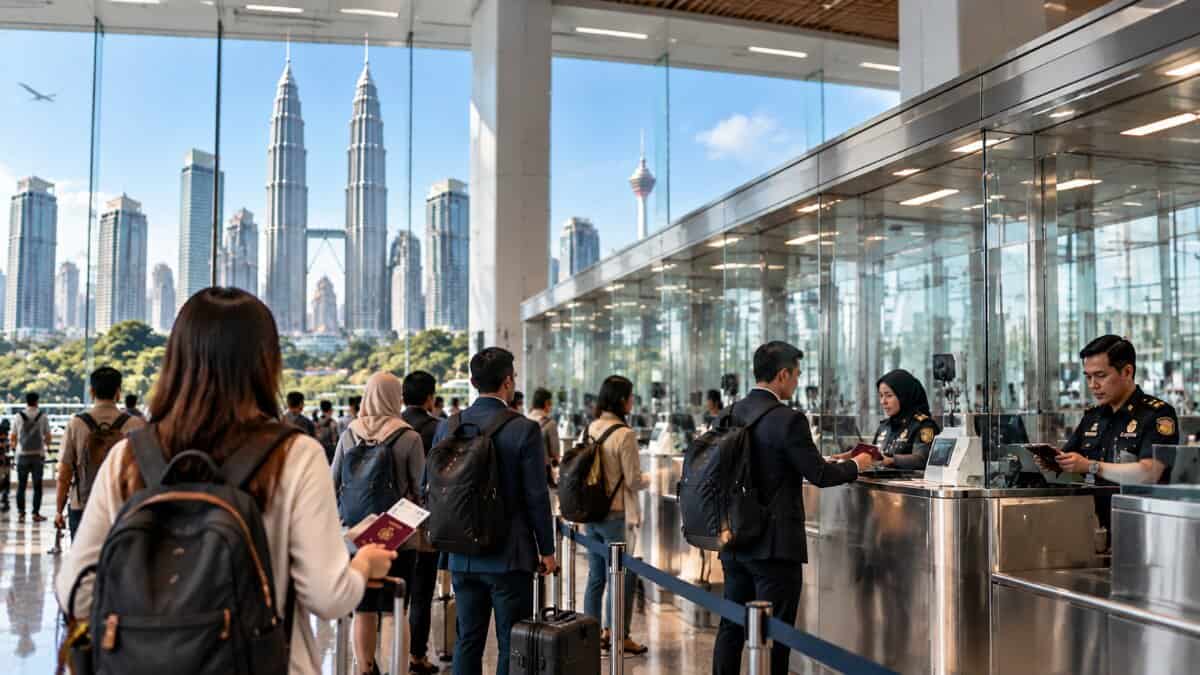
Malaysia has changed the way international travellers access its Multiple Entry Visa (MEV), ending automatic availability for all nationalities and introducing a more controlled eligibility framework. The Malaysian Immigration Department announced that MEV would no longer be available to all nationalities from September 2026, creating a new planning requirement for repeat visitors, business travellers and specialised travel segments. The policy shift places greater importance on visa purpose, traveller documentation and pre-trip preparation as Malaysia continues strengthening its international mobility management system.
Malaysia’s New Multiple Entry Visa Framework Signals A Shift From Open Repeat Travel To Purpose-Led International Mobility
Malaysia’s latest Multiple Entry Visa adjustment represents a significant change in how frequent international visitors plan repeated journeys to the country. Instead of treating repeated entry as a broadly available facility, the updated approach introduces stronger eligibility considerations linked to nationality and travel purpose.
Advertisement
Advertisement
The move is particularly relevant for travellers who previously relied on repeated short visits for business meetings, medical appointments, cruise connections, professional events and long-term tourism planning.
The key travel industry development is not only the visa restriction itself but the wider transition towards a more selective mobility model. Malaysia is placing greater emphasis on structured travel categories where repeat movement has a clear economic purpose.
Advertisement
Advertisement
For travel agencies, corporate travel managers and international visitors, the change means visa planning will become a more important part of the Malaysia travel journey.
Putrajaya Becomes The Centre Of Malaysia’s New Immigration Direction
Putrajaya is directly linked to the development because it is home to the Malaysian Immigration Department, the authority responsible for visa administration, entry procedures and immigration services.
Advertisement
Advertisement
The Immigration Department’s September 2026 announcement confirmed that MEV would no longer remain available for all nationalities, marking a shift in Malaysia’s visa management strategy.
Under Malaysia’s existing visa structure, the Multiple Entry Visa has traditionally allowed eligible foreign nationals to make several journeys during its validity period. The Immigration Department states that MEV is normally issued for periods ranging from three months to twelve months depending on eligibility and purpose.
Advertisement
Advertisement
The system requires travellers to demonstrate financial capability and provide confirmed return travel arrangements. Tour groups are not eligible for MEV applications under existing rules.
Malaysia MEV Changes At A Glance
| Area | Previous Understanding | Updated Position |
|---|---|---|
| Visa type | Multiple Entry Visa | Remains available under revised eligibility rules |
| Access | Wider availability depending on nationality | No longer available for all nationalities |
| Main users affected | Frequent repeat visitors | Business, medical, professional and repeat travellers needing careful planning |
| Application approach | General MEV access | More purpose and eligibility focused |
| Traveller requirement | Standard visa documentation | Greater importance on supporting documents |
Source: Malaysian Immigration Department.
Kuala Lumpur Travel Hub Faces New Planning Era For International Visitors
Kuala Lumpur is the second major city associated with this development because it remains Malaysia’s primary international business, tourism and aviation gateway.
Although the visa policy originates from immigration authorities in Putrajaya, the operational impact will be felt most strongly in Kuala Lumpur, where international travellers arrive for business meetings, conferences, healthcare services, shopping, leisure stays and onward regional travel.
Advertisement
Advertisement
The city’s position as a gateway makes visa accuracy increasingly important. A traveller arriving without the correct entry permission or supporting documents could face disruption before beginning their Malaysia journey.
The revised MEV environment is expected to encourage travellers and travel companies to review:
- visa category before booking;
- travel purpose documentation;
- passport validity;
- supporting financial evidence;
- return or onward travel arrangements.
The Malaysian Immigration Department requires travellers using eVISA facilities to provide key documents including passport validity, travel documents, accommodation details and supporting evidence when required.
Business Travel Gains Greater Importance Under Malaysia’s More Selective Visa Model
One of the biggest implications of the MEV adjustment is the potential impact on business mobility.
Malaysia remains a major Southeast Asian destination for corporate meetings, investment discussions, exhibitions and professional events. Frequent business visitors often depend on flexible entry arrangements because their travel schedules can change rapidly.
A more controlled MEV framework means companies may need stronger travel compliance systems.
Advertisement
Advertisement
Corporate travel departments may need to review:
| Business Traveller Requirement | New Planning Importance |
|---|---|
| Correct visa category | Ensures travel purpose matches immigration approval |
| Supporting documents | Helps demonstrate legitimate travel purpose |
| Passport validity | Prevents entry complications |
| Multiple trip scheduling | Requires earlier visa planning |
The policy change does not remove international business travel opportunities, but it increases the need for accurate preparation.
Medical Tourism And Specialised Travel Segments Need More Structured Visa Planning
Malaysia has developed a recognised healthcare travel sector supported by international patient services and specialised medical facilities.
The official Malaysia eVISA system includes medical travel arrangements for eligible applicants receiving treatment through approved healthcare channels. Medical travellers may need hospital appointment documentation and supporting paperwork during the visa process.
For medical travellers, the importance of correct visa selection becomes higher because treatment schedules may involve multiple consultations, follow-up appointments and longer planning cycles.
Travel operators handling medical tourism packages may need closer coordination between:
Advertisement
Advertisement
- hospitals;
- visa processing services;
- accommodation providers;
- airport transfer companies.
This creates a more integrated travel ecosystem where immigration compliance becomes part of the complete visitor experience.
Cruise Tourism Could Benefit From Clearer Purpose-Based Mobility Management
Cruise-linked travel is another sector where Malaysia’s visa framework has relevance.
International cruise passengers often combine air travel, hotel stays and sea journeys within a single itinerary. Destinations such as Kuala Lumpur and Port Klang serve as important access points for cruise-related tourism activities.
A structured MEV system could encourage travel companies to design clearer packages where traveller purpose, itinerary details and documentation requirements are aligned before departure.
For cruise operators and travel agents, the key requirement will be ensuring passengers understand whether their journey requires a visa, an exemption or another entry arrangement.
India And China Travellers Remain Important Markets Under Malaysia’s Visa Landscape
Malaysia’s international tourism strategy continues to include major Asian visitor markets.
Advertisement
Advertisement
The Immigration Department’s current visa information highlights specific arrangements for different nationalities. It notes that Indian and Chinese citizens have particular MEV eligibility provisions under social visit conditions, while other visa arrangements depend on nationality and purpose.
Malaysia’s eVISA information also outlines nationality-based eligibility requirements and confirms that visa processes differ according to traveller circumstances.
For travel companies serving Asian markets, the major operational lesson is that nationality alone is no longer enough to determine entry planning. Purpose, documentation and eligibility conditions must all be checked before travel.
What Travel Companies Need To Know About Malaysia’s MEV Changes
Travel agents, tour operators and corporate travel providers should consider the following operational actions:
- Verify the latest Malaysia visa category before confirming bookings.
- Avoid assuming previous MEV eligibility will continue under the updated framework.
- Collect supporting documents earlier for repeat travellers.
- Separate leisure, business, medical and professional travel requirements.
- Educate customers about passport validity and entry documentation.
- Maintain updated visa guidance for corporate and premium travellers.
- Coordinate with Malaysian immigration information channels before complex itineraries.
Malaysia’s Visa Strategy Reflects A Wider Global Trend Towards Controlled Travel Mobility
Malaysia’s MEV adjustment reflects a broader international trend where countries are increasingly balancing tourism growth with structured border management.
For travellers, the change does not represent the end of repeat visits but signals a move towards more organised mobility where travel purpose plays a larger role.
Advertisement
Advertisement
For the tourism industry, the development creates a need for stronger visa intelligence, better customer communication and more accurate pre-departure services.
As Malaysia continues developing its position as a regional tourism, business and healthcare destination, immigration planning will become an increasingly important part of international travel management.
Advertisement
