
Revolutionizing Tourism in Italy: How Artificial Intelligence and Federturismo Are Rewriting Travel Rules

Published
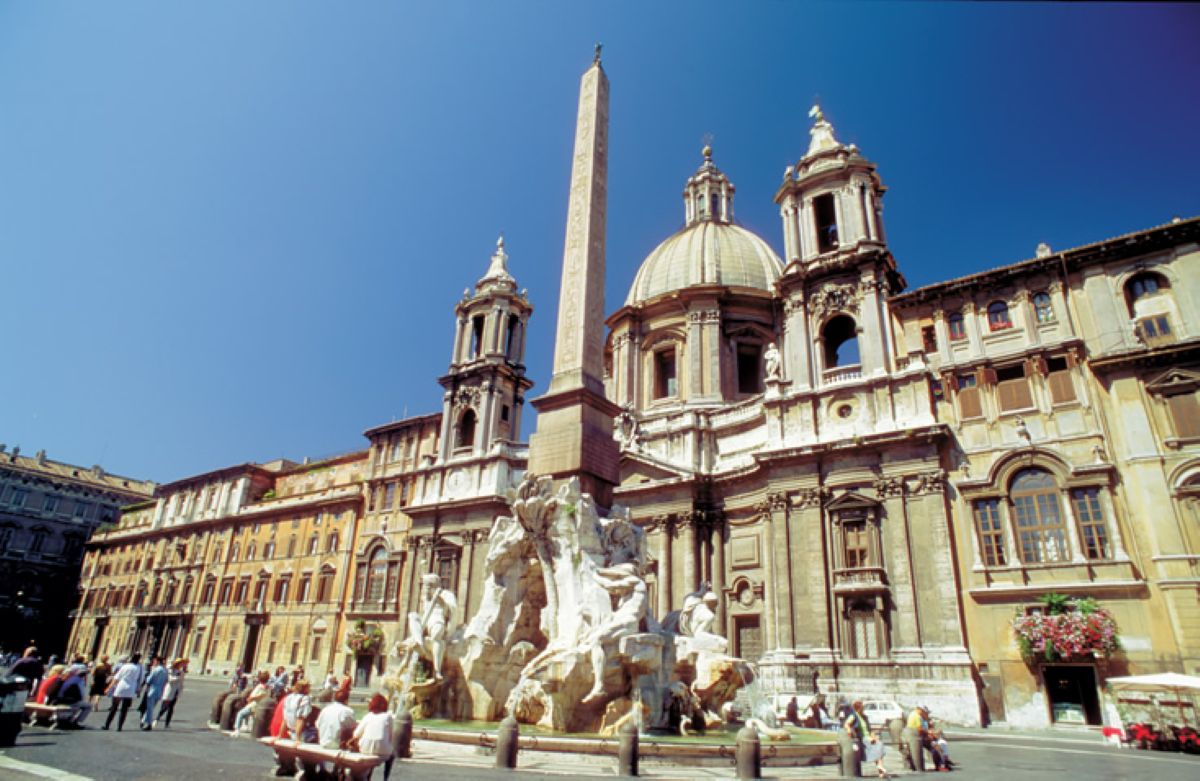
If you are planning a getaway to Europe, it is important to know that travel in Italy is changing radically and urgently. For decades, traditional holiday patterns have funnelled millions of visitors into narrow windows of time and space, overwhelming infrastructure and leaving enormous economic potential untapped. And a big strategic pivot to ensure a sustainable, prosperous future for the nation is underway as we speak. A comprehensive analysis that readers must read if they want to know how the global tourism benchmark is rewriting its own rules. For industry insiders, stakeholders and responsible travellers who want to experience the authentic pulse of the country without contributing to overtourism, understanding these structural changes is critical.
Unifying the Industry: The Vision of Federturismo Confindustria
A coordinated and integrated national policy is urgently required to engage all key players within the Italian tourism industry. This core objective drives Federturismo Confindustria, a comprehensive federation comprising 23 trade associations, six corporate members, and numerous regional associations. Through collaborative frameworks, a robust long-term strategy is currently being drawn up to lay the permanent foundations for sector-wide development and national prosperity.
Historically, fragmented regional approaches often led to uneven economic distribution and inefficient resource allocation. By uniting these diverse stakeholders under a single strategic umbrella, a cohesive national identity is forged. According to official economic reports from the Ministry of Tourism and national statistical institutes, unified governance significantly enhances competitiveness on the global stage. Industry leaders are systematically dismantling historical operational silos to ensure that every corner of the nation benefits equitably from visitor spending and infrastructural investments.
Deseasonalising Travel: Beyond the Traditional Holiday Cycle
The ultimate key to long-term sustainability is to deseasonalise the sector, spreading visitor arrivals evenly across all 365 days of the year and throughout the entire peninsula. For generations, the dominant narrative has been dictated by a rigid ‘summer-beach, winter-mountain’ equation. This binary model has historically created severe bottlenecks, straining local resources during peak months while leaving hospitality businesses underutilized during shoulder seasons.
Advertisement
Advertisement
To counter this, a wide variety of innovative holiday options are being actively encouraged throughout the year across the whole of Italy. Cultural itineraries, gastronomic tours, autumn harvest celebrations, and spring wellness retreats are heavily promoted to diversify the tourism portfolio. Data published by international tourism organizations highlights that shifting visitor flows away from peak periods substantially reduces environmental degradation, preserves historical monuments, and enhances the overall quality of the visitor experience. Travelers are thus invited to discover a more authentic, unhurried side of the country during off-peak times.
Integrating Artificial Intelligence into Labour-Intensive Markets
Modern challenges demand modern solutions, and the tourism sector is no exception. Because tourism is inherently a labour-intensive industry, workforce management remains a critical operational hurdle. To tackle the ongoing issue of employment and talent retention, advanced technological interventions are being rolled out nationwide.
Advertisement
Advertisement
The comprehensive strategic programme includes the integration of artificial intelligence to optimize workforce allocation, forecast visitor influxes, and streamline administrative hospitality workflows. AI-driven predictive analytics enable business owners to anticipate staffing needs accurately, mitigating the stress of sudden labour shortages. Furthermore, digital upskilling initiatives are being introduced to train local personnel in advanced service management. By marrying human hospitality with cutting-edge technological efficiency, the Italian tourism ecosystem ensures sustainable career paths for its workers while maintaining world-class service standards.
Cultivating Nationwide Prosperity and Equitable Growth
The ultimate goal of the strategic master plan is to achieve balanced economic prosperity throughout the country. Tourism should not only bring wealth to a few famous coastal strips or alpine peaks but also be a powerful engine for the development of less known inland municipalities, historic villages and emerging artistic centres.
Advertisement
Advertisement
Government policies and federation guidelines are well calibrated to ensure equitable distribution of investments. Secondary and tertiary destinations prioritise infrastructure improvements, digital connectivity upgrades and transport expansions. This inclusive approach guarantees that the rural economy develops along with the big metropolises. Throughout the process, visitors will be able to choose from a more varied menu of options, ensuring the magic of Italy is an enduring, sustainable and economically resilient one for generations to come.
Advertisement
