

Portugal’s Lisbon Unveils Stunning Autumn Cycling Adventures Across Sintra, Cascais, Monsanto Forest and Arrábida: All You Need to Know

Published
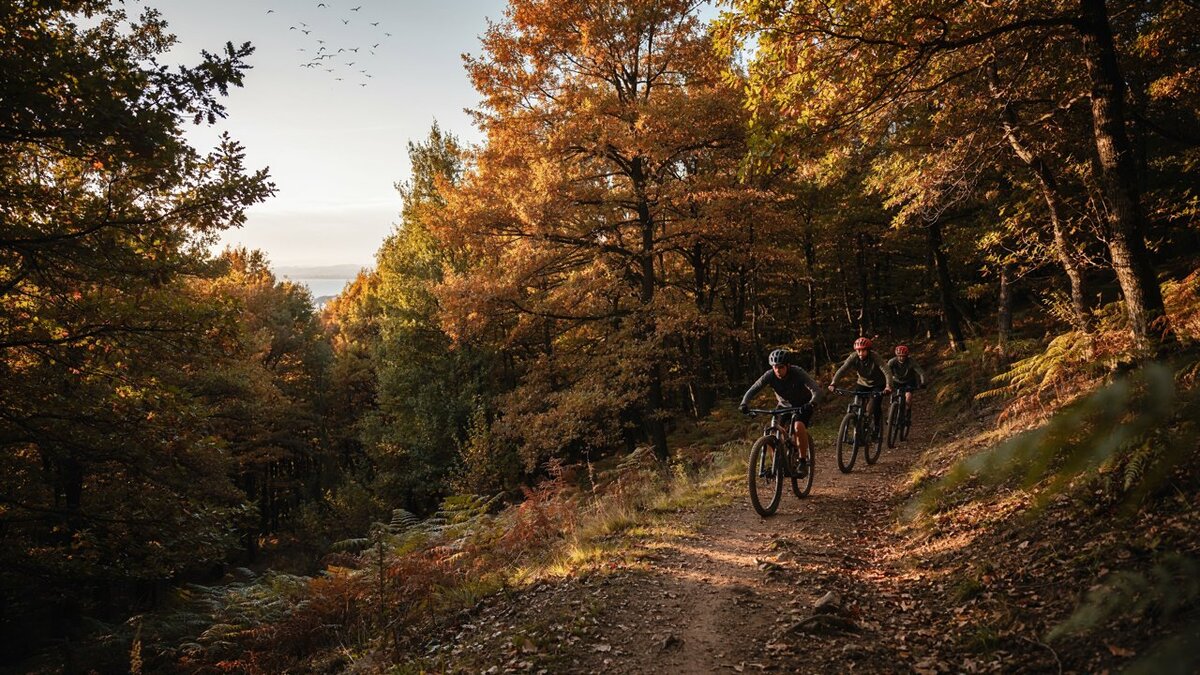
Portugal’s Lisbon is attracting attention as an exciting autumn cycling destination, offering travellers a remarkable combination of forest trails, rugged mountains, Atlantic coastal scenery and historic attractions. Beyond the capital’s famous streets, destinations such as Sintra, Cascais, Monsanto Forest Park and Arrábida provide opportunities for outdoor adventures in cooler seasonal conditions. From challenging mountain-bike terrain to peaceful coastal rides, the region caters to different cycling abilities. Visitors can also explore royal palaces, protected natural landscapes and traditional Portuguese towns. With its varied terrain and accessible transport connections, Lisbon offers an appealing alternative to conventional European autumn city breaks.
Why Is Lisbon an Appealing Autumn Cycling Destination in Portugal?
Lisbon’s geographical setting makes it particularly attractive for outdoor tourism. The capital lies close to the Atlantic Ocean, forested mountains and protected coastal landscapes, providing opportunities to explore different environments within a relatively compact region.
Advertisement
Advertisement
Autumn generally brings cooler temperatures than summer, making longer cycling excursions more comfortable. September and October can be especially appealing, although rainfall becomes increasingly likely as the season progresses.
The surrounding terrain offers everything from recreational cycling routes to demanding mountain-bike trails. Travellers can spend one day exploring Lisbon’s woodland parks and another discovering Sintra’s mountain scenery.
Advertisement
Advertisement
This combination of nature, adventure and cultural attractions makes the Portuguese capital a versatile destination for active holidays.
How Does Monsanto Forest Park Offer a Unique Cycling Experience Within Lisbon?
Monsanto Forest Park is one of Lisbon’s most important green spaces, providing a woodland environment within the metropolitan area.
Advertisement
Advertisement
The park features hills, recreational paths, viewpoints and forested landscapes that attract cyclists, walkers and nature enthusiasts.
Several routes offer different levels of difficulty, making the area suitable for a range of outdoor activities. However, visitors should confirm which paths permit cycling, as some are shared recreational routes rather than dedicated mountain-bike trails.
The Monsanto Green Corridor also connects parts of central Lisbon with the forest, supporting walking and cycling access.
For tourists, Monsanto offers an opportunity to experience Portugal’s natural surroundings without travelling far from the capital’s accommodation, restaurants and historic attractions.
Which Cycling Routes Can Visitors Explore in Monsanto Forest Park?
Lisbon City Council’s forest management documentation identifies several recreational routes with varying distances and difficulty classifications.
| Route | Distance | Difficulty |
|---|---|---|
| Corredor Verde | 2.3 km | Easy |
| Volta do Planalto | 7.5 km | Difficult |
| Rota da Água | 7.5 km | Easy |
| Seis Pedreiras | 3.4 km | Moderate |
| Montado de Monsanto | 3.5 km | Easy |
| Moinhos do Mocho | 4 km | Moderate |
| Rota da Biodiversidade | 13 km | Moderate |
| Alto do Duque | 4.3 km | Moderate |
These routes provide useful options for planning shorter excursions or longer outdoor experiences.
Advertisement
Advertisement
Visitors should check current municipal guidance, trail conditions and any temporary restrictions before setting out.
Why Are Sintra’s Mountains an Outstanding Attraction for Cycling Enthusiasts?
Sintra is one of Portugal’s most distinctive natural and cultural destinations. Its wooded mountains, winding roads and dramatic Atlantic views create an impressive setting for outdoor exploration.
The landscape contains steep gradients, rocky sections and forested terrain that can appeal to experienced mountain bikers where cycling is authorised.
Autumn brings cooler conditions and occasional mist, giving the mountains a different atmosphere from the dry summer months.
Sintra is also internationally recognised for its cultural heritage. Visitors can explore Pena Palace, the Moorish Castle and the historic town centre after completing their outdoor activities.
The area’s combination of challenging terrain, architectural landmarks and natural scenery makes it a particularly rewarding excursion from Lisbon.
Advertisement
Advertisement
What Makes Cascais and Cabo da Roca Essential Stops Along Portugal’s Atlantic Coast?
Cascais provides a coastal alternative to the mountainous landscapes surrounding Sintra.
The seaside town offers beaches, waterfront attractions and access to scenic roads overlooking the Atlantic Ocean. Cyclists seeking recreational journeys can explore suitable coastal routes while enjoying the region’s maritime atmosphere.
Nearby Cabo da Roca is another remarkable destination. Recognised as the westernmost point of mainland Europe, the headland offers dramatic cliffs and expansive ocean views.
The surrounding roads can be demanding because of gradients, traffic and strong coastal winds.
Visitors can combine Cascais, Colares and Cabo da Roca in a wider sightseeing itinerary, discovering traditional settlements and spectacular coastal landscapes along the way.
How Does Arrábida Natural Park Add Another Dimension to Portugal’s Cycling Tourism?
Arrábida Natural Park, south of Lisbon near Setúbal, offers a striking landscape of limestone mountains, Mediterranean vegetation and sheltered coastal waters.
Advertisement
Advertisement
The protected area contrasts with Sintra’s Atlantic-influenced forests, providing visitors with another distinctive environment for outdoor recreation.
Road cyclists can explore suitable routes through the surrounding region, while mountain biking is subject to protected-area regulations and access restrictions.
Arrábida is also celebrated for its beaches, including Portinho da Arrábida, Galapos and Figueirinha.
The region attracts travellers interested in nature, coastal sightseeing and wildlife.
Its combination of mountainous scenery and turquoise waters makes Arrábida a valuable addition to a multi-destination Lisbon holiday.
Which Other Portuguese Towns Can Travellers Explore During Their Cycling Holiday?
The wider Lisbon region offers several destinations worth including in an extended itinerary.
Advertisement
Advertisement
| Destination | Main attraction | Travel experience |
|---|---|---|
| Sintra | Palaces and forested mountains | Heritage and mountain scenery |
| Cascais | Atlantic coastline | Recreational cycling and beaches |
| Colares | Rural villages and vineyards | Countryside touring |
| Cabo da Roca | Ocean cliffs | Coastal sightseeing |
| Setúbal | Historic waterfront and gastronomy | Culture and nature |
| Palmela | Hilltop castle and vineyards | Heritage and rural exploration |
| Azeitão | Traditional food and wine | Culinary tourism |
| Sesimbra | Fishing-town heritage and beaches | Coastal recreation |
These destinations allow visitors to combine cycling with local gastronomy, historical sightseeing and nature-based tourism.
All are located within Portugal, making them suitable for a regional itinerary rather than a multi-country journey.
When Should Travellers Visit Lisbon for the Best Autumn Cycling Conditions?
September and October can offer comfortable cycling conditions, although weather varies considerably between coastal areas, urban Lisbon and the Sintra Mountains.
| Month | General conditions | Travel advice |
|---|---|---|
| September | Often warm with relatively long daylight | Carry water and avoid peak heat |
| October | Cooler with increasing rainfall potential | Prepare for changing trail conditions |
| November | Generally wetter with shorter days | Check forecasts and use waterproof clothing |
Cyclists should monitor official weather forecasts before departure.
Wet roots, slippery rocks and strong Atlantic winds can make certain routes more challenging, particularly in mountainous and exposed coastal areas.
How Can Travellers Plan a Memorable Five-Day Lisbon Cycling Holiday?
A five-day itinerary provides opportunities to explore the region’s contrasting landscapes while allowing time for cultural attractions.
Advertisement
Advertisement
| Day | Destination | Recommended experience |
|---|---|---|
| Day 1 | Lisbon and Monsanto | Urban sightseeing and forest cycling |
| Day 2 | Sintra | Mountain landscapes and historic palaces |
| Day 3 | Cascais and Cabo da Roca | Coastal riding and Atlantic viewpoints |
| Day 4 | Setúbal and Arrábida | Scenic roads, beaches and nature |
| Day 5 | Palmela and Azeitão | Countryside touring and local gastronomy |
Visitors should choose routes according to their fitness and experience.
Guided cycling excursions can be particularly useful for technical terrain and unfamiliar protected landscapes.
Rail services connect Lisbon with Sintra and Cascais, while southern destinations may require additional transport planning.
What Should Cyclists Know Before Exploring Portugal’s Natural Landscapes?
Safety and environmental protection are essential when cycling around Lisbon.
Travellers should use appropriate bicycles, wear helmets and carry sufficient water, repair equipment and weather-resistant clothing.
In protected areas, cycling may be restricted to authorised routes. Visitors should respect local signage, avoid disturbing wildlife and remain on permitted paths.
Advertisement
Advertisement
Road cyclists should remain alert to traffic, especially on narrow coastal and mountain roads.
Bicycle carriage rules on trains should also be checked before travelling.
Portugal’s emergency number is 112, while the national meteorological authority provides official weather information.
Frequently Asked Questions
1. Is Lisbon Suitable for Beginner Cyclists?
Yes. Lisbon offers recreational routes and urban cycling opportunities. Beginners should choose easier paths and avoid demanding technical mountain-bike terrain.
2. Can Visitors Explore Sintra and Cascais on the Same Trip?
Yes. Both destinations lie west of Lisbon and can be combined during a longer cycling or sightseeing itinerary.
3. Is Mountain Biking Allowed Throughout Arrábida Natural Park?
No. Cycling access depends on protected-area regulations and individual routes. Visitors should verify permissions before entering sensitive natural areas.
Advertisement
Advertisement
4. Can Travellers Rent Bicycles in Lisbon?
Yes. Bicycle rental services operate in Lisbon and surrounding tourist destinations. Availability, bicycle types and rental conditions should be confirmed before booking.
5. Is October a Good Month for Cycling in Portugal?
October can provide comfortable temperatures for outdoor activities, although rainfall, wind and shorter daylight hours require careful planning.
Conclusion: Lisbon Offers an Exciting New Perspective on Portugal’s Autumn Tourism
Lisbon’s surrounding landscapes make the Portuguese capital an attractive base for autumn cycling holidays. Monsanto offers accessible woodland recreation, Sintra delivers dramatic mountain scenery, Cascais introduces Atlantic coastal experiences, and Arrábida provides a remarkable combination of limestone hills and sheltered beaches.
Together, these destinations allow visitors to discover Portugal through outdoor adventure, cultural heritage and regional exploration. With appropriate planning and respect for environmental regulations, travellers can enjoy a varied cycling holiday that extends far beyond Lisbon’s familiar city attractions.
Advertisement
