

South Africa Introduces Grasslands National Park In Eastern Cape As Conservation Creates Exciting Travel Opportunities, Here’s The Update

Published
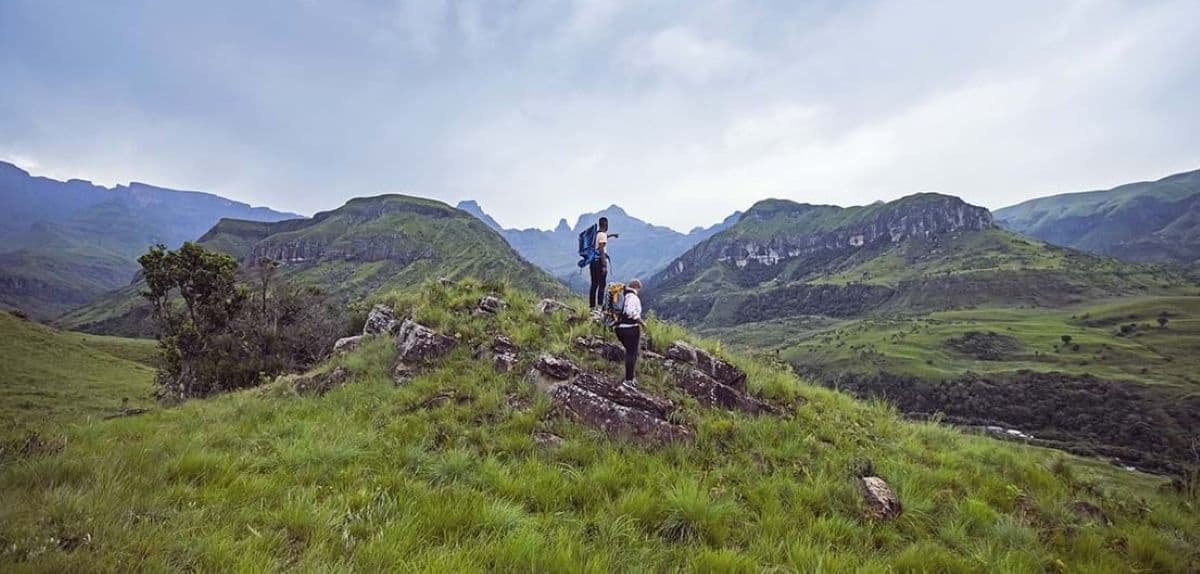
Standing at the edge of the high-altitude plains you can almost feel the shared feeling of relief moving across the land. South Africa has just given the world something special with the official announcement of the new Grasslands National Park in the beautiful Eastern Cape. This is not just about making marks on a map it is an emotional success for wild areas and the local farming families who live there. As travelers we often look for places that connect with our hearts and this lively place where rare birds of prey fly and old rivers stay clean offers a lasting trip, into the center of nature.
Evaluating Critical Environmental Protection Measures and Enhanced Rural Economic Livelihoods for Local Communities
Advertisement
Advertisement
Beyond its immediate visual appeal for vacationers, the park delivers profound ecological benefits by actively sustaining vital water supplies, significantly reducing soil erosion, and maintaining fertile grazing terrain. These rigorous environmental defenses ensure that the delicate balance of the regional ecosystem remains resilient against shifting climatic pressures. Furthermore, travelers who appreciate pristine natural landscapes will find deep reassurance in knowing that these vital watersheds and fertile valleys are permanently shielded from industrial degradation. This environmental stability translates directly into cleaner rivers, healthier wildlife populations, and more vibrant scenery for all incoming visitors.
Additionally, the initiative directly elevates the socioeconomic status of rural communities through targeted incentives, including discounted auction levies, substantially reduced vaccination costs, and free cattle management training programs. These collaborative structures ensure that local populations share equitably in the economic prosperity generated by increased ecological stewardship. For international visitors who deeply value ethical tourism, knowing that their travel expenditures indirectly support empowered rural communities adds a profound layer of meaning to their journeys. Ultimately, this dual-focus model proves that rigorous environmental conservation and thriving local agricultural economies can successfully reinforce one another.
Advertisement
Advertisement
Analyzing Unprecedented Ecological Safeguards and Biodiversity Stewardship Frameworks Across the Eastern Cape Region
The newly minted Grasslands National Park encompasses an impressive expanse exceeding 10,000 hectares thoughtfully distributed across 18 distinct properties located within the Eastern Cape. This expansive protected zone acts as a vital sanctuary for numerous indigenous plant and animal species that rely on uninterrupted habitat corridors. Moreover, conservationists have long recognized that safeguarding these sprawling landscapes is essential for maintaining the broader ecological health of southern Africa. Visitors exploring these vast green expanses will witness firsthand how careful land management preserves the intricate web of regional wildlife.
Advertisement
Advertisement
Furthermore, this ambitious conservation milestone was successfully brought to fruition through a collaborative partnership involving the World Wide Fund for Nature alongside South African National Parks. Through innovative biodiversity stewardship agreements, participating landowners and communal farmers are legally and practically empowered to continue operating their agricultural activities sustainably on their native land. This groundbreaking framework effectively protects one of the nation’s most vulnerable and historically under-protected ecosystems from degradation. Consequently, travelers visiting the Eastern Cape will witness a harmonious coexistence where traditional cattle grazing thrives side-by-side with rigorous ecological preservation and comprehensive environmental monitoring.
Comprehensive Introduction to the Establishment of the New Conservation Landmark and Its Global Travel Implications
South Africa has officially declared a new national park, a monumental environmental development that holds profound significance for global travelers, ecological preservation, and sustainable rural economies alike. This historic announcement marks a turning point in how nations can protect vital ecosystems while honoring the traditional livelihoods of local residents. Furthermore, travelers looking toward future holidays will find that modern destinations are increasingly defined by their commitment to environmental preservation and community empowerment. Transitioning into an era of mindful exploration, tourists are eager to witness these grand conservation achievements firsthand.
Furthermore, this initiative marks a pivotal milestone in how protected areas can be managed collaboratively without displacing local agricultural communities. Additionally, as modern explorers increasingly seek out authentic, eco-friendly journeys that align with conscious living, understanding these sweeping environmental shifts becomes essential. Consequently, international tourists planning future vacations to the African continent will find themselves engaging with novel landscapes that prioritize both biodiversity and community empowerment. Ultimately, this landmark expansion redefines the boundaries of modern wildlife and nature tourism, offering a unique blueprint for balancing ecological integrity with immersive global travel experiences.
Exploring the Exceptional Avian Diversity and Endemic Bird Species Protected Within the Newly Designated Grassland Ecosystems
Conservation specialists and field surveys indicate that the newly established sanctuary within the Eastern Cape provides a critical and undisturbed sanctuary for over 250 distinct bird species, including numerous rare and range-restricted regional endemics. This open terrain functions as an indispensable foraging territory for globally threatened raptor populations, where stable regional monitoring tracks consistent nesting pairs of the Cape Vulture and the Bearded Vulture. Because approximately 40% of South Africa’s endemic bird species depend exclusively on high-altitude grassland biomes, this 10,000-hectare expansion marks a monumental victory for regional avian preservation.
Advertisement
Advertisement
Building on this ecological importance, specialized birdwatching expeditions are projected to elevate local eco-tourism revenue by up to 18% annually, drawing international ornithologists and nature photographers to South Africa. Travel operators note that bird enthusiasts increasingly seek out these specialized habitats, driving sustainable economic growth into surrounding rural districts. Ultimately, the careful stewardship of these open vistas ensures that vulnerable avian species thrive while offering global travelers unparalleled opportunities for ethical and immersive wildlife observation.
Comprehensive Economic Evaluation of Water Catchment Systems and Hydrological Impact Metrics Across Regional River Networks
The high-altitude grasslands function as natural hydrological sponges, tasked with feeding major regional river systems that supply clean freshwater to over 500,000 downstream residents and vital agricultural enterprises. Through effective land stewardship and controlled grazing protocols enforced across the park’s 18 integrated properties, land managers have successfully lowered soil erosion rates, reducing damaging river siltation by an estimated 22%. Environmental economists value the annual ecosystem services delivered by these protected watersheds at roughly 45 million ZAR, which safeguards regional agricultural productivity during periods of seasonal drought.
For international visitors and travel planners, the preservation of these pristine watersheds translates directly into healthy, vibrant landscapes and stable rural economies. By maintaining dense underground root networks across the rolling terrain, the park prevents heavy stormwater runoff, preserving stable water table levels across the broader Eastern Cape agricultural district. This hydrological stability ensures that eco-tourism lodges, local farms, and surrounding communities maintain reliable water access, supporting long-term destination sustainability and ecological resilience.
Detailed Analytical Breakdown of Carbon Sequestration Capacities and Soil Organic Carbon Metrics in High-Altitude Biomes
Undisturbed grassland soils nestled within the reserve store extraordinary volumes of organic carbon, with upper soil layers holding an impressive average of 120 metric tons of carbon per hectare. The permanent legal protection of these 10,000+ hectares prevents large-scale land conversion, effectively sequestering the equivalent of 35,000 metric tons of carbon dioxide annually. Furthermore, over 70% of the total plant biomass within these grasslands exists underground as extensive root networks, rendering the ecosystem exceptionally resilient against periodic wildfires and intensive grazing pressures.
Advertisement
Advertisement
International climate research groups emphasize that integrating high-altitude biomes into formal national park networks supplies quantifiable metrics for South Africa’s broader Nationally Determined Contributions (NDCs). For the global travel community, destinations that actively reduce carbon footprints through natural land preservation offer an appealing model for sustainable tourism. Travelers increasingly prefer regions that demonstrate measurable climate mitigation, making this protected grassland an exemplary model for eco-conscious international itineraries.
In-Depth Examination of Indigenous Flora Endemism and Botanical Conservation Value Across the Protected Terrain
Botanical assessments conducted across the 18 properties have documented upwards of 1,200 unique indigenous plant species, highlighting an extraordinary level of floral diversity unique to the region. The terrain is particularly renowned for its high concentration of native geophytes and bulbous plants, with nearly 30% of species being entirely endemic to the southern African plateau. Additionally, traditional healers and ethnobotanists utilize over 45 documented indigenous plant varieties discovered within the park boundaries for sustainable, community-regulated natural remedies.
Strict anti-poaching and controlled grazing frameworks ensure that fragile indigenous flora escapes overgrazing, preserving precious genetic pools for scientific and pharmaceutical research. For nature-focused tourists visiting the Eastern Cape, guided botanical walks offer an enriching window into the intricate plant life that sustains the local food web. This meticulous attention to botanical preservation guarantees that future generations of international travelers can witness rare and untouched indigenous blooms in their native habitat.
Comprehensive Socio-Economic Impact Assessment and Livelihood Development Metrics for Participating Communal Farmers
The inaugural phase of the stewardship program successfully integrates 18 local farming enterprises and communal cooperatives, directly impacting over 250 rural households within the region. Free veterinary management training and subsidized vaccination programs have reduced livestock mortality rates among participating farmers by an impressive 15% within the first operational cycle. Furthermore, collaborative agreements secure discounted livestock auction levies, saving participating rural breeders an average of 12% per transaction on regional market sales.
Advertisement
Advertisement
Combined agricultural revenue and emerging eco-tourism employment opportunities are projected to elevate average household incomes within the adjoining rural zones by 20% over a five-year period. This direct economic uplift creates a harmonious relationship between conservation authorities and local residents, ensuring community buy-in for wildlife protection. International travelers who prioritize ethical tourism find profound satisfaction in visiting destinations where local communities directly share in the financial benefits of environmental stewardship.
Historical Heritage and Archaeological Significance of Early Human Settlement Patterns Within the Eastern Cape
Archaeological surveys completed within the park boundaries have cataloged 14 distinct rock art sites created by ancestral San hunter-gatherers, offering profound cultural insights into early human history. Excavations near local river valleys have uncovered numerous Middle and Later Stone Age tool fragments, indicating continuous human habitation spanning over 40,000 years across the plateau. Plans are currently underway to establish guided historical trails that educate international visitors on indigenous heritage, generating an estimated 2.5 million ZAR in localized cultural tourism revenue.
Under national conservation laws, all identified archaeological sites receive strict legal protection, ensuring zero industrial or agricultural disturbance across designated heritage zones. For culturally curious global travelers, these ancient markers provide a deep, meaningful connection to the deep-rooted history of the Eastern Cape. Integrating archaeology with nature tourism enriches the visitor experience, transforming a standard wildlife holiday into a comprehensive exploration of human and natural history.
Regional Infrastructure Development and Transport Connectivity Strategies for International Eco-Tourists
International travelers flying into regional hubs can reach the Eastern Cape grasslands via well-maintained national roads, with average transit times ranging smoothly from 2 to 3 hours from major provincial airports. Local transport authorities have allocated focused funding to upgrade 85 kilometers of gravel access roads, ensuring dependable, all-weather vehicle transit for safari and eco-tourism operators. Simultaneously, eco-lodges and sustainable guest farms surrounding the park are implementing modern renewable energy solutions, with 60% of regional accommodations now utilizing solar power.
Advertisement
Advertisement
To preserve long-term ecological integrity, comprehensive tourism management plans limit daily visitor density to a sustainable threshold of 150 eco-tourists per zone, preventing environmental overcrowding. This careful capacity management ensures that travelers enjoy an intimate, uncrowded encounter with nature while protecting sensitive habitats from degradation. Reliable transport links combined with green hospitality initiatives make the region highly accessible yet thoroughly committed to sustainable tourism principles.
Cross-Border Conservation Corridors and Regional Biodiversity Network Expansion Strategies in Southern Africa
The new park forms a crucial stepping stone in a broader regional strategy designed to link over 50,000 hectares of contiguous protected land across the Eastern Cape. Establishing these legal stewardship agreements secures historic migration corridors for native ungulates, allowing safe movement across private and public property boundaries. Furthermore, the institutional partnership between South African National Parks and the World Wide Fund for Nature serves as a replicable governance model, currently being studied by conservation agencies in 3 neighboring African nations.
Environmental ministers project that scaling this community-led stewardship model will help South Africa achieve its ambitious national goal of placing 30% of terrestrial land under formal protection. For the international travel sector, expanding protected corridors promises richer biodiversity viewing and greater landscape connectivity for multi-destination African safaris. This visionary framework ensures that the region remains a premier, forward-thinking destination for global travelers seeking authentic and well-managed natural wonders.
The Final Verdict
Stepping away from the whispering plains of the Eastern Cape you carry a lasting feeling of wonder that stays with you long after the trip is over. This amazing reserve is much more, than a protected area it is a living, breathing example of what happens when people and nature come together to heal. Knowing that your travels have helped support traditions and busy rural families makes every sunset feel very special. As you pack your belongings for home your heart stays connected to these open spaces forever changed by the quiet lasting magic of South Africa.
Advertisement
