
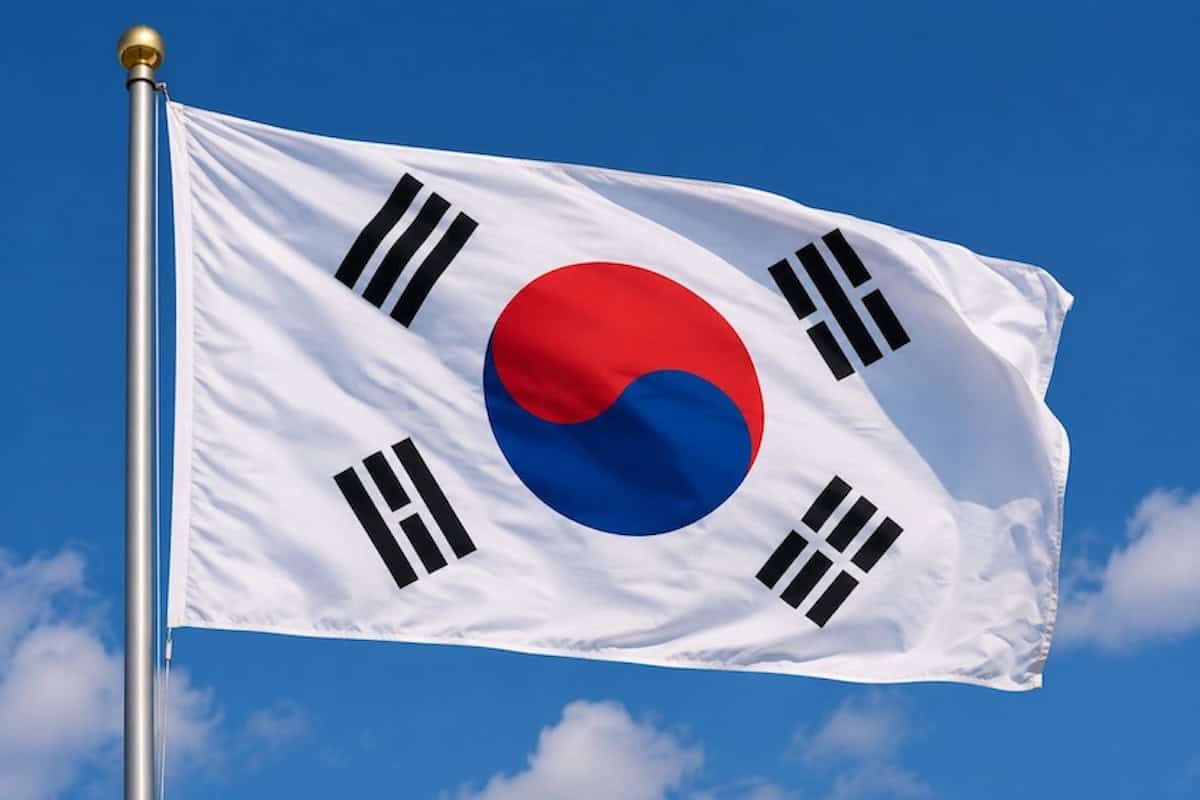
Image generated with Ai
South Korea is becoming a favourite destination for travellers who want more than city sightseeing. Beyond the bright streets of Seoul and famous entertainment attractions, the country offers a rich collection of festivals, landscapes and cultural experiences.
For international visitors, Korea’s festivals provide an opportunity to explore local traditions, regional flavours and scenic destinations. These events allow travellers to experience the country’s heritage while discovering places that often remain outside traditional tourist routes.
Advertisement
From peaceful flower landscapes to energetic cultural celebrations, South Korea presents different travel experiences throughout the year.
Travelling through Korea during festival seasons allows visitors to connect with local communities and traditions. Many regional celebrations highlight the history, nature and lifestyle of different provinces.
Advertisement
Advertisement
Unlike typical sightseeing experiences, festivals create opportunities for travellers to participate in cultural activities. Visitors can enjoy traditional performances, local food, craft demonstrations and community events.
These celebrations also encourage tourists to explore smaller towns and rural areas. Such destinations offer a slower pace of travel and a closer look at everyday Korean life.
For travellers seeking meaningful experiences, Korea’s festivals provide a perfect combination of culture and adventure.
South Korea’s natural beauty changes dramatically with every season. Flower festivals have become popular attractions for visitors who want scenic landscapes and memorable photography opportunities.
Advertisement
Advertisement
During spring and summer, many regions transform into colourful destinations filled with blooming gardens and outdoor activities.
One of the attractive experiences for travellers is exploring areas known for lotus fields, gardens and countryside landscapes. These destinations offer peaceful environments away from busy city centres.
Visitors can enjoy walking trails, local food stalls and cultural programmes while experiencing Korea’s connection with nature.
For international tourists, these flower festivals create opportunities to discover another side of South Korea beyond famous landmarks.
Each season introduces new travel opportunities across the country.
Spring brings beautiful flowers and outdoor events. Summer attracts visitors with coastal festivals, cultural performances and lively celebrations. Autumn offers colourful landscapes, while winter provides unique seasonal experiences.
This year-round festival culture makes Korea an attractive destination for travellers planning holidays at different times.
Tourists can design their journeys around specific interests, including food festivals, traditional events, nature experiences or cultural celebrations.
The variety of events means every visit can offer something different.
Seoul remains one of Asia’s most exciting cities, but many unforgettable Korean experiences are located outside the capital.
Regional destinations across South Korea offer beautiful coastlines, historic villages, mountain landscapes and traditional communities.
Areas such as Jeollanam-do, Gangwon-do, Busan and Jeju Island provide different perspectives of Korean culture and nature.
Exploring these destinations allows travellers to experience local lifestyles and discover attractions that are less crowded.
For tourists who prefer authentic journeys, regional travel creates deeper connections with the country.
Korean festivals are not only celebrations. They represent the identity and history of each region.
Many events include traditional music, dance performances, historical displays and local cuisine. These activities help visitors understand the stories behind each destination.
Food is another important part of Korean festival experiences. Travellers can discover regional dishes, traditional snacks and unique flavours connected with local communities.
For many visitors, tasting regional food becomes one of the most memorable parts of their Korean journey.
These experiences allow tourists to enjoy Korea through all their senses.
Modern travellers are increasingly searching for destinations that provide authentic experiences. Korea’s regional festivals match this growing interest by combining culture, nature and community connections.
Instead of visiting only famous attractions, tourists can create more diverse itineraries by including festivals and smaller destinations.
A journey that combines Seoul’s modern energy with regional cultural experiences offers a complete view of South Korea.
Visitors can enjoy advanced urban attractions while also discovering traditional lifestyles and natural beauty.
International travellers should check festival schedules before planning their trips because event dates may vary each year.
It is also recommended to reserve accommodation early during popular celebrations. Major festivals can attract visitors from across Korea and around the world.
Using Korea’s efficient transportation network can help tourists reach regional destinations comfortably. Trains and public transport connections make exploring different areas easier.
Travellers should also keep time for unexpected discoveries. Local markets, small villages and regional attractions often become highlights of a Korean holiday.
Korea’s festivals and attractions provide global travellers with fresh reasons to explore the country.
From colourful celebrations and natural landscapes to cultural traditions and regional adventures, South Korea offers experiences for every type of visitor.
The country’s growing festival culture allows tourists to move beyond traditional sightseeing and discover authentic Korean stories.
For travellers looking for a destination that combines modern innovation with deep cultural roots, South Korea continues to create unforgettable journeys throughout the year.
Advertisement
Tags: Korea Festivals and Attractions, korea tourism, Korea travel guide, Korean cultural festivals, places to visit in Korea
Advertisement
Advertisement












Saturday, September 5, 2026

Saturday, September 5, 2026

Saturday, September 5, 2026

Saturday, September 5, 2026

Saturday, September 5, 2026
Saturday, September 5, 2026

Saturday, September 5, 2026
Saturday, September 5, 2026



