

Southwest Flight WN759 Aborts Departure in the US After Boeing 737 MAX 8 Reports Heavy Landing Gear Smoke

Published
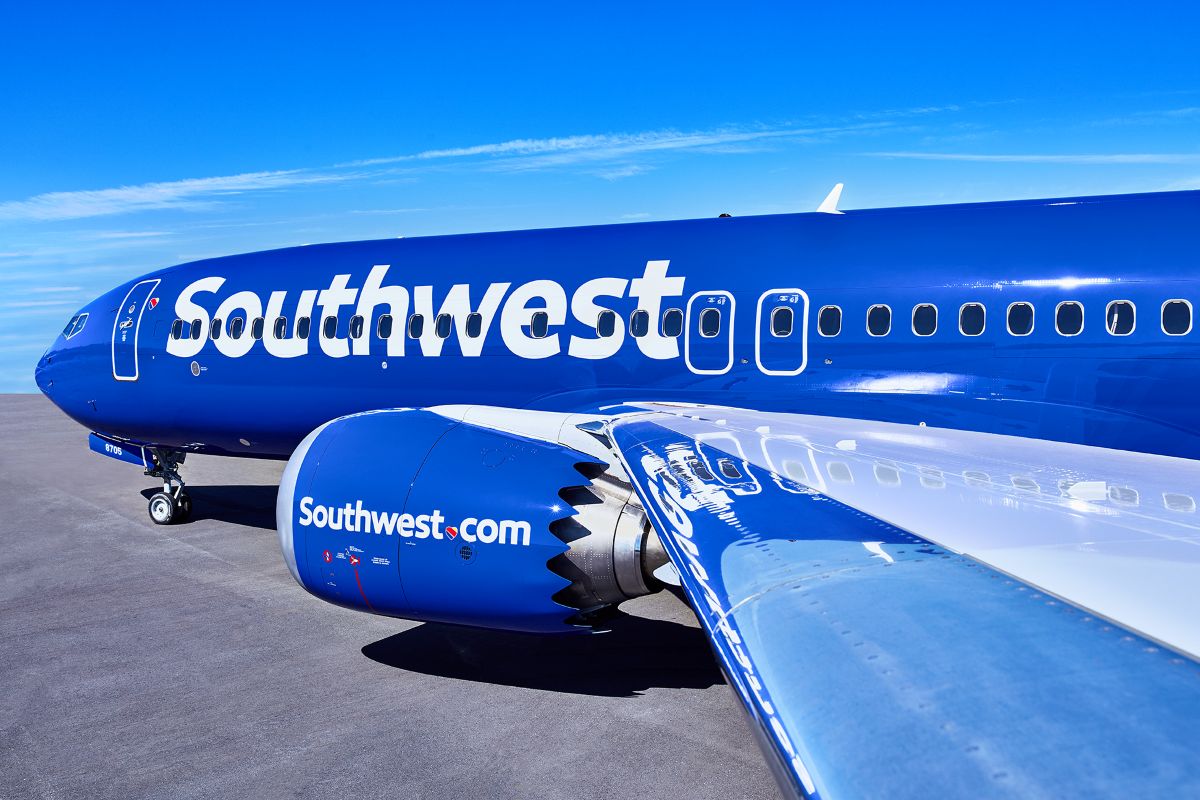
Southwest Airlines flight WN759 returned to the gate at Harry Reid International Airport in Las Vegas on 9 October after pilots reported heavy smoke from the aircraft’s right main landing gear. The Boeing 737 MAX 8 was scheduled to fly to Chicago Midway International Airport, but the crew abandoned its departure preparations before reaching the runway. Airport emergency personnel responded as reports raised concerns about a possible landing gear fire, damaged brake components and fluid on the taxiway. However, Southwest said it had received no reports of a fire and identified a possible hydraulic issue as a concern. Passengers transferred to a replacement aircraft, which departed at 4.44 pm local time, more than four hours after the scheduled departure.
The disruption pushed the journey beyond its original timetable, with the replacement aircraft reportedly reaching Chicago Midway at 9.40 pm. The incident highlights the operational consequences of suspected aircraft braking or hydraulic problems, even when they emerge during taxiing. Although the available account reported no passenger injuries, the precise cause remained unconfirmed. For travellers, the episode illustrates why crews must investigate unusual smoke before allowing an aircraft to proceed towards take-off.
Smoke Reports Prompt Immediate Ground Response
The incident came to light when the crew of another Southwest aircraft, flight WN334, alerted air traffic control. That aircraft was bound for William P. Hobby Airport in Houston. Its pilots reported that the right landing gear of the aircraft ahead appeared to be on fire and requested airport fire trucks.
Further radio communications described heavy smoke rising from the right main landing gear. Another observation suggested brake material had broken away, while fluid appeared along the taxiway. These reports raised concerns about a potential problem involving the braking assembly or hydraulic system.
Advertisement
Advertisement
The observations prompted a cautious response, although they did not establish the underlying fault. Southwest subsequently distinguished the initial reports from its own account, stating that it had received no reports of a fire. The airline identified a possible hydraulic issue as a concern, but the available information did not confirm a leak or brake failure.
Ground crews arranged for the aircraft to return to the terminal. Passengers then left the affected aircraft and boarded a replacement for their onward journey. The aircraft did not reach the runway, and the supplied report recorded no injuries.
Advertisement
Advertisement
Why Landing Gear Smoke Matters
Smoke from an aircraft’s landing gear warrants immediate attention because several components operate in a confined area around the wheels. These include the brakes, tyres, hydraulic equipment and associated assemblies. An unusual smell, visible smoke or evidence of fluid leakage can indicate a condition requiring technical inspection.
Aircraft brakes generate considerable heat during operation, particularly after landing. However, smoke observed during taxiing does not, by itself, establish overheating or mechanical failure. Investigators and maintenance personnel must establish the source before drawing conclusions.
Advertisement
Advertisement
A hydraulic leak represents one possible explanation for smoke around hot components. If hydraulic fluid reaches a sufficiently hot surface, it may produce smoke or create a fire hazard under certain conditions. Nevertheless, there is no confirmed evidence that hydraulic fluid caused this incident.
The distinction between a suspected fault and an established cause matters to both passengers and aviation reporting. A pilot’s observation provides an important warning, but it does not replace a maintenance assessment or formal investigation.
The Federal Aviation Administration (FAA) uses safety-management examples to explain how seemingly minor observations during taxiing can signal more serious hazards. Its guidance highlights the importance of identifying potential defects before an aircraft continues into flight operations.
How the Delay Affected Chicago Travellers
The operational consequences extended beyond the aircraft inspection. Southwest needed to arrange another aircraft, transfer passengers and restart the journey to Chicago Midway. Each step added time to a flight that had already missed its planned departure.
Advertisement
Advertisement
According to the flight-tracking details cited in the original report, the replacement service left Las Vegas at 4.44 pm local time. Its scheduled departure had been 12.15 pm, creating a departure delay of approximately four hours and 29 minutes.
The replacement aircraft reportedly arrived at Chicago Midway at 9.40 pm. The scheduled arrival time was 5.45 pm, leaving passengers approximately three hours and 55 minutes late at their destination.
| Flight detail | Reported information |
|---|---|
| Airline | Southwest Airlines |
| Flight number | WN759 |
| Aircraft involved | Boeing 737 MAX 8 |
| Departure airport | Harry Reid International Airport, Las Vegas |
| Destination | Chicago Midway International Airport |
| Scheduled departure | 12.15 pm local time |
| Replacement departure | 4.44 pm local time |
| Scheduled arrival | 5.45 pm local time |
| Reported arrival | 9.40 pm local time |
| Departure delay | Approximately 4 hours 29 minutes |
| Arrival delay | Approximately 3 hours 55 minutes |
| Reported injuries | None in the supplied account |
Times and delay calculations are based on the original report. The airline did not disclose the number of passengers aboard.
For travellers, arrival delays can matter more than departure delays. A late evening arrival may disrupt onward ground transport, hotel check-in, connecting travel arrangements and planned activities. Passengers with separate onward bookings may face additional costs if they miss a connection.
The available information does not establish whether any individual passenger missed a connection or incurred extra expenses. However, the episode demonstrates how a technical concern on one aircraft can affect an entire travel itinerary.
What the Replacement Aircraft Means
Southwest arranged a replacement Boeing 737 MAX 8 to operate the delayed service. The substitution allowed the airline to continue transporting passengers without waiting for the original aircraft to be cleared for service.
Advertisement
Advertisement
Airlines routinely maintain operational procedures for aircraft substitutions, technical inspections and schedule recovery. However, replacing an aircraft requires coordination among flight crews, maintenance teams, ground handlers and airport operations. The availability of a suitable aircraft also depends on the wider fleet schedule.
The incident illustrates a key distinction in airline operations: resolving the immediate technical concern does not automatically restore the original timetable. Crew availability, aircraft positioning, boarding procedures and air traffic conditions can influence how quickly a delayed flight resumes.
Southwest did not disclose the passenger count for the affected service in the supplied account. The Boeing 737 MAX 8 can accommodate up to 175 passengers in certain configurations, but that figure should not be treated as the actual load on this flight.
Nor does the substitution establish the condition of the original aircraft. The available report did not confirm when it would return to service or whether investigators would examine the reported brake damage.
How the FAA Oversees Ground Safety
Aircraft safety procedures apply throughout a journey, not just during take-off and landing. Taxiing involves moving aircraft through busy airport environments, where pilots must coordinate with air traffic control and remain alert to other aircraft, vehicles and potential hazards.
The FAA’s Advisory Circular AC 120-74B provides guidance on flight crew procedures during taxi operations. It addresses standard operating procedures intended to support safe ground movements and reduce runway-incursion risks. Although it is not a finding about this particular incident, it provides useful context for understanding the importance of disciplined ground operations.
Advertisement
Advertisement
In this case, the aircraft stopped before reaching the runway. That detail matters because the crew did not proceed with the planned departure after the smoke was reported.
The available account does not establish whether the FAA or the National Transportation Safety Board (NTSB) subsequently opened an investigation. It also does not establish whether the incident met the criteria for a mandatory report under applicable aviation regulations.
Consequently, readers should distinguish between an operational disruption, a suspected technical fault and a formally investigated safety event. Each describes a different stage of the process, and the available evidence supports only the first two.
What Passengers Should Do During Delays
Passengers facing an unexpected aircraft substitution should monitor airline notifications and confirm their revised departure and arrival details. They should also retain boarding passes and relevant booking information, particularly if the disruption affects onward travel.
Travellers with separate train tickets, hotel reservations or connecting flights should contact the relevant providers as early as possible. Where an onward booking is time-sensitive, it is sensible to check alternative arrangements rather than assume the revised arrival will remain unchanged.
Passengers should also keep receipts for reasonable additional expenses caused by the disruption. Whether an airline must reimburse those costs depends on the circumstances, the applicable contract and the relevant passenger-protection rules.
Advertisement
Advertisement
For this Las Vegas–Chicago flight, the supplied account does not establish the precise contractual or legal obligations arising from the delay. Therefore, travellers should seek confirmation directly from Southwest rather than assume a particular compensation entitlement.
Most importantly, passengers should follow crew instructions during any aircraft-related safety event. Smoke reports and suspected mechanical problems require trained personnel to assess the situation. Travellers should not attempt to diagnose the cause themselves or disregard instructions while waiting for a replacement service.
What the Incident Reveals for Airlines
The disruption underscores the operational importance of early fault detection, effective communication and contingency planning. Although no injuries were reported, the response required coordination between flight crews, air traffic control, airport emergency personnel and airline ground teams.
For airline operators, the episode also illustrates the trade-off between schedule reliability and precautionary decision-making. Continuing a departure without resolving a suspected technical problem could introduce avoidable risks. Returning an aircraft to the gate, by contrast, can cause significant delays but allows qualified personnel to assess the reported condition.
There is no verified evidence that this event indicates a broader defect affecting the Boeing 737 MAX 8 fleet. Establishing such a connection would require technical findings or relevant safety data. The incident should therefore be assessed on its own evidence rather than used to draw conclusions about the aircraft type.
What Travellers Should Take Away
The Southwest flight WN759 disruption in Las Vegas demonstrates how a suspected mechanical problem can transform a routine domestic journey into a lengthy delay. The crew’s decision to stop the departure process allowed the aircraft to be taken out of operations while the airline arranged a replacement. However, the precise cause of the smoke remains unconfirmed, and the available information does not establish a wider safety issue. Travellers flying through busy airports should keep their contact details updated, monitor airline notifications and allow flexibility around onward bookings. For Southwest passengers, the central lesson is straightforward: schedule reliability matters, but a suspected aircraft fault must be assessed before departure.
Advertisement
