
Europe Travel Alert: Americans Face New Biometric Border Process at 29 Schengen Destinations

Updated
Published
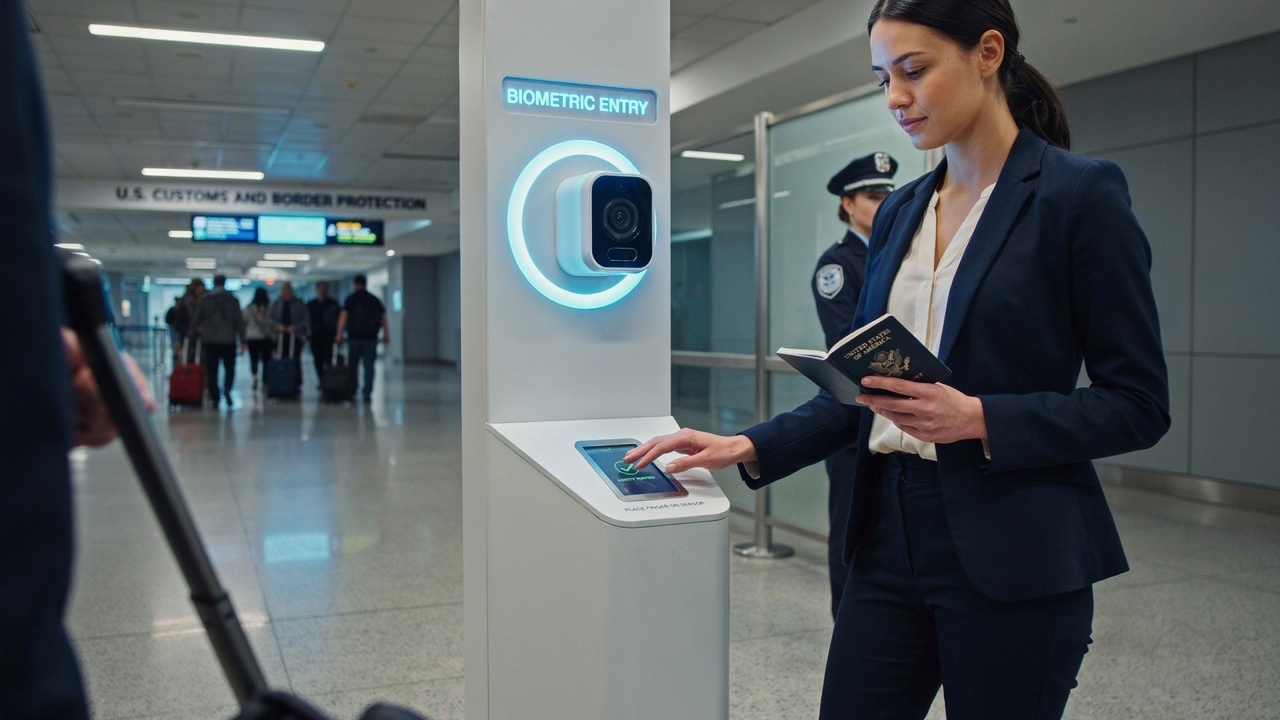
Image generated with Ai
Europe Travel is entering a new border-control era as the European Union’s Entry/Exit System introduces biometric registration for non-EU short-stay visitors, including Americans. The system became fully operational across the external borders of 29 European countries on 10 April 2026. It replaces traditional passport stamping with digital records and records travel-document information, fingerprints and facial images. While the European Commission says the system is operating efficiently overall, travellers and airports have reported longer queues at some major gateways during the adjustment period. For Americans planning European holidays, the practical change is simple: allow additional time for external Schengen border processing. Migration and Home Affairs
Europe Travel Changes as EES Replaces Passport Stamps
The European Union’s Entry/Exit System, or EES, represents one of the biggest changes to European border processing in years.
Advertisement
Advertisement
The system applies to non-EU nationals visiting the 29 European countries using EES for short stays of up to 90 days in any 180-day period. It records passport and travel-document information, fingerprints, facial images and details of entry and exit. Migration and Home Affairs
The EES began its progressive rollout on 12 October 2025 before becoming fully operational on 10 April 2026. Passport stamping is being replaced by electronic records for travellers covered by the system. Migration and Home Affairs
Advertisement
Advertisement
For American holidaymakers, this means the first entry into the EES system can involve biometric registration.
Subsequent crossings generally involve verification of the traveller’s existing record rather than repeating the full initial registration process. Migration and Home Affairs
Advertisement
Advertisement
The change is designed to modernise border management, improve identification and automatically detect overstays.
Why Americans Are Reporting Longer Europe Travel Delays
The implementation has not been equally smooth at every airport.
Advertisement
Advertisement
A Newsweek report, republished by Yahoo Travel, documented experiences from American travellers who encountered queues and inconsistent processing at Brussels and Madrid airports after the system became fully operational. Yahoo Travel
One traveller reported long queues at Brussels, where some biometric kiosks were still being installed or were unavailable. Manual processing was consequently required in some cases. Another traveller reported that a family member nearly missed a flight at Lisbon because of EES-related queues. Yahoo Travel
Brussels Airport acknowledged that the EES rollout had resulted in longer waiting times and said it was working with federal police while expanding registration kiosks and e-gates. Madrid airport operator Aena said border control remains the responsibility of national police while the airport provides operational support and equipment. Yahoo Travel
The European Commission, however, has stressed that airport delays can have multiple causes and should not automatically be attributed to EES. It said first-time registration takes slightly more than a minute on average in most member states. Yahoo Travel
Advertisement
Advertisement
Brussels, Madrid and Lisbon Feel Pressure During Europe Travel
Major international hubs are particularly important because many American visitors use them as gateways or connecting points.
The Newsweek report identified Brussels, Madrid and Lisbon among airports where travellers had reported EES-related processing pressure. Travel advisers also cited Milan Linate, Milan Bergamo and Eurostar crossings from the UK as locations where bottlenecks had occurred. Yahoo Travel
Other industry commentary cited by Newsweek pointed towards major hubs including Frankfurt and Paris Charles de Gaulle.
The pressure is especially relevant during busy periods.
First-time EES users need to complete biometric registration. When large numbers of passengers arrive together, even a relatively short individual processing time can create a substantial queue.
That can become particularly problematic for travellers with tight onward connections.
Advertisement
Advertisement
How EES Works for Americans Travelling to Europe
For an American entering the Schengen Area for a short stay, the EES process takes place at the external border.
The system records:
Passport and travel-document information: Details from the traveller’s document are entered into the system.
Facial image: A facial image is captured as part of biometric registration.
Fingerprints: Fingerprints are collected for travellers covered by the system.
Entry and exit information: The system records when and where the traveller enters and leaves. Migration and Home Affairs
Advertisement
Advertisement
The EES is not a visa application.
It is also separate from ETIAS, the European Travel Information and Authorisation System.
The European Commission says ETIAS is scheduled to start in the last quarter of 2026, with the exact launch date to be announced officially. Migration and Home Affairs
This distinction matters because Americans will face two different systems with different functions once ETIAS becomes operational.
Europe Travel and ETIAS Will Create Another Change
Americans travelling visa-free for short stays will eventually need to obtain ETIAS authorisation before travelling to the 30 European countries covered by that system, once it becomes operational.
The European Commission says carriers will verify the authorisation before departure. At the external border, travellers will then be processed through EES. Migration and Home Affairs
Advertisement
Advertisement
The two systems therefore work at different stages.
ETIAS is a pre-travel authorisation.
EES is a border-registration system.
Americans planning Europe Travel later in 2026 should check the official European Commission information before departure because the ETIAS launch date has not yet been fixed. Migration and Home Affairs
European Airports Are Expanding Biometric Infrastructure
The transition is also changing airport infrastructure.
The EES is designed to support increased use of self-service systems and automated border controls. The European Commission says these technologies can eventually make border processing faster and more convenient. Migration and Home Affairs
Advertisement
Advertisement
However, airports have had to install and operate new biometric equipment while managing normal passenger volumes.
The European Commission’s 2026 State of Schengen report acknowledged that some member states experienced infrastructure challenges, including issues with self-service systems, biometric registration capacity and congestion during particular flight periods. Migration and Home Affairs
That explains why the experience can vary between airports.
One European gateway may process passengers relatively quickly while another may experience heavier queues.
What Americans Should Do Before Europe Travel
Travellers should build additional flexibility into their itineraries.
The most important consideration is an onward connection after the first Schengen entry point.
Advertisement
Advertisement
For example, an American travelling from New York to Madrid and then continuing to another European city may need to complete the EES process in Madrid before continuing.
A short connection can therefore be less comfortable than a longer one during the current adjustment period.
Travellers should also check their airline’s connection requirements and allow sufficient time for immigration and security procedures.
The European Commission says the EES is fully operational at all external Schengen border crossing points. Migration and Home Affairs
Europe Travel Remains Open to American Visitors
The EES development does not constitute a general warning against visiting Europe.
Americans can continue travelling to the Schengen Area subject to the applicable entry requirements.
Advertisement
Advertisement
The European Commission describes EES as a system intended to modernise border management, strengthen security and make it easier to identify overstays and identity fraud. Migration and Home Affairs
The Commission also says the system enables greater use of automated border controls and self-service technology.
The current concern is therefore primarily about how quickly and consistently travellers are processed, particularly at busy airports.
Why the New System Matters for European Tourism
The scale of the change is considerable.
The Schengen Area receives enormous international visitor flows, making efficient border processing important for tourism, aviation and the wider travel economy.
The EES is intended to create a more consistent digital record of non-EU short-stay travellers while strengthening external border management. Migration and Home Affairs
Advertisement
Advertisement
For tourism businesses, smoother border processing could eventually improve the arrival experience.
For travellers, the immediate adjustment is more practical: understanding the new process and planning journeys around it.
What Travellers Should Remember
The most important distinction is that EES is not a travel ban, visa change or warning against Europe.
It is a new biometric border system.
Americans visiting for short stays should expect their first EES registration to involve facial imaging and fingerprint collection at the external Schengen border. Migration and Home Affairs
Travellers should avoid assuming that every airport will operate at the same speed.
Advertisement
Advertisement
They should also monitor official European information before departure, particularly as ETIAS moves towards its expected launch later in 2026.
Conclusion
Europe Travel is adapting to a major transformation in how non-EU visitors cross the Schengen border. The EES is now fully operational across 29 participating European countries, replacing passport stamping with digital travel records and biometric registration. Migration and Home Affairs Reports from Brussels, Madrid and Lisbon show that some travellers have encountered longer queues during the transition, although the European Commission says the system is operating efficiently overall and that delays can have multiple causes. Yahoo Travel For Americans, the smartest approach is preparation rather than avoiding Europe: allow more time at the first external Schengen border, avoid unnecessarily tight connections and check official requirements before departure. Europe remains firmly open to international tourism, but its border experience has entered a new digital era.
Advertisement
