
Germany’s Sylt Tourism Enters New Phase as Lidl’s Sustainable Housing Project Supports Local Communities and Visitors

Published
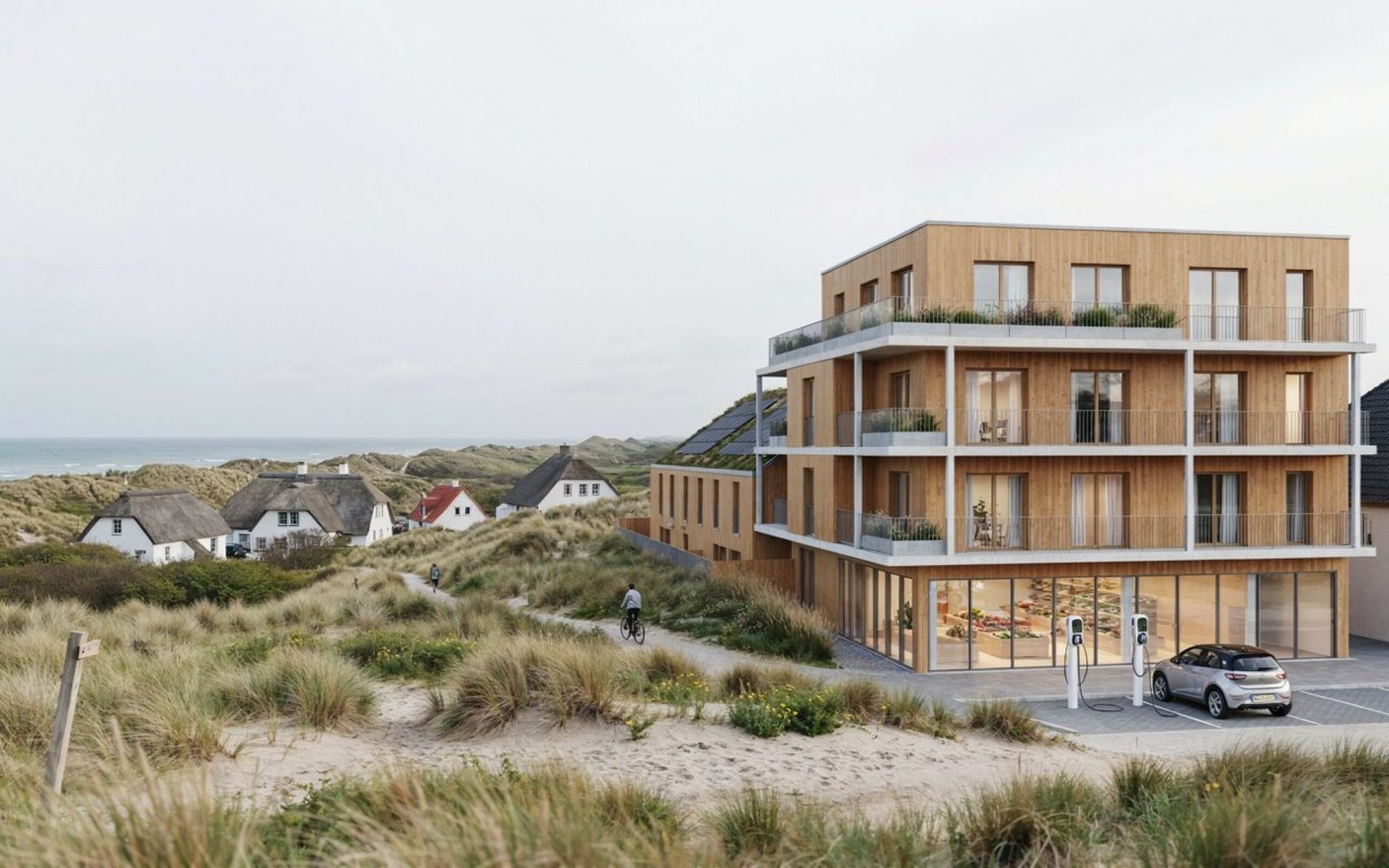
Image generated with Ai
Germany’s Sylt tourism enters a new phase as Lidl’s sustainable housing project supports local communities and visitors by combining residential space with modern retail infrastructure on the North Sea island. This project is an example of a trend in the global tourism industry of combining strategies for smart growth and development with sensitive planning to incorporate facilities for the local community. Integrating buildings for housing and commerce with other structures for environmental improvement helps address the needs of the users and visitors of tourism destinations. The Sylt project demonstrates a forward-thinking approach to integrating tourism and other land uses in a way that improves and protects the user experience.
Why is Sylt Island becoming a new model for sustainable tourism development?
Sylt has long been recognised as one of Germany’s most distinctive holiday destinations, attracting visitors with its North Sea coastline, natural landscapes and exclusive tourism appeal. The island’s popularity has also created challenges linked to limited space and the availability of permanent homes for residents and workers.
The Lidl development in Tinnum represents a move towards compact destination planning by combining essential retail services with residential facilities. Instead of expanding separately across limited land, the project integrates multiple functions into one location.
This approach supports a wider tourism trend where destinations are looking beyond visitor numbers and focusing on long-term community sustainability. By improving everyday infrastructure and creating permanent housing options, Sylt is exploring a future where tourism growth and local living conditions can develop together.
Advertisement
Advertisement
- Sylt remains one of Germany’s well-known North Sea tourism destinations.
- Limited island space creates pressure on residential development.
- Mixed-use projects can combine tourism support infrastructure with community needs.
- Sustainable planning is becoming important for high-demand destinations.
- Local infrastructure plays a major role in maintaining tourism economies.
| Tourism Development Factor | Sylt Impact |
|---|---|
| Destination type | North Sea island tourism destination |
| Development approach | Mixed-use retail and housing |
| Main focus | Community support and sustainable land use |
| Location | Tinnum, Sylt, Germany |
| Tourism relevance | Supports long-term destination resilience |
How is Lidl’s new Sylt project addressing housing challenges for island communities?
Housing availability has become an important issue for many popular tourism destinations where demand for holiday accommodation can increase pressure on permanent housing. Sylt’s limited land supply makes efficient development particularly important.
The Lidl project in Tinnum introduces 15 apartments above the retail space, designed specifically as permanent residences. The homes range between 44 and 78 square metres, providing additional accommodation within an existing commercial environment.
Advertisement
Advertisement
The concept creates a closer connection between employment areas and residential spaces. For workers in tourism-related industries, retail, hospitality and local services, access to nearby housing can influence the long-term stability of the destination.
The development demonstrates how unused vertical space above commercial buildings can become part of future housing solutions in areas where land availability is restricted.
- The project includes 15 permanent residential apartments.
- Apartment sizes range from 44 to 78 square metres.
- Housing is integrated above a supermarket facility.
- The design focuses on efficient use of available land.
- The development supports permanent island living.
| Housing Feature | Project Details |
|---|---|
| Residential units | 15 apartments |
| Apartment purpose | Permanent housing |
| Size range | 44–78 square metres |
| Location | Above Lidl retail facility |
| Development strategy | Vertical mixed-use construction |
Why is sustainable construction becoming important for tourism destinations like Sylt?
Sustainable construction is becoming a central element in the development of modern tourism infrastructure. Destinations worldwide are increasingly looking for ways to reduce environmental impact while improving facilities for residents and visitors.
The Lidl development in Tinnum incorporates several sustainability-focused features, including hybrid timber construction, partial green roofs and façade elements. The project also uses recycled materials such as processed concrete, secondary plastics, recycled glass and aluminium.
Energy efficiency is another major feature of the development. A rooftop photovoltaic system will generate renewable electricity, while recovered heat from refrigeration systems will be used through ventilation technology and heat pumps.
For tourism destinations located in sensitive coastal environments, sustainable building methods can help protect natural resources while supporting future visitor economies.
Advertisement
Advertisement
- Hybrid timber construction reduces resource use.
- Green roofs and façades support environmentally efficient design.
- Recycled materials are included throughout the building process.
- Solar energy supports renewable electricity generation.
- Heat recovery technology improves energy efficiency.
| Sustainability Feature | Development Detail |
|---|---|
| Construction method | Hybrid timber system |
| Renewable energy | Rooftop photovoltaic installation |
| Recycling | Concrete, plastics, glass and aluminium reuse |
| Heating technology | Heat pumps and recovered heat |
| Environmental goal | Lower resource consumption |
How will the new Lidl retail centre improve the visitor and resident experience?
The project also transforms the existing Lidl facility into a wider local service centre. Rather than replacing the previous structure completely, the development combines the existing building with the new construction.
The upgraded facility will provide a larger and more modern shopping environment with a 1,600-square-metre sales area. Customers will benefit from wider aisles, updated product layouts and improved accessibility.
The site will also include additional services such as pharmacy facilities, health and beauty retail options and regional businesses. This creates a central location for everyday needs while supporting both residents and visitors.
For tourists visiting Sylt, improved local services can enhance convenience, especially during peak travel periods when demand for essential goods and services increases.
- Existing Lidl infrastructure will be integrated into the new development.
- Retail space will expand to around 1,600 square metres.
- Additional local services will join the complex.
- The project creates a central community hub.
- Visitors and residents gain improved daily facilities.
| Retail Development Feature | Details |
|---|---|
| Retail area | 1,600 square metres |
| Existing structure | Retained and integrated |
| Additional services | Pharmacy and regional businesses |
| Customer benefit | Modern shopping environment |
| Community role | Everyday service centre |
What does Sylt’s new development reveal about the future of tourism destinations?
The transformation taking place in Tinnum reflects a wider shift in how tourism destinations approach future growth. Popular holiday locations are increasingly required to manage the relationship between visitors, residents, infrastructure and environmental protection.
The Lidl project demonstrates how commercial developments can become part of broader destination planning strategies. By combining retail, housing and sustainability measures, the project moves beyond traditional tourism infrastructure.
Advertisement
Advertisement
Many coastal destinations face similar challenges, including limited land availability, rising demand for accommodation and the need to maintain local communities. Integrated developments could become increasingly important in destinations where tourism is a major economic driver.
Sylt’s approach highlights the possibility of creating tourism environments that support both travellers and the communities that make destinations attractive.
- Future tourism planning requires stronger community integration.
- Mixed-use developments can support destination sustainability.
- Local housing is becoming an important tourism issue.
- Sustainable infrastructure can strengthen visitor destinations.
- Compact development may shape future island tourism models.
| Future Tourism Trend | Sylt Example |
|---|---|
| Community-focused tourism | Housing integrated with services |
| Sustainable development | Renewable energy and recycling |
| Efficient land use | Retail and residential combination |
| Visitor infrastructure | Improved shopping facilities |
| Destination resilience | Supporting local communities |
Germany’s Sylt Island is showing how tourism destinations can rethink development by combining sustainability, housing and essential services. The Lidl project in Tinnum represents a new style of destination planning where future tourism success depends not only on attracting visitors but also on supporting the communities that make these places function.
Conclusion
Germany’s Sylt tourism enters a new phase as Lidl’s sustainable housing project supports local communities and visitors through a modern approach to destination development. This project is an example of a trend in the global tourism industry of combining strategies for smart growth and development with sensitive planning to incorporate facilities for the local community. Integrating buildings for housing and commerce with other structures for environmental improvement helps address the needs of the users and visitors of tourism destinations. The Sylt project demonstrates a forward-thinking approach to integrating tourism and other land uses in a way that improves and protects the user experience.
Advertisement
