
South Korea Keeps Pace With Japan and Others as Autonomous Ferry Travel Expands Smart Coastal Transport

Published
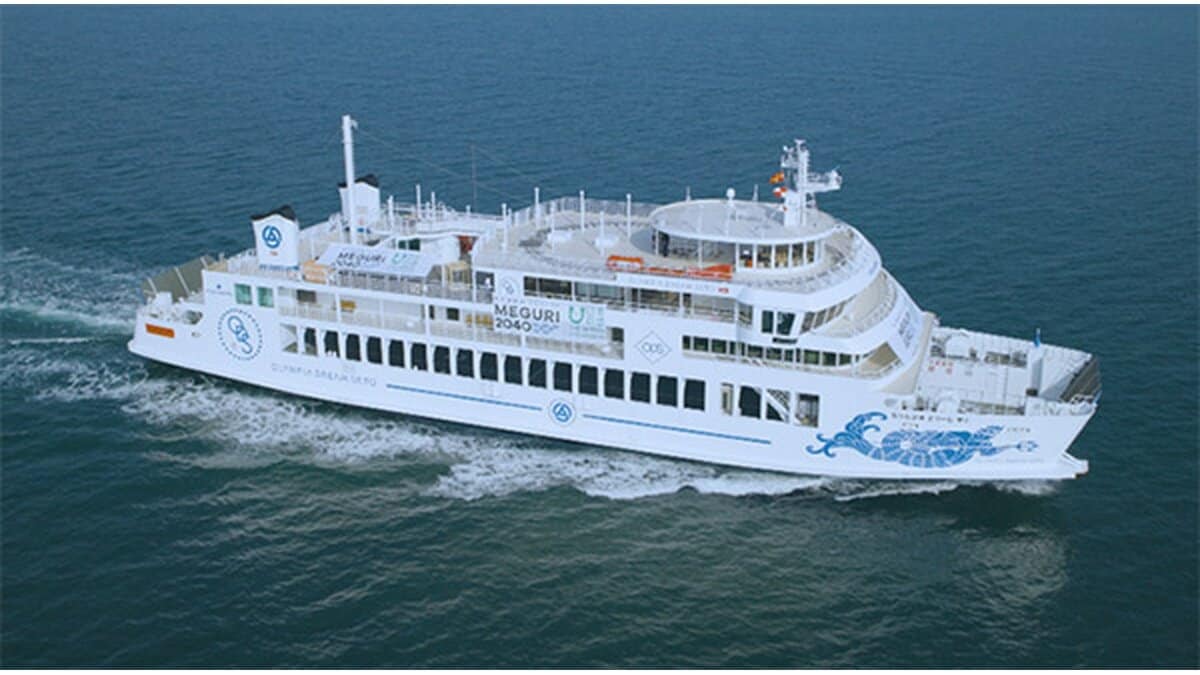
Japan has moved autonomous passenger ferry technology closer to everyday travel after the Olympia Dream Seto became the first passenger ferry in Japan to receive autonomous ship certification and begin commercial operations using Level 4-equivalent autonomous navigation functions. The development connects Shin-Okayama Port and Tonosho Port on Shodoshima Island and creates a new model for remote community transport. Norway and South Korea are developing similar smart maritime ecosystems, showing how autonomous vessels could reshape future island travel, coastal connectivity and sustainable mobility.
Autonomous ferries emerge as the next frontier in travel technology
Autonomous ferry technology is entering a new phase where the focus is shifting from technical demonstrations towards practical transport solutions. The biggest travel impact is not expected to begin in crowded city waterways. It is emerging in remote islands and coastal communities where maintaining reliable transport links is becoming increasingly challenging.
Japan has become the strongest example of this transition. The country’s autonomous passenger ferry development connects advanced navigation technology with a real passenger route. The Olympia Dream Seto operates between Shin-Okayama Port in Okayama City and Tonosho Port on Shodoshima Island in Kagawa Prefecture. The ferry has a passenger capacity of around 500 people and became Japan’s first passenger ferry to pass government inspection as an autonomous ship.
The travel technology significance is that autonomous vessels are no longer being developed only for future concepts. They are being tested against real operational challenges, including busy sea lanes, complex coastal geography, islands, reefs and changing maritime conditions.
Advertisement
Advertisement
According to The Nippon Foundation’s MEGURI2040 project, the autonomous ferry programme aims to address transport challenges linked with Japan’s remote islands, including maintaining stable movement of people and goods.
Why Japan’s Shin-Okayama and Shodoshima route matters for future tourism
The Shin-Okayama Port to Tonosho Port connection represents a wider travel technology trend: remote destinations could become the first beneficiaries of autonomous mobility.
Advertisement
Advertisement
Shodoshima Island is a destination known for coastal landscapes, cultural attractions and island tourism experiences. However, like many island destinations worldwide, visitor access depends heavily on reliable ferry services.
The autonomous ferry model could create several long-term travel benefits:
Advertisement
Advertisement
| Travel challenge | Autonomous ferry opportunity |
|---|---|
| Limited availability of maritime workers | Automated navigation may reduce pressure on ferry staffing |
| Maintaining services to smaller islands | Smart systems could support more stable transport networks |
| Rising operating costs | Digital systems may improve operational efficiency |
| Remote destination accessibility | Better connectivity could support tourism development |
Japan’s wider challenge is linked with its geography. The country has hundreds of inhabited remote islands where maritime transport remains essential for residents, businesses and visitors. The autonomous ferry approach is therefore being developed not only as a technology project but as a future connectivity solution.
Norway connects autonomous maritime innovation with coastal communities
Norway represents another major part of the autonomous ferry story because of its unique coastal geography. The country has thousands of islands, fjords and communities where maritime transport plays a central role.
Norway’s autonomous maritime development has focused strongly on electric vessels, digital navigation and smart coastal transport. Projects such as autonomous ferry demonstrations have explored how automated vessels could improve short-distance mobility in areas where traditional transport can be challenging.
The common connection between Japan and Norway is clear: both countries are using maritime technology to solve geographic problems.
Advertisement
Advertisement
| Country | Main challenge | Autonomous travel opportunity |
|---|---|---|
| Japan | Remote islands and ageing communities | Maintain essential passenger connections |
| Norway | Long coastline and dispersed communities | Improve coastal mobility and sustainable transport |
| South Korea | Island routes and advanced maritime industries | Develop smart vessel infrastructure |
The Norwegian model is particularly relevant for future tourism because many visitors travel to coastal regions, fjords and islands where ferry connections are part of the travel experience.
Autonomous ferries could eventually support tourism routes by improving schedule reliability, reducing operational pressure and enabling new mobility options for smaller destinations.
South Korea builds the digital foundation for autonomous maritime travel
South Korea is strengthening its position through autonomous ship development, artificial intelligence systems and maritime data infrastructure.
The Ministry of Trade, Industry and Energy and the Ministry of Oceans and Fisheries launched an AI data platform initiative for autonomous ships in 2026. The programme focuses on collecting and standardising operational data required for autonomous navigation, including collision avoidance, route optimisation and vessel condition monitoring.
South Korea’s relevance comes from its combination of advanced shipbuilding capabilities and digital technology development.
Unlike Japan’s passenger ferry implementation, South Korea’s current focus is more strongly centred on the technology ecosystem required for wider autonomous vessel adoption.
Advertisement
Advertisement
This creates a three-country pattern:
| Country | Current autonomous ferry/travel technology position |
|---|---|
| Japan | Passenger ferry commercial implementation |
| Norway | Coastal mobility innovation and autonomous vessel research |
| South Korea | AI maritime infrastructure and autonomous ship development |
Together, these countries represent different stages of the same transformation.
Remote communities could become the first users of autonomous maritime transport
The most important travel industry question is not whether autonomous ferries can operate technically. It is where they will create the greatest value first.
Remote communities are likely to become early users because they have three characteristics:
- predictable transport routes,
- strong dependence on maritime connections,
- limited alternatives when services face disruption.
For tourism operators, this development could change how island destinations are marketed and accessed.
Travel companies may eventually see opportunities in:
Advertisement
Advertisement
- island tourism packages connected by smart ferries,
- automated coastal sightseeing routes,
- improved access to smaller destinations,
- more reliable regional transport networks.
However, widespread autonomous passenger ferry adoption still depends on regulatory approval, safety standards, passenger acceptance and infrastructure investment.
Autonomous ferry development across key markets
| Country | Location connection | Technology focus | Travel relevance |
|---|---|---|---|
| Japan | Shin-Okayama Port – Tonosho Port, Shodoshima | Level 4-equivalent autonomous passenger ferry operations | Remote island tourism and mobility |
| Norway | Coastal and island regions | Autonomous and electric maritime systems | Sustainable coastal travel |
| South Korea | National smart maritime development | AI data platforms and autonomous ship systems | Future ferry and maritime innovation |
What travel businesses should monitor next
Travel agencies, tour operators and destination managers should watch autonomous ferry development because it could influence future travel planning.
Key operational considerations include:
- Track regulatory approvals before promoting autonomous ferry experiences.
- Monitor island destinations adopting smart maritime transport.
- Evaluate new tourism routes created by improved ferry reliability.
- Prepare customers for changing passenger experiences.
- Consider partnerships with destinations investing in future mobility.
Long-term outlook
Autonomous ferries represent a wider shift in travel technology where artificial intelligence, maritime engineering and destination connectivity are becoming increasingly connected.
Japan’s passenger ferry implementation, Norway’s coastal innovation and South Korea’s digital maritime development show three different paths towards the same future: smarter water-based transport.
For the travel industry, the most important development is not automation alone. It is the possibility that remote destinations could become better connected, more accessible and more resilient through next-generation maritime technology.
Advertisement
Advertisement
Frequently Asked Questions
What is the latest autonomous ferry development in travel technology?
Japan’s Olympia Dream Seto represents one of the most advanced passenger ferry developments because it introduced Level 4-equivalent autonomous navigation functions into commercial passenger ferry operations.
Which countries are leading autonomous ferry technology?
Japan, Norway and South Korea are among the countries most associated with autonomous maritime development, with each focusing on different areas including passenger services, coastal mobility and AI-based vessel systems.
Will autonomous ferries replace ferry crews?
Current developments are focused on reducing operational pressure and improving transport reliability. They do not indicate an immediate replacement of all maritime workers.
Why are remote islands important for autonomous ferry testing?
Remote islands often have fixed routes and strong dependence on maritime transport, making them suitable environments for testing future mobility solutions.
How could autonomous ferries affect tourism?
Autonomous ferries could improve access to island destinations, strengthen regional connectivity and support new sustainable travel models if regulations and public acceptance continue to develop.
Advertisement
