
Ottawa Joins Outaouais and Other Regions in Skyrocketing Canada Tourism With a Surge in Tourist Arrivals During the Third Quarter of 2026

Published
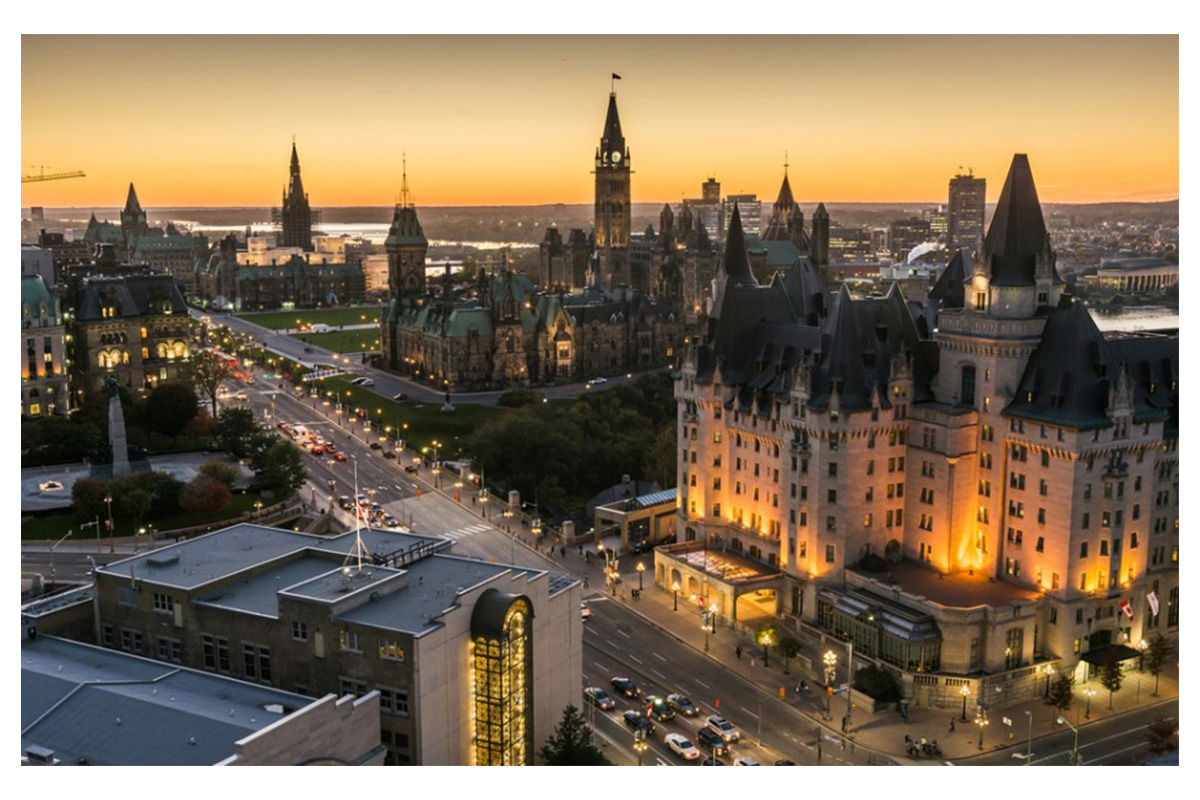
Canada’s visitor economy had its strongest quarter yet in Q3 of 2026, thanks in large part to the strengthening of Canada’s three largest tourism corridors. The greatest leaps in tourism growth occurred in the Ottawa and Outaouais regions. With the exception of queues at hotels and airports, Ottawa has largely been able to meet the increased international and domestic visitor demand. Ottawa’s National Capital Region has long been one of the world’s most attractive and competitive destinations, and for the first time in history, it is being welcomed on the world stage to promote Canada’s tourism offerings. The renewed focus on tourism in Canada and strengthening of Canada’s air networks have given Canada’s National Tourism Corporation an opportunity to promote a range of festival and cultural events celebrating Canadian history and heritage.
The Dawn of a Golden Era in Canadian Tourism
The latter half of 2026 will undoubtedly be remembered as a transformative period for the Canadian visitor economy. As global travel stabilised following years of unprecedented disruption, the Ottawa Tourism Surge emerged as the crowning achievement of the nation’s economic resilience. Verified reports released in September 2026 clearly indicate that tourist arrivals during the third quarter of 2026 heavily exceeded previous historical benchmarks, redefining the potential of Canada’s capital region as an international destination of choice.
Advertisement
Advertisement
This dramatic resurgence did not occur in a vacuum. It represents the culmination of targeted policy frameworks, extensive municipal planning, and the aggressive marketing of Canada’s distinct cultural and natural assets on the global stage. The National Capital Region—comprising the vibrant urban core of Ottawa in Ontario and the breathtaking landscapes of the Outaouais in Quebec—has successfully positioned itself as a synergetic powerhouse.
By closely examining Statistics Canada tourism indicators, economists and industry analysts can trace the origins of this monumental third-quarter performance back to early 2026. During the first quarter of the year, Canada witnessed a pronounced uptick in both domestic and international travel, with overseas residents taking 990,000 trips to Canada, an increase of 3.7% from the previous year. This early momentum cascaded effortlessly into the peak summer months, setting the foundation for a record-shattering Q3. The subsequent surge was further bolstered by the long-anticipated Ottawa 200 celebrations, marking the bicentennial of the city’s foundation as Bytown, which served as a massive gravitational pull for heritage tourists, dignitaries, and event-goers from across the globe.
Advertisement
Advertisement
Unpacking the Third Quarter (Q3) 2026 Phenomenon
The third quarter, spanning the vital summer months of June, July, and August, has historically been the cornerstone of the Canadian tourism calendar. However, the data recorded in Q3 2026 represents a paradigm shift. According to the official end-of-summer release jointly published by Ottawa Tourism and Outaouais Tourism on September 15, 2026, the region recorded a phenomenally strong summer season. The alignment of clear skies, an unmissable calendar of events, and targeted destination marketing culminated in an extraordinary influx of footfall across Parliament Hill, the Rideau Canal, and Gatineau Park.
For industry stakeholders, this period proved that the National Capital Region is no longer just a brief stopover for tourists navigating between Toronto and Montreal. Instead, it has matured into a definitive multi-day anchor destination. The strategic deployment of visitor passes and accessible cultural programming transformed day-trippers into overnight guests, significantly increasing the average length of stay and compounding the direct economic benefits for local enterprises.
Advertisement
Advertisement
Statistical Overview of the Inbound Surge
To understand the sheer magnitude of the Canada Tourism revival, one must turn to the hard figures provided by national statistical bodies. The initial groundwork for 2026 was laid in 2025, a year that saw non-resident visitors to Canada inject a massive $32.0 billion into the economy, representing a 12.4% increase from 2024 and completely shattering pre-pandemic 2019 levels by 36.7%.
As 2026 progressed, the figures only grew stronger. By July 2026, total tourist arrivals across Canada surged to over 4.58 million, a dramatic acceleration from the 3.76 million arrivals recorded just one month prior in June. This steep national trajectory was disproportionately driven by the remarkable performance of the National Capital Region. The influx was characterised by a highly lucrative mix of returning American road-trippers, high-yielding overseas visitors, and a fiercely loyal domestic tourism base eager to partake in the capital’s historic celebrations.
Advertisement
Advertisement
Ottawa Tourism Surge: A Capital City Renaissance
The heart of this unprecedented growth beats firmly within the boundaries of Ottawa. For years, the city has strategically balanced its identity as the administrative heart of the federal government with its aspirations as a world-class cultural metropolis. In 2026, that balance tilted decisively in favour of a thriving visitor economy, resulting in the most potent Ottawa Tourism Surge in modern history.
Annually, the city of Ottawa welcomes an estimated 9.8 million visitors, a massive influx that fuels a highly diversified hospitality ecosystem. However, the concentration of arrivals during the third quarter of 2026 applied a highly positive pressure on the city’s infrastructure, testing and ultimately proving the resilience of its accommodation, culinary, and transport sectors.
Record-Breaking Summer Hospitality Figures
The hospitality sector serves as the most accurate barometer of a destination’s true tourism health. In Ottawa, the figures from the summer of 2026 were nothing short of exceptional. From June to August 2026, the city recorded an impressive 3% year-over-year increase in hotel room demand.
More notably, the month of July emerged as a standout performer. Hotel demand during this crucial mid-summer window did not merely recover; it outright exceeded the record-setting levels that were previously achieved in 2025. This high occupancy rate translated into robust revenue per available room (RevPAR) for hoteliers, allowing properties to reinvest in staffing, property upgrades, and enhanced guest experiences. The ability of the city to absorb this massive increase in volume while maintaining high service standards speaks volumes about the maturity and capacity of Ottawa’s hospitality workforce.
Advertisement
Advertisement
Bicentennial Celebrations: The Ottawa 200 Factor
A critical catalyst for this record-breaking quarter was the sprawling, multi-faceted “Ottawa 200” programming. Commemorating the 200th anniversary of the founding of Bytown in 1826, these bicentennial celebrations wove a rich narrative of heritage, resilience, and forward-looking optimism throughout the city’s streets.
The programming acted as a powerful magnet for cultural tourists. By transforming the downtown core into a vibrant canvas of festivals, public programming, and placemaking initiatives, Ottawa 200 effectively animated the urban landscape. This was not merely a retrospective historical celebration; it was a dynamic showcase of Ottawa’s contemporary identity. From massive outdoor concerts to interactive historical installations along the Rideau Canal—a UNESCO World Heritage site—the bicentennial provided an unmissable, time-sensitive incentive for international and domestic travellers to visit the city in 2026, effectively ensuring the Ottawa Tourism Surge reached its maximum potential.
Outaouais: Quebec’s Tourism Powerhouse Accelerates
Directly across the Ottawa River, the Quebec region of Outaouais experienced an equally spectacular renaissance. Often viewed as Ottawa’s culturally distinct, Francophone sister-region, Outaouais successfully leveraged its proximity to the national capital while aggressively marketing its own unique portfolio of natural and cultural assets.
The synergy between Ottawa Tourism and Outaouais is a textbook example of cross-border destination management. While Ottawa provided the urban density and monumental architecture, Outaouais offered an expansive playground of pristine wilderness, luxury spa retreats, and world-class museums, most notably the Canadian Museum of History in Gatineau.
Bridging Urban Charm and Breathtaking Wilderness
What makes the National Capital Region so exceptionally appealing on the global stage is the stark, beautiful contrast between its two halves. Visitors can spend their morning observing the changing of the guard on Parliament Hill and their afternoon hiking the dense, rugged trails of Gatineau Park.
This duality was heavily heavily promoted in 2026. Geneviève Latulippe, CEO of Outaouais Tourism, highlighted this specific advantage, stating, “Our proximity to the National Capital, combined with the diversity of tourism experiences available throughout the region, is a real strength”. She further noted that visitors are empowered to seamlessly merge urban cultural experiences with wide-open spaces and outdoor activities within a single, cohesive itinerary. This structural advantage proved incredibly lucrative during the Q3 Canada Tourism boom, as travellers increasingly sought holidays that offered both cosmopolitan engagement and natural escape.
Advertisement
Advertisement
Accommodation and Business Sentiment Metrics
The empirical data emerging from the Outaouais region underscores the sheer scale of the 2026 summer triumph. Between May and July of 2026, the region witnessed a staggering 9.1% increase in the number of rented accommodation units compared to the same period in 2025. This surge in overnight stays demonstrates a clear shift in consumer behaviour; visitors are no longer treating Outaouais as a brief day-trip from Ottawa, but rather as a primary base of operations for their regional explorations.
Furthermore, the economic benefits permeated deeply into the local entrepreneurial ecosystem. In an end-of-summer survey conducted by Outaouais Tourism, a resounding 87% of regional tourism businesses rated the 2026 season as “good to exceptional”. This high level of commercial satisfaction indicates that the financial windfalls of the tourist arrivals during the third quarter of 2026 were broadly distributed across various sub-sectors, from independent restaurateurs and boutique hoteliers to outdoor adventure outfitters and retail merchants.
Synergising the National Capital Region
The story of the 2026 tourism boom is fundamentally a story of unity. The National Capital Region operates as a single, fluid economic zone, and the strategic alignment between Destination Canada, municipal governments, and regional tourism boards has yielded unparalleled dividends.
Cross-Provincial Collaboration Yields Dividends
The partnership between Ottawa Tourism and Outaouais Tourism is widely regarded as one of the most effective collaborative models in the Canadian visitor economy. By pooling marketing resources, streamlining visitor information, and creating cohesive cross-border itineraries, the two entities have effectively doubled their market reach.
Michael Crockatt, President and CEO of Ottawa Tourism, summarized the collective triumph of the season, declaring, “Summer 2026 has been another outstanding season for Canada’s Capital Region”. He emphasized that visitors responded overwhelmingly to the region’s potent combination of major events, deep cultural experiences, and the outstanding value proposition available on both sides of the Ottawa River. This unified messaging ensured that the region presented a massive, diverse portfolio to international tour operators, making the destination highly competitive against larger North American metropolises.
Affordability and Accessibility in 2026
Amidst a global macroeconomic environment where inflation and the rising cost of living have heavily influenced travel behaviours, the National Capital Region strategically positioned itself as a destination of exceptional value.
Advertisement
Advertisement
Recognising that affordability is a primary driver for family and millennial demographics, local authorities championed initiatives designed to maximize the visitor experience without enforcing prohibitive costs. The introduction of the Visit Ottawa Pass and the Ottawa Museums Pass provided travellers with heavily discounted, streamlined access to the region’s premier attractions. Simultaneously, the Outaouais region promoted its vast array of cost-effective outdoor experiences—ranging from public cycling networks to accessible provincial camping sites—ensuring that the National Capital Region remained highly attractive to travellers operating on diverse budgets.
The Broader Economic Implications
The Ottawa Tourism Surge is not merely a superficial metric of crowded sidewalks and busy restaurants; it is a fundamental pillar of the regional macro-economy. The financial velocity generated by visitor spending cascades through the supply chain, sustaining thousands of livelihoods and subsidising critical public infrastructure.
Job Creation and the Visitor Economy
The sheer scale of the visitor economy in the capital region is staggering. The 9.8 million annual visitors to Ottawa inject approximately $2.6 billion directly into the local community. However, when calculating the holistic economic footprint—accounting for indirect and induced economic activity—the industry is responsible for generating an estimated $3.1 billion in total economic output.
This massive capital injection forms the bedrock of the regional labour market. The tourism and hospitality sector in Ottawa alone supports a workforce of over 35,000 individuals. Crucially, these jobs span a vast spectrum of skill levels and disciplines, providing vital entry-level opportunities for students and recent immigrants, alongside highly skilled, lucrative careers in hotel management, culinary arts, aviation, and cultural curation. The record-breaking Q3 arrivals ensured unprecedented job security and wage growth within this vital sector.
Evaluating the Impact on Government Services
One of the least discussed, yet most profoundly impactful, benefits of the Canadian visitor economy is its ability to subsidise local government expenditures. The tax revenues generated through hotel levies, sales taxes, and commercial property taxes from tourism-reliant businesses severely lessen the financial burden on local residents.
Economic impact studies released alongside the 2026 summer data revealed an extraordinary statistic: the visitor economy supports nearly $2,000 worth of government services for every single household in the city of Ottawa on a yearly basis. By importing capital from external markets—be it from American road-trippers or European cultural tourists—the tourism sector effectively funds municipal road repairs, public parks, emergency services, and community programming, elevating the overall quality of life for the entire civic population.
Advertisement
Advertisement
United States and Overseas Inbound Resurgence
A granular analysis of the Statistics Canada tourism indicators reveals that the 2026 surge was propelled by two distinct, yet equally important, international demographics: the returning American traveller and the high-spending overseas tourist.
Returning American Travellers Drive Regional Growth
The United States has historically been Canada’s most vital source market, and 2026 witnessed a powerful resurgence in cross-border visitation. During the first quarter of 2026 alone, U.S. residents took 3.6 million trips to Canada, marking a 3.4% increase from the previous year.
More importantly, the quality and economic yield of these visits shifted dramatically upward. American visitors demonstrated a willingness to linger longer and spend considerably more, with their total expenditures in Canada rising by an impressive 16.5% to reach $3.0 billion early in the year. Ottawa reaped the direct benefits of this trend. Earlier in the year, it was reported that U.S. visitors in the capital were extending their stays and spending 15% more during their trips. The appeal of a favourable exchange rate, combined with the safety, cleanliness, and cultural richness of the capital region, made Ottawa a prime target for affluent travellers from key drive-markets such as New York, Pennsylvania, and New England.
Overseas Markets Breaking New Ground
Simultaneously, the region successfully attracted a growing cohort of overseas visitors. These long-haul travellers—hailing predominantly from the United Kingdom, Mexico, and France—are highly coveted by tourism boards due to their propensity for extended stays and high daily expenditures.
Data from early 2026 demonstrated that overseas tourists to Canada were spending an average of $2,085 per trip, with an astonishing average trip length of 16.6 nights. The National Capital Region, boasting iconic national museums, historic architecture, and deep diplomatic ties, naturally captured a substantial share of this lucrative overseas market during the summer surge, further solidifying its reputation on the global map.
Infrastructure, Aviation, and Urban Renewal
The capacity to physically transport, house, and entertain this massive influx of visitors requires world-class infrastructure. The Ottawa Tourism Surge of Q3 2026 was largely facilitated by aggressive, forward-thinking investments in regional transport and urban design.
Advertisement
Advertisement
Expanding Flight Connectivity to the Capital
Air access is the lifeblood of international tourism. Recognizing this, the Ottawa International Airport (YOW) has undergone significant strategic enhancements. The momentum of the 2026 tourism recovery was fiercely bolstered by new air route announcements from major carriers.
Both Air Canada and Porter Airlines expanded their operational footprints in the capital, improving accessibility for both domestic travellers and international connecting passengers. Porter Airlines, in particular, has increasingly utilized Ottawa as a vital hub, expanding direct flight options across North America. This enhanced aviation connectivity removed traditional logistical barriers, allowing high-yield tourists to bypass heavily congested airports in favour of a direct, seamless arrival into the heart of the capital region.
Placemaking and Downtown Revitalisation
Upon arrival, visitors in 2026 were met with an urban environment undergoing a profound, resident-supported revitalisation. The downtown core of Ottawa, traditionally dominated by federal office workers, has been steadily transforming into a highly animated, pedestrian-friendly cultural playground.
This urban renewal was heavily driven by deliberate placemaking initiatives and community activations. The successful integration of public art, expanded patio cultures, and pedestrianized market zones created a vibrant atmosphere that resonated deeply with visitors. The city successfully proved that a government town could simultaneously operate as an electric, highly engaging tourism epicentre, seamlessly blending institutional grandeur with grassroots cultural energy.
Government Policies and Strategic Frameworks
The record-breaking tourist arrivals during the third quarter of 2026 did not happen by accident. They are the direct result of meticulous strategic alignment between municipal bodies, Destination Canada, and the federal government’s broader economic directives.
Alignment with Federal Tourism Growth Directives
At the national level, the Federal Tourism Growth Strategy—championed by Innovation, Science and Economic Development Canada (ISED)—has prioritized the decentralization of tourism, aiming to push visitor economies beyond the traditional hubs of Toronto, Vancouver, and Montreal. Ottawa and Outaouais have emerged as the premier success story of this strategic pivot. By leveraging federal grants, investing heavily in digital marketing, and participating actively in international trade shows, the region has successfully elevated its brand equity on the global stage.
Advertisement
Advertisement
Sustainable Tourism and Resident Sentiment
As global destinations increasingly grapple with the negative externalities of “overtourism,” the National Capital Region has prioritized a model of sustainable, community-endorsed growth. The true success of the 2026 surge is found not just in the volume of visitors, but in the overwhelming support of the local population.
During the height of the summer influx, comprehensive surveys revealed that a remarkable 87% of Ottawa residents actively recognize the profound value of tourism, acknowledging its positive contributions to their overall quality of life and the vitality of the local economy. This high level of resident buy-in is incredibly rare in major global capitals. It ensures that tourists are met with genuine hospitality, while giving policymakers the public mandate required to continue investing heavily in the visitor economy without fear of civic backlash.
Looking Ahead: The Autumn Horizon and Beyond
As the leaves begin to turn and the National Capital Region transitions into its highly celebrated autumn season, the momentum generated by the Ottawa Tourism Surge shows absolutely no signs of deceleration. The third quarter of 2026 has established a new, elevated baseline for regional performance.
Pre-Bookings and Late-Year Projections
Forward-looking data suggests that the economic windfall will continue deep into the fourth quarter. Tour operators and hospitality providers have reported massive spikes in advance reservations. Earlier in the year, local sightseeing companies reported pre-bookings surging by up to 30%, indicating a highly confident, eager consumer base. The region’s vibrant autumn foliage, renowned culinary festivals, and ongoing Ottawa 200 cultural events are expected to sustain high occupancy rates well into November.
Cementing a Long-Term Legacy for the Capital Region
Ultimately, the unprecedented success recorded in Q3 2026 will serve as the foundation for the next decade of regional development. The capital region has conclusively proven its capacity to host the world at scale, delivering world-class experiences while generating billions in economic output.
By continuing to foster the unique cross-border collaboration between Ottawa Tourism and Outaouais, investing in sustainable urban infrastructure, and executing the strategic visions outlined by Destination Canada, the National Capital Region has secured its destiny. It is no longer emerging; it has fully arrived as a dominant, indispensable powerhouse within the global tourism landscape.
Advertisement
