

France And Greece Lead Green Tourism Economy Across Europe With Over 3% Growth And Groundbreaking Sustainable Travel And Coastal Innovation

Published
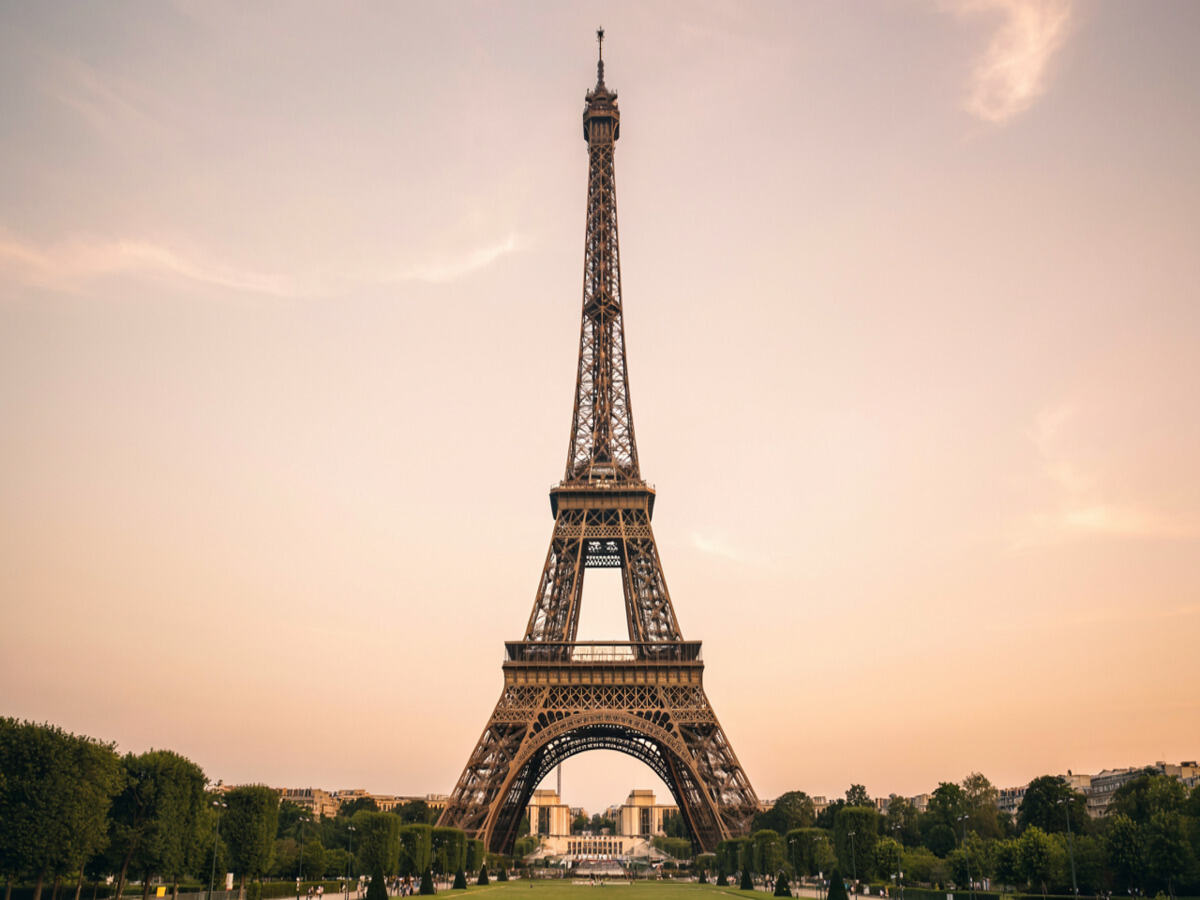
France and Greece aid the promotion of green tourism in Europe through environmental innovations and sustainable coastal tourism. France and Greece are contributing to the progress of Europe’s green tourism revolution through sustainable travel, coastal innovation, and environmental responsibility investments. These two Mediterranean countries have taken steps to develop their tourism infrastructure, conserve their natural resources and provide tourist experiences that are helpful for their communities. France has been doing well in terms of developing green transport and sustainable urban planning, whereas Greece has been working towards creating green islands and marine ecotourism as well as round-the-year tourism. Despite economic growth above 3% in the European tourism sector in some measurements, there is no evidence that the economies of green tourism in France and Greece exceeded 3% in 2026.
France and Greece Bring Fresh Momentum to Europe’s Sustainable Tourism Transformation
Europe’s tourism industry is entering a period in which environmental responsibility is becoming increasingly important to economic development. France and Greece are contributing to this transition by combining established tourism industries with investments in cleaner infrastructure, environmental protection and destination management.
Advertisement
Advertisement
France brings extensive experience in international tourism, public transport and sustainable urban development. Greece contributes its island destinations, maritime heritage and expanding programmes for environmentally responsible tourism.
Together, their participation in European cooperation initiatives demonstrates how tourism growth can be connected with conservation, regional investment and community development.
Advertisement
Advertisement
Rather than depending exclusively on increasing visitor numbers, both countries are exploring ways to improve the long-term economic value of tourism.
Over 3% Growth Highlights Europe’s Tourism Economy but Requires Clear Context
The headline’s reference to growth exceeding 3% needs careful interpretation. Eurostat’s tourism satellite account figures identify tourism as contributing approximately 3.6% of the European Union’s gross value added in 2022. France’s comparable tourism contribution was approximately 3.4%.
Advertisement
Advertisement
These percentages describe tourism’s economic contribution, not its annual growth rate. They also cover tourism generally, rather than green tourism specifically.
Nevertheless, the figures illustrate the importance of tourism to Europe’s wider economy and why sustainability has become a strategic priority.
As destinations invest in energy efficiency, sustainable mobility and climate resilience, environmental performance is increasingly connected to tourism competitiveness and long-term economic stability.
France Strengthens Sustainable Tourism Through Cleaner Urban Mobility
France is supporting environmentally responsible tourism through transport improvements designed to make cities more accessible while reducing dependence on private vehicles.
In Lille, European funding of approximately €31.5 million supports tramway improvements, cycling networks and accessible transport infrastructure.
Marseille is benefiting from approximately €15 million in European support for a 6.2-kilometre tramway extension, 12 additional stations, cycling facilities and urban tree planting.
Advertisement
Advertisement
Nantes is also receiving approximately €30 million for tramway modernisation, cycling infrastructure and improved connections between transport services.
Although these are broader urban mobility projects rather than exclusively tourism investments, visitors can benefit from cleaner and more convenient ways to explore French destinations.
Greece Accelerates Green Tourism Through National Sustainability Reforms
Greece is developing a more coordinated approach to sustainable tourism through European Commission-supported technical assistance and destination management reforms.
A central element is the proposed National Observatory for Sustainable Tourism, designed to improve the monitoring of tourism’s environmental, economic and social effects.
Destination management organisations are another important part of this approach. They can help local authorities assess visitor pressure, infrastructure requirements and the interests of residents.
These measures are particularly relevant to heavily visited Greek islands, where seasonal demand can place considerable pressure on water supplies, waste systems, transport and accommodation.
Advertisement
Advertisement
Better information and stronger local planning can support tourism development without overlooking environmental limitations.
Mediterranean Coastal Tourism Becomes a Powerful Economic Opportunity
Coastal tourism remains one of Europe’s most economically significant maritime industries. According to the European Commission’s Blue Economy Observatory, coastal tourism accounted for approximately 36.5% of the European Union’s Blue Economy gross value added and 54.4% of its employment in the reported period.
In 2024, European coastal accommodation establishments recorded nearly 1.5 billion overnight stays, representing annual growth of 3.6%.
France and Greece occupy important positions within this market. France benefits from its Mediterranean and Atlantic coastlines, while Greece attracts visitors through its islands, beaches and maritime heritage.
However, coastal tourism growth is not automatically green growth. Sustainable development requires investment in resource efficiency, biodiversity protection and responsible destination management.
France and Greece Unlock New Possibilities Through Marine Ecotourism Cooperation
One of the clearest examples of direct cooperation is the European Union-backed ecoRoute project, which brings together nine partners from France, Greece and Portugal.
Advertisement
Advertisement
The initiative focuses on developing sustainable underwater heritage tourism in Martinique, Madeira and the Azores.
Its activities include identifying underwater cultural and natural assets, establishing regional partnerships and testing environmentally responsible visitor routes.
The project has also developed ecotourism packages designed to diversify travel experiences while creating opportunities for local communities.
By connecting cultural heritage with marine conservation, ecoRoute demonstrates how international tourism cooperation can support economic diversification without treating environmental protection as a secondary concern.
The project’s approximately €1.18 million budget includes around €1 million in European funding.
Major Sustainable Tourism Initiatives Reshaping France and Greece
| Initiative | Country or region | Investment or indicator | Tourism significance |
|---|---|---|---|
| Sustainable mobility in Lille | France | €31.5 million EU support | Cleaner urban accessibility |
| Marseille tramway expansion | France | €15 million EU support | Improved public transport |
| Nantes transport modernisation | France | €30 million EU support | More sustainable visitor mobility |
| National sustainable tourism reforms | Greece | EU technical assistance | Stronger destination governance |
| ecoRoute marine tourism | France, Greece and Portugal | Approximately €1.18 million | Underwater heritage and ecotourism |
| Interreg Euro-MED | Mediterranean Europe | Approximately €294 million programme budget | Cross-border sustainability cooperation |
| HERIT ADAPT | Mediterranean regions | European cooperation initiative | Climate-resilient cultural heritage |
| Astypalea green transition | Greece | Electric mobility and renewable energy initiatives | Lower-impact island transport |
| Tilos circular economy | Greece | Just Go Zero initiative | Waste reduction and resource efficiency |
The investments listed cover different sectors and reporting periods. They should not be added together as a combined France–Greece green tourism investment total.
Advertisement
Advertisement
Mykonos Moves Towards Premium Tourism and an Extended Holiday Season
Mykonos is becoming an important example of Greece’s attempt to diversify its tourism economy beyond peak summer holidays.
The island is pursuing premium international visitors while encouraging tourism activity across a longer period of the year.
The Municipal Port Authority announced a cruise calendar extending from March to December 2026. This longer operating window creates opportunities for restaurants, guides, transport providers and other tourism businesses to serve visitors outside the traditional summer peak.
Luxury hospitality investment is also expanding. The Fouquet’s Mykonos development, associated with French hospitality group Barrière and Yoda Group, illustrates the commercial relationship between French investment and Greek tourism.
Nevertheless, premium tourism does not automatically qualify as sustainable tourism. Its environmental contribution depends on measurable performance in energy, water, waste and transport.
French Holidaymakers Strengthen Greece’s Tourism Revenue Base
France continues to represent an economically important source market for Greece.
Advertisement
Advertisement
According to the tourism figures discussed earlier, approximately 1.98 million French visitors travelled to Greece in 2025, generating around €1.33 billion in tourism receipts.
The significance lies in the relationship between visitor numbers and spending. Tourism revenue increased despite a slight reduction in French arrivals.
This illustrates how a destination can generate additional economic value without relying entirely on higher visitor volumes.
For Greece, attracting French visitors interested in culture, gastronomy, nature and shoulder-season holidays could help diversify tourism demand.
However, the existing revenue figures do not establish how much French visitor spending was associated specifically with environmentally sustainable holidays.
Green Islands Offer Greece a Distinctive Sustainable Travel Identity
Greece’s island geography creates both environmental challenges and opportunities for tourism innovation.
Advertisement
Advertisement
Astypalea has attracted attention for its transition towards electric mobility and renewable energy. Such initiatives can support cleaner local transport and reduce dependence on conventional fuels.
Tilos offers another example through the Just Go Zero programme, which promotes waste reduction and circular resource management.
Amorgos provides opportunities for nature-based experiences, including walking, diving and exploration of coastal landscapes.
These destinations demonstrate different approaches to tourism diversification.
Rather than relying solely on large-scale resort development, Greek islands can develop experiences centred on local culture, environmental awareness and outdoor recreation.
Such initiatives may also appeal to French travellers seeking alternatives to conventional Mediterranean beach holidays.
Advertisement
Advertisement
Climate-Resilient Heritage Tourism Connects European Destinations
The HERIT ADAPT programme provides another example of European cooperation relevant to France and Greece.
The initiative addresses the relationship between cultural heritage, climate change and tourism management.
Its activities have involved Mediterranean regions across several European countries, including France and Greece.
The programme entered a new transfer phase in July 2026, extending opportunities to share approaches developed through earlier activities.
Digital monitoring, visitor management and community engagement are among the methods associated with this work.
Protecting heritage destinations is economically important because historic sites, cultural landscapes and traditional communities contribute to Europe’s international tourism appeal.
Advertisement
Advertisement
Climate adaptation can therefore support both conservation and long-term destination competitiveness.
European Funding Encourages a More Resilient Mediterranean Visitor Economy
The Interreg Euro-MED programme is helping Mediterranean territories cooperate on environmental sustainability and economic development.
Its approximately €294 million budget for 2021–2027 provides a framework for cross-border initiatives addressing common regional challenges.
In August 2026, a coordinated sustainable tourism funding call was introduced through the Mediterranean Multi-Programme Mechanism.
The initiative sought proposals addressing climate resilience, environmental protection, inclusive development and the transfer of successful tourism solutions.
Such programmes are relevant because coastal destinations frequently face similar problems, including seasonal congestion, environmental degradation and pressure on local infrastructure.
Advertisement
Advertisement
Cooperation allows participating regions to exchange practical solutions rather than developing every initiative independently.
How France and Greece Are Boosting Tourism Through Sustainability
France and Greece are approaching sustainable tourism from complementary economic positions.
France is improving urban mobility and supporting environmental management, while Greece is developing island sustainability projects, marine tourism experiences and stronger destination governance.
Both countries also participate in European cooperation initiatives that connect tourism with heritage protection and climate adaptation.
For visitors, these developments can create more varied holiday experiences. Travellers may benefit from improved public transport, nature-based attractions, protected cultural sites and opportunities to explore destinations outside their busiest periods.
For businesses, sustainability can support operational efficiency and destination competitiveness.
Advertisement
Advertisement
For local communities, better planning may reduce tourism pressure while helping economic benefits reach smaller enterprises.
The success of these measures will ultimately depend on implementation, monitoring and measurable environmental outcomes.
Why Coastal Innovation Matters for Europe’s Tourism Future
Europe’s coastal destinations face growing environmental and economic pressures.
Climate change, coastal erosion, extreme weather, biodiversity loss and tourism concentration threaten the resources on which many destinations depend.
The European Commission has recognised these challenges through its sustainable tourism and Blue Economy initiatives.
For France and Greece, coastal innovation offers opportunities to improve resilience while protecting tourism-related employment and revenue.
Advertisement
Advertisement
Cleaner transport, better waste management, sustainable marine experiences and climate-adapted infrastructure can all contribute to this objective.
However, tourism growth and environmental sustainability must be evaluated separately. Rising overnight stays or higher receipts cannot alone demonstrate reduced emissions, lower resource consumption or improved ecological conditions.
This distinction is essential when assessing whether tourism development is genuinely green.
The Next Chapter of European Tourism Depends on Economic and Environmental Balance
France and Greece are contributing to a wider transformation of Europe’s tourism industry through cleaner mobility, sustainable destination management, marine heritage initiatives and regional cooperation.
Their efforts show how established holiday destinations can connect economic development with environmental responsibility.
The strongest evidence comes from identifiable programmes such as ecoRoute, HERIT ADAPT, Interreg Euro-MED and Greece’s sustainable tourism reforms.
Advertisement
Advertisement
Meanwhile, the 3.6% increase in European coastal accommodation nights during 2024 provides a measurable example of tourism demand growth, although it should not be interpreted as a 2026 green tourism growth rate.
The central opportunity is to create destinations that remain economically successful while protecting their natural and cultural attractions.
France and Greece add to Europe’s eco-tourism efforts by way of eco-innovation and sustainable coastal tourism.
Through collaboration and responsible tourism, France and Greece can influence the future of the Mediterranean region’s tourist economy.
Frequently Asked Questions (FAQs)
1. How Are France and Greece Transforming Europe’s Green Tourism Economy in 2026?
France and Greece are advancing sustainable tourism through cleaner transport, renewable energy, coastal conservation and EU-funded environmental projects. France is improving low-carbon mobility, while Greece is developing greener islands and responsible marine tourism experiences.
2. Is Europe’s Green Tourism Economy Growing by Over 3% in 2026?
There is no verified figure confirming over 3% green tourism growth in France and Greece during 2026. However, European coastal accommodation recorded approximately 3.6% growth in overnight stays in 2024, reflecting stronger tourism demand rather than specifically green tourism growth.
Advertisement
Advertisement
3. What Makes France and Greece Important Players in Mediterranean Sustainable Tourism?
Both countries combine major tourism industries with environmental initiatives, coastal attractions and participation in European sustainability programmes. Their involvement in marine ecotourism, heritage conservation and climate adaptation supports a more resilient Mediterranean tourism economy.
4. How Is Mykonos Supporting Greece’s Sustainable Tourism Transformation?
Mykonos is working to extend its tourism season, attract premium international travellers and diversify tourism revenue. Its March-to-December 2026 cruise calendar could spread economic activity across more months, although a longer season does not automatically reduce environmental impacts.
5. Which Green Tourism Projects Connect France and Greece?
The EU-backed ecoRoute project connects France, Greece and Portugal through sustainable underwater heritage tourism. Both France and Greece also participate in Mediterranean initiatives such as HERIT ADAPT, which supports climate-resilient cultural heritage and responsible visitor management.
6. How Are French Tourists Contributing to Greece’s Tourism Economy?
French visitors generated approximately €1.33 billion in tourism receipts for Greece in 2025. Their spending supports accommodation, restaurants, transport and cultural attractions. Demand for nature-based and off-season holidays could create additional sustainable tourism opportunities.
7. Which Greek Islands Are Leading Innovative Eco-Friendly Travel Initiatives?
Astypalea is developing electric mobility and renewable energy initiatives, while Tilos promotes waste reduction through its Just Go Zero programme. Amorgos also offers nature-based experiences, including hiking and diving, which can support lower-impact tourism when responsibly managed.
Advertisement
