

France Alongside Spain, Italy and More Reveal Eight Stunning European Escapes Beyond Crowded Tourist Hotspots in 2026: All You Need to Know

Published
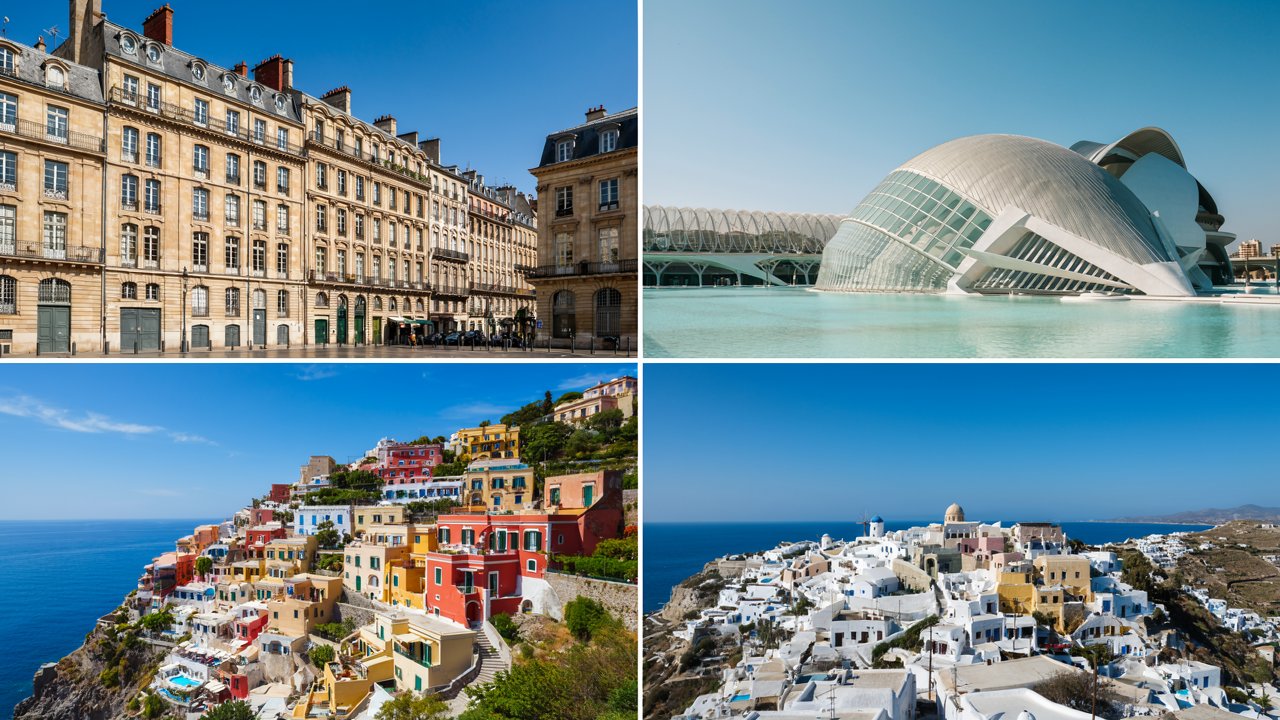
Europe’s travel landscape is evolving as holidaymakers discover remarkable destinations beyond the continent’s most crowded tourism centres. France, Spain, Italy, Greece, the Netherlands and Croatia offer eight attractive alternatives, including Bordeaux, Valencia, Utrecht, Chioggia, Naxos, Šibenik, Procida and Lake Maggiore. These destinations combine architectural heritage, Mediterranean beaches, historic canals, island traditions and breathtaking natural scenery. As concerns about overtourism influence holiday planning in 2026, regional cities and smaller coastal destinations are attracting attention from travellers seeking more varied experiences. While none guarantees an escape from crowds, each provides opportunities to explore Europe’s cultural and natural attractions beyond its most internationally recognised hotspots.
Why Are Travellers Looking Beyond Europe’s Famous Tourist Destinations?
Europe’s most visited destinations continue to attract millions of international travellers, creating challenges involving congestion, accommodation demand and pressure on local infrastructure.
Cities such as Venice, Amsterdam and Barcelona have introduced or considered different measures to manage tourism-related pressures.
The European Commission identifies sustainable destination management as an important priority for the continent’s tourism industry.
Advertisement
Advertisement
Exploring alternative destinations can help distribute visitor spending across different communities while introducing travellers to lesser-known attractions.
However, smaller destinations can also experience seasonal congestion. Choosing suitable travel periods and planning responsibly remain essential.
Advertisement
Advertisement
Which Eight European Destinations Offer Alternative Holiday Experiences?
| Country | Destination | Main attractions |
|---|---|---|
| France | Bordeaux | Historic architecture, wine heritage, Garonne waterfront |
| Spain | Valencia | Mediterranean beaches, City of Arts and Sciences |
| Netherlands | Utrecht | Historic canals, Dom Tower, medieval streets |
| Italy | Chioggia | Venetian Lagoon, fishing harbour, canals |
| Greece | Naxos | Sandy beaches, Cycladic villages, ancient landmarks |
| Croatia | Šibenik | UNESCO cathedral, fortresses, Adriatic coastline |
| Italy | Procida | Colourful harbour, island culture, coastal scenery |
| Italy | Lake Maggiore | Alpine landscapes, Borromean Islands, historic gardens |
Bordeaux, France: Discover Elegant Architecture and Exceptional Wine Heritage
Bordeaux offers an attractive alternative for travellers interested in French culture, gastronomy and architectural heritage.
Its historic centre, recognised by UNESCO as Bordeaux, Port of the Moon, features impressive urban landscapes and centuries of architectural development.
Place de la Bourse and the nearby Miroir d’Eau are among the city’s most recognisable attractions.
Visitors can explore Saint-André Cathedral, historic streets, museums and riverside promenades.
The surrounding wine region provides opportunities for vineyard excursions, particularly around Saint-Émilion and the Médoc.
Bordeaux is especially appealing during spring and autumn, although wine-related events can increase visitor demand.
Advertisement
Advertisement
Valencia, Spain: Mediterranean Beaches Meet Spectacular Modern Architecture
Valencia combines historic landmarks, contemporary design and coastal recreation.
The City of Arts and Sciences stands among its most recognisable attractions, featuring striking architecture and cultural facilities.
The Turia Gardens stretch approximately nine kilometres through a former riverbed, providing walking and cycling routes.
The historic centre includes Valencia Cathedral, the Central Market and the Serranos Towers.
Visitors can also enjoy Malvarrosa Beach and explore coastal neighbourhoods known for traditional Valencian cuisine.
Valencia remains popular during summer and major festivals, particularly Las Fallas in March.
Advertisement
Advertisement
Travelling during late spring or early autumn can offer comfortable sightseeing conditions.
Utrecht, Netherlands: Historic Canals Create a Distinctive Dutch City Experience
Utrecht offers an appealing combination of medieval heritage, waterways and cultural attractions.
Its historic centre features narrow streets, canal-side restaurants and traditional Dutch architecture.
The Oudegracht canal is particularly distinctive because of its historic wharves and waterfront cellars.
The Dom Tower provides an important connection to the city’s medieval history.
Visitors can explore museums, local markets and pedestrian-friendly neighbourhoods.
Advertisement
Advertisement
Utrecht also benefits from convenient railway connections to Amsterdam and other Dutch destinations.
Its compact centre makes it suitable for weekend breaks and walking tours.
Although the city attracts visitors throughout the year, its atmosphere differs from the major international tourism districts of Amsterdam.
Chioggia, Italy: Explore Colourful Canals and Traditional Venetian Lagoon Culture
Chioggia offers an attractive coastal experience near the southern end of the Venetian Lagoon.
Its historic waterways, fishing boats and colourful buildings reflect centuries of maritime heritage.
Visitors can explore Corso del Popolo, local churches, bridges and traditional seafood markets.
Advertisement
Advertisement
The town’s working harbour remains an important part of its identity.
Nearby Sottomarina provides access to sandy Adriatic beaches, making Chioggia suitable for combining sightseeing with coastal relaxation.
The destination also offers opportunities to explore lagoon landscapes beyond Venice.
However, summer beach tourism can increase demand, particularly during weekends.
Naxos, Greece: Golden Beaches and Ancient Villages Reveal the Beauty of the Cyclades
Naxos combines archaeological heritage, traditional Greek settlements and Mediterranean beaches.
Its principal town, Chora, features whitewashed buildings, narrow streets and a historic castle district.
Advertisement
Advertisement
The Portara, a monumental ancient marble gateway, is among the island’s best-known landmarks.
Popular beaches include Agios Prokopios, Agia Anna, Plaka and Mikri Vigla.
Inland villages such as Apeiranthos and Filoti offer traditional architecture and mountain scenery.
Visitors can also explore hiking routes around Mount Zas.
Naxos attracts substantial summer tourism, particularly in July and August.
May, June and September can provide alternatives for travellers seeking a different seasonal experience.
Advertisement
Advertisement
Šibenik, Croatia: UNESCO Heritage and Adriatic Fortresses Create an Unforgettable Coastal Escape
Šibenik combines historic architecture, waterfront scenery and access to natural attractions.
Its Cathedral of St James is recognised as a UNESCO World Heritage Site for its architectural significance.
The cathedral demonstrates important Gothic and Renaissance influences.
The city’s medieval streets lead towards historic fortifications, including St Michael’s Fortress.
St Nicholas’ Fortress is also part of a UNESCO-listed Venetian defensive heritage property.
Šibenik provides access to Krka National Park, known for its waterfalls and natural landscapes.
Advertisement
Advertisement
Nearby islands and coastal excursions offer additional opportunities for exploration.
The destination is particularly attractive for travellers interested in combining cultural heritage with outdoor activities.
Procida, Italy: Pastel-Coloured Fishing Villages Offer a Charming Mediterranean Island Experience
Procida lies in the Gulf of Naples and is known for its colourful waterfront settlements.
Marina Corricella features pastel-coloured houses overlooking a traditional fishing harbour.
Terra Murata, the island’s elevated historic district, provides panoramic coastal views.
Visitors can explore Marina Grande, narrow streets and local beaches.
Advertisement
Advertisement
Procida’s compact geography encourages walking and slower travel.
Ferry connections link the island with Naples, although schedules depend on season and operator.
The island provides a different experience from the dramatic cliffside resorts of the Amalfi Coast.
However, its small size means popular waterfront areas can become crowded during peak summer periods.
Lake Maggiore, Italy: Alpine Scenery and Magnificent Island Gardens Create a Peaceful Lakeside Escape
Lake Maggiore stretches across northern Italy and into Switzerland.
Its surrounding mountains, waterfront towns and historic gardens make it attractive for scenic holidays.
Advertisement
Advertisement
Stresa serves as a popular base for visiting the Borromean Islands.
Isola Bella features an elaborate palace and terraced gardens, while Isola Madre is recognised for its botanical collections.
Isola dei Pescatori offers traditional buildings, narrow lanes and waterfront restaurants.
Visitors can also explore Verbania and other lakeside settlements.
Boat excursions provide access to different parts of the lake.
Although Lake Maggiore offers relaxing surroundings, popular islands can experience significant demand during summer weekends.
Advertisement
Advertisement
When Is the Best Time to Explore These European Destinations?
Seasonal planning can influence accommodation availability, sightseeing conditions and visitor numbers.
| Destination | Suggested months | Travel considerations |
|---|---|---|
| Bordeaux | April–June, September–October | Wine events may increase demand |
| Valencia | April–June, September–October | March festivals attract crowds |
| Utrecht | April–June, September | Weekends can be busy |
| Chioggia | May–June, September | Summer beach tourism increases |
| Naxos | May–June, September | Seasonal transport varies |
| Šibenik | May–June, September | Check excursion schedules |
| Procida | April–June, September | Summer ferry demand can rise |
| Lake Maggiore | April–June, September | Island attractions have seasonal schedules |
These recommendations do not guarantee lower crowd levels, as local events and school holidays can influence demand.
How Can Travellers Enjoy Europe’s Alternative Destinations Responsibly?
Exploring regional destinations can support local businesses and distribute tourism spending beyond famous attractions.
Travellers can contribute by choosing locally operated accommodation, respecting residential areas and using public transport where practical.
Advance reservations are useful for popular museums, island ferries and guided excursions.
Visitors should also follow environmental guidance when exploring beaches, protected landscapes and historic sites.
Advertisement
Advertisement
Responsible tourism helps communities benefit economically while protecting the attractions that make these destinations appealing.
Frequently Asked Questions
1. Which European countries feature in this guide?
France, Spain, Italy, Greece, the Netherlands and Croatia, covering eight distinctive destinations.
2. Which destination is suitable for a Mediterranean beach holiday?
Valencia, Chioggia, Naxos and Procida offer coastal attractions and beach experiences.
3. Where can travellers explore historic canals beyond Venice and Amsterdam?
Advertisement
Advertisement
Chioggia in Italy and Utrecht in the Netherlands offer distinctive canal landscapes.
4. Which destinations feature UNESCO World Heritage attractions?
Bordeaux and Šibenik are particularly notable for their UNESCO-recognised architectural heritage.
5. Which destination combines lakes, mountains and historic gardens?
Lake Maggiore offers Alpine scenery, waterfront towns and the Borromean Islands.
6. Are these destinations completely free from crowds?
Advertisement
Advertisement
No. Visitor numbers vary according to season, festivals and local tourism demand.
Europe’s Regional Destinations Offer Exciting New Holiday Possibilities
Bordeaux, Valencia, Utrecht, Chioggia, Naxos, Šibenik, Procida and Lake Maggiore highlight Europe’s remarkable cultural and geographical diversity.
From French architectural heritage and Dutch waterways to Greek islands and Croatian coastal landmarks, these destinations provide alternatives to conventional European holiday itineraries.
Their appeal lies in distinctive attractions, local traditions and varied travel experiences rather than guaranteed isolation from other visitors.
For travellers planning holidays in 2026, exploring these destinations offers opportunities to discover different aspects of Europe while supporting regional tourism economies.
Advertisement
