
Beijing Unveils Autumn Charm as Pudu Temple Offers Free Entry Near Forbidden City

Published
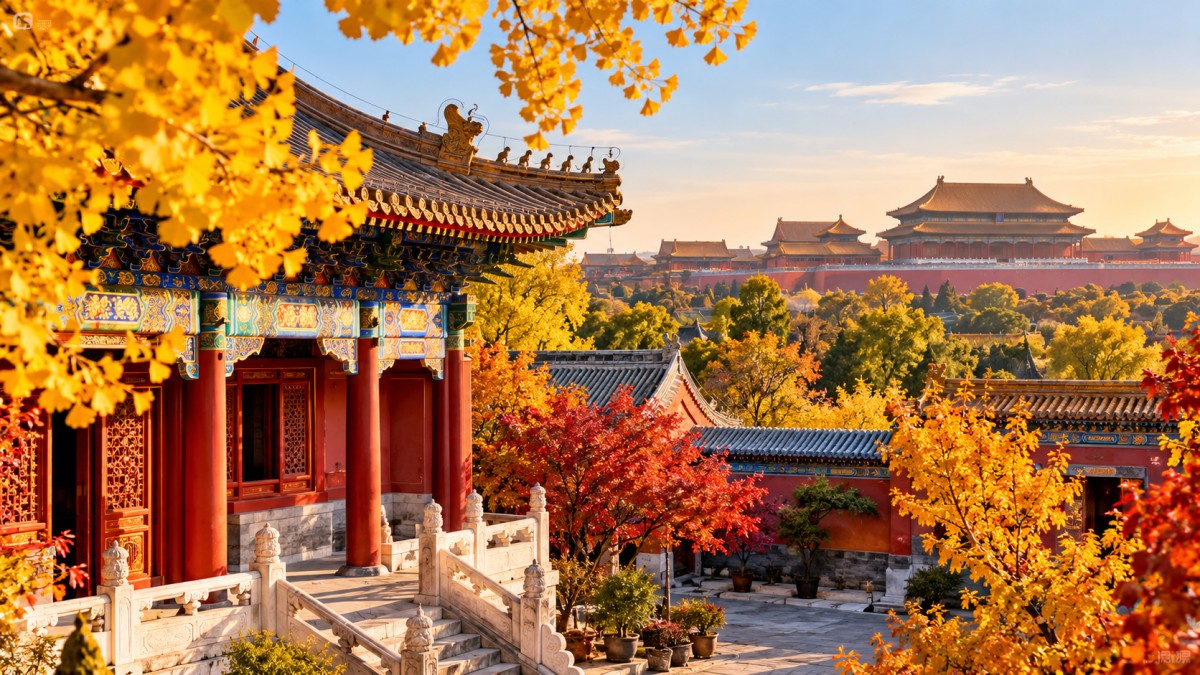
Beijing’s Pudu Temple is both picturesque and quiet, as it offers a cultural experience often found near the famous Forbidden City. As free entry is mentioned by Beijing’s tourism platform, with imperial architecture and the surrounding landscape of changing seasons, it would attract tourists to visit this historic site in China. It emphasizes the elegance of the combination of traditional architecture and seasonal colours that create a good opportunity to enjoy this ancient building. Conveniently located, Pudu Temple can be visited together with the Palace Museum.
Beijing’s Pudu Temple Brings a Peaceful Autumn Escape Near the Forbidden City
Autumn transforms central Beijing into an inviting destination for travellers who enjoy historic streets, traditional architecture and seasonal landscapes. Pudu Temple stands east of the Forbidden City, within a neighbourhood associated with Beijing’s imperial past. Its location offers visitors an opportunity to explore a lesser-known landmark without travelling far from the capital’s established cultural attractions.
Advertisement
Advertisement
Unlike the extensive Palace Museum complex, Pudu Temple offers a more compact heritage experience. Visitors can appreciate traditional architectural details and the surrounding historic streets at a gentler pace. Beijing’s tourism authorities recommend allowing approximately two hours for a visit, although the time required depends on accessibility, individual interests and any restrictions affecting particular buildings.
Centuries of Imperial History Make Pudu Temple a Remarkable Cultural Attraction
Pudu Temple traces its history through several periods of Chinese imperial rule. According to Beijing’s official tourism website, the site formed part of the imperial precinct during the Ming dynasty and later became associated with Prince Regent Dorgon during the early Qing dynasty. Its history connects the neighbourhood to important changes in Beijing’s political and religious landscape.
Advertisement
Advertisement
The site underwent further transformation in subsequent centuries. In 1694, the former princely residence became a religious site, while the Qianlong Emperor bestowed the name Pudu Temple in 1776. Its surviving buildings include the entrance hall and main hall. China recognised the temple as a nationally protected cultural heritage site in 2013, underlining its architectural importance.
Free Pudu Temple Admission Adds Value for Budget-Conscious Beijing Tourists
One of Pudu Temple’s strongest attractions for travellers is its published admission policy. Beijing’s official tourism listing identifies entry as free, making the site appealing to families, independent travellers and visitors exploring the city on a limited budget. This creates an opportunity to experience a nationally protected heritage landmark without adding another attraction ticket to the itinerary.
Advertisement
Advertisement
The tourism listing also describes the site as accessible throughout the day, but it does not establish unrestricted entry to every historic building. Travellers should distinguish access to the surrounding grounds from access to protected interiors. Before visiting, they should confirm current arrangements, particularly during conservation activities, special events or temporary restrictions affecting the heritage site.
Pudu Temple Visitor Information
| Visitor detail | Official information |
|---|---|
| Attraction | Pudu Temple (普度寺) |
| Location | No. 35 Puqing Front Lane, Dongcheng District, Beijing |
| Admission | Free, according to Visit Beijing |
| Suggested visit | Approximately 2 hours |
| Published opening information | Listed as open all the time; specific building access should be confirmed |
| Contact number | +86 10 85112897 |
| Nearby attraction | Forbidden City / Palace Museum |
Sources: Beijing’s official tourism listings. Admission and access arrangements may change.
Advertisement
Advertisement
Beijing’s Golden Autumn Scenery Creates Memorable Photography Opportunities
Pudu Temple’s appeal extends beyond its historical significance. Its traditional roofs, decorative architectural elements and surrounding urban landscape provide appealing subjects for autumn photography. Seasonal colours introduce another dimension to the setting, allowing travellers to capture the relationship between Beijing’s built heritage and its natural environment during the cooler months of the year.
Photographers can explore exterior perspectives, architectural compositions and streetscape details while respecting any restrictions around protected structures. Morning visits may provide softer natural light, while later afternoon conditions can create warmer tones. Autumn foliage depends on prevailing weather conditions, so visitors should not assume that the colour of trees will remain unchanged throughout October and November.
Forbidden City Tickets Help Travellers Plan an Affordable Combined Heritage Tour
Tourists can combine Pudu Temple with the nearby Forbidden City, although the attractions follow different admission arrangements. The Palace Museum charges CNY 60 during its high season from 1 April to 31 October and CNY 40 during the low season from 1 November to 31 March. Separate exhibitions may require additional admission payments.
The Palace Museum does not sell same-day admission tickets. Travellers must reserve admission through authorised official channels, with tickets released seven days before the intended visit. International visitors can use their passports when booking. These requirements make advance planning essential for anyone combining a spontaneous Pudu Temple visit with a scheduled Palace Museum experience.
Advertisement
Advertisement
Official Palace Museum ticket information
- High-season admission: CNY 60 per adult.
- Low-season admission: CNY 40 per adult.
- Treasure Gallery: additional CNY 10.
- Gallery of Clocks: additional CNY 10.
- Opening hours: 8.30am–5pm during high season and 8.30am–4.30pm during low season.
- Regular closure: Mondays, except specified public holidays.
Easy Central Beijing Location Makes Pudu Temple Ideal for Independent Travellers
Pudu Temple occupies a convenient position in Dongcheng District, east of the Forbidden City. Travellers can incorporate the location into a walking itinerary through Beijing’s imperial neighbourhoods. Its proximity to the capital’s historic centre reduces the need for a separate excursion outside the city and makes the attraction particularly suitable for visitors with limited sightseeing time.
Visitors should search for Pudu Temple or 普度寺 in their preferred navigation application to identify an appropriate route. Public transport, walking and taxi journeys may all be practical depending on the starting point. Travellers should check live transport information and access restrictions around the Forbidden City, where pedestrian approaches and security arrangements can affect their journey.
A Two-Stop Heritage Walk Combines Beijing’s Famous Palace With a Lesser-Known Landmark
The Palace Museum offers an extensive introduction to China’s imperial history, while nearby Pudu Temple presents a more intimate example of the same historical landscape. Combining the destinations helps travellers understand how palaces, residences and religious buildings formed part of Beijing’s wider imperial precinct, rather than viewing individual landmarks as isolated monuments.
A practical itinerary can begin with a pre-booked Palace Museum visit, followed by a walk towards Pudu Temple after leaving through the eastern exit. Travellers who prefer a shorter day can visit Pudu Temple independently. Either approach supports a flexible cultural excursion, provided visitors allow sufficient time for walking, security procedures and possible access restrictions.
Autumn Travel Tips Help Visitors Experience Beijing’s Historic Landmarks Comfortably
Autumn sightseeing rewards travellers who plan around daylight, seasonal temperatures and changing outdoor conditions. Comfortable shoes are particularly useful because Beijing’s historic districts encourage walking between landmarks. Visitors may also benefit from carrying water, a light jacket and a charged telephone for navigation, translation and access to digital booking confirmations.
Advertisement
Advertisement
Pudu Temple is a protected heritage site, so visitors should respect barriers, photography instructions and conservation notices. Travellers should also avoid assuming that free entry guarantees access to every interior space. Checking information through official tourism channels before departure will help prevent inconvenience and support a more enjoyable visit to the historic neighbourhood.
Pudu Temple Strengthens Beijing’s Appeal Beyond Its Famous Tourist Attractions
Pudu Temple is an example of the idea that smaller historical sites can enhance your trip to the capital. When thinking of Beijing, tourists will often picture the biggest known sites, like the Great Wall and the Forbidden City, while the city is full of historical neighborhoods but also of less popular temples that enhance the knowledge of their culture through architectural design, urban history, and the preservation of traditional places. For those visiting in autumn, there are many reasons for visiting the temple: convenient location, free entrance, importance to the city’s history, and beautiful seasonal scenery. Its increasing fame because of promotional campaigns makes it even more appealing for the travelers who would consider visiting Beijing as an option.
Advertisement
