
Ireland and More European Countries Unleash a Halloween Tourism Boom With Giant Pumpkins and Night Parades

Published
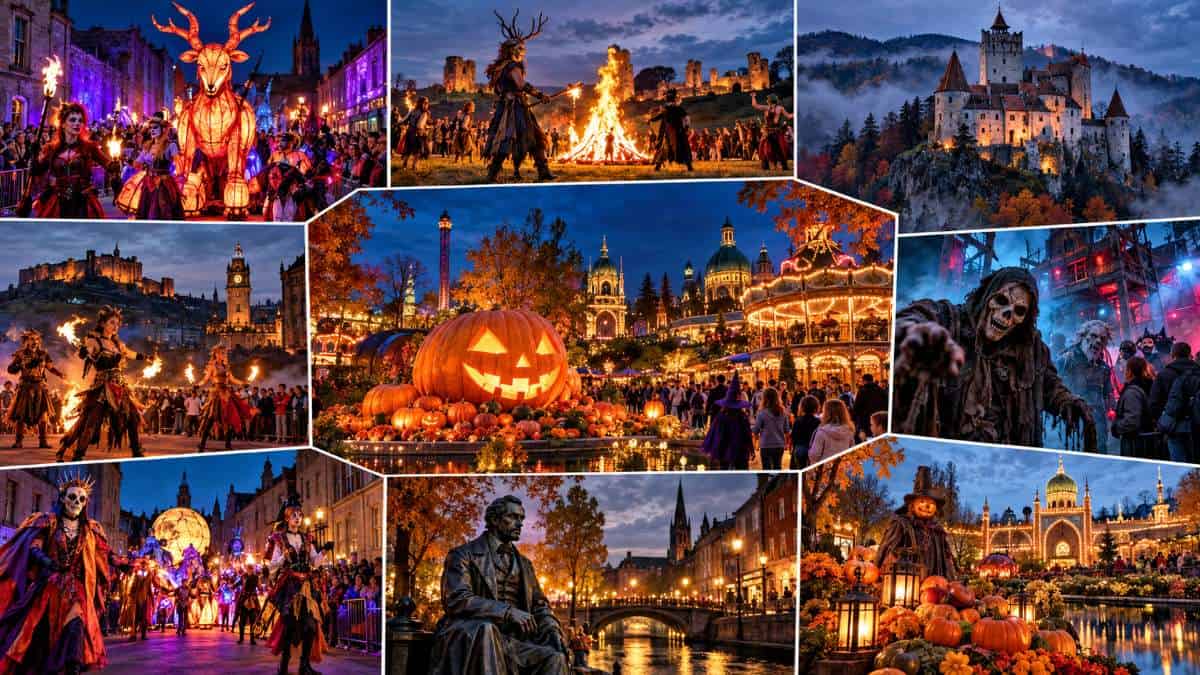
Halloween is driving a new tourism boom across Ireland and more European countries in 2026, as travellers seek terrifying attractions, giant pumpkins and spectacular night parades. Cities and historic destinations are preparing seasonal celebrations that combine ancient traditions, haunted experiences, family entertainment and vibrant street festivals. Ireland remains a major attraction for visitors interested in the Celtic roots of Halloween, while other European countries are adding their own distinctive flavours to the celebrations. From elaborate horror attractions to illuminated streets and themed amusement parks, these events are giving travellers more reasons to explore Europe during the autumn season. Moreover, the growing popularity of Halloween tourism is creating fresh opportunities for hotels, restaurants, local businesses and cultural attractions. However, each destination offers a different experience, making it important for visitors to plan carefully. Travel And Tour World explores the countries leading this Halloween tourism boom, the attractions drawing attention in 2026, and the spectacular night parades and seasonal experiences travellers should not miss.
Halloween 2026 in Europe: From Ireland’s Ancient Samhain Traditions to Dracula’s Castle in Romania, Discover Festivals Anyone Can Join
Europe offers a striking mix of ancient folklore, historic celebrations and modern Halloween entertainment every autumn. From Ireland’s fire-lit festivals to Scotland’s atmospheric street performances and Romania’s Gothic castle experiences, travellers can discover how different communities mark the season. Public parades, storytelling, costume parties, pumpkin displays and haunted attractions give visitors plenty of ways to join the celebrations.
Advertisement
Advertisement
Halloween falls on 31 October, but its cultural significance extends beyond one evening. In some destinations, it connects with centuries-old seasonal customs and beliefs about the spirit world. Elsewhere, it has become a popular occasion for family outings, themed nightlife and commercial entertainment.
“Halloween is becoming an exciting opportunity for travellers to discover Europe beyond its traditional summer season. From Ireland’s ancient Samhain heritage to Romania’s Gothic legends and Denmark’s family-friendly festivities, these celebrations showcase the continent’s cultural diversity while creating new opportunities for tourism, local businesses and meaningful travel experiences,” said Anup Kumar Keshan, Founder and Editor-in-Chief, Travel And Tour World.
Advertisement
Advertisement
The 2026 season offers particularly strong reasons to explore these traditions. Ireland is expanding its Home of Halloween programme, while destinations across the continent are preparing experiences for families, cultural travellers and thrill-seekers. However, celebrations differ considerably between countries. Understanding these differences helps visitors choose experiences that offer more than costumes and spooky decorations.
Why Halloween Holds a Special Place in European Culture
The story begins with Samhain, an ancient Celtic seasonal festival associated particularly with Ireland and Scotland. Samhain marked the end of the harvest and the transition towards winter. Historical traditions included communal gatherings, fires, feasting, and storytelling.
Advertisement
Advertisement
Folklore associated this period with a closer relationship between the human world and the supernatural. People told stories about spirits and otherworldly beings, while customs involving disguises and protective fires developed around these beliefs. These traditions helped shape modern Halloween’s cultural background, although the festival has changed considerably over time.
Ireland remains especially important to this history. The country’s tourism authorities promote its connections with Samhain through heritage sites, performances and seasonal festivals. County Meath, in particular, features prominently in accounts of ancient Irish seasonal celebrations.
Scotland shares related Celtic traditions. Its historical folklore, medieval towns and stories of witches, spirits and unexplained events continue to influence Halloween experiences. Visitors can explore these themes through guided walks, historic sites and live performances.
Religion also influences the wider autumn calendar. All Saints’ Day falls on 1 November in many Christian traditions, followed by All Souls’ Day on 2 November. These observances have long provided occasions to honour saints and remember the dead. In several European countries, families visit cemeteries, place flowers on graves and light candles.
Halloween and these religious observances are connected through their dates and overlapping themes of remembrance, but they are not interchangeable. Some communities enthusiastically embrace Halloween parties, while others place greater emphasis on religious services and family traditions.
Modern tourism has added another dimension. Festivals now combine historical storytelling with theatre, music, illuminated installations, food markets, and attractions. This approach gives visitors an opportunity to experience local culture while supporting businesses during the autumn shoulder season.
Advertisement
Advertisement
How Many European Countries Celebrate Halloween?
There is no universally accepted official count of European countries that celebrate Halloween. The answer depends on what qualifies as a celebration. A country may host public festivals and costume parades, while another may see Halloween mainly through private parties, amusement parks and commercial events.
Nevertheless, travellers can find Halloween-related activities in at least 15 European countries, including Ireland, the United Kingdom, Romania, Germany, France, Italy, Spain, Denmark, the Netherlands, Belgium, Austria, Switzerland, Poland, Sweden and the Czech Republic.
This list is a practical guide rather than an official national tally. It does not mean that Halloween enjoys the same popularity everywhere or that every region within each country celebrates it.
Ireland and Scotland provide particularly strong connections with Celtic heritage. England offers costume events, ghost tours and themed entertainment. Romania attracts visitors through its association with Transylvanian legends and Dracula. Germany offers horror attractions and seasonal entertainment, while Denmark provides family-friendly experiences through attractions such as Copenhagen’s Tivoli Gardens.
France, Italy and Spain combine modern Halloween activities with their own cultural and religious observances around the beginning of November. Elsewhere, visitors can find themed nightlife, local parties and seasonal events in major cities.
The distinction is important for travel planning. A country with a famous Halloween attraction may not celebrate the occasion as a widespread national tradition. Travellers should therefore research individual destinations and event programmes instead of assuming that the entire country will be involved.
Advertisement
Advertisement
Ireland Brings Ancient Samhain Traditions to Life
Ireland offers one of the clearest connections between Halloween and its historical origins. Its modern celebrations draw on Samhain through folklore, communal performances, fire displays and cultural events.
The country’s Home of Halloween initiative is helping to bring these experiences to a wider audience. According to Fáilte Ireland, the programme supported more than 830 events across the island in 2025, attracting over 322,000 domestic and international visitors and generating more than €43 million in economic impact.
The 2026 programme includes the flagship Púca Festival and Derry Halloween, alongside activities across seven destination hubs in the Republic of Ireland and an expanded programme in Northern Ireland.
These celebrations demonstrate how historic traditions can support contemporary tourism. Rather than presenting Halloween solely as a night of frightening costumes, organisers use storytelling, music, heritage experiences and local food to connect visitors with the communities behind the celebrations.
Derry Halloween, Northern Ireland
Derry Halloween returns from 28 October to 1 November 2026, marking its 40th anniversary. The historic walled city becomes a setting for folklore-inspired installations, performances, trails and public festivities.
One of the highlights is the Halloween parade on 31 October, scheduled for 7 pm, followed by fireworks. Visitors can also explore the Awakening the Walled City Trail, which uses performances and installations to bring local legends and the city’s cultural history to life.
Advertisement
Advertisement
The festival welcomes visitors who want to experience a large public celebration. Travellers can watch the parade, explore the city and enjoy the atmosphere without needing to join a performing group.
Púca Festival, County Meath
Running from 29 October to 1 November 2026, Púca Festival takes place in Trim and Athboy. The event draws inspiration from Samhain and the shape-shifting Púca spirit in Irish mythology.
Its programme combines music, folklore, food, fire performances and theatrical spectacles. Visitors can explore the historic towns, attend scheduled performances and discover the traditions that influence the festival.
Púca is particularly suitable for travellers who want a cultural experience alongside Halloween entertainment. The combination of heritage settings and contemporary performances provides a different perspective on the season.
Scotland Combines Folklore with Fire and Storytelling
Scotland provides another important destination for visitors interested in the historical side of Halloween. Its traditions include Samhuinn, seasonal folklore and stories associated with witches, spirits and the supernatural.
Edinburgh is especially appealing because its historic streets, underground vaults and medieval architecture create an atmospheric setting for guided experiences.
Advertisement
Advertisement
The Samhuinn Fire Festival is scheduled for 31 October 2026 at Cal ton Hill. It uses fire, costumes and dramatic performances to interpret the transition between seasons. Visitors should consult the organiser’s information for ticketing, access arrangements and event details.
The city also offers Halloween ghost tours. These guided walks take visitors through historic streets and underground spaces while storytellers recount local legends and episodes from the city’s past.
Some tours focus on supernatural folklore, while others explore documented historical events, including Scotland’s witch trials. This distinction allows visitors to choose between theatrical entertainment and more serious historical interpretation.
Paisley, near Glasgow, offers another public celebration. Its Halloween Festival is scheduled for 23 and 24 October 2026, featuring a parade, installations and street performances. It provides a useful alternative for families and travellers who want to experience a community event outside the capital.
Romania Turns Gothic Legends into a Visitor Experience
Romania offers a different approach to the season. Transylvania’s landscapes, historic architecture and association with vampire folklore make it an attractive destination for travellers seeking a darker atmosphere.
Bran Castle is central to this appeal. Although popular culture often associates the castle with Dracula, the historical figure Vlad the Impaler and Bram Stoker’s fictional vampire are not the same person. Nor does the castle’s popularity as a Dracula attraction prove that the novel’s fictional events occurred there.
Advertisement
Advertisement
The attraction lies in the setting, the legends and the opportunity to explore the relationship between history and popular imagination.
Bran Castle’s official 2026 programme, The Legend of Dracul, runs on selected dates from 24 October to 1 November. The programme uses historical material, urban myths and atmospheric tours to create an immersive experience. The organisers describe it as primarily designed for adults while remaining suitable for a wider audience.
Travellers should check the available dates and ticket packages carefully. The programme does not necessarily run in the same format every day, and booking is advisable.
Germany Offers Horror Attractions for Thrill-Seekers
Germany illustrates how Halloween has developed into a modern entertainment event in parts of continental Europe. Seasonal activities can include costume parties, horror attractions and themed experiences designed for visitors seeking an adrenaline rush.
Theme parks provide a particularly accessible way to participate. They offer organised activities, published opening times and clear entry arrangements, which can make planning easier for international travellers.
However, horror attractions are not suitable for everyone. Some experiences involve intense scare actors, dark environments or age restrictions. Visitors should review individual attraction rules before purchasing tickets.
Advertisement
Advertisement
Germany’s wider autumn calendar also includes pumpkin displays and harvest-related events. These provide a gentler alternative for families and travellers who prefer seasonal scenery to frightening entertainment.
For visitors, the appeal is the choice. A Halloween trip can centre on a high-intensity horror experience, a family outing or a combination of seasonal activities.
Denmark Makes Halloween Accessible to Families
Copenhagen offers a more playful interpretation of the season through Halloween at Tivoli Gardens. The famous amusement park is scheduled to host its Halloween season from 2 October to 1 November 2026.
The gardens feature autumn decorations, more than 20,000 pumpkins, themed food stalls, entertainment and rides. Children can take part in activities such as pumpkin carving, while adults can enjoy the seasonal atmosphere and amusement rides.
The programme also includes Monsters Night Out, a parade scheduled for 24 October at 6 pm. The event features costumed monsters and other frightening characters and is included with Tivoli admission, according to the park’s published information.
This makes Tivoli a useful option for visitors travelling with children or people who prefer a festive rather than frightening atmosphere. The park also offers haunted houses for those who want a more intense experience, although these may not suit young children.
Advertisement
Advertisement
Can International Tourists Join These Celebrations?
In general, yes. Many European Halloween events welcome international visitors, including tourists who have no connection with the local community.
The level of participation depends on the event. Public parades and outdoor festivals often allow visitors to watch performances and enjoy the atmosphere without registering. Ticketed attractions, guided tours and private parties require visitors to follow the organiser’s entry conditions.
Travellers can take part in several ways:
- Watch public parades: Attend scheduled street celebrations and enjoy the costumes, performances and music.
- Join guided tours: Learn about local folklore, historic buildings and the stories associated with a destination.
- Book themed attractions: Visit castles, haunted houses or amusement parks offering seasonal programmes.
- Attend cultural performances: Explore storytelling, theatre, concerts and fire displays where public access is available.
- Join family activities: Participate in pumpkin carving, seasonal workshops and children’s entertainment.
- Explore local food: Visit festival markets and restaurants offering autumn dishes and seasonal specialities.
Visitors should not assume that every activity is free. A festival may combine free outdoor performances with separately ticketed attractions. Some events also require reservations, and participation in an official parade or performance may involve additional approval.
Costumes are often welcome at Halloween parties, but they may be restricted in certain attractions for safety reasons. Visitors should follow instructions from event staff and respect local customs, particularly around religious observances and cemeteries.
How Halloween Tourism Is Changing Autumn Travel
The growing range of seasonal experiences demonstrates how destinations can turn cultural heritage into a reason to travel outside the traditional summer season.
Advertisement
Advertisement
Ireland provides a particularly clear example. Its Home of Halloween programme links several destinations through a shared cultural theme while encouraging visitors to explore towns and regions beyond the largest cities. The reported 2025 attendance and economic impact figures demonstrate the scale that coordinated seasonal programming can achieve.
Other destinations offer different models. Copenhagen combines Halloween with an established amusement park, while Bran Castle builds experiences around Gothic legends and historic architecture. Edinburgh uses storytelling and historic locations to attract visitors interested in folklore and local history.
These approaches appeal to different audiences. Families may prefer pumpkin festivals and seasonal rides. Cultural travellers may prioritise Samhain traditions and heritage sites. Horror enthusiasts may choose haunted attractions or Gothic-themed events.
For destinations, the challenge is to balance entertainment with authenticity. Historical traditions become more meaningful when organisers explain their origins instead of reducing them to decorative themes. Visitors also benefit when events provide clear information about access, ticketing, age restrictions and local transport.
Planning a European Halloween Trip in 2026
Travellers should begin by deciding what kind of experience they want. Ireland is a strong choice for heritage-led festivals and large public celebrations. Scotland suits visitors interested in folklore, fire performances and guided historical walks. Romania appeals to those drawn to Gothic settings, while Denmark offers a family-friendly amusement park experience.
Dates matter. Some festivals take place over several days, while individual performances may run only once. Visitors should check official event websites before booking flights and accommodation.
Advertisement
Advertisement
Accommodation near major festival locations may be in high demand around 31 October. Booking early can help travellers secure a convenient base, while checking public transport arrangements can make it easier to attend evening events.
Weather is another consideration. Late October and early November can be cold, wet or windy in parts of northern Europe. Comfortable walking shoes, warm layers and waterproof clothing are sensible choices for outdoor parades and guided tours.
Finally, travellers should allow time to explore beyond the event itself. Historic towns, museums, local restaurants and nearby landscapes can provide a fuller understanding of the destination.
A Season That Connects History, Community and Travel
Halloween offers visitors a way to encounter Europe’s cultural diversity through celebrations that range from ancient seasonal traditions to contemporary entertainment. Ireland and Scotland provide particularly strong links with Celtic folklore, while Romania, Germany and Denmark show how destinations have developed distinctive experiences around the season.
There is no single European model and no definitive official count of countries celebrating Halloween. That diversity is part of its appeal. Travellers can choose between heritage festivals, public parades, guided tours, family activities and immersive attractions, depending on their interests.
For those planning an autumn journey, the most rewarding experience may be one that goes beyond the spectacle. Understanding the stories, customs, and communities behind a celebration turns a seasonal event into a deeper travel experience.
Advertisement
