
Türkiye Joins Spain and More as Europe Winter Travel Booms with Sun Snow and Crowd Free Escapes

Published
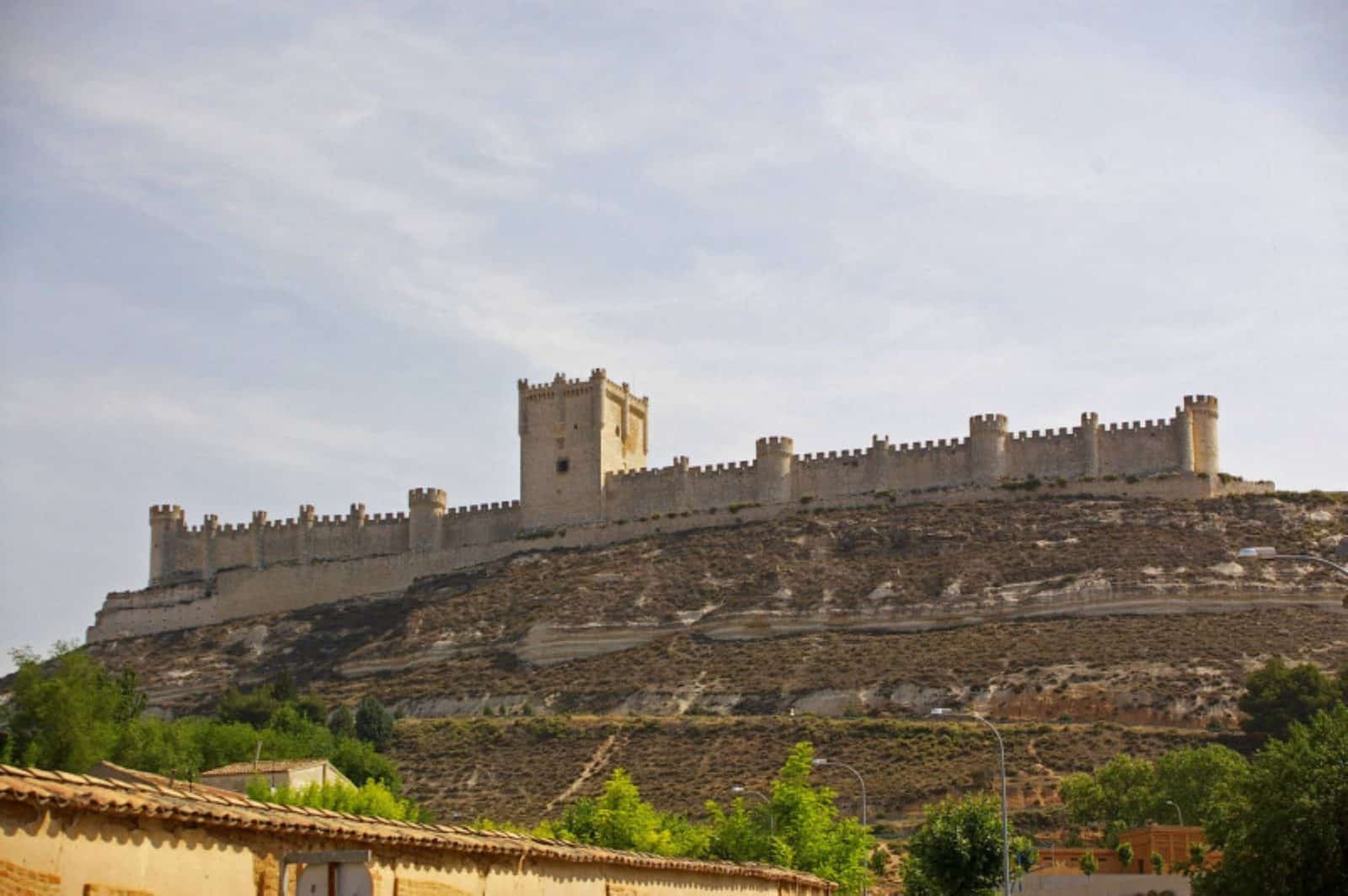
Türkiye joins Spain and more European destinations as Europe winter travel booms with sun, snow and crowd free escapes, giving travellers more ways to explore the continent beyond its busy summer season. Türkiye’s Cappadocia has spectacular scenes and old civilization sites, and Spain has the Canary and Balearic Islands, and Fuerteventura, for sun and beach. There is also mountain fun in Eryri (Snowdonia) in Wales. The Portuguese offer Alentejo, and Madeira, and Spain has a variety of other offers as well. These places show the possibilities for travel during the winter and help tourism in Europe since people can visit different places for their holidays throughout the year.
Europe Winter Travel 2026 Expands Beyond the Traditional Summer Holiday Season
Europe winter travel in 2026 offers travellers a remarkably broad mix of experiences rather than a single cold-season holiday model. Türkiye provides cultural landscapes and heritage in Cappadocia. Spain’s Canary Islands strengthen the winter-sun proposition, while Wales offers mountains and outdoor adventure around Eryri. Portugal adds another dimension through Madeira and Alentejo. Current official tourism statistics also demonstrate that these countries enter the winter planning period with substantial visitor economies. The combination of heritage, islands, mountains, outdoor activities and rural destinations makes winter an increasingly diverse period for European travel rather than simply the gap between two summer seasons.
Advertisement
Advertisement
- Türkiye combines winter landscapes with major cultural attractions.
- Spain’s Canary Islands maintain a powerful leisure tourism market.
- Wales provides mountain, outdoor and short-break experiences.
- Portugal combines Madeira’s island tourism with Alentejo’s rural appeal.
- Winter allows travellers to build trips around culture, nature and outdoor activities rather than beaches alone.
| Country | Winter travel focus | Featured destination | Official tourism signal |
|---|---|---|---|
| Türkiye | Heritage and landscapes | Cappadocia | Q1 2026 tourism revenue rose 4.2% |
| Spain | Island and winter leisure | Fuerteventura | Canary Islands received 1.5m tourists in July 2026 |
| UK | Mountains and outdoors | Eryri, Wales | Wales recorded 7.76m domestic overnight trips in 2025 |
| Portugal | Islands, nature and rural travel | Madeira and Alentejo | Portugal recorded 18.5m guests in Jan–Jul 2026 |
Türkiye Winter Travel Puts Cappadocia’s Extraordinary Heritage at the Centre
Cappadocia gives Türkiye winter travel a cultural dimension that does not depend entirely on warm weather. Göreme Open-Air Museum is particularly important. Türkiye’s Ministry of Culture and Tourism describes the site as a rock settlement associated with monastic life from the fourth to the thirteenth centuries. Churches, chapels, dining spaces and living areas were carved into the rocks, creating an attraction that connects landscape and history. The official museum portal lists Göreme as open daily. Türkiye’s tourism economy also entered 2026 strongly: first-quarter tourism revenue reached almost US$9.90 billion, an increase of 4.2% year on year.
- Göreme Open-Air Museum is an established cultural attraction in Cappadocia.
- The complex contains rock-cut churches, chapels and former living spaces.
- The site has been included within UNESCO’s World Heritage framework since 1985.
- Official information currently lists the museum as open every day.
- Türkiye recorded more than 9.25 million departing visitors during Q1 2026.
| Türkiye tourism indicator | Latest verified figure |
|---|---|
| Q1 2026 tourism revenue | US$9.896bn |
| Annual revenue growth | 4.2% |
| Q1 departing visitors | 9.258m |
| Visitor growth | 1.5% |
| Average nightly spending by overnight visitors | US$102 |
Cappadocia Winter Holidays Combine Rock Landscapes Underground Heritage and Cultural Discovery
A Cappadocia winter holiday can extend well beyond viewing its famous landscape. Türkiye’s Ministry of Culture and Tourism lists Göreme, Zelve-Paşabağları, Derinkuyu Underground City, Kaymaklı Underground City and Özkonak Underground City among Nevşehir’s visitor attractions covered by its 2026 tourism-season schedule. This concentration of archaeological and cultural sites gives travellers alternatives when weather conditions change. Göreme itself contains several significant churches and monastic structures. The broader proposition is therefore especially useful for winter itinerary planning: travellers can combine outdoor landscapes with protected heritage and underground attractions instead of making an entire journey dependent upon one weather-sensitive activity.
Advertisement
Advertisement
- Cappadocia offers both outdoor scenery and indoor or underground heritage.
- Derinkuyu and Kaymaklı broaden the regional sightseeing itinerary.
- Göreme provides an extensive concentration of rock-cut religious heritage.
- Travellers should verify seasonal opening hours before individual visits.
- Weather-dependent experiences should not be the only component of a winter itinerary.
| Cappadocia attraction | Main travel interest |
|---|---|
| Göreme Open-Air Museum | Rock-cut religious heritage |
| Derinkuyu | Underground city |
| Kaymaklı | Underground heritage |
| Zelve-Paşabağları | Archaeological landscape |
| Özkonak | Underground city |
Spain Winter Sun Keeps Fuerteventura and the Canary Islands Highly Relevant
Spain’s winter sun holidays have a major advantage in the Canary Islands: tourism operates at significant scale beyond the continental European summer season. Official Canary Islands statistics recorded 1.5 million tourists in July 2026, 2.7% more than a year earlier. International visitors represented 84% of arrivals. More importantly for the winter market, December 2025 still produced 1.65 million tourist arrivals across the islands. Fuerteventura accounted for 14% of Canary Islands tourists that month. The figures demonstrate why the archipelago, including Fuerteventura, functions differently from destinations whose tourism demand is concentrated overwhelmingly around the European summer.
Advertisement
Advertisement
- Canary Islands tourism continues across different seasons.
- The archipelago welcomed 1.65 million tourists in December 2025.
- Fuerteventura accounted for 14% of Canary Islands arrivals that December.
- Britain remained the largest source market for the Canary Islands.
- Holiday travel was the principal reason for visits recorded in the official December statistics.
| Canary Islands indicator | Official figure |
|---|---|
| Tourists, July 2026 | 1.5m |
| July annual growth | 2.7% |
| International share, July | 84% |
| Tourists, December 2025 | 1.65m |
| Fuerteventura share, December 2025 | 14% |
Fuerteventura Strengthens Spain’s Winter Holiday Appeal Through High Accommodation Demand
Fuerteventura’s importance becomes clearer when accommodation performance is considered. The Canary Islands Statistics Institute reported that the archipelago’s hotels and non-hotel establishments generated 9.6 million overnight stays in August 2026, up 2% year on year. Around eight in every ten overnight stays were made by foreign tourists. Fuerteventura recorded the highest room and apartment occupancy rate among the Canary Islands during the month. Across the archipelago, room and apartment occupancy stood at 83.2%. This provides current official evidence of Fuerteventura’s ability to compete within one of Europe’s largest island tourism markets before the winter 2026–27 travel season.
- Fuerteventura led the Canary Islands for accommodation occupancy in August 2026.
- The archipelago generated 9.6 million overnight stays.
- Overnight stays increased 2% year on year.
- Foreign tourists generated around eight out of ten overnight stays.
- Canary Islands accommodation turnover reached €579 million during August.
| August 2026 Canary Islands accommodation | Result |
|---|---|
| Overnight stays | 9.6m |
| Annual overnight growth | 2.0% |
| Travellers using accommodation | 1.3m |
| Room/apartment occupancy | 83.2% |
| Accommodation turnover | €579m |
UK Winter Travel Turns Eryri Wales Into an Outdoor Adventure Alternative
Eryri in Wales provides a very different proposition from Spain’s island sunshine. Official Visit Wales material describes Eryri Mountains and Coast as an outdoor adventure hub encompassing Eryri National Park, the Llŷn Peninsula and the Cambrian Coast. Visitors can build itineraries around walking, cycling, heritage, narrow-gauge railways, coastline and mountain landscapes. Winter adds a more demanding outdoor environment. Visit Wales specifically advises that snow and ice can make Eryri challenging and highlights professionally guided mountain-skills experiences involving equipment such as crampons and ice axes. This makes preparation and appropriate expertise central to winter mountain travel rather than optional considerations.
- Eryri is a major North Wales outdoor destination.
- Winter conditions can involve snow and ice.
- Accredited guides provide winter mountain-skills activities.
- The wider destination combines mountains, coast and heritage.
- Walking, cycling and outdoor adventure can support broader winter itineraries.
| Eryri winter component | Traveller relevance |
|---|---|
| Mountain landscapes | Winter scenery |
| Guided mountain skills | Technical winter activity |
| Walking routes | Active travel |
| Heritage attractions | Alternative sightseeing |
| Coast and countryside | Wider regional itinerary |
Wales Tourism Data Shows a Strong Domestic Market Behind Eryri Holidays
Eryri sits within a Welsh visitor economy supported by substantial domestic travel. The Welsh Government’s latest provisional annual statistics, released in June 2026, show that British residents made 7.76 million overnight trips to Wales during 2025, generating 23.48 million nights and approximately £2.30 billion in expenditure. Overnight trip volume increased 2% from 2024, nights increased 5%, and expenditure rose 3%. Holiday travel performed particularly strongly: holiday trips to Wales increased 20%, holiday nights rose 23%, and spending associated with holiday trips increased 13%. These figures provide important context for the potential of destinations such as Eryri.
Advertisement
Advertisement
- Wales recorded 7.76 million domestic overnight trips in 2025.
- Those journeys generated 23.48 million nights.
- Overnight visitor spending reached £2.303 billion.
- Holiday trip volume increased 20% year on year.
- Average expenditure per overnight trip reached £297.
| Wales domestic tourism 2025 | Result |
|---|---|
| Overnight trips | 7.76m |
| Nights | 23.48m |
| Expenditure | £2.303bn |
| Average stay | 3.0 nights |
| Average spend per trip | £297 |
Portugal Winter Holidays Gain Strength From Madeira’s Year Round Visitor Economy
Madeira provides Portugal with a strong island component in the European winter holiday market. The Regional Directorate of Statistics of Madeira reported 247,400 guests and almost 1.343 million overnight stays in July 2026. More importantly, January to July produced 1.486 million guests and 7.5 million overnight stays, with both measures above the corresponding 2025 levels. Accommodation revenue also strengthened: total revenue reached €101.8 million in July, while cumulative January-to-July revenue reached €534.6 million. These figures demonstrate the scale of Madeira’s tourism economy and its ability to support accommodation, activities and longer-stay island holidays.
- Madeira recorded 247,400 guests in July 2026.
- July overnight stays reached almost 1.343 million.
- January–July overnight stays totalled 7.5 million.
- The average July stay increased to 4.89 nights.
- January–July accommodation-sector revenue reached €534.6 million.
| Madeira tourism indicator | 2026 figure |
|---|---|
| July guests | 247,400 |
| July overnight stays | 1.343m |
| Jan–Jul guests | 1.486m |
| Jan–Jul overnight stays | 7.5m |
| Jan–Jul total revenue | €534.6m |
Alentejo Gives Portugal Winter Tourism a Rural Food Wine and Heritage Dimension
Alentejo expands Portugal’s winter tourism proposition beyond island holidays. Current official data show strong momentum: Turismo de Portugal reported that Alentejo overnight stays increased 7.5% year on year in July 2026, the strongest increase among Portugal’s NUTS II regions that month. Rural accommodation is also particularly important. Official 2025 statistics show that Alentejo accounted for 23.1% of Portugal’s overnight stays in rural tourism and habitation tourism, second only to the Norte region. This provides a strong statistical foundation for positioning Alentejo around countryside stays, smaller-scale accommodation and slower regional exploration rather than conventional mass-market resort tourism.
Advertisement
Advertisement
- Alentejo recorded Portugal’s strongest regional overnight-stay growth in July 2026.
- Overnight stays increased 7.5% year on year.
- The region has a substantial share of Portugal’s rural accommodation demand.
- Alentejo accounted for 23.1% of rural and habitation tourism nights in 2025.
- Rural accommodation can broaden Portugal’s winter offering beyond major cities and islands.
| Portugal and Alentejo indicator | Latest official result |
|---|---|
| Portugal guests, Jan–Jul 2026 | 18.5m |
| Portugal overnight stays, Jan–Jul | 46.5m |
| Alentejo July overnight growth | 7.5% |
| Alentejo share of rural tourism nights, 2025 | 23.1% |
| Portugal tourism receipts, Jan–Jul | €16.525bn |
Europe Winter Tourism Can Spread Visitor Demand Across More Destinations and Experiences
The strongest travel impact comes from diversification. Türkiye, Spain, the UK and Portugal do not compete for exactly the same winter traveller. Cappadocia combines landscape with archaeology and religious heritage. Fuerteventura operates within a Canary Islands tourism economy where substantial international demand continues outside mainland Europe’s classic summer pattern. Eryri targets outdoor travel, mountain experiences and short breaks. Madeira supports an established island accommodation economy, while Alentejo adds rural tourism. Taken together, the official evidence shows how Europe winter travel can connect very different products under one seasonal market while distributing visitor expenditure across accommodation, attractions, restaurants, activities and regional destinations.
- Winter tourism can support destinations with different climates.
- Heritage attractions reduce dependence on purely outdoor experiences.
- Islands can serve travellers seeking alternatives to continental winter conditions.
- Mountain destinations create demand for specialist outdoor activities.
- Rural destinations can direct visitor spending beyond large tourism centres.
| Winter travel model | Destination example | Main tourism effect |
|---|---|---|
| Cultural winter escape | Cappadocia | Heritage and attraction demand |
| Island holiday | Fuerteventura | Accommodation and leisure demand |
| Mountain adventure | Eryri | Outdoor activity demand |
| Island nature break | Madeira | Longer accommodation stays |
| Rural escape | Alentejo | Regional and rural tourism demand |
Winter Travel Planning in Europe Requires Travellers to Look Beyond Weather Alone
Travellers comparing these destinations should consider the type of trip they want rather than simply searching for the warmest or snowiest location. Cappadocia suits travellers prioritising heritage and unusual landscapes. Fuerteventura fits an island-focused holiday. Eryri demands greater attention to mountain conditions and appropriate winter skills. Madeira supports longer island stays backed by a large accommodation sector, while Alentejo provides a lower-density regional experience. Seasonal opening times, weather, accommodation availability and activity conditions can change, so travellers should verify official destination information immediately before travelling. That approach makes Europe winter travel 2026 safer, more practical and better matched to individual holiday priorities.
- Check official attraction opening times before departure.
- Treat winter mountain conditions as a safety consideration in Eryri.
- Build weather-sensitive activities around flexible itineraries.
- Compare accommodation availability for the actual travel dates.
- Use official tourism and statistical portals for current destination information.
| Traveller priority | Destination to research | Planning consideration |
|---|---|---|
| Heritage | Cappadocia | Opening hours and weather |
| Island escape | Fuerteventura | Accommodation and seasonal conditions |
| Mountain adventure | Eryri | Weather, equipment and expertise |
| Island nature holiday | Madeira | Accommodation and activities |
| Rural tourism | Alentejo | Regional transport and accommodation |
Conclusion
Türkiye joins Spain and more destinations as Europe winter travel booms with sun, snow and crowd free escapes, creating more reasons to explore the continent beyond the traditional summer season. Spain and Portugal have good options for travel during the winter. Spain has good beach and other offers, and Portugal has the Alentejo and Madeira. The British offer dramatic adventures in Eryri (Snowdonia) and other places. These help give travelers variety during the winter, and help countries offer different experiences for travel throughout the year. This can lead to a better and more balanced tourism economy in Europe.
Advertisement
