
Ho Chi Minh City Unlocks Global Tourism Potential Through Vietnam’s New Urban Development Vision

Published
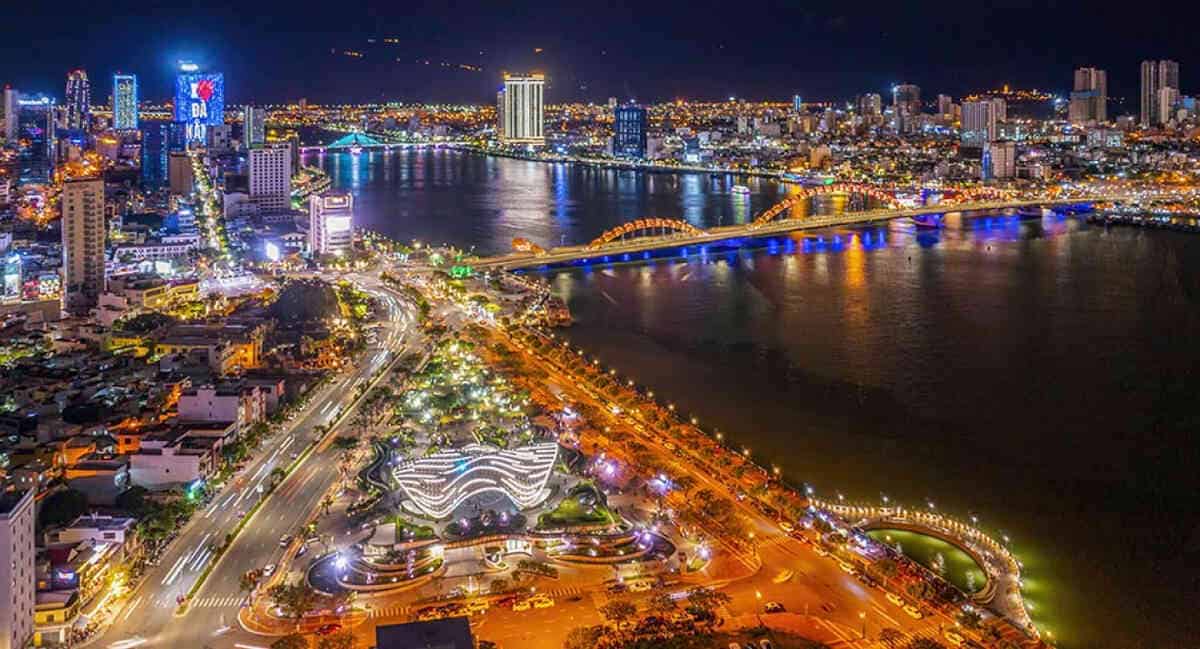
Ho Chi Minh City unlocks a new era of global tourism opportunities with a new vision of urban development, where tourism, connectivity, culture, and innovation come together as a force of the future megacity. The new law on urban development gives this city a chance to turn such advantages as transportation infrastructure, waterways, trade, technology, cultural and historical heritage, and traditions into competitive advantages.
The future of Ho Chi Minh City tourism is expected to be influenced not only by traditional attractions but also by the overall quality of urban life. A city that is easier to explore, more connected, more sustainable, and richer in cultural experiences can create stronger memories for international travellers.
Advertisement
Advertisement
The transformation reflects a wider global tourism trend where destinations are increasingly shaped by their complete urban environment rather than individual attractions.
Ho Chi Minh City’s Urban Development Vision Creates New Tourism Opportunities
The importance of the Urban Development Law for tourism does not come from creating tourism-specific policies alone. Its wider impact comes from opening opportunities for a special urban development model where new approaches can be tested across multiple sectors.
Advertisement
Advertisement
The framework creates space for stronger decentralisation, increased policymaking flexibility, and pilot programmes involving areas such as science, technology, digital transformation, culture, sports, and tourism.
Advertisement
Advertisement
This approach allows Ho Chi Minh City to move beyond traditional destination planning. Instead of viewing tourism as a separate industry, the city can develop tourism through improvements in infrastructure, public spaces, cultural environments, and economic activity.
For international visitors, the experience of a destination begins long before they enter a hotel or visit a landmark. It starts with transportation, public spaces, safety, hospitality, and the overall atmosphere of the city.
A modern destination is not built beside a city. It is created from the city itself.
Tourism Growth Depends on the Quality of the Entire Megacity
The future of Ho Chi Minh City tourism is increasingly connected with the city’s ability to improve everyday experiences. Visitors may arrive because of famous cuisine, historic locations, cultural events, or architectural attractions, but their lasting impressions are shaped by the wider urban environment.
Factors such as convenient mobility, clean streets, green areas, riverside spaces, nightlife, heritage preservation, and local interactions contribute to how travellers remember the destination.
Advertisement
Advertisement
The city’s tourism strength will therefore depend on how effectively urban development improves the visitor journey.
A traveller does not experience separate sectors such as transport, culture, hospitality, and commerce. Instead, all these elements combine into one complete city experience.
For a major international destination, tourism quality becomes a reflection of urban quality.
A city with efficient movement systems, attractive public spaces, diverse services, and strong cultural identity naturally becomes more appealing to global travellers.
Smart Connectivity Can Transform How Visitors Explore Ho Chi Minh City
Transport development is expected to play an important role in strengthening the city’s tourism potential.
Advertisement
Advertisement
The concept of transit-oriented development connects transport infrastructure with commercial areas, public spaces, services, and community facilities. This approach can change how visitors discover the city.
Metro networks are not only designed to reduce travel time. They can create new tourism routes by connecting different neighbourhoods and bringing visitors closer to:
- Cultural districts
- Food destinations
- Heritage areas
- Shopping locations
- Entertainment zones
- Creative spaces
A city that is easier to navigate becomes easier to explore.
Improved connectivity can encourage travellers to move beyond traditional tourist centres and discover more diverse experiences across the urban landscape.
This creates opportunities for smaller businesses, cultural venues, local communities, and emerging tourism areas.
Advertisement
Advertisement
Rivers and Coastline Could Become New Tourism Assets
Ho Chi Minh City’s relationship with water is another important part of its future tourism development.
The city’s rivers and coastal areas provide opportunities to expand beyond a traditional downtown-focused model. Through improved infrastructure and new economic strategies, waterways could become important elements of the city’s tourism identity.
Future development could strengthen experiences linked with:
- Riverside leisure
- Marine activities
- Waterfront dining
- Cultural journeys
- Coastal connections
The integration of river and coastal resources could help position Ho Chi Minh City as a more diverse destination while strengthening its role within regional economic networks.
Water-based urban development can also create new spaces where residents and visitors interact, making the city more attractive as both a living environment and a tourism destination.
Advertisement
Advertisement
Economic Growth Will Support Tourism Expansion
The growth of commercial zones, logistics areas, and international business activity can indirectly strengthen tourism.
The development of new economic spaces can attract:
- International companies
- Investors
- Business travellers
- Conference visitors
- Creative professionals
As more global communities interact within the city, demand increases for better services, restaurants, entertainment options, cultural activities, and hospitality experiences.
Tourism does not always grow through tourism projects alone.
A stronger business environment can create the conditions for a more vibrant visitor economy.
Advertisement
Advertisement
The city’s ambition is not simply to create more attractions but to build an urban ecosystem where tourism develops naturally from economic and social activity.
Culture and Heritage Can Shape Ho Chi Minh City’s Global Identity
Modern infrastructure alone does not create a memorable destination. Many cities around the world have advanced buildings, shopping centres, airports, and entertainment districts.
What makes a city unique is its identity.
For Ho Chi Minh City, cultural depth comes from the combination of history, communities, cuisine, architecture, street life, and traditions that continue to evolve.
The protection and promotion of heritage, cultural spaces, and creative industries can help preserve the city’s character while supporting tourism growth.
Advertisement
Advertisement
Visitors increasingly seek authentic experiences rather than only iconic landmarks.
The city’s neighbourhoods, markets, waterways, food culture, and historic areas provide opportunities for travellers to experience everyday Vietnamese life.
The strongest tourism products may not always be specially created attractions. Sometimes, the most valuable experiences come from allowing visitors to participate in the real rhythm of the city.
Tourism Can Strengthen Vietnam’s Global Image and Soft Power
The influence of Ho Chi Minh City tourism extends beyond visitor numbers and economic benefits.
Tourism creates direct human connections between Vietnam and the rest of the world.
Advertisement
Advertisement
Visitors who experience the city’s culture, hospitality, history, and modern development carry those impressions back to their own countries.
Positive experiences can contribute to stronger international understanding, cooperation, and long-term relationships.
Ho Chi Minh City also has a unique historical position. The city carries memories of Vietnam’s past while representing the country’s modern transformation.
A visitor can explore historic locations connected with earlier periods and then experience a dynamic city shaped by innovation, international cooperation, and cultural exchange.
This contrast creates a powerful story of change and development.
Advertisement
Advertisement
Ho Chi Minh City Can Become a Gateway to Vietnam’s Wider Tourism Future
The city’s future role is not only about attracting visitors within its own boundaries.
A major urban centre gains strength through connections with surrounding regions.
By becoming a stronger transport, economic, and cultural hub, Ho Chi Minh City can help visitors discover wider Vietnamese experiences.
The city can serve as a meeting point where different parts of Vietnam connect with global travellers.
The Urban Development Law alone cannot create a world-class destination. However, it can provide opportunities for the city to develop the systems, infrastructure, and identity needed to strengthen its global position.
Advertisement
Advertisement
When urban growth creates a city that is more connected, more liveable, more culturally rich, and more open to the world, tourism becomes the strongest expression of that transformation.
Ho Chi Minh City can increase its appeal to global tourism by developing a new vision of the urban region by combining infrastructure, culture, technology, and heritage. This is because it will create a megacity with improved appeal and help promote Vietnam as a preferred global destination.
Ho Chi Minh’s future tourism attractiveness will be determined not only by the images but also by the experiences that it will provide and the memories that it will create in the minds of visitors.
Advertisement
