
How Bordeaux Airport Ground Electrification Transforms Modern French Travel?

Published
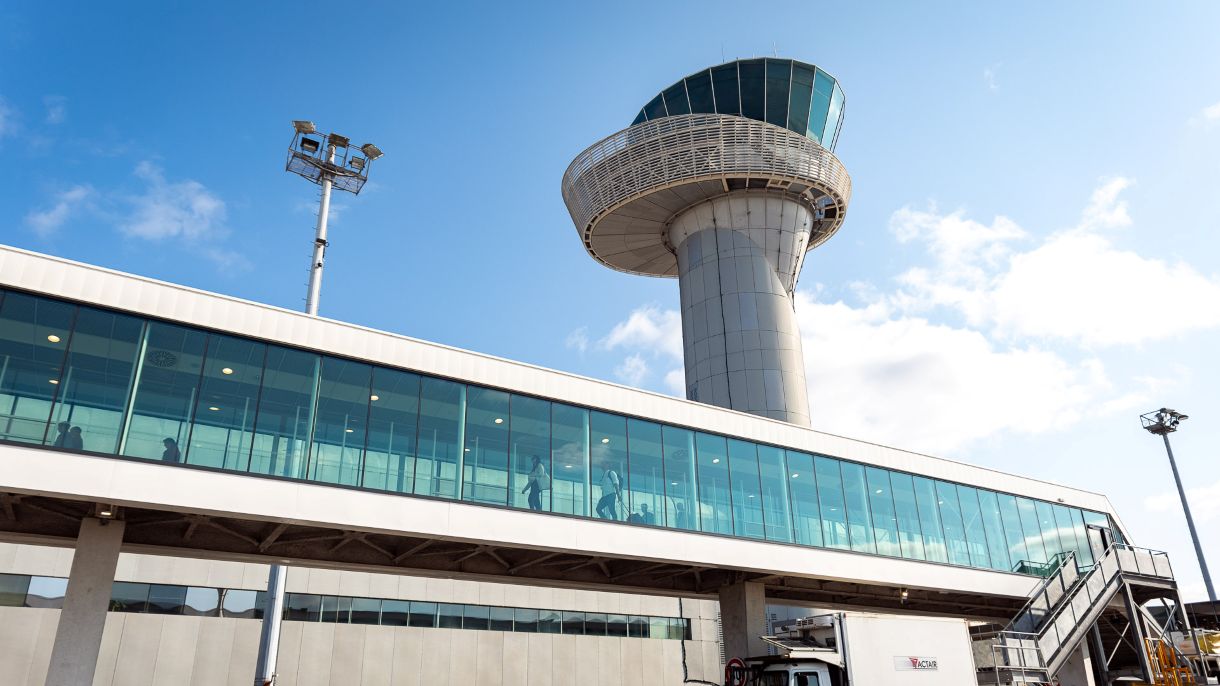
Bordeaux Airport ground electrification transforms the landscape of French travel. This marks a radical shift in European aviation. The French hub has completed a massive €6.5 million upgrade. This infrastructure project targets commercial aircraft on stopovers. Airlines can now switch off their auxiliary power units. These are known universally as APUs. This move completely eliminates fossil fuel use during ground operations.
The European Union strongly backs this environmental initiative. Climate agencies expect profound regional and international impacts. Modern aviation faces immense pressure to decarbonise quickly. This development sets a powerful precedent for regional airports. The French Civil Aviation Authority monitors these changes closely. Holidaymakers travelling to Bordeaux will notice quieter airport operations. Better air quality around the terminals is another major benefit. This aligns perfectly with wider sustainability goals across Europe.
Breaking Down the Technical Hardware
The technical execution of this project is highly impressive. The finalised infrastructure covers all 29 passenger parking stands. Every single stand now features 400 Hz electrical outlets. Twenty of these are newly electrified positions. These outlets deliver 100 percent renewable electricity directly to planes. The aircraft systems receive consistent, clean power during turnarounds.
Additionally, the airport deployed 20 mobile Pre-Conditioned Air units. These are technically known as PCA units. PCA units maintain passenger comfort in the aircraft cabin. They provide climate control without burning traditional aviation fuel. This hardware prevents massive amounts of unnecessary pollution. The deployment followed strict guidelines from aviation safety boards. The European Aviation Safety Agency (EASA) approved the operational standards.
Advertisement
Advertisement
- Component 1: 400 Hz Fixed Electrical Ground Power.
- Component 2: Mobile Pre-Conditioned Air (PCA) units.
- Component 3: Zero-emission ground handling infrastructure.
These technical solutions are robust and highly reliable. They ensure that flight crews experience no operational delays.
Tackling Scope 3 Emissions Targets
Scope 3 emissions remain a massive challenge for aviation. These are the indirect emissions generated by airline partners. Airports themselves do not produce these specific exhaust gases. However, airports must provide the infrastructure to reduce them. By offering these power solutions, Bordeaux changes the paradigm.
Advertisement
Advertisement
Airlines no longer need to burn jet fuel while parked. This simple change yields extraordinary environmental results. The airport projects a reduction of 4,100 tonnes of CO2. This annual target will be reached by the year 2027. The World Travel & Tourism Council (WTTC) applauds this metric. Reducing Scope 3 emissions improves the entire sector’s carbon footprint. It allows airlines to claim better environmental, social, and governance ratings. It also appeals directly to environmentally conscious modern travellers.
The CINEA and EU Funding Framework
This €6.5 million project required significant institutional backing. The European Union provided substantial financial support. This funding came through the Alternative Fuels Infrastructure Facility. This programme is better known as AFIF. The European Climate, Infrastructure and Environment Agency (CINEA) managed the grants. CINEA plays a crucial role in European transport decarbonisation.
Banque des Territoires also participated in the financial structuring. They provided a crucial mezzanine loan of €2.2 million. This mixed funding model proves highly effective for infrastructure. It spreads the financial risk across multiple institutional entities.
| Funding Body | Contribution Type | Amount/Role |
| European Union (AFIF) | Grant Funding | Primary Support |
| CINEA | Project Oversight | Strategic Management |
| Banque des Territoires | Mezzanine Loan | €2.2 Million |
This financial collaboration ensures the project remains economically viable. It sets a template for other European regional airports.
Fit for 55 and European Regulations
This modernisation aligns directly with the European Green Deal. Specifically, it meets the rigorous Fit for 55 regulations. The Alternative Fuels Infrastructure Regulation (AFIR) mandates these exact upgrades. AFIR requires the electrification of stationary aircraft at major transport nodes. Bordeaux Airport anticipated these strict regulatory standards brilliantly.
By acting early, the airport avoids future compliance penalties. The French Ministry of Transport supports this proactive approach. Airports failing to meet AFIR deadlines face severe operational restrictions. These restrictions could severely limit future flight schedules. This proactive electrification ensures uninterrupted service for British tourists. It secures the long-term viability of the Bordeaux travel corridor.
Advertisement
Advertisement
Operational Consequences for Travellers
Changes to airport infrastructure directly impact the consumer experience. Passengers will notice a distinct lack of jet fumes. The noise levels around the terminal will drop significantly. APUs are notoriously loud and highly polluting engines. Switching them off creates a calmer boarding environment.
Furthermore, this stability impacts passenger rights and airline liabilities. Reliable ground power reduces the risk of technical delays. Fewer delays mean fewer compensation claims under EU261 regulations. The Civil Aviation Authority (CAA) notes that ground delays cause immense frustration. Efficient turnarounds ensure that connection times are strictly maintained. This protects holidaymakers from missed flights and ruined itineraries.
Accommodation and Transit Bottlenecks
Smoother ground operations directly relieve local transit bottlenecks. When flights depart on time, terminal crowding reduces. This allows border control to process arrivals much more efficiently. The French Interior Ministry manages these border flow dynamics carefully. Immigration systems face less strain during peak holiday seasons.
Hotels in the Bordeaux region also benefit from this reliability. Late arrivals often disrupt hotel check-in procedures. On-time flights ensure that tourists reach their accommodation smoothly. This reduces the administrative burden on regional hospitality sectors. It prevents the need for emergency airport hotel bookings. Overall, it creates a much more resilient local tourism economy.
Broader Trends: Amsterdam Airport Schiphol
Bordeaux is not acting alone in this green transition. Amsterdam Airport Schiphol is implementing parallel technologies aggressively. Schiphol has equipped 73 aircraft stands with fixed electrical power. These 400 Hz systems mirror the Bordeaux installation perfectly. They have also deployed numerous PCA units across their terminals.
Schiphol introduced electric Ground Power Units at Pier D. These e-GPUs replace heavily polluting diesel generators entirely. The Dutch Ministry of Infrastructure oversees this massive transition. Schiphol aims to operate as a completely zero-emission airport. Their target for this total transformation is the year 2030. This ambitious goal forces other European hubs to accelerate plans.
Advertisement
Advertisement
Broader Trends: Paris Charles de Gaulle
France’s largest aviation hub is also undergoing massive changes. Paris Charles de Gaulle is executing the CLEARCDG28 project. This EU-backed initiative focuses on comprehensive airside electrification. The project targets full completion by the year 2028. It represents a massive logistical challenge for the airport operators.
The DGCA monitors the safety and efficiency of this rollout. Paris handles a vastly higher volume of long-haul traffic. Therefore, the power requirements are significantly more complex. However, the foundational technology remains identical to the Bordeaux model.
- Focus Area: Heavy aircraft electrification.
- Timeline: Full operational readiness by 2028.
- Funding: Supported by European Union grants.
This proves that ground electrification works at any scale.
Broader Trends: Venice Airport
Italy is also participating heavily in the AFIR mandate. Venice Airport recently secured significant EU funding for upgrades. Their programme is called the Electrification and Mobility Enhancement initiative. It focuses on comprehensively decarbonising all ground handling operations.
The Italian Civil Aviation Authority (ENAC) regulates this regional transition. Venice faces unique environmental challenges due to its lagoon location. Reducing airborne pollutants is critical for preserving historic masonry. Ground electrification helps protect the UNESCO World Heritage site. It demonstrates how transport policy directly impacts cultural preservation.
Legal and Immigration Repercussions
The legal landscape of European travel is constantly evolving. Efficient airport operations directly impact immigration compliance. Delays can inadvertently cause passengers to overstay their Schengen limits. While rare, these situations create massive legal headaches for travellers. Reliable ground operations minimise the risk of such technical overstays.
Advertisement
Advertisement
Airlines also face strict duty of care obligations. If ground equipment fails, airlines must accommodate stranded passengers. This costs the aviation industry millions of pounds annually. By providing robust, modern infrastructure, Bordeaux reduces airline liability. The International Air Transport Association (IATA) strongly supports these systemic improvements. Better infrastructure leads to fewer legal disputes between airlines and passengers.
Impact on Regional Tourism Corridors
The commercial impact on regional tourism cannot be overstated. Airlines prefer to operate from modern, efficient, green airports. This preference directly influences route planning and frequency. Bordeaux makes itself highly attractive to major international carriers. This secures vital tourism revenue for the entire Aquitaine region.
The French Ministry for Europe and Foreign Affairs tracks these metrics. Increased route frequency boosts the local economy immensely. It supports vineyards, restaurants, and historical tour operators. British tourists represent a massive portion of this economic corridor. Reliable, green travel options ensure they keep returning annually.
The Future of Alternative Fuels Infrastructure
Ground electrification is merely the first phase of transition. The aviation industry is also exploring Sustainable Aviation Fuels. These are commonly referred to as SAF within the sector. The infrastructure upgrades at Bordeaux pave the way for this. A modernised airport is better equipped to handle new fuels.
Hydrogen-powered aircraft are also on the distant horizon. European transport bodies are already drafting safety regulations for hydrogen. Bordeaux Airport’s forward-thinking approach prepares it for these future disruptions. It proves that the management team is highly strategic. They are actively future-proofing the airport against upcoming technological shifts.
The Role of Sovereign Transport Ministries
National governments play a crucial role in these transitions. Sovereign ministries must align their national policies with EU mandates. The French Transport Ministry ensures that Bordeaux receives necessary permits. They also coordinate with regional power grids to secure supply.
Advertisement
Advertisement
This requires massive logistical coordination between different governmental departments. It is not simply a matter of plugging in cables. The electrical grid must support the sudden power draws. The statutory civil aviation authorities ensure all safety protocols hold. This multi-agency cooperation is essential for any modern infrastructure project.
Evaluating Passenger Duty of Care
Airlines owe a strict duty of care to their passengers. This is enshrined in European law and fiercely protected. When an APU fails, the cabin quickly becomes uninhabitable. Summer temperatures in southern France exacerbate this problem dramatically. The newly installed PCA units eliminate this specific operational risk.
Cabin temperatures remain perfectly controlled during long ground delays. This protects vulnerable passengers from dangerous heat exhaustion. It reduces medical emergencies on the tarmac significantly. Aviation regulators consider this a massive improvement in passenger safety. It shifts the burden of care from the airline’s machinery. The airport’s infrastructure now guarantees a safe boarding environment.
Concluding Takeaway for British Travellers
The modernisation of European transport infrastructure continues at pace. Passengers demand greener, more efficient, and quieter travel options. The aviation sector is finally delivering on these consumer expectations. The commitment to eliminate ground-based fossil fuel use is commendable.
Holidaymakers can now travel with a slightly clearer environmental conscience. The operational reliability protects against ruined itineraries and stressful delays. Ultimately, the Bordeaux Airport ground electrification secures a cleaner future. It sets a benchmark that all international airports must eventually meet.
Advertisement
