
UAE Pairs Up with Qatar and Others as Dubai Offers Free Winter Festival Walking Routes for Tourists in 2026 to Boost Tourism

Published
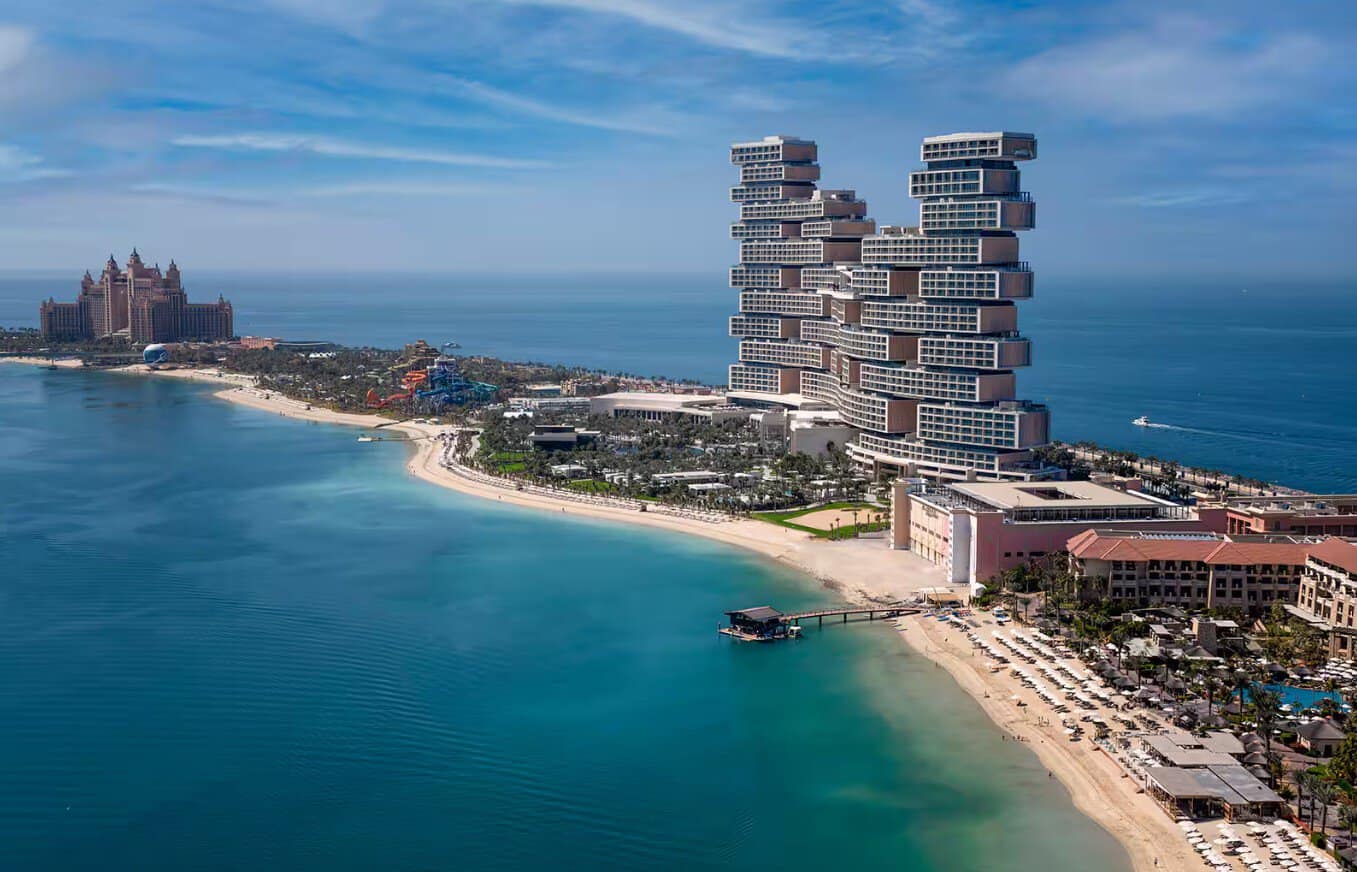
UAE tourism growth receives a major boost as Dubai introduces curated, zero-cost walking routes for the 2026–2027 winter season. Developed under the direction of the Dubai Department of Economy and Tourism, this initiative highlights cultural landmarks, historical quarters, and coastal corridors. Designed to encourage pedestrian exploration, the self-guided trails connect visitors with local heritage, public artwork, and commercial zones without entry costs. In parallel, cross-border coordination between the United Arab Emirates and the State of Qatar reinforces multi-destination travel itineraries across the Arabian Gulf. This strategic framework enhances visitor accessibility, expands regional tourism, and supports long-term economic diversification goals.
Historical Background of Gulf Tourism Coordination and Pedestrian Urbanism
Over the past decade, member states of the Cooperation Council for the Arab States of the Gulf (GCC) have progressively shifted from oil-dependent economic frameworks toward service-oriented and knowledge-based economies. Central to this structural transition is the expansion of international travel, hospitality, infrastructure investment, and cultural diplomacy. Under strategic national blueprints—including the UAE Tourism Strategy 2031 and Qatar National Vision 2030—both nations have allocated substantial public funds to build world-class aviation hubs, expand hotel inventories, and preserve cultural heritage sites.
Advertisement
Advertisement
Historically, regional travel across the Middle East operated within fragmented municipal frameworks. Each emirate or state managed independent marketing campaigns, visa protocols, and transport connectivity. However, recent ministerial agreements spearheaded by the UAE Ministry of Economy and Qatar’s Ministry of Commerce and Industry have prioritized integrated destination marketing. By aligning promotional calendars, streamline border procedures, and promoting joint travel itineraries, the GCC aims to establish the Gulf region as a unified global tourist destination, similar to the European Union’s Schengen model.
In tandem with regional policy integration, municipal governance within Dubai has undergone a major paradigm shift. Traditionally designed around motorized transportation and high-capacity urban expressways, Dubai’s urban infrastructure is being systematically retrofitted to prioritize human-scale movement, active mobility, and outdoor accessibility. The introduction of dedicated pedestrian walkways during the winter months reflects a broader urban planning effort to improve livability, reduce urban carbon footprints, and offer low-barrier entry points for international tourists exploring the emirate’s architectural and historic landscapes.
Advertisement
Advertisement
+-----------------------------------------------------------------------------------+
|                           GCC TOURISM STRATEGY 2031                               |
+-----------------------------------------------------------------------------------+
|  1. Unified Regional Travel      2. Active Urban Mobility    3. Heritage Preservation |
|  - Cross-border itineraries     - Dedicated walking routes  - Historic district tours |
|  - Streamlined transit links    - Pedestrian infrastructure - Cultural site access    |
+-----------------------------------------------------------------------------------+
Official Announcements and Government Directives
Official updates released by the Dubai Department of Economy and Tourism (DET), in coordination with the Roads and Transport Authority (RTA) and the Dubai Municipality, formally establish the framework for the 2026 Winter Festival Walking Routes. These free-access trails are positioned as a core component of the city’s seasonal outdoor calendar, designed to manage high visitor volumes while distributing foot traffic across both traditional commercial districts and newly developed cultural enclaves.
Concurrently, official statements from the UAE Ministry of Economy highlight enhanced diplomatic and economic cooperation between the UAE and the State of Qatar. Ministerial working groups meeting in Abu Dhabi and Doha confirmed joint promotional frameworks intended to capitalize on peak winter travel demand across the Arabian Peninsula.
Advertisement
Advertisement
Key Policy Commitments Established by Official Authorities:
- Zero-Cost Public Access: Municipal authorities guarantee free access to all designated winter walking routes, ensuring no entry fees or mandatory registration protocols are required for visitors or residents.
- Integrated Wayfinding Systems: Installation of multi-lingual digital kiosks, tactile ground indicators, and smart QR-code directional signage managed directly by the RTA.
- Bilateral Travel Frameworks: Joint tourism initiatives between UAE and Qatari authorities to promote multi-stop Gulf itineraries for long-haul international arrivals.
- Safety and Environmental Standards: Enhanced municipal oversight, continuous street-cleaning protocols, and dedicated pedestrian safety patrols administered by Dubai Police along all active routes.
The 2026 Winter Festival Walking Routes Infrastructure
The 2026 Winter Festival walking routes span diverse topographies within Dubai, connecting historic creekside trading hubs with modern architectural districts. Each route has been designed by urban planners to accommodate varying physical mobility levels while offering comprehensive exposure to the emirate’s cultural and commercial assets.
+-----------------------------------------------------------------------------------+
|                         DESCRIPTIVE OVERVIEW OF ROUTE NETWORKS                    |
+-----------------------------------------------------------------------------------+
|  [Route 1: Al Fahidi to Gold Souk] ---> Historic Creekside & Traditional Markets  |
|  [Route 2: Downtown Pedestrian Loop] ----> Modern Architecture & Public Sculpture |
|  [Route 3: Jumeirah Coastal Promenade] -> Seaside Walkways & Environmental Hubs   |
+-----------------------------------------------------------------------------------+
Route 1: The Historic Creek & Cultural Heritage Trail
This 4.2-kilometre path guides pedestrians through the Al Fahidi Historical Neighbourhood, along the banks of Dubai Creek, and across to the traditional Spice and Gold Souks via public abra transit stations.
- Primary Key Points: Al Fahidi Fort (Dubai Museum), Sheikh Mohammed Centre for Cultural Understanding, Al Seef District, and the Grand Souk.
- Infrastructure Highlights: Restored wind-tower architecture, shaded arcade walkways, traditional textile markets, and dedicated resting plazas equipped with public water stations.
Route 2: The Downtown & Architectural Landmarks Circuit
Spanning 5.1 kilometres through the central business district, this route circles the perimeter of Downtown Dubai, providing structured pedestrian access around iconic architectural structures and public art installations.
- Primary Key Points: Burj Park, Dubai Opera Promenade, Sheikh Mohammed bin Rashid Boulevard, and the Dubai Fountain plaza.
- Infrastructure Highlights: Wide, tree-lined granite footpaths, integrated cooling misters, accessible pedestrian ramps, and direct connection points to Dubai Metro stations.
Route 3: The Jumeirah Coastal & Public Art Corridor
Stretching 6.0 kilometres along the Arabian Gulf coastline, this route emphasizes active lifestyle recreation, environmental conservation, and contemporary outdoor art installations organized by local arts foundations.
- Primary Key Points: Jumeirah Public Beach, Dubai Canal Boardwalk, Fishing Harbour 2, and coastal public parklands.
- Infrastructure Highlights: Rubberized jogging tracks, wide concrete walking paths, solar-powered lighting systems, and native coastal flora preservation zones.
Statistical Overview and Economic Projections
Data published by the Dubai Department of Economy and Tourism and the Federal Competency and Statistics Centre (FCSC) highlights steady growth across the hospitality, aviation, and retail sectors. The integration of pedestrian-focused seasonal attractions is designed to sustain visitor length of stay and increase secondary expenditure within local retail and dining establishments.
+-----------------------------------------------------------------------------------+
|              STATISTICAL OVERVIEW: DUBAI TOURISM & HOSPITALITY METRICS            |
+-----------------------------------------------------------------------------------+
| Indicator                                 | Official Figure / Benchmark           |
+-------------------------------------------+---------------------------------------+
| Annual International Visitors (Target)    | Exceeding 17.5 Million                |
| Average Hotel Occupancy Rate              | 77.4% across all categories           |
| Average Length of Stay                    | 3.8 Nights per international visitor  |
| Contribution of Tourism to UAE GDP        | Estimated at 11.7%                    |
| Dedicated Pedestrian Route Network (2026) | Over 15.3 Total Kilometres            |
+-------------------------------------------+---------------------------------------+
Official statistical releases indicate that non-motorized urban mobility projects contribute significantly to local retail footfall. During seasonal events, businesses situated along pedestrianized corridors experience a direct increase in daily sales, particularly within the food and beverage, traditional handicrafts, and micro-retail sectors. Furthermore, cross-border flight statistics published by civil aviation authorities in the UAE and Qatar show a marked increase in point-to-point passenger traffic, underscoring the success of joint regional destination marketing.
Advertisement
Advertisement
UAE and Qatar Bilateral Partnership and Regional Strategic Integration
The collaborative framework between the UAE and Qatar represents a structured effort to market the Arabian Gulf as an interconnected tourism ecosystem. Rather than competing directly for regional market share, national tourism authorities are leveraging shared infrastructure, high-speed regional transport links, and simplified visa systems to create unified travel packages.
Strategic Priorities of the Bilateral Framework:
- Coordinated Marketing Campaigns: Joint promotional initiatives launched in key source markets across Europe, North America, and East Asia highlighting multi-city itineraries (e.g., Dubai–Doha hub connectivity).
- Harmonized Digital Services: Integration of regional tourist portals to provide seamless access to event schedules, transport maps, and cultural festival itineraries.
- Aviation Alignment: Expanded flight frequencies operated by flag carriers—including Emirates, flydubai, and Qatar Airways—ensuring high-capacity transit links between major regional centers.
- Cultural Exchange Programs: Shared museum exhibitions, joint artisan showcases, and bilateral heritage preservation workshops designed to preserve traditional Gulf crafts and architectural methodologies.
Economic, Public, and Industry Impact
The introduction of free winter walking routes, combined with broader regional coordination, generates measurable benefits across multiple tiers of the local and regional economy.
Hospitality and Retail Sector Vitality
By providing accessible, high-quality public space activations, municipal authorities encourage tourists to extend their daily excursions outside of enclosed shopping centers and hotel resorts. This open-air engagement directly benefits independent retailers, outdoor cafes, cultural venues, and local tour operators. Small and medium-sized enterprises (SMEs) operating within historic districts report sustained daily visitor flow, directly supporting employment and local entrepreneurship.
Public Health and Community Urbanism
Beyond immediate economic metrics, pedestrian-focused infrastructure aligns with broader public health and urban planning objectives set by the Dubai Urban Master Plan 2040. The provision of safe, well-lit, and fully accessible walking corridors encourages physical activity among residents and visitors alike. Reducing reliance on personal motor vehicles for short-distance inner-city travel contributes to lower localized carbon emissions, reduced traffic congestion, and improved urban air quality during peak winter months.
Aviation and Regional Transit Synergy
Inter-state tourism initiatives strengthen passenger loads for regional aviation networks and maritime operators. Increased transit traffic between Dubai International Airport (DXB), Al Maktoum International Airport (DWC), and Hamad International Airport (DOH) reinforces the Arabian Gulf’s position as a primary global aviation crossroads.
+-----------------------------------------------------------------------------------+
|                        MULTI-SECTOR IMPACT FLOW CHART                             |
+-----------------------------------------------------------------------------------+
|  Government Infrastructure Investment (Walking Routes & Regional Partnerships)    |
|                                         |                                         |
|         +-------------------------------+-------------------------------+         |
|         |                               |                               |         |
|         v                               v                               v         |
|  [Hospitality & Retail]        [Public Health & Environment]     [Aviation & Transit]  |
|  - Higher SME revenues         - Lower inner-city emissions     - Increased passenger |
|  - Increased dining footfall   - Promotes active mobility         route density     |
+-----------------------------------------------------------------------------------+
Policy Implications and Urban Governance Frameworks
Implementing large-scale seasonal pedestrian infrastructure requires multi-agency governance and regulatory oversight. The cooperation between the Dubai Department of Economy and Tourism, the RTA, and local police forces provides a model for managing high-density public spaces during major global events.
Advertisement
Advertisement
Regulatory and Policy Focus Areas:
- Accessibility and Inclusion: All designated walking routes adhere to international universal accessibility standards, incorporating ramped access points, tactile paving for visual assistance, and barrier-free pathways.
- Public Safety Protocols: Dedicated pedestrian crossings, automated traffic management signals, and regular municipal inspections maintain safety across all route intersections.
- Vendor and Commercial Regulations: Strict municipal permitting processes govern popup markets, food stalls, and street performers along designated routes to prevent overcrowding and maintain high public hygiene standards.
- Environmental Sustainability: Integration of solar lighting systems, waste segregation kiosks, and zero-single-use-plastic encouragement zones along all public corridors.
Statements from Official Representatives
Statements published by official state media outlets and government press offices underline the strategic importance of these initiatives for national development goals.
“The expansion of accessible, human-scale infrastructure is central to our vision of establishing Dubai as the world’s leading city to live in, work in, and visit. By offering freely accessible cultural and recreational walking corridors, we enable international guests and local communities to experience our heritage and modern developments firsthand.” — Official Statement, Dubai Department of Economy and Tourism
“Bilateral cooperation between the United Arab Emirates and the State of Qatar within the tourism sector demonstrates the power of shared vision across the Arabian Gulf. By unifying our promotional calendars and facilitating seamless regional travel, we strengthen our collective position as a premier global destination for heritage, commerce, and leisure.” — Official Representative, UAE Ministry of Economy
Future Outlook: Long-Term Vision for Gulf Tourism (2026–2030)
Looking forward, the success of the 2026 Winter Festival walking routes and cross-border partnership frameworks provides a blueprint for future regional tourism models. As urban centers across the GCC continue to implement active mobility projects, the integration of public spaces, digital heritage guides, and cross-border travel systems will play a pivotal role in sustaining multi-national tourism growth.
Urban planning authorities in Dubai have signaled intentions to expand the seasonal walking route network by an additional 20 kilometres by 2028, systematically linking coastal districts with inland cultural hubs and environmental reserves. Concurrently, ongoing intergovernmental discussions across the GCC aim to further refine cross-border transit mechanisms, solidifying the region’s status as a global leader in sustainable urban management and international leisure travel.
Advertisement
