
How Japan Travel Plans Are Ruined By Skyrocketing Emergency Medical Bills And Unexpected Transit Chaos Fast, All You Need to Know

Published
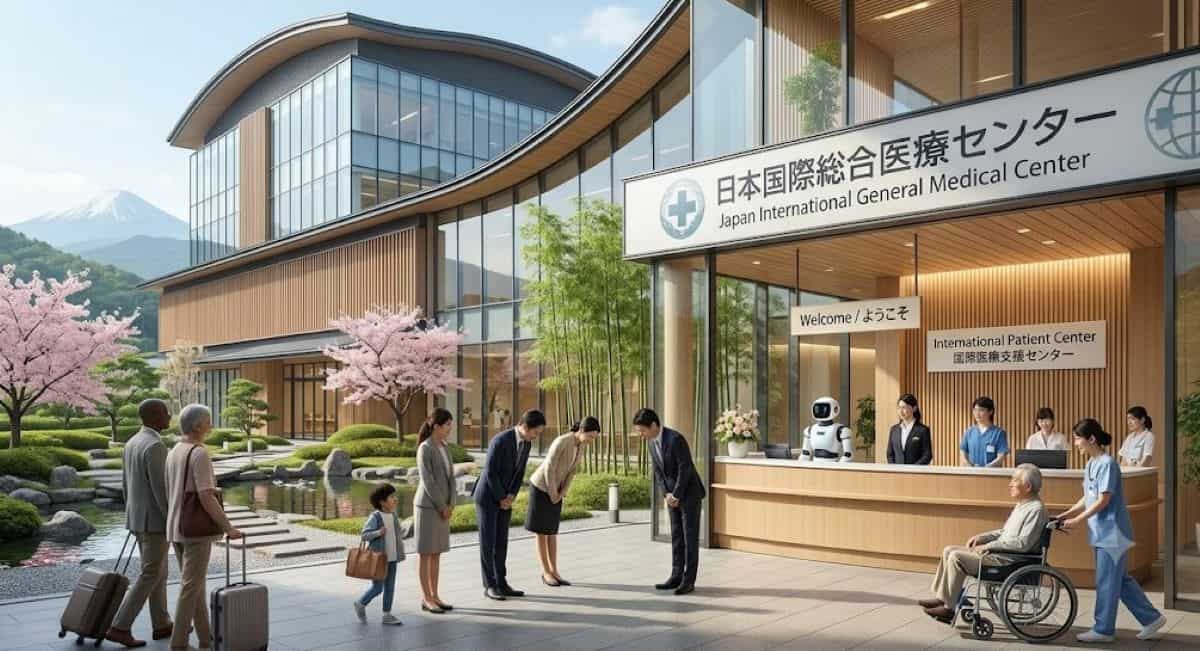
Imagine saving up for months landing in Tokyo and feeling that rush of finally standing under the neon lights then, in one second slipping on a wet curb and losing it all. That sudden panic isn’t about breaking a bone. It’s the truth of being alone, in a foreign hospital watching your hard-earned holiday money disappear fast. In a country where even basic forms feel like a puzzle because of the language and short-term visitors pay 100% of emergency bills an unexpected medical problem doesn’t just mess up your trip. It destroys it completely.
Why Are Uninsured Foreign Visitors Facing Astronomical Medical Costs Across Major Japanese Cities?
Advertisement
Advertisement
Short-term foreign travelers arriving in Japan are completely excluded from the universal National Health Insurance system that protects local residents. Consequently, hospitals and emergency health clinics throughout Tokyo, Yokohama, and Nagoya are required to bill international tourists 100% of standard medical fees without any government subsidies. Furthermore, medical centers often apply additional administrative fees to cover international coordination, billing overhead, and professional translation services during emergency intake procedures.
Official emergency data compiled by Tokio Marine International Assistance highlights the staggering scale of these potential expenses across urban centers. A traumatic injury such as fractured ribs from a bicycle crash in Kyoto requires urgent surgery and an extended inpatient stay, costing millions of yen. Similarly, treating an acute myocardial infarction in Osaka involves complex cardiac surgery and specialist escort personnel, driving total medical bills up to ¥10,000,000.
Advertisement
Advertisement
What Are the Hidden Initial Charges and Administrative Fees at Japanese Emergency Hospitals?
Under strict official billing guidelines enforced by the Ministry of Health, Labour and Welfare, advanced tertiary hospitals charge substantial walk-in fees for short-term visitors. Any non-referred foreign outpatient visiting a major hospital in cities like Fukuoka or Sapporo must pay a mandatory non-referral surcharge known as Sentei Seryō. This baseline fee instantly generates an initial out-of-pocket entry bill of up to ¥11,000 before any physical examination or diagnostic blood testing even takes place.
Advertisement
Advertisement
In addition to baseline consultation costs, standard medical billing scales used for domestic patients are adjusted upward for uninsured non-residents to cover administrative burdens. Hospitals must manage multi-language translation services and coordinate extensively with overseas medical insurers to process international payments securely. As a result, even minor emergency room visits for food poisoning or simple sprains in Tokyo can escalate into crippling bills running into hundreds of thousands of yen.
How Can Defaulting on an Unpaid Japanese Hospital Bill Lead to Permanent Re-Entry Bans?
The Japanese government maintains an aggressive, zero-tolerance policy regarding foreign visitors who leave the country without settling their outstanding medical accounts. Under administrative enforcement measures overseen by the Ministry of Health, Labour and Welfare, hospitals across Japan are instructed to report any defaulted medical bill exceeding ¥10,000 directly to the Immigration Services Agency of Japan. This central database tracks delinquent accounts across all major entry ports, including Narita International Airport, Haneda Airport, and Kansai International Airport.
When an international traveler flagged in this unpaid medical database attempts to visit Japan on subsequent vacations, immigration officers automatically intercept them at border checkpoints. The government retains full legal authority to formally deny re-entry into the country until every single outstanding medical bill and administrative penalty is settled in full. This stringent policy ensures that municipal health systems in regions like Okinawa and Kanazawa are not forced to absorb uncompensated foreign medical debts.
Who Pays for Overnight Hotel Stays and Meals When Weather Cancels Flights Across Japan?
Severe weather events including intense typhoons during autumn and heavy snowstorms across Hokkaido during winter regularly disrupt aviation transit across Japan. Major domestic and international carriers operating under the authority of the Japan Civil Aviation Bureau adhere to standard force majeure rules regarding weather-related disruptions. While airlines will happily provide free date changes or ticket refunds if flights are canceled, their legal obligation stops completely at that point.
Advertisement
Advertisement
Under Japanese aviation terms of carriage, airlines do not pay for overnight hotel accommodation, daily meals, or ground transport when flights are grounded by natural events. Stranded passengers at Narita Airport or Chubu Centrair International Airport must pay for emergency hotel rooms and meals out of their own personal holiday funds. Unless a traveler holds private trip-delay coverage, these unexpected overnight stay costs can rapidly drain thousands of pounds from an otherwise carefully planned travel budget.
What Official Rail Rules Protect Passengers When High-Speed Shinkansen Trains Suffer Severe Delays?
Rail transport across the national Japan Railways network is famously punctual, but extreme snowstorms and seismic events can force severe system shutdowns. Passenger entitlements during railway disruptions are governed by formal statutory transport provisions, specifically Articles 282 and 289 of the JR Passenger Business Rules. When a high-speed Shinkansen express train arriving in Shin-Osaka, Kyoto, or Tokyo suffers a delay of two hours or more, passengers are legally entitled to a 100% cash refund of their Limited Express Surcharge.
If severe weather causes complete service cancellation, Japan Railways operators issue a full refund covering both the base fare and express fees without charging handling penalties. Additionally, whenever a train delay exceeds 5 to 10 minutes, station gates across Japan issue an official Delay Certificate to support travel delay claims. Overseas visitors should always collect these official certificates at exit turnstiles or download them online to support travel delay claims with their private insurance providers.
How Can Smart Travelers Safeguard Their Holiday Budgets and Guarantee Cashless Medical Access?
To mitigate crushing out-of-pocket medical expenses, the Japan National Tourism Organization strongly urges all foreign visitors to secure comprehensive travel insurance before departure. The government recommends choosing policies that provide at least ¥10,000,000 in medical coverage alongside direct medical evacuation provisions for ultimate peace of mind. Most importantly, holidaymakers should verify that their policy includes cashless arrangement services, allowing insurers to pay Japanese hospitals directly without upfront costs.
Advertisement
Advertisement
Travelers can also consult the official Japan National Tourism Organization Safe Travel Medical Guide online to locate vetted clinics that offer foreign language support and accept direct insurance billing. Taking these protective measures ensures that unexpected health emergencies or sudden weather disruptions in Kyoto, Tokyo, or Hokkaido will not result in financial devastation. By preparing in advance, international tourists can explore the breathtaking sights of Japan with total financial security and absolute confidence.
Why Do Air Ambulance Logistics and Medical Evacuations Skyrocket Across Rural Japanese Destinations?
Experiencing severe injuries or acute illnesses in remote scenic locations—such as the hiking trails of Kamikochi, the ski slopes of Niseko in Hokkaido, or the Yakushima rainforest—requires complex medical transport before international repatriation can even occur. Local private medical transport and helicopter evacuations within rural regions range from ¥1,200,000 to ¥2,500,000, creating an immediate financial burden for stranded patients. Furthermore, long-haul international air ambulance repatriation from Tokyo Narita to major hubs like London Heathrow or New York with a dedicated intensive care team can cost between ¥15,000,000 and ¥25,000,000. This staggering expense is exacerbated by the fact that standard commercial airlines require a minimum of six to nine adjacent seats to be cleared and purchased to safely install a medical stretcher unit.
Navigating emergency medical logistics in isolated regions demands specialized coordination that standard travel insurance policies must explicitly cover to prevent total out-of-pocket ruin. Without pre-arranged emergency evacuation riders, patients remain trapped in regional clinics until massive cash deposits or verified corporate guarantees are secured by local medical administrators. Consequently, outdoor enthusiasts venturing into Japan’s picturesque backcountry must prioritize comprehensive coverage that guarantees immediate rotor-wing deployment and professional medical escort services.
What Are the Operational Surcharges Behind Medical Translation Services in Major Cities?
Hospital administration fees in major urban centers like Nagoya, Kobe, and Fukuoka often include explicit line items for multi-language interpretation and international intake processing. Out-of-pocket medical interpreter rates range from ¥10,000 to ¥30,000 per hour during acute consultations, adding continuous overhead to already inflated medical bills. According to official medical tourism guidelines, non-Japanese speaking uninsured patients can face point-value multipliers of 200% to 300% above standard national fee schedules to cover administrative translation overhead. Compounding this challenge, only about 10 to 15 percent of secondary and tertiary emergency care facilities across Japan are officially certified as fully equipped for multi-lingual medical intake.
Advertisement
Advertisement
This severe shortage of certified linguistic infrastructure forces hospitals to hire external translation agencies, passing those steep hourly fees directly onto the unsuspecting foreign patient. International visitors frequently discover that the cost of communicating their symptoms accurately through a professional translator matches or exceeds the baseline doctor consultation fee itself. Understanding these hidden translation markups highlights why securing medical assistance networks with built-in linguistic support is vital for navigating urban Japanese healthcare facilities safely.
How Do Seismic Activity and Volcanic Disruptions Trigger Unforeseen Transit Chaos?
Japan sits firmly on the Pacific Ring of Fire, meaning sudden seismic events or volcanic ash plumes around active areas like Mount Aso in Kumamoto or Sakurajima in Kagoshima cause massive transit standstills that are completely excluded from carrier liability. Earthquakes measuring upper-5 on the Japanese Shindo scale automatically trigger automated track-safety shutdowns along high-speed Shinkansen lines, suspending up to 100 or more trains per incident. A single major earthquake or volcanic ash alert can instantly strand between 50,000 and 120,000 travelers across major transit hubs like Shin-Yokohama or Sendai Station overnight. In response to these sudden regional transit blackouts, emergency hotel room rates in surrounding areas frequently skyrocket by 150% to 300 percent.
Because railway and airline operators are legally exempt from providing complimentary accommodation during natural disasters classified as force majeure, stranded passengers must absorb these inflated lodging costs entirely on their own. Travelers stuck in crowded station terminals without prior emergency lodging reservations find themselves competing for scarce rooms while paying premium surge rates out of pocket. Preparing for these inevitable seismic realities through flexible booking strategies and adequate travel delay insurance ensures that geological unpredictability does not derail a vacation budget.
What Are the Legal Consequences of Prescription Drug and Controlled Substance Confiscation at Ports of Entry?
Travelers entering Japan at Haneda Airport, Narita Airport, or Kansai International Airport with common Western prescription medications without prior official approval face immediate detention, medical confiscation, and costly legal and medical re-evaluations. Bringing more than a strict one-month supply of standard prescription drugs requires an approved import certificate issued prior to arrival by regional health authorities. Furthermore, popular over-the-counter decongestants containing pseudoephedrine or attention deficit medications containing amphetamines are strictly illegal under the country’s stringent Stimulants Control Law. Non-compliant visitors caught carrying restricted substances often incur immediate emergency hospital consultation fees, substitute drug sourcing expenses, and legal intake penalties ranging from ¥150,000 to ¥500,000 at border ports.
Advertisement
Advertisement
Navigating Japanese customs requires meticulous adherence to pharmaceutical regulations before landing, as border officials maintain zero tolerance for undeclared foreign medications. Tourists who fail to secure the necessary documentation prior to departure risk having their essential medicines confiscated on the spot, triggering sudden health crises and expensive local medical interventions. Ensuring full compliance with pharmaceutical import laws protects international visitors from abrupt legal detention and costly emergency prescription replacements upon arrival.
Why Does Credit Card Limit Exhaustion Create Immediate Counter Payment Realities at Hospitals?
Unlike European or American healthcare systems where hospitals routinely bill patients post-discharge, medical centers in Tokyo, Osaka, and Kyoto strictly enforce point-of-sale credit card or cash payments prior to discharge. Standard international credit card daily transaction limits, typically ranging from $2,000 to $5,000 USD, are instantly exhausted by a single overnight hospital stay or minor surgical procedure. Moreover, advanced university hospitals often require an immediate cash or card security deposit of ¥100,000 to ¥500,000 at emergency intake before admitting uninsured foreign non-residents. Overseas card processing and foreign currency conversion surcharges further add an extra three to five percent in bank fees on top of multi-million yen medical bills.
This rigid requirement for upfront financial settlement leaves tourists scrambling to contact home banks, raise credit ceilings, or wire emergency funds while dealing with acute medical distress. Hospitals in major metropolitan areas will not release a patient or provide official discharge documentation until every yen of the medical bill is successfully cleared through their payment terminals. Anticipating these strict payment protocols emphasizes the critical need to carry high-limit credit facilities or comprehensive travel insurance capable of executing direct cashless guarantees.
What High-Risk Exposure Do Winter Sports Enthusiasts Face Across Hokkaido and Nagano?
Snow sports in premier winter destinations like Hakuba, Nozawa Onsen in Nagano, and Grand Hirafu in Niseko generate exceptionally high rates of severe orthopedic injuries requiring specialized mountain rescue and complex orthopedic surgery. Mountain ski patrol search and rescue fees for off-piste or out-of-bounds backcountry retrieval typically range from ¥100,000 to ¥600,000 depending on the complexity of the terrain. Comprehensive orthopedic surgery and fracture setting, including specialized internal hardware like metal pins and plates alongside localized rehabilitation, can cost between ¥1,500,000 and ¥3,500,000. Alarmingly, over 40 percent of winter sport injury claims in Japan involve uninsured visitors who ventured off-piste without acquiring specialized backcountry insurance riders.
Advertisement
Advertisement
The physical demands of deep powder skiing combined with remote mountain terrain mean that rescue operations often require dangerous helicopter extractions and expert alpine teams. Skiers and snowboarders who neglect to verify their policy’s elevation and off-piste limits discover that mountain rescue teams bill victims directly for the full cost of deployment. Securing winter-specific sports riders ensures that an unexpected wipeout on pristine powder slopes does not result in crippling financial debt.
How Do Extreme Summer Weather Patterns and Heatwaves Impact Tourism Emergency Services?
Extreme summer heatwaves in concrete urban centers like Kyoto and Tokyo lead to thousands of emergency ambulance calls for international tourists unaccustomed to Japan’s intense humidity and high temperatures. Severe heatstroke accounts for over 90,000 emergency hospital admissions across the country between the months of June and September annually. While the initial public ambulance dispatch via emergency number 119 is technically free in Japan, subsequent emergency room care and intravenous rehydration therapy for uninsured tourists cost between ¥50,000 and ¥150,000 per visit. Furthermore, inpatient intensive care unit treatment for severe heat exhaustion and multi-organ stress can rapidly scale from ¥400,000 to ¥1,000,000 per day.
Urban sightseers frequently underestimate how quickly high heat and humidity combined with heavy walking schedules can induce dangerous heat-related illnesses while exploring historic shrines and outdoor attractions. Public health authorities advise maintaining rigorous hydration and taking frequent breaks in air-conditioned spaces to avoid sudden collapse on asphalt-heavy tourist paths. Being financially prepared for sudden environmental medical emergencies guarantees that a summer holiday remains an enjoyable cultural exploration rather than a costly medical ordeal.
What Transit Isolation Risks Face Island Hopping and Coastal Travelers in Southern Japan?
Travelers visiting remote island chains such as the Amami Islands, Okinawa Outer Islands including Ishigaki and Iriomote, or Naoshima face total transit isolation when maritime typhoons trigger coast guard sailing bans. Regional ferries regularly suspend operations for three to seven consecutive days during peak typhoon season, which spans from August through October. Stranded island visitors face unbudgeted accommodation and dining expenses averaging ¥20,000 to ¥45,000 per day with zero financial compensation provided by ferry operators. Additionally, non-emergency medical airlifts from isolated islands back to main island hospital facilities, such as transferring a patient from Ishigaki to Naha in Okinawa, require specialized charter transfers costing upwards of ¥2,000,000.
Advertisement
Advertisement
The geographical layout of Japan’s southern archipelagos means that sudden maritime storms can completely sever transport links, trapping holidaymakers in remote coastal communities for extended periods. Ferry companies operate under strict safety guidelines that absolve them of liability for passenger living expenses during weather-related port closures. Factoring in extended island layover buffers and securing robust trip-interruption insurance safeguards travelers against unexpected isolation costs in remote coastal regions.
Mandatory Foreign Insurance Verification: Tighter Border Screening Targets Unpaid Medical Debts
Japan has significantly escalated border security measures to address the growing issue of unpaid tourist healthcare expenses. Operating under joint protocols established by the Ministry of Health, Labour and Welfare alongside the Immigration Services Agency, immigration officials actively cross-reference arriving foreign travelers against a centralized national registry of defaulted medical accounts. This digital tracking network operates across major international gateways, including Tokyo Narita, Tokyo Haneda, and Kansai International Airport, ensuring that foreign visitors with outstanding hospital debts are intercepted immediately upon arrival.
To capture nearly all unpaid tourist healthcare accounts, authorities drastically reduced the mandatory hospital reporting threshold from ¥200,000 to just ¥10,000. Because the average unsettled medical bill for an overseas visitor rests at approximately ¥11,150, this policy shift effectively catches almost every delinquent tourist account in the country. Foreign nationals flagged within this registry face immediate, automatic entry refusal at border control points until all historical medical debts, administrative charges, and associated processing fees are cleared in full.
Point-Value Multiplier Billing: How Hospitals Legally Triple Medical Surcharges for Non-Residents
Uninsured foreign tourists seeking emergency care in major metropolitan areas such as Tokyo, Osaka, and Kyoto encounter elevated medical fee structures that drastically exceed costs borne by local residents. Under Japan’s statutory National Health Insurance framework, medical treatments are billed at a standardized baseline rate of ¥10 per point. However, advanced university hospitals and regional tertiary emergency centers maintain full legal authority to charge uninsured foreign non-residents a scaled rate of ¥30 to ¥50 per point for identical clinical services.
Advertisement
Advertisement
This point-value multiplier is applied to cover the heavy administrative overhead associated with international patient care. Medical centers utilize these fees to subsidize round-the-clock multi-lingual interpreter coordination, complex international intake logistics, and specialized insurance verification procedures. Consequently, a routine inpatient procedure or diagnostic workup that costs a covered Japanese citizen ¥100,000 automatically inflates to between ¥300,000 and ¥500,000 for an uninsured international visitor.
Extreme Weather Force Majeure Rules: Why Japanese Carriers Refuse Hotel Compensation
Severe seasonal weather patterns—ranging from powerful autumn typhoons in southern coastal regions to intense winter blizzards across Hokkaido—frequently ground hundreds of domestic and international flights. Flight operations governed by the Japan Civil Aviation Bureau adhere to strict terms of carriage regarding force majeure events. When flight cancellations stem directly from severe weather phenomena, airlines are legally exempt from providing duty-of-care financial compensation to affected passengers.
While Japanese carriers fulfill their basic legal obligation by offering free ticket rebookings or full fare refunds, their liability stops at flight arrangements. Airlines do not provide complimentary hotel vouchers, meal allowances, or ground transit assistance to stranded travelers. Unprepared passengers grounded at transport hubs like Chubu Centrair or Fukuoka Airport are forced to pay out-of-pocket for emergency overnight accommodations, where local hotel rates during severe disruption periods range from ¥25,000 to ¥60,000 per night.
Out-of-Piste Ski Rescue Penalties: High Out-of-Pocket Expenses on Hokkaido and Nagano Slopes
World-renowned winter destinations such as Niseko in Hokkaido and Hakuba in Nagano draw massive volumes of international skiers and snowboarders every season. However, venturing beyond marked boundary lines into unpatrolled backcountry terrain carries massive personal and financial liabilities. When accidents occur off-piste, standard municipal emergency services do not operate, requiring specialized private mountain search-and-rescue teams to execute complex wilderness retrievals.
Advertisement
Advertisement
Private ski patrol dispatches for backcountry rescues incur immediate out-of-pocket charges ranging between ¥100,000 and ¥600,000, which must be settled directly by the casualty. Following extraction, complex orthopedic surgeries and joint fracture settings performed at local hospitals add an additional ¥1,500,000 to ¥3,500,000 to the bill. Standard travel insurance policies routinely deny claims arising from off-piste incidents unless policyholders have specifically purchased optional backcountry snow-sports coverage riders prior to their trip.
High-Speed Shinkansen Refund Regulations: Navigating Strict Rail Delay Thresholds
Passenger rail services across the national Japan Railways network operate under strict statutory transport guidelines defined in Articles 282 and 289 of the JR Passenger Business Rules. These legal frameworks outline explicit financial remedies for passengers traveling along high-density transit corridors connecting Tokyo, Kyoto, and Shin-Osaka when operational breakdowns or severe weather delays occur.
When a high-speed Shinkansen express train incurs an arrival delay of two hours or longer, passengers are legally entitled to a 100% cash refund of their Limited Express Surcharge, though base fare tickets remain non-refundable if the journey is completed. If severe weather forces a total service cancellation before departure, JR operators issue a full 100% refund covering both base fares and express surcharges without deducting administrative cancellation fees. Affected travelers can also collect an official Delay Certificate (Chien Shōmeisho) at station exit turnstiles or via digital portals to validate trip-delay compensation claims with private travel insurance providers.
The Final Horizon
At the end of the day no one boards a flight to Japan expecting their dream holiday to unravel inside an emergency room or a chaotic train station.. When luck runs out the emotional toll of being stranded, helpless and drowning in unexpected debt can shadow you long after you return home. Travel is not about collecting beautiful memories; travel is about making sure a single bad day does not ruin your peace of mind. Protecting yourself before you pack your bags is not a smart financial decision it is the ultimate gift of safety, to yourself and the people who love you.
Advertisement
Advertisement
Frequently Asked Questions (FAQs)
Is healthcare free for foreign tourists visiting Japan?
No, healthcare is not free for international tourists visiting Japan because short-term visitors cannot join the National Health Insurance system, meaning hospitals bill tourists 100% of standard medical costs out of pocket.
What happens if a foreign visitor leaves Japan without paying a medical bill?
If an unpaid hospital bill exceeds ¥10,000, the hospital reports the patient to the Immigration Services Agency of Japan, and delinquent travelers may be formally refused re-entry into Japan on future trips until all debts are cleared.
Do Japanese airlines pay for hotels when flights are canceled due to typhoons?
Advertisement
Advertisement
No, Japanese airlines operating under civil aviation oversight do not provide free hotel rooms, meals, or surface transport during weather cancellations, meaning travelers must cover these expenses out of pocket unless they hold trip-delay insurance.
How much refund can passengers get for a delayed Shinkansen train?
If a high-speed Shinkansen train is delayed by two hours or more, Japan Railways provides a 100% refund of the Limited Express Surcharge under standard transport rules.
Advertisement
