
Iran Oral History Initiative: What It Means for Cultural Heritage and Travel

Published
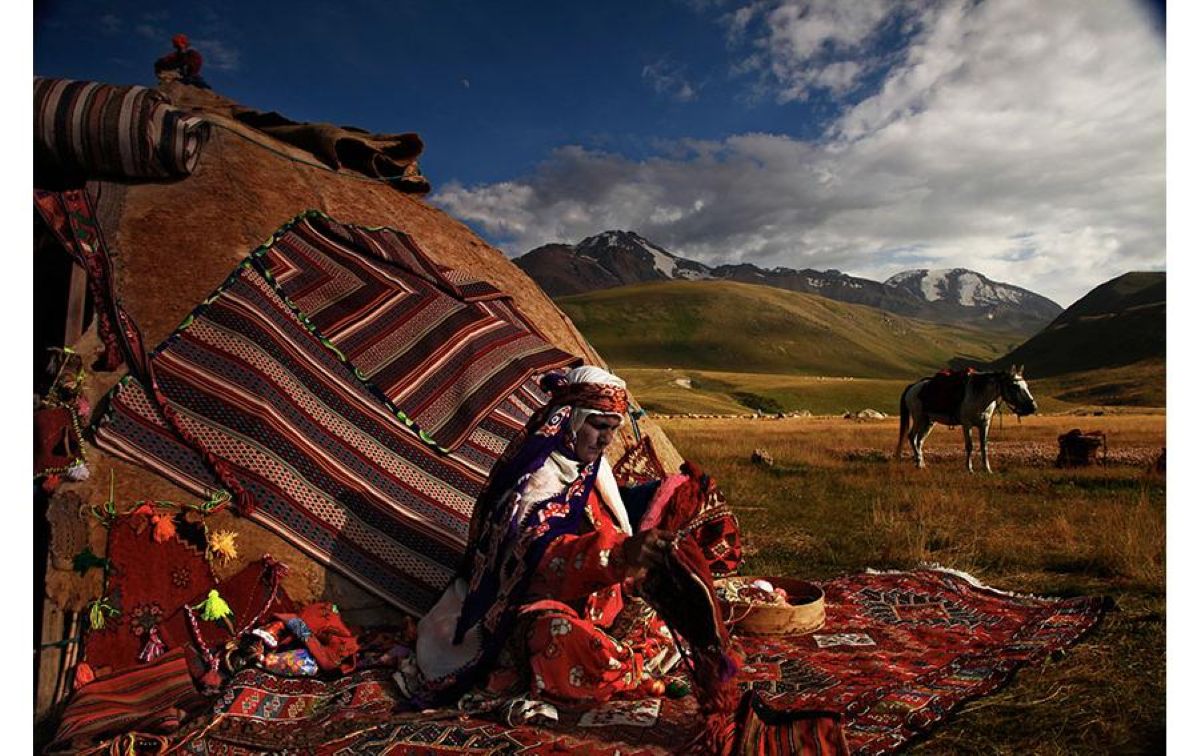
The Ministry of Cultural Heritage, Tourism and Handicrafts (MCTH) of Iran has formally launched a national initiative to collect, digitize, and archive oral histories across all 31 administrative provinces. Announced by Cultural Heritage Minister Seyyed Reza Salehi-Amiri at the ministry’s Oral History Policy Council in Tehran, the programme marks a strategic shift from site-centric preservation toward safeguarding intangible heritage.
Rather than treating historical landmarks purely as architectural monuments, the policy seeks to anchor regional dialects, folklore, and endangered artisanal methods into a national archival repository.
Advertisement
Advertisement
Core Objectives and Implementation Architecture
Traditional historiography in Iran has prioritized physical monuments—such as Persepolis, the historic mosques of Isfahan, and monumental Persian gardens. The new policy mandates provincial field teams composed of local anthropologists, researchers, and cultural administrators to record first-person testimonies.
| Pillar | Focus Area | Core Deliverables & Applications |
| Primary Archives & Preservation | Direct Documentation | Systematic audio-visual recording of endangered craft lore, regional dialects, and local community memories across all 31 provinces. |
| Cultural Tourism Integration | Visitor Experience | Enriched site interpretation, narrative-driven eco-lodge stays, and living history routes linking travelers to intangible heritage. |
| Public Policy & Academic Access | Institutional Use | Dynamic data platforms serving ethnographic research, evidence-based cultural preservation policy, and localized educational curricula. |
- Preserving At-Risk Craftsmanship: Traditional techniques—including Isfahan marquetry (khatam-kari), Tabriz rug knotting, and traditional metal chasing—rely heavily on unwritten apprenticeships. Systematic audio-visual recording captures institutional craft memory before elderly master artisans retire.
- Decentralized Ethno-Linguistic Documentation: The 31-province directive ensures systematic recording outside urban capitals, capturing traditions from Bakhtiari, Baluch, Kurdish, Lur, Qashqai, and Turkmen communities.
- Public & Academic Utility: The ministry plans to make these materials accessible to academic institutions and cultural producers, shifting archives from static governmental storage into research tools.
What the Policy Means for Cultural Travelers
While promotional materials often portray national initiatives as instant transformations, the operational realities for travelers will evolve gradually.
Advertisement
Advertisement
1. Context-Driven Site Interpretation
UNESCO World Heritage properties like Golestan Palace, Takht-e Soleyman, and the Lut Desert traditionally rely on static informational placards. Integrating documented personal journals and local accounts will allow museums and municipal tour operators to provide deeper social context behind structural ruins.
2. Decentralized Eco-Tourism Routes
The documentation drive directly intersects with community-based rural tourism. By cataloguing agricultural traditions—such as saffron harvesting in Khorasan or the Golabgiri rosewater distillation in Kashan—regional guides can provide visitors with documented accounts of agrarian rituals directly from village elders.
Advertisement
Advertisement
3. Support for Living Craft Hubs
Rather than viewing handicraft sales as passive retail transactions, travelers visiting historic bazaars can access validated oral histories of craft lineages, raising the perceived value of verified artisan products against mass-produced replicas.
Practical Implementation Challenges
Translating high-level policy into functional visitor amenities faces logistical and structural hurdles:
- Language Accessibility: The primary archival database will be collected in Persian and localized dialects. For foreign travelers to benefit, regional boards must fund multi-language translation and localization of digital audio assets.
- Digital Infrastructure & Bandwidth: Providing digitized audio-visual access across remote desert or mountain eco-lodges depends heavily on domestic server reliability and rural telecom stability.
- Editorial Independence: Oral histories must navigate administrative curation. Balancing official historical frameworks with candid personal recollections will determine how authentic the archives remain.
- Deployment Timelines: Documenting 31 distinct provinces is an expansive multi-year project. Travelers should expect field integration to occur first in high-traffic cultural hubs before reaching peripheral rural routes.
Assessing the Initiative
The Ministry of Cultural Heritage, Tourism and Handicrafts’ oral history programme offers an essential structural blueprint for safeguarding Iran’s rich intangible culture. For international and domestic travellers, its success will not be measured by official directives but by how effectively those recorded voices reach museum audio systems, certified tour curricula, and community-run eco-lodges across the country.
Advertisement
