Subhadip Dey Subhadip Dey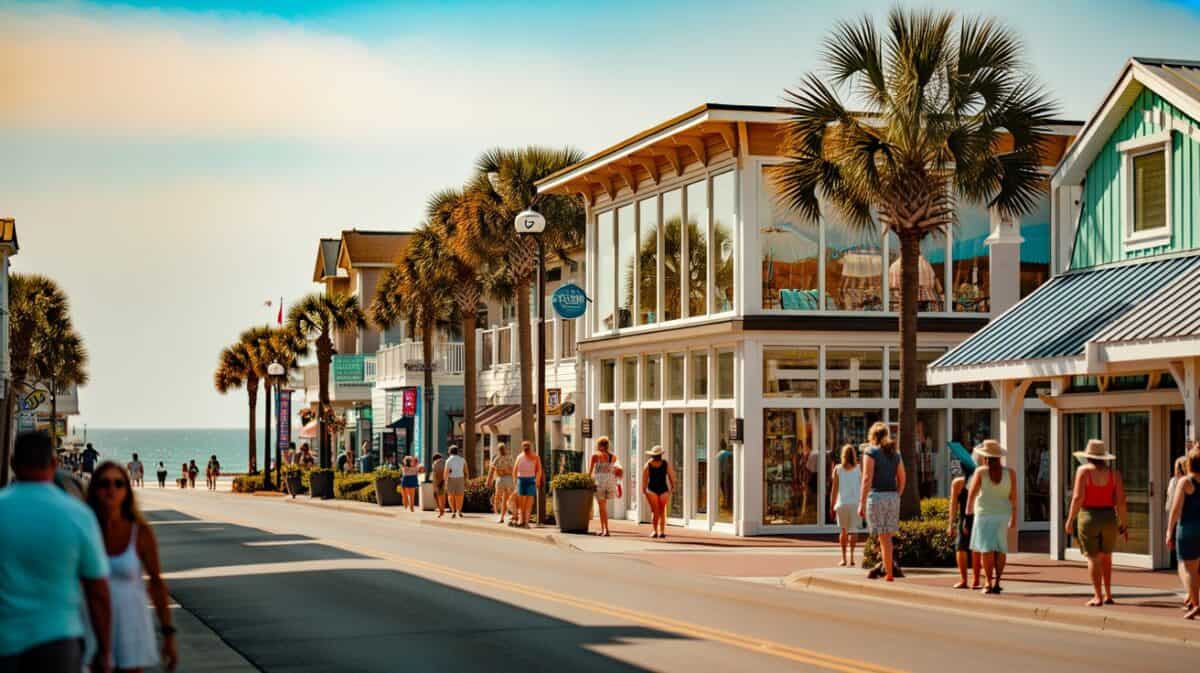
Image generated with Ai
The Salt Life North Myrtle Beach retail expansion USA coastal tourism shopping trend South Carolina travel economy 2026 story highlights how lifestyle branding now shapes beach travel behaviour across the United States. The coastal retail tourism growth USA beach shopping trend Myrtle Beach holiday economy continues to evolve as destinations blend leisure travel with commercial experiences. North Myrtle Beach now stands at the intersection of tourism and retail expansion, where visitor spending patterns influence brand strategies and coastal development momentum.
This development arrives during one of the busiest travel cycles in the US calendar. The Fourth of July holiday period consistently drives peak coastal occupancy across South Carolina. Salt Life’s new retail opening aligns directly with this seasonal surge, positioning the brand within high-volume tourist corridors. The move reflects a broader shift in how travel destinations integrate retail ecosystems into tourism planning.
North Myrtle Beach has evolved into more than a leisure destination. It now functions as a hybrid tourism and retail hub. The Salt Life store opening reinforces this transformation. The brand focuses on coastal lifestyle identity, which strongly aligns with beach tourism demand across the Grand Strand region.
Visitors increasingly expect shopping experiences integrated into their travel journey. Retail is no longer separate from tourism activity. It has become part of the destination narrative. North Myrtle Beach benefits from strong seasonal inflows, especially during summer holidays and long weekends.
Advertisement
Tourism traffic along Highway 17 supports high visibility for retail outlets. This corridor connects hotels, beaches, and entertainment zones. It creates continuous footfall for lifestyle brands. Salt Life enters this ecosystem at a moment of peak visitor movement.
South Carolina’s coastal economy depends heavily on tourism cycles. The Grand Strand region receives millions of visitors annually. North Myrtle Beach contributes significantly to this inflow. Retail expansion strengthens the local tourism value chain.
Summer travel peaks define revenue patterns for coastal businesses. Retail stores benefit directly from beach tourism demand. Visitors often purchase apparel and lifestyle goods as part of their holiday experience. This behaviour strengthens destination-linked retail economics.
Salt Life’s timing aligns with Independence Day travel momentum. This period generates some of the highest domestic travel volumes in the United States. Coastal destinations experience maximum hotel occupancy and road traffic during this window.
Advertisement
Advertisement
Salt Life represents more than apparel sales. It promotes a coastal identity associated with surfing, boating, and beach culture. This identity resonates strongly in Myrtle Beach tourism zones. Visitors often engage with brands that reflect their travel experience.
Retail stores in tourism zones function as cultural touchpoints. They extend the destination narrative beyond beaches and resorts. This enhances visitor engagement and emotional connection with place.
Across the United States, retail strategy has shifted toward tourism-heavy locations. Traditional malls have lost dominance in many regions. Destination retail now leads growth in coastal and resort economies.
Locations such as North Myrtle Beach, Destin, and Myrtle Beach attract consistent seasonal traffic. Retail brands target these areas for predictable visitor flow. The strategy reduces dependence on local consumer bases.
Salt Life follows this national trend. Its expansion focuses on coastal tourism corridors. These corridors offer stable demand cycles linked to holidays and summer travel peaks.
Tourists now seek immersive experiences. Retail spaces reflect this shift through design and branding. Stores integrate storytelling elements tied to coastal culture. Shopping becomes part of travel memory creation.
This evolution strengthens tourism-linked revenue models. It also increases dwell time in commercial zones. Destinations benefit from extended visitor engagement.
North Myrtle Beach continues to develop as a key node in South Carolina’s tourism map. The region attracts families, road trippers, and seasonal holiday travellers. Its accessibility from major US cities increases its appeal.
Highway 17 acts as the main arterial route for tourism movement. It connects multiple beach towns along the Atlantic coastline. Retail outlets positioned along this route benefit from continuous visibility.
Salt Life’s location strategy aligns with this corridor logic. High exposure increases brand interaction with passing tourists. It also supports impulse-driven retail activity.
Visitors to North Myrtle Beach engage in multiple spending categories. These include accommodation, dining, recreation, and retail. This diversified spending structure strengthens local economic resilience.
Retail expansion adds another layer to this ecosystem. It enhances the commercial depth of tourism zones. It also increases total visitor expenditure per trip.
Salt Life operates under Iconix International. The company manages multiple lifestyle brands across global markets. Its retail strategy reflects broader restructuring in the apparel sector.
Iconix prioritises store locations that guarantee visitor density. Coastal tourism destinations meet this requirement. These locations provide predictable seasonal spikes in demand.
The North Myrtle Beach opening fits this model precisely. It aligns retail performance with tourism flow rather than urban retail cycles.
Modern retail brands now function as lifestyle identifiers. Salt Life leverages coastal culture to build emotional connection. This approach aligns with tourism psychology, where experiences define value.
Retail becomes part of destination identity. It supports long-term brand recognition among travellers. This strengthens repeat visitation behaviour.
The intersection of retail and tourism continues to reshape US coastal destinations. North Myrtle Beach represents a broader national trend. Lifestyle brands now play active roles in destination ecosystems.
Retail expansion increases destination competitiveness. It enhances visitor satisfaction and spending potential. Coastal cities benefit from diversified tourism offerings.
Events like Fourth of July intensify tourism exposure. Retail brands leverage these peaks for strategic expansion. Timing becomes a critical factor in retail success.
The Salt Life expansion in North Myrtle Beach highlights a powerful shift in travel economics. Coastal destinations no longer rely solely on natural attractions. They now integrate retail identity into tourism infrastructure. This evolution strengthens visitor engagement and enhances economic sustainability.
North Myrtle Beach stands at the centre of this transformation. It combines beach tourism, road accessibility, and lifestyle retail growth. The result is a dynamic travel ecosystem where shopping and leisure merge seamlessly. As US coastal tourism continues to expand, retail-driven destination strategies will likely define the next phase of travel development.
Advertisement
Tags: beach lifestyle retail USA, coastal destination shopping trends, Grand Strand tourism economy, Iconix International brands, Myrtle Beach shopping tourism
Advertisement
Advertisement













Saturday, September 5, 2026

Friday, September 4, 2026

Saturday, September 5, 2026

Thursday, September 3, 2026

Wednesday, September 2, 2026

Saturday, September 5, 2026

Saturday, September 5, 2026