
Grenada Redefines Global Tourism Through its Vibrant Creative Economy and Experiential Travel Developments

Published
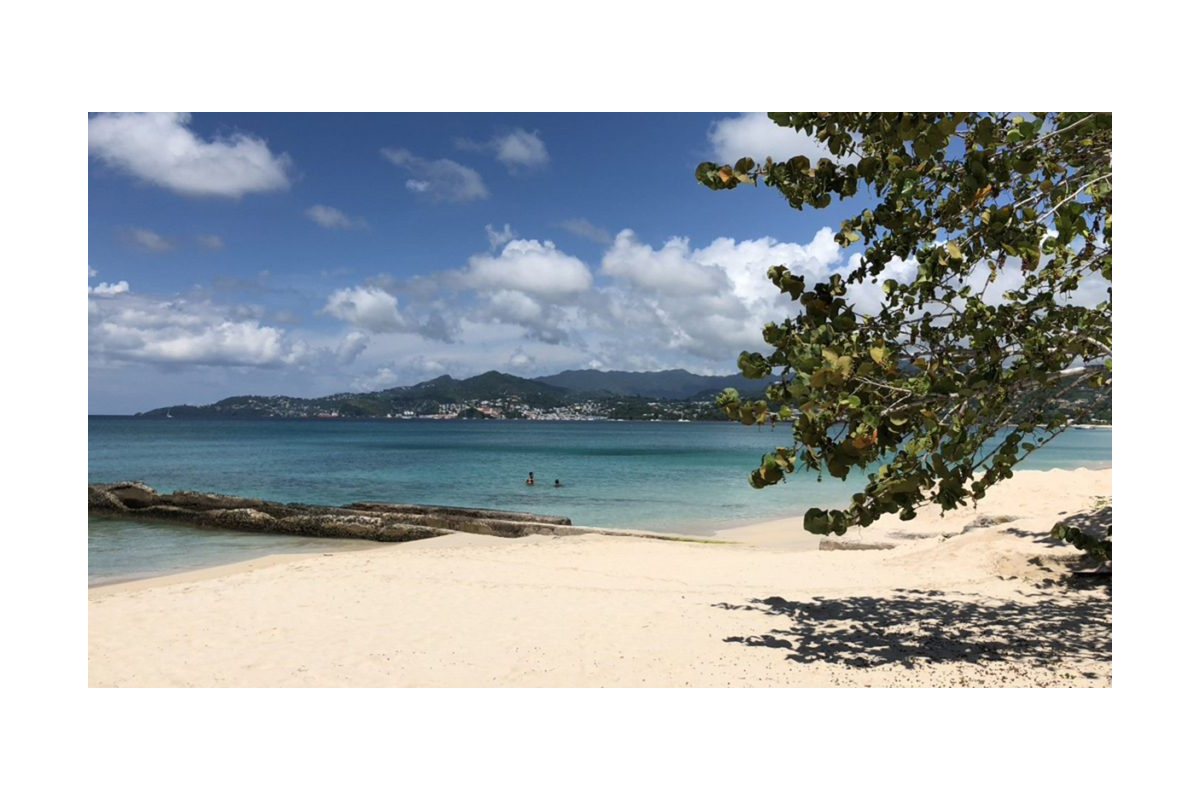
In the changing landscape of the global tourism industry, locations that have historically relied on the sun, sand, and surf for their tourist economies must shift focus in order to attract international visitors. Connected to Grenada, Carriacou and Petite Martinique now have the opportunity to reinvent their tourist offerings, particularly in drawing visitors who wish to experience authentic connection to new destinations and gain a deeper understanding of the human stories and soul of different cultures. The Grenadian Government’s commitment to develop the Arts, Culture and other creative industries represents an important step in positioning the tri-island state as a top destination for experience-based travel.
This reflects a shift in focus to a nation’s people and the ability to tell stories. The tourism board in Grenada understands that certain elements of Grenada’s culture and way of life, especially food and dance, help to enrich the tourism product and provide experiences that guests of other resorts are unable to provide. The use of elements of culture to develop a destination’s tourism product allows guests to develop an emotional connection with a place and deepen their understanding of that place. A destination is able to develop a competitive edge in the tourism industry with culture and the arts, especially when integrated with intention and innovation.
Advertisement
Advertisement
Strategic Investment: Building the Creative Economy
To transform cultural heritage into a sustainable economic engine, the Grenadian government has heavily invested in the creative sector. This investment is not a passive allocation of funds, but a targeted, multi-tiered strategy focused on capacity building, intensive inventorying of cultural assets, and direct financial support for local creatives. By equipping local artisans, musicians, and storytellers with the business acumen required to build their brands, the state is effectively bridging the gap between artistic expression and commercial viability.
Advertisement
Advertisement
Delysia De Coteau, Senior Technical Officer for Tourism, the Creative Economy, and Culture, stands at the forefront of this initiative. The work of her department involves intricately linking the creative outputs of Grenadians with the lucrative market that international tourism provides. The fundamental question driving this initiative has been how to seamlessly create markets for these local creatives. Tourism, with its built-in audience of eager and curious international visitors, serves as the ideal conduit for artists to showcase and monetize their craft.
A cornerstone of this strategy is the “Proud of my Heritage” project, a monumental initiative officially approved and funded by UNESCO and executed by the Grenada National Trust. This project is meticulously inventorying the Intangible Cultural Heritage (ICH) across Grenada, Carriacou, and Petite Martinique. By documenting customs, oral expressions, performing arts, and traditional craftsmanship, the nation is actively safeguarding its living heritage. Initiatives such as the publication of the 2023 Intangible Cultural Heritage Calendars have been launched to educate the public, featuring monthly highlights of cultural elements to promote a greater appreciation among citizens. The project empowers local communities and cultural practitioners to recognize the immense value of their identity and national pride, ensuring these traditions are passed down to future generations.
Advertisement
Advertisement
The economic returns on this strategy are already highly visible. In 2024, Grenada experienced a remarkable 30% increase in tourist arrivals in the first quarter alone, followed by a sustained 19% increase for the first half of the year. This extraordinary growth is a direct testament to the island’s enhanced connectivity, sustainable tourism initiatives, and a strategic marketing campaign that prioritizes authentic cultural immersion. The Grenada Tourism Authority’s commitment to this model has been globally recognized, culminating in top honors at the 2026 PATWA International Travel Awards, where the destination was celebrated for its sustainable development, environmental protection, and authentic visitor experiences.
Spicemas: A Triumphant Economic and Cultural Engine
Within the Caribbean, carnival is a celebrated staple, but Grenada’s Spicemas stands entirely in a league of its own. Held annually every August, Spicemas is the last major Caribbean carnival of the season, and it has evolved from a traditional festivity into a monumental cultural and economic juggernaut. Spicemas operates as the ultimate showcase of the island’s creative economy, drawing massive international crowds while heavily supporting local accommodations, tour operators, culinary vendors, and transport providers.
The statistical triumph of Spicemas is undeniable. During the 10-day festival period from August 2 to August 11, 2026, Grenada recorded a 20% increase in total visitor arrivals, welcoming 11,299 individuals compared to 9,448 the previous year. Even more impressively, non-national tourist arrivals surged by 24%. These figures illustrate the immense and growing global appeal of Grenada’s premier cultural product, reinforcing its contribution to the national economy.
However, the true draw of Spicemas lies not just in the economic metrics, but in its fierce retention of authentic heritage. The standout experience of the festival is J’ouvert, meaning “daybreak,” which features the iconic Jab Jab. Masqueraders cover themselves in black oil or charcoal, don horned helmets, and carry chains as they march through the early morning streets. The Jab Jab is a profound, living tribute to the resilience and liberation of enslaved African ancestors. Following J’ouvert is Monday Night Mas, where masqueraders light up the night skies with glowsticks to the sound of massive DJ trucks, leading into Tuesday’s Parade of the Bands. Tuesday fills the streets with traditional masqueraders such as the Vieux Corps, Shortknee, Wild Indian, and Moko Jumbie stilt walkers.
The strategic goal for Grenada’s tourism leadership is to capitalize on the immense popularity of these distinct cultural expressions. While Spicemas provides a massive seasonal influx of capital and global attention, the wider opportunity lies in extrapolating these unique heritage elements into year-round offerings. By fostering permanent cultural markets, the creative economy can sustain long-term growth for local artists and heritage practitioners, ensuring that the financial benefits of tourism circulate constantly within the local community.
Advertisement
Advertisement
The Tri-Island Identity: Carriacou and Petite Martinique
To truly understand the Grenadian tourism product, one must look beyond the main island. Grenada is a proud tri-island state, completed by the sister islands of Carriacou and Petite Martinique. These smaller islands are not merely geographical footnotes; they are fiercely independent cultural strongholds that preserve some of the most profound elements of the nation’s heritage.
In a heavily saturated global travel market, distinction is the absolute currency of success. The sister islands provide an unparalleled level of distinction. Carriacou, famously known as the “Land of Reefs,” and the even smaller Petite Martinique offer a slower, more deeply traditional way of life. The culture here is fundamentally intertwined with maritime history, communal living, and ancestral rites. For the modern traveler, crossing over to Carriacou or Petite Martinique is akin to stepping into a living sanctuary where the culture is not performed for tourists, but lived authentically by the community. It is this exact authenticity that acts as a powerful magnet for high-value visitors seeking genuine connections.
Masterpieces of Maritime History: Traditional Boatbuilding
One of the most remarkable and internationally celebrated cultural assets of the sister islands is the traditional wooden boatbuilding of Carriacou and Petite Martinique. This centuries-old craft is so profoundly significant that in 2023, it was officially inscribed on the UNESCO Representative List of the Intangible Cultural Heritage of Humanity.
The history of the Carriacou Sloop is a fascinating tale of cultural synthesis and maritime survival. Legend suggests that the craft was introduced in the 19th century by shipwrecked Scottish sailors who intermingled with the local population, creating a lineage of master shipwrights. Originally designed for a variety of purposes—from carrying cargo and fishing to engaging in the brisk inter-island smuggling trade—these single-masted wooden vessels are renowned for their speed, distinctive fore-and-aft rig, and seaworthiness. Using local hardwoods like greenheart and white cedar, craftsmen meticulously shape the hulls and set the rigging using time-tested techniques and traditional tools, often working directly on the beaches under the shade of trees.
Advertisement
Advertisement
Today, this rich heritage is being beautifully integrated into the tourism sector through initiatives like Sloopcraft. Rather than just observing from a distance, tourists can now participate in hands-on, immersive experiences. Visitors are invited to stay and work alongside master boat builders, learning the secrets of adze strokes, woodworking, and planking. They become part of the living tradition, gaining practical skills while forging a profound connection with the maritime community. By offering these immersive apprenticeships, the tourism industry is directly funding the preservation of this craft, ensuring a new generation of builders can carry the legacy forward. These beautiful boats eventually take center stage during the famous Carriacou Regatta, creating yet another massive draw for international sailing enthusiasts and cultural tourists alike.
The Meeting up of the Cake: An Unmatched Heritage Tradition
When sophisticated travelers ask for a cultural experience that is entirely exclusive to Grenada and cannot be replicated anywhere else in the world, the cultural practitioners of Carriacou point directly to their traditional pre-wedding rituals. Known locally as the “Meeting up of the Cake” or the Dancing of the Flags and Cake, this ancestral performance is a cornerstone of Carriacou’s social fabric and an extraordinary draw for heritage tourism.
Before a traditional wedding takes place, the families of the bride and the groom meet at a neutral location—often a literal crossroads, where a libation of rum and water is ceremoniously poured to honor the ancestors. The vibrant event is accompanied by the rhythmic, acoustic music of a local string band. At the heart of the ceremony are the flag dancers, typically men in African-inspired clothing, and the cake dancers, who are women representing each side of the family.
The cake dancers perform an intricate routine, rolling their hips to the rhythm while delicately balancing the wedding cakes in their hands or on their heads. The symbolism of the dance is deeply woven into the community’s values. The groom’s cake is traditionally baked slightly taller than the bride’s, and the groom’s representative must ensure her cake is held higher during the dance, a symbolic gesture representing traditional familial structures and leadership. Furthermore, the dancers must keep the cakes completely steady; a broken or dropped cake is considered a severe bad omen for the impending marriage.
To protect this breathtaking display of community and ancestral respect from the threats of Western influence and modernization, cultural preservationists are working to integrate the tradition into school curriculums and local heritage villages. For a tourist fortunate enough to witness the Cake Dance, it provides a profoundly unique memory. It is a vibrant, joyful, and completely authentic slice of life that defines the very essence of experiential travel, offering a window into a community that proudly cherishes its past.
Advertisement
Advertisement
A Sustainable Future Rooted in Identity
Grenada’s forward-thinking approach to tourism stands as a global masterclass in sustainable, culturally driven economic development. By looking inward and fiercely protecting its Intangible Cultural Heritage, the tri-island state has created a tourism product that is entirely immune to replication. From the government’s substantial investment in the creative economy and the booming success of Spicemas to the UNESCO-recognized boat builders of Carriacou and the mesmerizing Cake Dance, every element works in perfect harmony.
The overarching strategy proves that the most effective way for a destination to attract the world is to proudly showcase exactly who they are. By empowering local creatives, funding heritage preservation, and welcoming visitors to partake directly in the living history of the islands, Grenada is not just securing its economic future. It is boldly guaranteeing that its vibrant, multifaceted culture will continue to thrive, inspire, and enchant generations of travelers for decades to come.
Advertisement
