
Saudi Arabia Emerges Alongside Jordan and Others as Heritage Travel Gains Global Momentum

Published
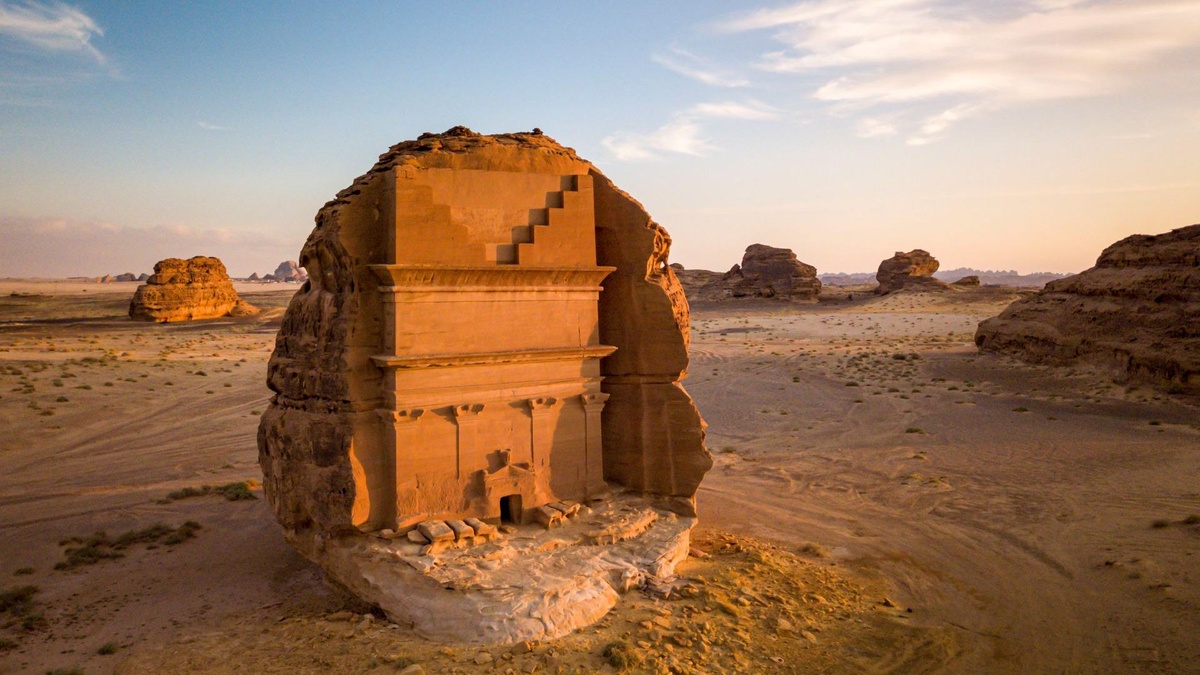
Saudi Arabia, Jordan, Egypt, Oman and the United Arab Emirates are transforming the Middle East tourism landscape by moving beyond traditional luxury, shopping and resort-led travel towards heritage-driven experiences built around ancient civilisations, archaeological landscapes, desert journeys and cultural immersion. The emerging regional trend is creating a new category of luxury travel where visitors are no longer only seeking premium hotels but complete historical experiences combining UNESCO heritage sites, ancient trade routes, museums, festivals and authentic local culture. From Saudi Arabia’s AlUla and Diriyah to Jordan’s Petra, Egypt’s ancient civilisation sites, Oman’s forts and UAE’s Al Ain heritage landscape, the region is positioning history itself as the next major tourism asset.
Middle East Tourism Enters A New Heritage-Led Era Beyond Luxury Resorts
The biggest transformation taking place across the Middle East tourism market is not a single new attraction or destination opening. It is a deeper strategic shift in how the region presents itself to international travellers.
For decades, the Middle East was globally associated with modern skylines, luxury shopping, business travel, beaches and five-star resorts. While these segments remain important, governments across the region are increasingly developing another tourism identity built around archaeology, ancient cultures, desert landscapes and historical storytelling.
The new opportunity is experience-led tourism.
Advertisement
Advertisement
Travellers are increasingly looking for destinations where they can understand civilisations, walk through ancient cities, explore archaeological discoveries and connect with local traditions. This shift is creating opportunities for longer stays, premium guided experiences, luxury heritage accommodation and multi-destination cultural journeys.
The common link between Saudi Arabia, Jordan, Egypt, Oman and the UAE is their ability to combine ancient history with modern tourism infrastructure.
Advertisement
Advertisement
| Country | Heritage Tourism Strength | Tourism Transformation |
|---|---|---|
| Saudi Arabia | AlUla, Hegra, Diriyah, Historic Jeddah | Turning ancient Arabian history into a global luxury cultural destination |
| Jordan | Petra, Wadi Rum, Roman heritage sites | Expanding beyond Petra into wider historical journeys |
| Egypt | Pyramids, Luxor, Karnak, Nile civilisation | Moving from monument visits towards complete heritage experiences |
| Oman | Forts, frankincense routes, traditional villages | Developing authentic Arabian cultural tourism |
| UAE | Al Ain, heritage districts, desert culture | Combining modern luxury with preserved Emirati identity |
Saudi Arabia’s AlUla Shows How Ancient History Is Becoming A Luxury Tourism Product
Saudi Arabia represents one of the strongest examples of this tourism transformation through AlUla.
The destination is being developed around the idea that history, nature and hospitality can work together as one tourism experience. AlUla combines archaeological sites, dramatic desert landscapes, cultural events, adventure activities and luxury accommodation.
Advertisement
Advertisement
The Royal Commission for AlUla highlights the destination’s connection with the civilisations of the Dadanites, Lihyanites and Nabataeans, while Hegra represents Saudi Arabia’s first UNESCO World Heritage Site.
The important tourism shift is that AlUla is not being positioned only as a historical attraction. It is being developed as a complete destination where visitors can combine:
- archaeological exploration
- wellness experiences
- desert adventures
- arts and culture
- premium hospitality
The official Experience AlUla platform has also developed a digital visitor ecosystem that allows travellers to discover heritage sites, experiences, events and accommodation options through a unified planning system.
This represents a wider regional trend: heritage sites are becoming full tourism economies rather than short sightseeing stops.
Advertisement
Advertisement
Jordan Expands Heritage Travel Beyond Petra Through Ancient Landscapes
Jordan’s global tourism identity has long been linked with Petra, one of the world’s most recognisable archaeological destinations.
However, the emerging opportunity is broader.
Jordan combines:
- Nabataean history
- Roman archaeological sites
- desert landscapes
- religious heritage
- cultural traditions
The future tourism opportunity lies in encouraging travellers to stay longer and explore multiple historical locations rather than focusing on one iconic attraction.
The country’s heritage model connects naturally with neighbouring destinations because ancient trade networks once linked parts of the Arabian Peninsula, Levant and North Africa.
For travel companies, this creates opportunities for:
Advertisement
Advertisement
| Travel Product | Opportunity |
|---|---|
| Luxury cultural tours | Multi-day heritage journeys |
| Adventure travel | Desert exploration combined with archaeology |
| Educational travel | Ancient civilisation programmes |
| Premium FIT travel | Private historical experiences |
Egypt Converts Thousands Of Years Of Civilisation Into Modern Travel Experiences
Egypt remains one of the world’s strongest heritage tourism destinations because of its extraordinary historical depth.
The Egyptian Tourism Authority promotes the country through archaeological sites, museums, cultural experiences, nature tourism and heritage attractions. Egypt’s official tourism platform highlights seven UNESCO World Heritage Sites and promotes experiences ranging from ancient monuments to museums, deserts, ecotourism and Nile-based travel.
The next stage of Egypt’s tourism growth is moving beyond the traditional idea of visiting individual monuments.
The emerging model focuses on:
- immersive history
- museum experiences
- archaeological routes
- cultural events
- luxury Nile journeys
- desert extensions
Cities such as Cairo and Luxor remain central because they connect modern tourism infrastructure with ancient civilisation.
The opportunity for international tour operators is creating journeys that combine Egypt’s archaeological wealth with neighbouring Middle Eastern heritage destinations.
Advertisement
Advertisement
Oman Builds An Authentic Heritage Alternative Through Forts, Trade Routes And Desert Landscapes
Oman provides a different model from larger regional tourism markets.
While Saudi Arabia focuses heavily on large-scale destination development and the UAE combines modern luxury with heritage, Oman’s strength is authenticity.
The country’s tourism identity is built around:
- historic forts
- traditional settlements
- frankincense heritage
- mountains
- deserts
- coastal landscapes
Oman’s official tourism resources highlight heritage and cultural activities as key visitor experiences, including historic architecture, local traditions and cultural encounters.
The hidden opportunity for Oman is attracting travellers who want a slower and more immersive Middle East experience.
Its appeal is particularly strong among:
Advertisement
Advertisement
- luxury adventure travellers
- cultural tourists
- nature travellers
- experiential holidaymakers
UAE Links Modern Luxury With Preserved Heritage Experiences
The United Arab Emirates is often recognised internationally for Dubai’s skyline, shopping and luxury hospitality.
However, the country is increasingly highlighting its historical identity.
The UAE government identifies heritage as a key part of national culture, including archaeological locations, traditional architecture, museums, heritage villages and Al Ain’s UNESCO World Heritage landscape.
The emerging tourism message is that modern luxury and heritage do not compete.
Instead, they complement each other.
A traveller can experience:
Advertisement
Advertisement
- futuristic cities
- desert landscapes
- traditional communities
- museums
- archaeological locations
This combination creates a differentiated tourism product compared with purely resort-based destinations.
The Shared Opportunity Is Ancient Trade Routes Becoming Modern Tourism Routes
The strongest connection between these countries is historical.
Long before modern borders existed, the region was connected through:
- incense trade routes
- caravan networks
- maritime routes
- pilgrimage journeys
- cultural exchange
Today, tourism planners can reinterpret those historical connections for modern travellers.
The future opportunity is not necessarily one official route but a network of experiences connecting:
- Arabian heritage
- ancient civilisations
- desert landscapes
- cultural cities
- archaeological sites
This creates a powerful product category:
Advertisement
Advertisement
luxury heritage travel.
Why This Matters For Airlines, Hotels, Cruises And Tour Operators
The heritage tourism transformation creates opportunities across the travel ecosystem.
| Sector | Impact |
|---|---|
| Airlines | More demand for regional connectivity between heritage destinations |
| Hotels | Growth of luxury heritage resorts and experiential accommodation |
| Tour Operators | New multi-country cultural itineraries |
| Cruise Companies | Red Sea and Gulf cultural cruise opportunities |
| MICE Industry | Heritage venues for conferences and incentive travel |
| Travel Technology | Digital booking and storytelling platforms |
Operational Takeaways For Travel Agents And Tour Operators
- Develop multi-country Middle East heritage packages instead of single-destination itineraries.
- Combine famous attractions with lesser-known cultural experiences.
- Include desert, archaeology and local community experiences in luxury programmes.
- Monitor new tourism infrastructure around heritage destinations.
- Train travel consultants on historical storytelling, not only sightseeing.
- Build longer-duration packages because heritage travellers often seek deeper experiences.
- Partner with local guides and cultural operators for authentic experiences.
- Promote shoulder-season travel opportunities in desert destinations.
Future Outlook: Heritage Could Become The Middle East’s Next Global Tourism Identity
The Middle East’s next tourism phase is likely to be defined not only by luxury hotels and modern cities but by the ability to transform thousands of years of history into meaningful visitor experiences.
Saudi Arabia, Jordan, Egypt, Oman and the UAE share a rare advantage: they possess ancient civilisations, dramatic landscapes and modern tourism investment at the same time.
The long-term opportunity is creating a new global tourism category where heritage, luxury, adventure and cultural discovery meet.
For international travellers, the region is increasingly becoming not just a place to visit, but a place to understand the history of human civilisation.
Advertisement
Advertisement
FAQs
1. Why is heritage tourism growing in the Middle East?
Heritage tourism is growing because travellers increasingly want meaningful experiences involving history, culture, archaeology and local traditions rather than only traditional leisure activities.
2. What makes Saudi Arabia important for Middle East heritage tourism?
Saudi Arabia has major heritage destinations including AlUla, Hegra and Diriyah, which combine archaeology, culture, nature and luxury tourism experiences.
3. Which Middle Eastern countries are strongest for historical tourism?
Egypt, Jordan, Saudi Arabia, Oman and the UAE are among the region’s strongest heritage tourism markets because of their archaeological sites, ancient civilisations and cultural landscapes.
4. How does heritage tourism benefit travel businesses?
It creates opportunities for specialised tours, luxury experiences, longer stays, cultural packages and new destination combinations.
5. What is the future of Middle East tourism?
The future is expected to combine luxury hospitality with heritage, sustainability, adventure, technology and authentic cultural experiences.
Advertisement
