
Berlin Is Now Set To Unlock More Great Marathon Travel As 60,000 Global Athletes Take On The City

Updated
Published
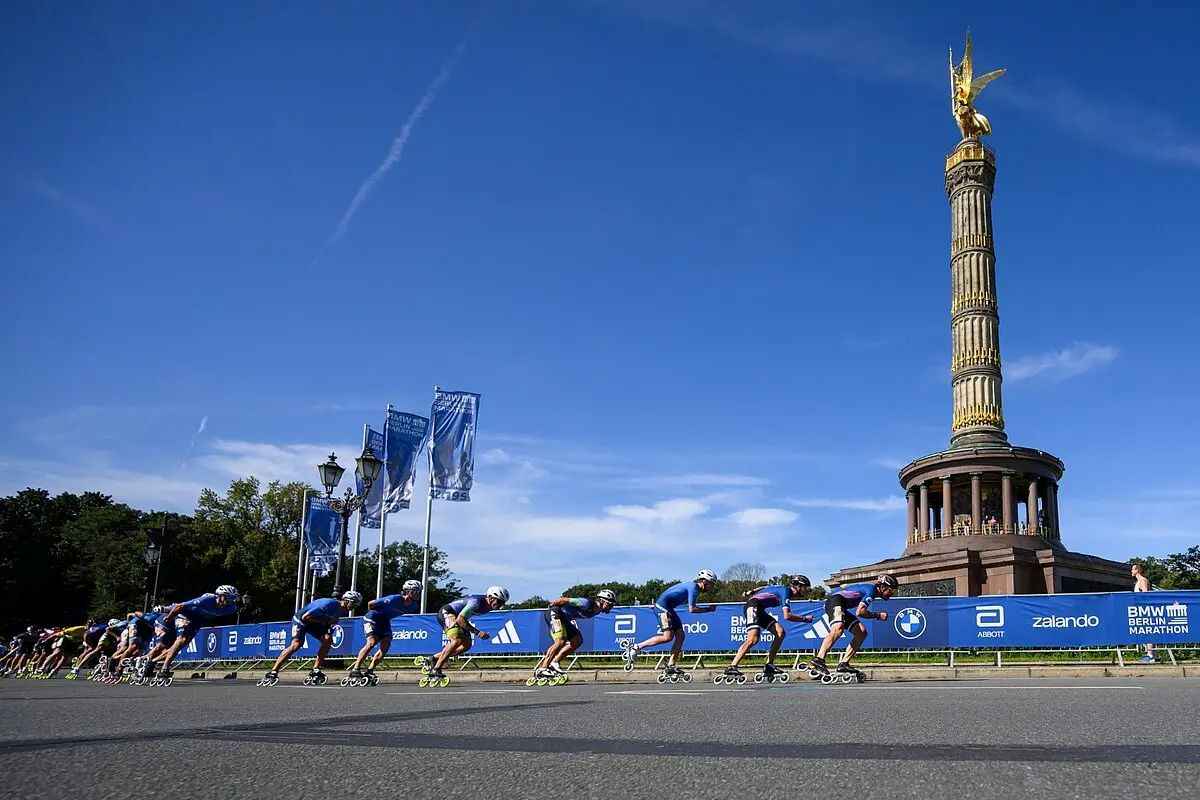
Germany will host the 52nd Berlin Marathon on 27 September 2026, bringing international athletes, spectators and support teams into the capital. Organisers expect about 60,000 athletes from roughly 160 countries across the wider programme. This Marathon Travel event begins with a free expo at Tempelhof Airport from 24 to 26 September. A five-kilometre race and inline skating follow on Saturday. The marathon, wheelchair and handcycle events take place on Sunday. Berlin authorities have warned about major road restrictions, making underground and suburban trains important for visitors moving across the city during the event weekend.
Berlin Marathon Travel 2026 Is Primarily a Sports Tourism and Transport Story
The event has several connected news elements. International participation drives its sports-tourism importance, while the multi-day programme creates additional visitor movement. Transport disruption is the strongest immediate concern for travellers already staying in Berlin. Accommodation, accessibility and German entry requirements also matter, but official information does not establish a special immigration policy or a definite hotel-sector impact.
Advertisement
Advertisement
The percentages below are an editorial assessment of each subject’s importance. They are not official statistics. The division reflects the quantity, strength and practical relevance of the verified information available on 13 September 2026.
| News component | Share of story | Officially verified finding | Relevance to travellers |
|---|---|---|---|
| Sports and event tourism | 35% | The marathon takes place on 27 September, with about 60,000 athletes expected across the programme | International competitors and spectators will travel to Berlin |
| Public transport and roads | 25% | Severe restrictions are expected in nine Berlin districts | Visitors should use underground and suburban trains |
| Expo and supporting events | 15% | The free expo runs from 24 to 26 September, followed by Saturday races | The programme encourages earlier arrival and longer participation |
| Destination tourism | 10% | The course passes several major Berlin landmarks | Spectators can combine the event with city sightseeing |
| Accessibility | 10% | Wheelchair racers and handcyclists form part of the official programme | The event includes specialist competitors and accessible arrangements |
| Visas and borders | 5% | Normal German and Schengen entry rules remain applicable | International visitors receive no event-specific exemption |
| Total | 100% | Editorial assessment based on verified evidence | The main effects concern event travel and city transport |
The evidence confirms a major international event with substantial movement across Berlin. It does not confirm a specific economic windfall, hotel occupancy level or increase in room prices. Travellers should understand that the direct effects involve the event programme, road restrictions, public transport and normal entry requirements.
Advertisement
Advertisement
Berlin Marathon Travel 2026 Develops Through Four Confirmed Event Days
The Berlin Marathon began in 1974 with 286 runners. It later developed into one of the world’s leading city races. Berlin’s official tourism portal says more than a dozen world records have been achieved on its flat 42.195-kilometre course. The race also gained historical importance in 1990, when competitors crossed between the former western and eastern parts of Berlin shortly before German reunification.
The 2026 programme begins at Tempelhof Airport on Thursday, 24 September. The free sports expo opens from 3pm until 8pm. It continues from 10am to 8pm on Friday and from 9am to 7pm on Saturday. More than 100 exhibitors are expected. Official information says the exhibition can attract up to 100,000 visitors and sports enthusiasts, although this is not a confirmed attendance forecast for the 2026 edition.
Advertisement
Advertisement
Saturday’s five-kilometre race begins at 10am near Potsdamer Platz. It follows the final part of the marathon route and finishes beyond Brandenburg Gate. The published entry price is €34.50, and competitors have a one-hour time limit. Registered runners must collect their materials personally from the expo on Thursday or Friday. Saturday collection will not be available.
Inline skating starts from 12.20pm on 26 September. The main marathon, wheelchair and handcycle competitions follow on Sunday. Berlin’s city portal lists 9.15am as the runners’ starting time. The principal start and finish area is on Straße des 17. Juni between Brandenburg Gate and Kleiner Stern.
Advertisement
Advertisement
The withdrawal of the defending men’s champion because of injury was confirmed on 27 August. It changed the elite sporting field but did not cancel or reduce the wider programme. Registered runners, visitors and spectators remain subject to the published schedule.
Berlin Marathon Travel 2026 Connects Global Participation With Berlin Tourism
The immediate trigger for increased visitor movement is the confirmed multi-day event programme. Around 60,000 athletes from approximately 160 countries are expected across its competitions. This international scale directly supports inbound and domestic journeys. However, official sources have not published the number of accompanying relatives, coaches, spectators or media representatives.
Berlin’s official tourism portal separately states that the marathon generally attracts more than 58,000 participants, including runners from over 120 countries. That description should not be confused with the broader 2026 expectation. The two figures may cover different competitions and participation categories. They remain useful indicators of the event’s international scale but cannot be combined into a growth rate.
Berlin recorded 12.4 million visitors and 29.4 million overnight stays in the latest annual headline data published by the city’s tourism organisation. This produces an average of approximately 2.37 nights per recorded visitor. Official figures also place annual visitor consumption at €15.1 billion and identify 224,800 tourism-related jobs across hotels, restaurants and culture.
Advertisement
Advertisement
During the first half of 2026, Berlin registered 5.9 million guests and 13.6 million overnight stays. This equals about 2.31 nights per guest. These citywide figures show that Berlin already supports a large visitor economy. They do not measure the marathon’s individual contribution.
A Route Through Berlin’s Leading Landmarks
The course combines competitive sport with destination visibility. Athletes pass the Victory Column, Potsdamer Platz and Brandenburg Gate. Other recognised viewing areas include Tiergarten, the government district, Olivaer Platz and Unter den Linden. This gives spectators opportunities to experience the city while following the race.
Hotels, restaurants, shops and attractions may receive additional customers during the event period. That is an evidence-based possibility, not a measured 2026 result. No official marathon-specific forecast currently confirms accommodation occupancy, average room rates, visitor expenditure or the number of extended stays.
Accessibility Supports Wider Participation
Wheelchair racing and handcycling are established parts of the Sunday programme. Official arrangements include a step-free expo entrance, accessible underground stations and dedicated assistance for registered competitors. Eligible disabled visitors can also use designated parking when they display the required official permit.
Lifts operate inside the expo, but official guidance states that handcycles cannot fit inside them. This limitation means athletes using larger equipment should study the venue arrangements before arrival. Accessibility is therefore supported through specific measures, although some practical restrictions remain.
Marathon Travel Will Require Careful Movement Across Berlin
Road disruption represents the clearest immediate effect for residents and visitors. Berlin authorities expect serious restrictions on Saturday afternoon and throughout Sunday. Streets beside the course will remain closed for extended periods, particularly in Tiergarten and Mitte. Friedrichshain, Kreuzberg, Neukölln, Schöneberg, Steglitz, Wilmersdorf and Zehlendorf will also be affected.
Advertisement
Advertisement
The course passes through central, eastern, southern and western areas. Taxis, cars and surface buses may therefore face diversions or delayed journeys. Visitors should not assume that a normal direct road route will remain available. Berlin authorities recommend underground and suburban railway services for spectators.
Registered marathon and inline-skating participants receive a four-day public transport pass covering fare zones A, B and C. It remains valid from midnight on 24 September until 3am on 28 September. The pass is personal and cannot be transferred to relatives, friends or spectators.
Tempelhof Airport has no general visitor parking during the expo. Underground line U6 serves Platz der Luftbrücke, around ten minutes away on foot. Several suburban railway lines serve Tempelhof station, approximately 15 minutes from the venue. Local bus services also reach the area, although road controls may affect surface journeys.
International visitors must follow Germany’s normal immigration requirements. European Union citizens can enter under free-movement arrangements with acceptable identity documents. Comparable rules generally cover citizens of the European Economic Area and Switzerland.
Many visa-exempt non-European travellers can stay within the Schengen area for up to 90 days during any 180-day period. They must still hold a compliant passport and satisfy normal border conditions. Nationals who require visas generally need a short-stay Schengen visa before travelling.
A registration confirmation, payment record or starting number does not replace a visa. It also does not guarantee entry into Germany. Requirements depend on nationality, residence and itinerary, so visitors should consult the responsible German diplomatic mission.
Advertisement
Advertisement
Berlin Marathon Travel 2026 Actions for Athletes and Spectators
International participants, accompanying visitors and spectators should review their arrangements before the expo opens. The event remains scheduled, but road restrictions and controlled access will affect movement. No official guidance presently requires visitors to cancel their journeys.
Travellers should take these event-specific steps:
- Confirm accommodation dates, location and access to nearby railway stations.
- Check passport validity and visa requirements through German authorities.
- Collect race materials within the official deadline.
- Do not rely on Saturday collection for the five-kilometre race.
- Use underground and suburban trains instead of driving across the course.
- Allow additional time around Tiergarten, Mitte and the other affected districts.
- Confirm whether a participant transport pass covers the intended journey.
- Remember that participant passes cannot be shared with accompanying visitors.
- Follow official updates about start waves, security and route changes.
- Check live transport notices before leaving the hotel or accommodation.
- Keep bags within the expo’s maximum size of 55 by 40 by 25 centimetres.
- Review accessibility arrangements when travelling with a wheelchair or handcycle.
The event schedule does not currently require most visitors to change their plans. Continued monitoring is necessary because transport operations and detailed route controls can be updated closer to race weekend.
Berlin Marathon Travel 2026 Moves Towards Its Main Race Weekend
Berlin will enter its busiest operational phase when the expo opens on 24 September. The next confirmed stages are Saturday’s five-kilometre race and inline skating, followed by Sunday’s main competitions. Authorities and transport operators may release more detailed notices as the closures approach.
The official route remains subject to operational changes. Athletes should watch for final instructions covering start groups, controlled zones and collection procedures. Spectators should monitor station information and access routes. Official attendance, accommodation and expenditure data will only become available after the event, if the responsible organisations publish them.
Berlin Marathon Travel 2026 will bring athletes and spectators from across the world to Germany’s capital for four days of sporting activity. Confirmed plans include a free expo, Saturday competitions and Sunday’s marathon, wheelchair and handcycle events. Road closures will affect nine districts, making rail services important for local journeys. International visitors must follow normal German entry rules because race registration provides no immigration exemption. The event may support hotels and local businesses, but no official spending or occupancy result is available yet. Travellers should follow official race, transport and government updates as Berlin moves towards the main competition weekend.
Advertisement
