
Berlin Festival of Lights 2026 illuminates Germany with Dazzling Art Across Iconic Landmarks: All You Need to Know

Published
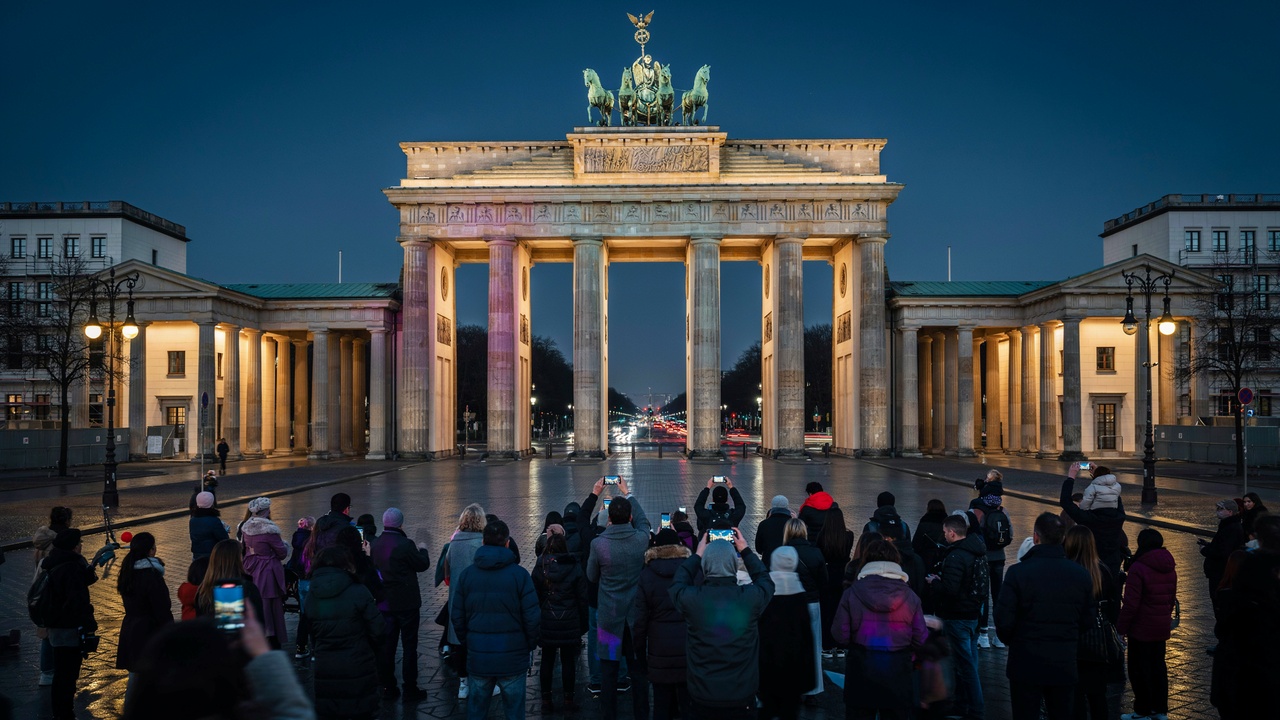
Image generated with Ai
Berlin is preparing for one of its most visually striking autumn celebrations as the Festival of Lights 2026 returns from 9 to 18 October. Famous buildings, historic squares and modern landmarks across Germany’s capital will become enormous canvases for colourful projections, artistic illumination and digital storytelling.
The 2026 edition carries the theme “Colours of Love”. Visitors will be able to explore illuminated attractions including the Brandenburg Gate, Bebelplatz, Berlin TV Tower, Museum Island, Potsdamer Platz, Nikolaiviertel, Funkturm and Olympic Stadium. Most outdoor displays will be free, making the festival particularly attractive for travellers planning an affordable cultural city break.
Advertisement
Advertisement
Why Will Berlin Festival of Lights 2026 Transform the Capital After Dark?
The Festival of Lights changes how travellers experience Berlin. Instead of simply illuminating monuments, artists use architectural features as part of their visual compositions.
From 9 to 18 October, projections and light installations will appear across different districts. The main illuminations are generally scheduled between 7pm and 11pm.
Advertisement
Advertisement
This creates a second sightseeing window after Berlin’s daytime attractions begin closing.
Visitors can spend the morning exploring museums, historical sites and neighbourhoods before returning to central Berlin for the evening displays. The combination could be particularly attractive to international travellers planning an October European city break.
Advertisement
Advertisement
Most importantly, visitors do not need a general admission ticket to experience the principal outdoor displays. Selected tours, special programmes and individual venues can carry separate charges.
What Are the Essential Festival Details Travellers Need?
| Travel Detail | Festival Information |
|---|---|
| Event | Berlin Festival of Lights 2026 |
| Destination | Berlin, Germany |
| Dates | 9–18 October 2026 |
| Theme | Colours of Love |
| Main hours | Approximately 7pm–11pm |
| Main outdoor displays | Free |
| Major attraction | Brandenburg Gate |
| Other locations | Bebelplatz, Museum Island, Potsdamer Platz |
| Skyline highlight | Berlin TV Tower |
| Western Berlin | Funkturm and Olympic Stadium |
| Best transport | S-Bahn, U-Bahn, tram, bus and walking |
Visitors should check the latest programme before travelling because individual installations, access arrangements and special activities can vary.
Advertisement
Advertisement
Why Will Brandenburg Gate Be One of the Biggest Attractions?
The Brandenburg Gate provides an extraordinary setting for large-scale projection art.
Its columns, sculptures and monumental dimensions allow artists to create visual sequences that interact directly with the architecture.
For international visitors, the attraction has another advantage. Brandenburg Gate already sits near the top of most Berlin sightseeing itineraries. The Festival of Lights gives travellers an opportunity to experience the monument differently after sunset.
Its central location also makes it convenient for exploring other illuminated areas.
Advertisement
Advertisement
Visitors can combine Brandenburg Gate with an evening walk through central Berlin rather than making a separate journey solely for one installation.
However, its international popularity means crowds should be expected. Travellers interested in photography may benefit from arriving around the beginning of the nightly illumination period.
What Makes Bebelplatz Different From Other Festival Locations?
Bebelplatz offers one of the more immersive festival settings.
Rather than concentrating exclusively on one building, projections can surround visitors across multiple architectural surfaces. Music can further strengthen the atmosphere.
The square’s location on Unter den Linden also places visitors within one of Berlin’s most important historical districts.
That makes Bebelplatz particularly useful when designing a walking route.
Advertisement
Advertisement
Travellers can explore several central attractions during the afternoon, stop for dinner and then experience the illuminated square after 7pm.
The changing projections mean visitors should avoid rushing through the location. Spending additional time can reveal different sequences and artistic elements that may not appear during a brief stop.
How Will Museum Island Add Culture to the Festival Experience?
Museum Island gives the Festival of Lights a strong cultural dimension.
Located beside the River Spree, the UNESCO-listed museum ensemble represents one of Berlin’s most important heritage areas. During the festival period, visitors can combine world-class museums with evening light installations in the surrounding district.
The riverside environment also creates distinctive photographic opportunities.
Illuminated architecture can interact with bridges, water and reflections, producing a very different atmosphere from large urban squares such as Potsdamer Platz.
Advertisement
Advertisement
Museum Island also sits within walking distance of several central attractions.
Visitors could therefore create an evening itinerary connecting Bebelplatz, Museum Island, Nikolaiviertel and Alexanderplatz without travelling repeatedly across the city.
Why Should Travellers Include Berlin TV Tower and Alexanderplatz?
At approximately 368 metres, the Berlin TV Tower dominates the city’s skyline and remains one of Berlin’s most recognisable structures.
Its visibility from different neighbourhoods gives the Festival of Lights a striking vertical landmark.
Travellers visiting this part of Berlin can also explore Alexanderplatz, one of the capital’s busiest public spaces, before continuing towards nearby Nikolaiviertel.
The area works particularly well for travellers who want to combine sightseeing, shopping, dining and festival activities within the same evening.
Advertisement
Advertisement
Entry to the TV Tower itself remains separate from the free outdoor Festival of Lights programme. Anyone hoping to visit its observation facilities should therefore check tickets and opening arrangements separately.
Why Does Nikolaiviertel Deserve a Place on the Festival Route?
Berlin is not only about monumental architecture.
Nikolaiviertel provides a smaller-scale atmosphere that contrasts sharply with Alexanderplatz, Brandenburg Gate and Potsdamer Platz.
Its streets and historical character offer visitors a different perspective on central Berlin.
The neighbourhood’s location makes it particularly valuable for travellers following the festival on foot. Visitors can move between Nikolaiviertel, Museum Island and the Alexanderplatz area relatively easily.
This creates an opportunity to experience several contrasting sides of Berlin during one evening.
Advertisement
Advertisement
Rather than travelling directly between major headline attractions, visitors can slow down and discover smaller streets, restaurants and architectural details along the way.
What Makes Potsdamer Platz Important for Light-Art Fans?
Potsdamer Platz demonstrates Berlin’s modern side.
Contemporary buildings and strong architectural lines provide artists with a different canvas from historic monuments such as Brandenburg Gate.
The area has another practical advantage: connectivity.
S-Bahn and U-Bahn services make Potsdamer Platz relatively easy to integrate into a wider Festival of Lights itinerary.
Visitors can therefore experience the installations before continuing towards another district without relying on private transport.
Advertisement
Advertisement
The neighbourhood also symbolises Berlin’s extraordinary transformation over recent decades, giving travellers a visual contrast between the city’s historic architecture and modern urban development.
Why Is the Funkturm Especially Significant in 2026?
One landmark carries additional meaning this year.
The Berlin Funkturm marked its 100th anniversary in September 2026, giving visitors another reason to explore western Berlin.
Opened in 1926, the steel radio tower has become a distinctive feature of the city’s architectural landscape.
Its inclusion in the Festival of Lights connects contemporary digital creativity with a century-old Berlin landmark.
A special anniversary event is also scheduled during the festival period, although travellers should remember that ticketed programmes are separate from the free public installations.
Advertisement
Advertisement
For repeat visitors who already know central Berlin, the Funkturm provides a strong reason to expand their itinerary towards City West.
How Does the Olympic Stadium Expand the Festival Beyond Central Berlin?
The Berlin Olympic Stadium further extends the geographical reach of the event.
Its enormous scale creates possibilities that differ dramatically from projections displayed on smaller buildings and squares.
Travellers should nevertheless check admission requirements before visiting. While the principal Festival of Lights installations across Berlin are free, special stadium experiences can require tickets.
This distinction is important when budgeting.
Visitors seeking a largely free experience can concentrate on public installations across central Berlin. Travellers wanting something additional can consider ticketed stadium programmes, organised tours or special events.
Advertisement
Advertisement
What Is the Best Way to Explore Berlin Festival of Lights?
Trying to cover every installation in one evening is unlikely to produce the best experience.
Berlin is geographically large, and the festival extends across several areas.
A better approach is to divide sightseeing into geographical clusters.
One evening could include Brandenburg Gate, Bebelplatz and Museum Island.
Another could concentrate on Alexanderplatz, Berlin TV Tower and Nikolaiviertel.
Travellers could then dedicate another evening to Potsdamer Platz, before exploring western locations such as the Funkturm and Olympic Stadium separately.
Advertisement
Advertisement
Public transport should play a central role in planning. Berlin’s S-Bahn, U-Bahn, buses and trams allow travellers to move between districts without depending on cars.
Walking remains essential, so comfortable footwear is highly recommended.
Why Could October Be a Strong Time for a Berlin City Break?
The Festival of Lights gives autumn travellers a specific reason to visit Berlin.
October temperatures are cooler than summer, but the season can offer a distinctive atmosphere for urban sightseeing. Visitors can explore indoor cultural attractions during the day before moving outdoors for the illuminations after sunset.
Berlin’s enormous museum landscape also provides flexibility when weather conditions change.
Restaurants, cafés, cultural venues and nightlife can complement the evening festival programme.
Advertisement
Advertisement
Travellers should bring warm layers and prepare for possible rain because much of the principal festival experience takes place outdoors.
The result can be a city break combining architecture, culture, photography, history, nightlife and contemporary digital art within one itinerary.
Why Does the Festival Matter for Berlin Tourism?
Events such as the Festival of Lights strengthen Berlin’s appeal beyond conventional sightseeing.
Official tourism figures show that Berlin welcomed around 12.4 million guests and 29.4 million overnight stays during 2025. International travellers generated roughly 41% of overnight stays.
The city then registered approximately 5.9 million visitors and 13.6 million overnight stays during the first half of 2026.
Large cultural events can give these travellers additional reasons to choose particular travel dates.
Advertisement
Advertisement
Instead of visiting Berlin only for its permanent museums and monuments, visitors can plan trips around experiences available for a limited period.
That helps transform familiar attractions into something new even for repeat travellers.
What Should Travellers Know Before Arriving?
Visitors should check the latest official festival programme shortly before their trip.
Installation locations, access conditions and associated events can change. Ticket requirements should also be checked carefully for special programmes.
Travellers should expect crowds around famous landmarks, particularly Brandenburg Gate.
Using public transport can simplify movement between festival zones. Visitors should also avoid planning too many locations for a single evening.
Advertisement
Advertisement
Most importantly, allow time to actually watch the projections.
The Festival of Lights is not simply a checklist of illuminated buildings. Its appeal comes from seeing architecture, movement, colour and artistic storytelling interact after dark.
Frequently Asked Questions
1. When is Berlin Festival of Lights 2026?
The festival takes place from 9 to 18 October 2026.
2. What is the 2026 theme?
The theme is Colours of Love.
3. What time are the installations illuminated?
The main displays generally operate from approximately 7pm until 11pm.
4. Is Berlin Festival of Lights free?
Most principal outdoor installations are free. Some tours, special events and venues require paid admission.
Advertisement
Advertisement
5. Which places should first-time visitors prioritise?
Brandenburg Gate, Bebelplatz, Museum Island, Berlin TV Tower and Potsdamer Platz provide an excellent introduction.
6. Can travellers see everything in one night?
It is better to divide the attractions across two or more evenings because festival locations are spread across Berlin.
Berlin Prepares to Glow Across October Nights
The Berlin Festival of Lights 2026 will give travellers an opportunity to rediscover Germany’s capital through colour, architecture and digital creativity.
From the monumental Brandenburg Gate to historic Museum Island, modern Potsdamer Platz and the towering Funkturm, Berlin’s urban landscape will become part of the artwork itself.
For travellers considering a European autumn break, the festival combines free evening entertainment with heritage attractions, museums, neighbourhood exploration and one of Europe’s most distinctive cityscapes.
Advertisement
