
Vietnam Changes Global Travel Forever By Proving That Meaningful Long Stays Beat Quick Visits Across Asia

Published
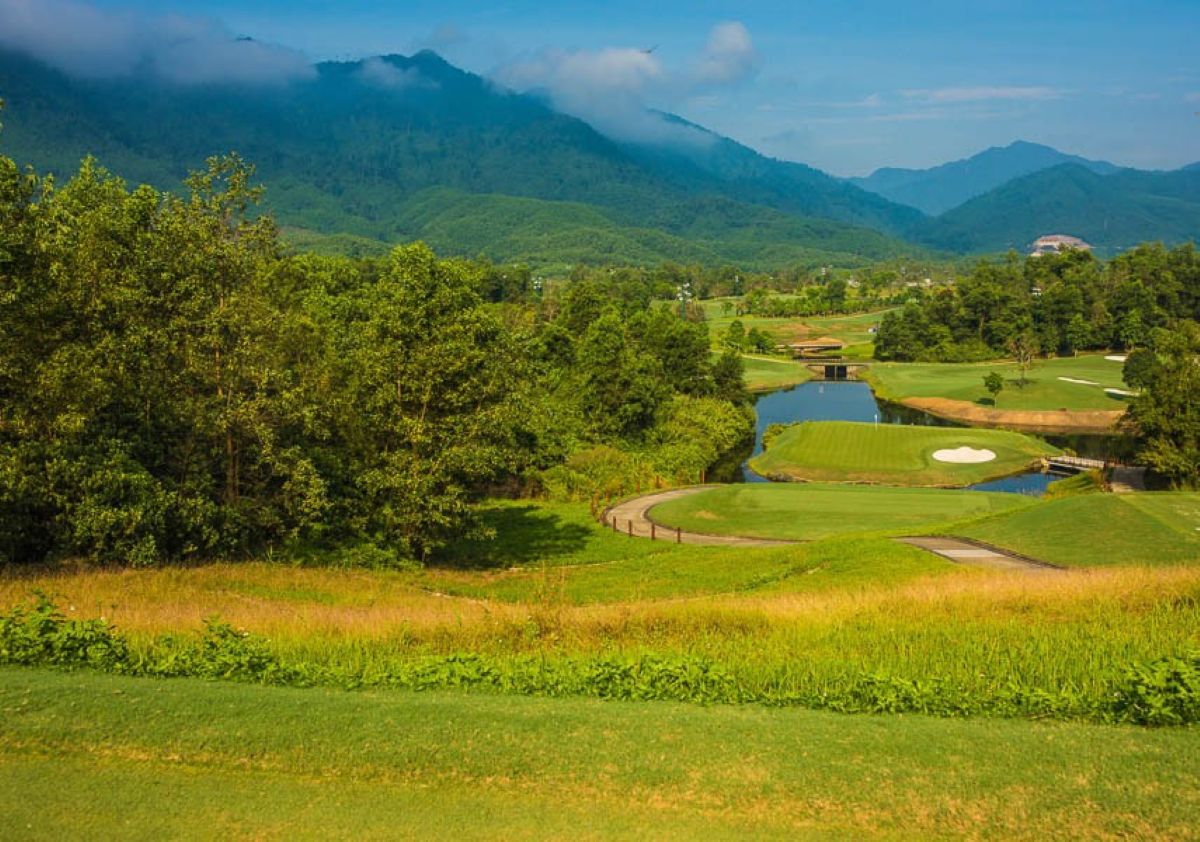
Image Credit vietnam.travel
There has been a paradigm shift in the perception of success in Vietnam, and travel is the new metric. Traveling shifts the people centered perception of success to that of memories and the value of the journeys that people undertake. Instead of following the strategy of attracting a million Instagram references through gimmicks, Vietnam draws the slow traveler with its methods. This trend will engulf the whole region. Existing vintage streets of old Vietnam are starting to appear as hidden gems. With Vietnamese hospitality and more refined services, local family businesses now have a better chance of staying in business. There are now more options to travel depending on your budget. Travelers will feel more appreciated then ever before. The travel experiences and the memories that travelers take home will be the true measure of success achieved by Vietnam in travel.
Advertisement
Advertisement
Analyzing the Global Industry Ripples and Infrastructure Adaptations Across Southeast Asia
The strategic transformation occurring within Vietnam is driving profound structural changes across the broader global hospitality and aviation markets. International air carriers are actively recalibrating their intercontinental route structures to satisfy soaring premium passenger demand from long-haul origin markets such as Europe, North America, Australia, and the Middle East. Consequently, direct flight frequencies are expanding rapidly, granting long-distance globetrotters direct access to regional hubs while eliminating exhausting layovers. Meanwhile, local accommodation providers are elevating their asset portfolios by converting standard accommodation inventory into high-end suites, offering bespoke concierge services, and integrating immersive wellness amenities. Nearby destination markets, including Thailand and Malaysia, are monitoring these operational shifts closely as regional tourism competition moves decisively away from budget-driven price wars toward high-end experience delivery.
Advertisement
Advertisement
Additionally, secondary service sectors, such as upscale retail complexes, modern airport terminals, fine-dining establishments, and private transport networks, are realizing significant revenue growth. Strategic investments in physical infrastructure now prioritize seamless connectivity between breathtaking natural landscapes and vibrant modern urban centers across Vietnam. Furthermore, international travelers benefit from streamlined visa processing, elevated safety standards, and personalized excursion packages. Higher average spending directly fuels community-based cultural preservation efforts, ensuring that rapid commercial growth supports ecological sustainability and heritage protection. This holistic alignment establishes a robust, highly resilient economic blueprint that promises long-term stability for regional stakeholders and world travelers alike.
Evaluating Historical Financial Benchmarks and Shifting Visitor Expenditure Metrics
Advertisement
Advertisement
From a financial perspective, national authorities have set an ambitious target of welcoming 25 million international visitors annually, supported by robust progress during the first eight months of 2026, when foreign arrivals reached nearly 16 million—representing a impressive year-over-year increase of over 14%. To appreciate the magnitude of this financial evolution, historical data provides essential context: back in 2019, average individual spending per trip within Vietnam stood at approximately VND 26 million, trailing behind Thailand, where individual visitor spending averaged between VND 36 million and VND 37 million. However, by 2025, average visitor spending within Vietnam rose remarkably to roughly VND 32 million per trip, dramatically narrowing the competitive gap with Thailand, which recorded VND 39 million, and Malaysia, which achieved averages between VND 37 million and VND 40 million.
These changing monetary metrics confirm that international vacationers are staying longer, exploring more diverse regions, and investing heavily in premium local services. Historically, roughly 70% of international arrivals originated from neighboring Asian origin markets, highlighting an exceptional growth opportunity to diversify the visitor demographic by attracting affluent travelers from long-haul continents. Economically, a single high-spending long-haul visitor remaining in the country for two to three weeks generates significantly higher profit margins than multiple short-stay budget tourists. Consequently, global travel distribution systems are shifting resources toward curated luxury itineraries that capture maximum value per visitor.
Expanding High-Value Niche Travel Segments and Enhancing Nighttime Economies
To fully capture high-value market segments, comprehensive operational strategies are actively under development to enrich daytime and nighttime visitor activities. Destination planners are heavily cultivating dynamic nighttime entertainment districts, upgrading inter-city transport networks, and establishing curated luxury shopping centers. Furthermore, specialized growth initiatives target high-yield travel niches, including Meetings, Incentives, Conferences, and Exhibitions (MICE), high-end golf holiday packages, holistic eco-wellness retreats, and premium cultural immersion tours.
By diversifying beyond traditional sightseeing routes, Vietnam presents international visitors with captivating reasons to lengthen their journeys and explore hidden regional gems. The broad economic impact of this upscale strategy extends far beyond hotels and tour agencies, directly stimulating commercial aviation, specialized transport networks, fine dining, upscale retail, and art industries. Global travelers seeking deep, meaningful cultural encounters now find a world-class destination designed to deliver unparalleled hospitality, authentic heritage preservation, and exceptional luxury standards.
Modernizing Entry Protocols and Streamlining Electronic Visa Frameworks for High-Yield Travelers
Advertisement
Advertisement
Broad policy overhauls serve as a primary catalyst for attracting long-stay, high-expenditure international visitors. By expanding electronic entry privileges to cover more than 80 passport types and allowing multi-entry validity up to 90 days, administrative barriers for overseas travelers drop substantially. Consequently, intercontinental vacationers arriving from Europe, North America, and Australia enjoy far greater flexibility, encouraging multi-city journeys across diverse regions. Furthermore, automated clearance gates across primary air, sea, and land checkpoints have reduced border processing times by up to 40%, directly motivating spontaneous long-haul travel arrangements.
Extended entry permissions deliver immediate financial returns across regional tourism infrastructure. Foreign travelers visiting on multi-entry arrangements log average expenditures exceeding VND 45 million per trip, significantly surpassing standard short-visit regional spend. Additionally, land and maritime entry points experienced notable volume growth in 2026, with land border crossings alone surpassing 740,000 visitors within the first quarter. As entry friction declines, international guests distribute capital beyond primary urban hubs into secondary provinces, elevating local lodging and dining revenues by an estimated 14% to 18% year-over-year.
Developing World-Class Golf Destinations and Premier Resort Real Estate Assets
Luxury sports tourism has rapidly evolved into a top-performing financial segment in Southeast Asia, generating exceptional per-guest revenue returns. The national golf tourism sector reached USD 137.82 million in 2025 and is projected to expand toward USD 285.51 million by 2034, reflecting a compound annual growth rate above 8.4%. Championship-grade 18-hole courses designed by world-renowned architects are positioning Vietnam as an elite global golfing destination. High-net-worth golf enthusiasts allocate 3 to 4 times more daily spending than conventional leisure travelers, allocating substantial budgets toward luxury lodging, green fees, and private ground transportation.
Integrating championship tournament facilities with five-star hotel properties creates powerful commercial synergies, attracting affluent vacationers from South Korea, Japan, and Western nations. With over 280 five-star establishments providing nearly 95,000 upscale rooms nationwide, high-end accommodation capacity aligns smoothly with international demand. Overseas golfers typically spend between USD 1,700 and USD 2,000 per curated package stay. Moreover, hosting international professional tournaments generates steady seasonal booking flows, filling premium resort inventory during off-peak travel months.
Expanding MICE Capabilities and Elevating Corporate Conference Economies
Advertisement
Advertisement
The Meetings, Incentives, Conferences, and Exhibitions (MICE) industry functions as a major financial engine for metropolitan economies. Business delegates record individual daily spend levels approximately 2.5 times higher than typical vacationers, spending heavily on conference venues, audiovisual services, and executive dining. Key corporate centers like Hanoi and Ho Chi Minh City are expanding modern convention complexes capable of hosting major global summits exceeding 3,000 delegates. This influx shifts hotel occupancy metrics away from seasonal weekend spikes toward steady, high-margin weekday utilization.
Corporate gatherings provide multi-sector financial gains for flight operators, ground transport providers, and event managers. In 2025, broader travel services revenue climbed 20.2% to reach VND 93.9 trillion (approximately USD 3.8 billion), driven substantially by corporate travel and event logistics. Additionally, business delegates frequently blend professional travel with personal leisure, adding 3 to 5 vacation days per trip. This growing “bleisure” trend expands overall length of stay while boosting retail spending across surrounding commercial districts.
Scaling Aviation Infrastructure and Direct Intercontinental Route Networks
Direct air connectivity acts as a vital foundation for attracting affluent, long-distance travelers. Commercial airlines continue opening non-stop routes linking major urban gateways directly to primary hubs across Europe, North America, and Australia. By eliminating long transit layovers, long-haul flight capacity expanded by more than 12.8% year-over-year in early 2026, delivering over 3.8 million air arrivals within a two-month period. Reduced travel fatigue encourages travelers to select premium booking classes, driving strong occupancy across business and premium economy cabins.
To complement fleet expansion, major infrastructure projects funded through a USD 144 billion national transport allocation for 2021–2030 are modernizing international airport facilities. Upgraded passenger terminals, exclusive departure lounges, and automated baggage handling systems ensure a premium arrival experience for international guests. Furthermore, high-speed regional transport corridors connecting airport hubs directly to coastal resort districts have cut transit times by half. Modernized air and ground logistics ensure smooth transit flows, preventing congestion during peak seasonal travel surges.
Cultivating Dynamic Nighttime Economies and Urban Entertainment Hubs
Advertisement
Advertisement
Unlocking evening expenditure requires well-planned, vibrant nighttime commercial zones. Late-night commercial activities—including midnight shopping arcades, evening dining strips, river cruises, and theatrical cultural shows—account for up to 30% of total daily tourist spend in urban centers. Municipalities operating formal late-night entertainment districts report a 22% increase in average daily visitor expenditure across food, beverage, and retail services.
Evening performing arts, traditional water puppet theaters, and Michelin-rated culinary venues offer foreign travelers rich night-time experiences. Rather than retiring early to hotels, guests join guided street-food tours, evening harbor cruises, and rooftop lounge events. Consequently, municipal tax revenues rise while independent retail and dining establishments enjoy steady evening revenue streams. Structured night economies successfully transform passive overnight stays into active financial contributions for host communities.
Diversifying Source Markets and Tapping Rapidly Growing South Asian Segments
Broadening visitor origin demographics is essential for mitigating risks tied to reliance on single regional markets. Emerging source countries, particularly India, are demonstrating remarkable arrival growth. During early 2026, inbound travelers from India surged by over 71% year-over-year, reaching 158,000 arrivals in just two months. This growth stems from targeted promotional campaigns, expanded direct air links, and customized hospitality services tailored for destination weddings, family vacations, and corporate incentive trips.
While established origin markets like South Korea remain vital—generating nearly 971,000 visitors in the first two months of 2026 alone—expanding source market diversity creates long-term revenue stability. Long-haul arrivals from Russia, France, Germany, and the United Kingdom posted annual growth rates ranging between 17% and 212%. Combining steady regional visitor volume with high-spending long-haul markets builds a resilient tourism model capable of generating consistent revenue year-round.
Expanding Wellness Retreats, Medical Tourism, and Sustainable Eco-Lodges
Advertisement
Advertisement
Global travel preferences increasingly emphasize personal well-being, health recovery, and environmental sustainability, establishing wellness travel as a premium market segment. The hospitality landscape is seeing rapid expansion in specialized wellness resorts offering customized hydrotherapy, traditional herbal therapies, quiet retreat programs, and organic farm-to-table dining plans. Foreign wellness travelers routinely purchase multi-week retreat packages valued between USD 2,500 and USD 5,000, prioritizing physical rejuvenation in peaceful coastal or mountain environments.
At the same time, eco-conscious luxury travelers actively choose certified sustainable accommodations. Properties incorporating solar power systems, zero-single-use-plastic standards, and local reforestation initiatives command room rates up to 15% higher than conventional hotels. By preserving natural landscapes while providing upscale comforts, eco-friendly luxury retreats protect native biodiversity while attracting top-tier global travel expenditures.
Aligning Tourism Revenues with Macroeconomic Targets and Employment Growth
The economic impact of international tourism is accelerating toward major national GDP benchmarks. Total annual tourism revenue reached approximately USD 33 billion, with accommodation and food services generating over VND 843.1 trillion (approx. USD 32 billion). Long-term fiscal plans target a tourism contribution of 8% to 9% of national Gross Domestic Product (GDP), elevating hospitality into a primary pillar of national economic strength.
Sustained industry expansion directly supports wide-scale job creation, with long-term forecasts targeting over 6.3 million direct and indirect jobs across the travel value chain. To support this growth through 2030, capital investments totaling VND 3,600 trillion (approx. USD 144 billion) are being mobilized through public-private partnerships. These investments fund resort developments, transport modernization, and workforce training programs, building a competitive, value-oriented tourism economy for the future.
The Final Horizon
If you look at the broader picture, you will see that this goes beyond budgetary changes to economic indicators and tourism. This is about a nation that defends its natural beauty and heritage and people, all whilst asking the world to respect it and slow down. Rather than trying to match the checklist of other nations stuffed with uninspired travel, Vietnam offers something unique; travel inspired by quality and leaving travelers changed, with a blissful, reflective serenity experiences away from the world’s stress. This is a country that is so rich in culture that you can travel across its borders to new worlds and experience quiet, hidden cultural treasures. Vietnam’s immense value in the sphere of tourism and the confidence they possess, shows why we love traveling so much, and brings back our first intentions of travel. This connection is profound. Traveling is the road to new love and adoration that showcases each moment as special and really makes you listen.
Advertisement
