
US Unites Brazil and More Countries as Machu Picchu Sees 82% Foreign Visitor Share in Peru Tourism Growth

Published
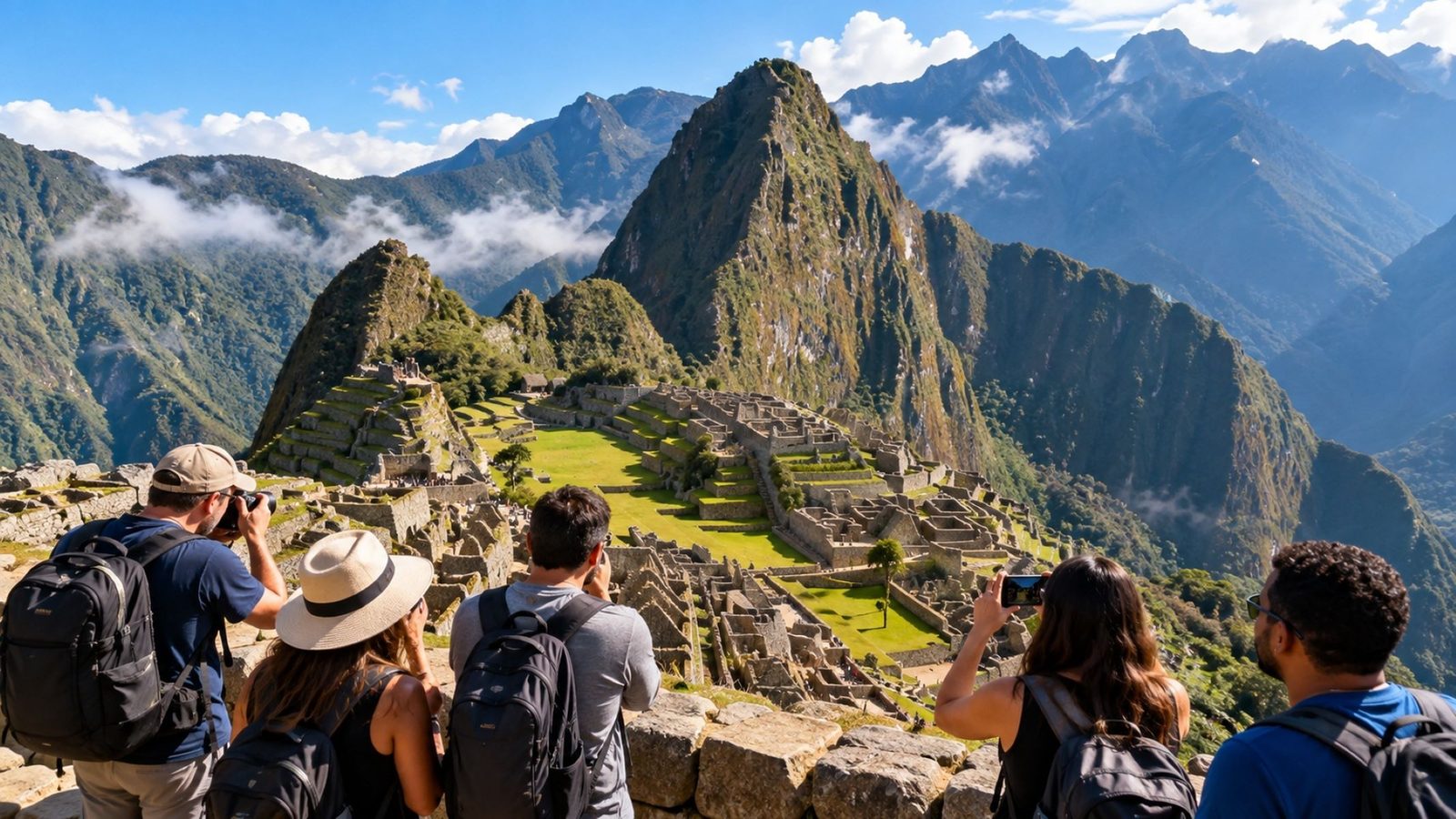
The US unites Brazil and more countries in driving international demand for Machu Picchu, strengthening Peru tourism growth and the landmark’s global travel appeal. Attracting 82% of its visitors from abroad, Machu Picchu’s international tourism is strongly developed and well-organized. Tourism related services in the region, including transportation, restaurants and hotels benefit from the international clientele visiting the site. Effective visitor management systems will help site officials control and integrate the volumes of international tourism attracted to Machu Picchu.
How Did Machu Picchu Reach 814758 Visitors With Foreign Tourists Driving Peru Tourism Recovery?
Machu Picchu continues to strengthen Peru’s position as a leading cultural tourism destination, with international travellers forming the largest share of visitors. The Historic Sanctuary of Machu Picchu recorded 814,758 visitors between January and July 2026, according to the latest tourism figures provided in the visitor statistics dashboard. Foreign visitors represented 82% of total arrivals, while Peruvian travellers accounted for 18%. The figures highlight the importance of global source markets in supporting Peru tourism growth and maintaining demand for one of South America’s most recognised heritage attractions. Official tourism data has shown that Machu Picchu recovered strongly after the pandemic period, with visitor numbers returning close to pre-2020 levels.
- Machu Picchu welcomed 814,758 visitors in January–July 2026.
- International tourists represented 82% of total arrivals.
- Domestic visitors contributed 18% of visitor numbers.
- The destination remains one of Peru’s strongest cultural tourism attractions.
- Visitor management continues to protect the archaeological sanctuary.
| Machu Picchu Tourism Indicator 2026 | Data |
|---|---|
| Total visitors January–July 2026 | 814,758 |
| Foreign visitor share | 82% |
| Domestic visitor share | 18% |
| Main tourism segment | International travellers |
| Destination type | Cultural and heritage tourism |
Why Are International Visitors Becoming the Main Force Behind Machu Picchu Tourism Growth?
The 2026 visitor pattern shows that Machu Picchu remains heavily dependent on international tourism demand. Foreign travellers account for more than four out of every five visitors, reflecting the attraction’s global reputation as a UNESCO World Heritage destination and one of Peru’s most important tourism icons. The return of overseas travel has changed the visitor balance compared with the pandemic recovery period, when domestic tourism played a larger role. The strong foreign visitor share supports tourism businesses across Cusco, including accommodation providers, transport operators, guides, restaurants and local communities connected with the Machu Picchu travel route.
- Foreign demand remains the foundation of Machu Picchu tourism.
- Cusco benefits from international visitor spending.
- Heritage tourism continues attracting global travellers.
- International connectivity supports Peru’s tourism economy.
- Visitor controls help balance demand and conservation.
| Visitor Category | 2026 Share |
|---|---|
| Foreign travellers | 82% |
| Peruvian travellers | 18% |
| Total market | 100% |
How Does the US Remain a Major Market Supporting Peru’s Tourism Network?
The United States continues to represent an important long-haul tourism market for Peru. American travellers have traditionally formed one of the largest international visitor groups arriving in the country, with many including Machu Picchu, Cusco and the Sacred Valley in their travel plans. The strength of the US market supports Peru’s cultural tourism sector because visitors often combine archaeological experiences with wider exploration of the country’s landscapes, cuisine and heritage destinations. Although the provided Machu Picchu 2026 dashboard does not publish individual nationality figures, official Peru tourism statistics identify the United States among key international visitor markets.
Advertisement
Advertisement
- The US is a major long-distance tourism market for Peru.
- American visitors often include Machu Picchu in Peru itineraries.
- Long-haul tourism supports higher-value travel experiences.
- Cultural attractions remain a key motivation.
- Peru continues promoting international tourism recovery.
| US Market Impact | Tourism Role |
|---|---|
| Long-haul travellers | Important international segment |
| Cultural tourism demand | Strong connection with Machu Picchu |
| Regional economic impact | Supports tourism services |
Why Does Brazil Strengthen Peru’s Regional Tourism Growth?
Brazil represents one of South America’s important regional tourism markets for Peru. Shorter regional travel connections make Peru an accessible destination for Brazilian visitors seeking cultural experiences, historical attractions and adventure tourism. Machu Picchu remains a major attraction for travellers from neighbouring countries because it combines archaeological heritage with unique mountain landscapes. Regional markets such as Brazil contribute to a more balanced tourism recovery by complementing long-haul visitor demand from North America and Europe. While nationality-specific Machu Picchu arrivals are not shown in the available 2026 dashboard, Brazil remains among Peru’s recognised inbound tourism markets.
- Brazil supports South American tourism connectivity.
- Regional visitors help diversify Peru’s visitor base.
- Cultural tourism remains a key attraction.
- Machu Picchu benefits from neighbouring markets.
- Peru’s tourism economy depends on multiple source regions.
| Brazil Tourism Connection | Importance |
|---|---|
| Regional travel | Supports South American tourism flows |
| Cultural tourism | Drives heritage visits |
| Multi-destination trips | Strengthens Peru itineraries |
How Do Chile and Bolivia Add Value to Peru’s Cross Border Tourism Growth?
Chile and Bolivia play an important role in Peru’s regional tourism environment because of their geographic proximity and established travel connections. Visitors from neighbouring countries contribute to Peru’s international tourism arrivals and support cross-border travel experiences. Chile has historically been one of Peru’s largest regional visitor markets, while Bolivia also maintains strong tourism links due to geographical and cultural connections. These neighbouring markets help expand tourism beyond traditional long-haul visitors and provide additional demand for Peru’s attractions, including Cusco and Machu Picchu.
Advertisement
Advertisement
- Chile is a significant regional tourism market for Peru.
- Bolivia contributes to South American travel flows.
- Border connectivity supports visitor movement.
- Regional tourism strengthens destination resilience.
- Machu Picchu benefits from wider Peru travel networks.
| Country Market | Tourism Connection |
|---|---|
| Chile | Major regional source market |
| Bolivia | Important neighbouring market |
| Peru | Heritage destination hub |
What Does Machu Picchu’s 2026 Visitor Growth Mean for Peru’s Travel Industry?
Machu Picchu’s 2026 performance demonstrates the continued strength of Peru’s cultural tourism sector. With 814,758 visitors recorded in the first seven months of the year and foreign travellers accounting for 82% of arrivals, the destination remains strongly connected to global travel demand. The visitor figures also underline the importance of sustainable tourism management because Machu Picchu must balance increasing international interest with archaeological protection. Peru has continued regulating access through visitor capacity measures, including daily entry limits designed to manage tourist flows at the sanctuary.
- Machu Picchu remains Peru’s leading international tourism symbol.
- Foreign visitors continue driving demand.
- Tourism businesses benefit from global arrivals.
- Conservation remains central to destination planning.
- Sustainable access supports long-term tourism value.
| Tourism Impact Area | Effect |
|---|---|
| International arrivals | Strong global demand |
| Local economy | Supports Cusco tourism businesses |
| Heritage protection | Requires visitor management |
| Travel industry | Maintains Peru’s global appeal |
How Will Global Source Markets Shape Machu Picchu Tourism Beyond 2026?
Machu Picchu’s future tourism performance will continue depending on international source markets, including North America and neighbouring South American countries. The 2026 visitor structure shows that overseas travellers remain essential to Peru’s tourism ecosystem. Maintaining strong international connections while protecting cultural heritage will remain a central priority for destination management. With its historic importance, unique landscape and global recognition, Machu Picchu is expected to remain a major attraction for travellers seeking cultural, historical and experiential tourism in Peru.
Advertisement
Advertisement
- International markets remain vital for future tourism growth.
- Cultural heritage continues attracting global visitors.
- Sustainable tourism planning remains important.
- Regional and long-haul markets complement each other.
- Peru’s tourism appeal continues expanding globally.
| Future Tourism Driver | Importance |
|---|---|
| Global visitors | Main growth factor |
| Heritage tourism | Core attraction |
| Sustainable management | Protects future access |
| International markets | Supports tourism economy |
Conclusion
Machu Picchu remains a powerful force behind Peru tourism growth, supported by strong international interest and its lasting appeal as a world-famous cultural destination. As the US’ northern neighbor, Brazil and other countries, along with the additional markets the US is opening, provide great potential for Peru to develop its accommodation, transport and gastronomic sectors, as well as its tourism sector in general. Therefore, the fact that Machu Picchu has a significant level of foreign visitor attendance demonstrates the major role this site plays in the international tourism market. Above all, it is in the interest of the Peruvian Government to implement measures that ensure the site is protected and preserved whilst at the same time giving the country the potential to exploit the international demand for tourism.
Advertisement
