

Portugal’s Lisbon Cruise Port Schedules October Calls as Different Ship Stays Shape Travel to Historic Sites

Published
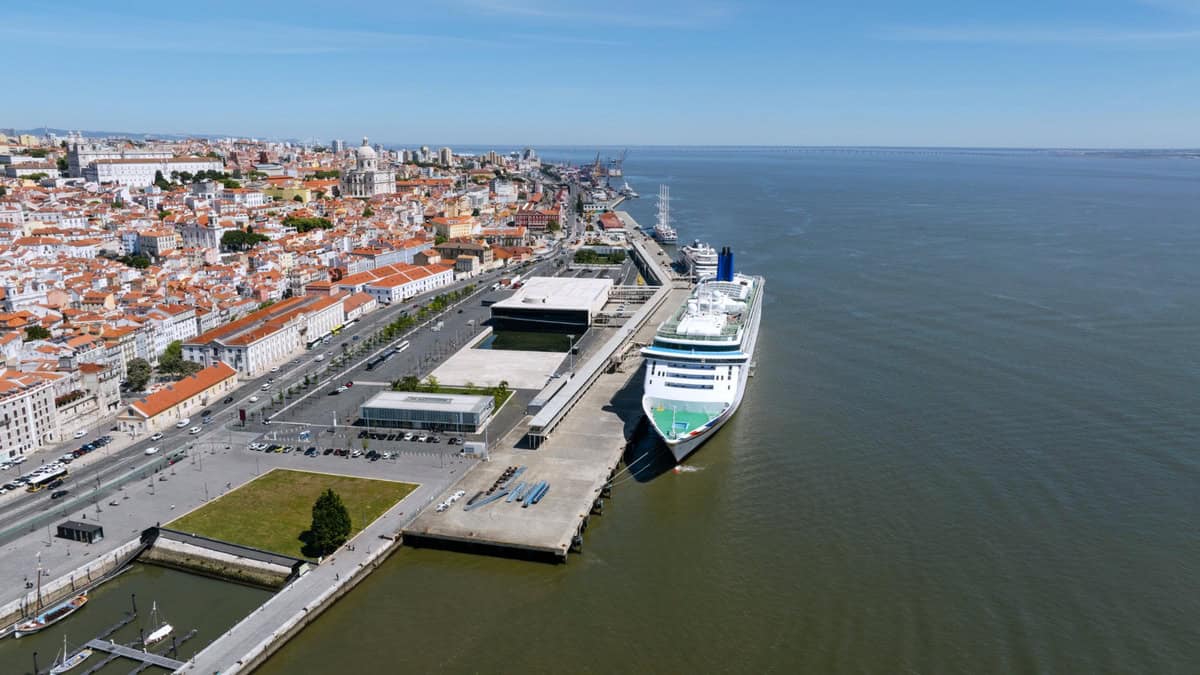
Lisbon Cruise Port has scheduled three cruise ship calls for Tuesday, 13 October 2026, but their published stays differ sharply. Holland America Line’s Nieuw Statendam is listed from 07:00 to 17:00, Fred. Olsen Cruise Lines’ Borealis from 07:30 to 17:00, and Aurora Expeditions’ Douglas Mawson from 08:00 to 10:00. The difference matters for shore excursion planning, transport demand and local tourism businesses. The timetable is provisional, not evidence that the ships have arrived or that passengers on every vessel can disembark for sightseeing.
Three Lisbon Cruise Calls Reveal a Crucial Shore Time Divide
The official Lisbon Cruise Port schedule identifies two substantial daytime windows and a much shorter third visit. All times are local to Lisbon. Scheduled berth time is not the same as time available to spend in the city, because the ship must complete arrival procedures and passengers must meet their individual boarding deadlines.
| Vessel and cruise operator | Scheduled arrival | Scheduled departure | Published port window | Implication for shore excursions |
|---|---|---|---|---|
| Nieuw Statendam — Holland America Line | 07:00 | 17:00 | 10 hours | A city visit may be practical, subject to actual clearance and ship instructions. |
| Borealis — Fred. Olsen Cruise Lines | 07:30 | 17:00 | 9 hours 30 minutes | A substantial sightseeing programme may fit, with return time reserved. |
| Douglas Mawson — Aurora Expeditions | 08:00 | 10:00 | 2 hours | No normal city tour should be assumed without specific operator confirmation. |
Why the Shortest Port Call Needs Special Attention
The two-hour Douglas Mawson visit may have an operational purpose, but its classification and shore access are unconfirmed. Its inclusion in a schedule does not justify advertising a sightseeing excursion.
Simultaneous Morning Arrivals Put Coordination in Focus
All three vessels are scheduled to be in port between 08:00 and 10:00. After 10:00, the published timetable leaves Nieuw Statendam and Borealis alongside until 17:00. These overlapping windows help handlers plan guides, coaches and terminal reception.
Advertisement
Advertisement
The timetable does not show confirmed passenger manifests, disembarkation numbers or individual berth assignments. Three scheduled vessels do not mean three full passenger loads entering the city together. Equally, the 17:00 departures do not mean guests can remain ashore until that hour. Tour operators need ship-specific all-aboard times and a suitable contingency margin before fixing the latest acceptable return.
Lisbon Cruise Terminal Gives Travellers Direct City Access
The terminal’s central position is an advantage for both independent travellers and organised excursions. According to Lisbon Cruise Port’s transport guidance, the city centre is approximately a 10-minute walk from the port, while Santa Apolónia Metro station is around five to ten minutes away on foot. That walk-to-city access can reduce transfer requirements for guests with a limited visit.
Advertisement
Advertisement
Alfama is nearby, but Belém requires additional travel. Steep streets, queues, accessibility needs and traffic can extend shore visits.
Public Transport Connections for Shore Excursion Planning
| Travel choice | Verified access or connection | Best cruise-planning use | Important limitation |
|---|---|---|---|
| Walking | City centre around 10 minutes from the terminal | Flexible nearby exploration and low-transfer excursions | Terrain, personal mobility and route choice alter walking time. |
| Metro | Santa Apolónia station about five to ten minutes on foot | Trips across the network using the Blue Line | Allow for station access and any interchange. |
| Carris bus 728 | Stops at Alfândega Terminal Cruzeiros; route passes Praça do Comércio, Cais do Sodré and Mosteiro Jerónimos | Shore programmes connecting central Lisbon with Belém | Check service alerts, traffic and the direction of travel. |
| Pre-booked coach or transfer | Arranged through the cruise line or local operator | Larger groups, accessible transport requirements and planned touring | Pick-up location, capacity and return allowance must be confirmed. |
The Carris route 728 stopping pattern supports riverfront excursions, but service must be checked on the day.
Advertisement
Advertisement
The Ten Hour Window Does Not Mean Ten Hours Sightseeing
A workable Lisbon shore itinerary begins with the latest authorised return time, not the ship’s departure. For guests on Nieuw Statendam or Borealis, a nearby historic-area visit can be structured with fewer transport stages. A wider circuit towards Belém adds attractions but also extends road or bus exposure and increases the importance of scheduling discipline.
The official Lisbon tourism organisation identifies Jerónimos Monastery and Belém Tower among the principal sites in the Belém area. Their inclusion in a cruise package should depend on current opening arrangements and realistic queues. A shorter, reliable itinerary may offer more value than rushed visits.
For Douglas Mawson, the two-hour listing is a warning against assumption. Even a simple transfer can consume a meaningful portion of such a window. There is no verified basis to promise a city excursion, and travellers should obtain direct guidance from Aurora Expeditions before making independent bookings.
Lisbon Cruise Tourism Enters October After a Record August
The operational importance of October calls becomes clearer against recent demand. According to the Port of Lisbon Authority’s release of 9 September 2026, August was the port’s strongest August on record for cruise passengers. The port recorded 86,322 passenger movements, up 23% year on year, alongside 33 calls, an increase of 32%.
Advertisement
Advertisement
Official Cruise Growth Data and Market Implications
| Official Lisbon cruise measure | Reported period | Result | Meaning for the industry |
|---|---|---|---|
| Total passenger movements | August 2026 | 86,322, up 23% | A record August, not a forecast for October. |
| Cruise ship calls | August 2026 | 33, up 32% | Higher vessel activity increased handling requirements. |
| Transit passengers | August 2026 | 61,689 | This segment is most directly relevant to short shore visits. |
| Embarkation and disembarkation movements | August 2026 | 24,633, up 117% | Turnaround activity has grown more quickly than total traffic. |
| Cruise passenger movements | January–August 2026 | 448,037, up 2% | Year-to-date growth is more modest than August alone suggests. |
| Cruise ship calls | January–August 2026 | 220, up 6% | Calls and passenger movements do not grow at identical rates. |
Record August figures do not prove similar October growth. No verified passenger count for the three 13 October calls was available.
Shore Excursions and Homeport Guests Generate Different Spending
A second distinction concerns the kind of cruise passenger Lisbon serves. Transit visitors spend part of a voyage ashore. Turnaround guests start or end their voyage in Lisbon and may also book hotels, local transport or additional days in the city. These behaviours produce different commercial opportunities for tourism suppliers.
In its January 2026 review of full-year 2025 activity, the port authority reported 206,226 turnaround passenger movements and 121 turnaround calls. It also recorded 105,900 embarking passengers. These were homeport segment records, despite a fall in total passenger movements from 2024.
The authority cited a Nova School of Business and Economics impact study estimating average city spending of €573 per embarking passenger and €39 per transit passenger. These are study-derived averages, not observed spending by passengers on the three ships scheduled for 13 October. The contrast shows why a destination may benefit from increasing homeport activity while also improving the value and quality of shorter shore excursions.
Cruise Port Infrastructure Supports Several Types of Ship Operation
Lisbon’s modern cruise terminal opened in November 2017. According to the terminal operator’s institutional information, it covers approximately 13,800 square metres over three levels and provides tourist services, check-in facilities, shops, catering and two automated gangway systems. It also serves ships and crew.
The operator additionally manages Santa Apolónia Passenger Terminal as a complementary facility. Its rail, Metro and bus connections are valuable for both transit and turnaround operations. However, the published 13 October vessel listing does not allocate each ship to a specific passenger building or gangway. That information should be checked with port and cruise representatives before issuing meeting-point instructions.
Advertisement
Advertisement
Terminal capacity must be matched by dependable ground operations and clear coach meeting points.
Shore Power Plans Add an Environmental Dimension
Lisbon’s cruise strategy also involves the relationship between ships and the city surrounding the harbour. The Port of Lisbon Authority’s shore-power project description outlines an estimated €18.26 million first phase for electricity supply infrastructure serving six eastern port terminals. The works include a high-voltage connection, a Santa Apolónia substation and a distribution network.
The intended result is to allow suitably equipped vessels to use electricity supplied from land rather than relying entirely on onboard auxiliary generation while berthed. This could reduce local emissions and noise, depending on vessel compatibility and actual commissioning. The project description does not establish that shore power was available to, or used by, the ships listed for 13 October.
Sellers must distinguish planned infrastructure from functioning equipment when assessing sustainability claims.
Portugal’s National Cruise Market Gives Lisbon Wider Context
The Lisbon–Setúbal port authority’s 17 September 2026 institutional update reported 596 cruise calls and 962,336 passengers across Portuguese ports during the first half of 2026. These represented annual increases of 10% and 9% respectively. It also reported national forecasts of 1,138 calls and approximately 1.97 million passengers for the full year.
These national totals and forecasts are not Lisbon-only results. Their importance lies in the link between berth capacity, ground transport, community programmes and destination competitiveness.
Advertisement
Advertisement
Trade Analysis Shows Where the Real Commercial Opportunity Lies
The 13 October timetable illustrates a basic but often overlooked point. Cruise tourism is not a single flow of interchangeable visitors. A ten-hour ship call, a nine-and-a-half-hour call and a two-hour call create different possibilities, even when all three share the same date. Selling the same excursion duration to every vessel would ignore the operational information already in the public record.
The most useful commercial response is to design products around confirmed passenger release and return windows. Short, accessible neighbourhood visits can limit transfer risk. Longer city circuits can carry higher commercial value but demand robust traffic allowances. Operators can also stagger starting points and departure times so that simultaneous morning calls do not automatically produce congestion at the same meeting location.
The port’s August figures show another risk in treating busy berths as a direct measure of local economic gain. Passenger movements include embarkations, disembarkations and transit activity, each with distinct purchasing patterns. Without verified manifests, actual time ashore or sales records, no responsible forecast can assign a spending windfall to the 13 October calls. The distinctive opportunity is better matching of products to the minutes genuinely available, while preserving a safe return to the ship.
Operational Takeaways for Cruise Agents and Tour Operators
- Verify each vessel’s final arrival, departure, berth and passenger access arrangements with the operator; the published port schedule can change.
- Treat the Douglas Mawson two-hour listing as unsuitable for promised city sightseeing unless the cruise line explicitly confirms an available excursion window.
- Set shore-tour lengths from the ship’s all-aboard deadline rather than its published sailing time, allowing for passenger clearance and traffic.
- Check Carris operating notices and any monument access restrictions before selling self-guided or coach-based Belém excursions.
- Distinguish booked passenger numbers from ship capacity, published calls and passenger-movement statistics when forecasting demand.
- Communicate clear meeting locations, mobility considerations, cancellation terms and a reliable return plan to local suppliers and customers.
A Larger Test of Lisbon’s Cruise Tourism Model
The three scheduled calls on 13 October are not a new route launch or proof of a sudden tourism surge. They are a practical test of how efficiently Lisbon converts port access into worthwhile time ashore. Official figures show expanding turnaround activity, while published transport links and investment plans explain how the destination is preparing to handle different visitor needs. In a competitive international cruise market, stronger results will come not merely from attracting additional ships but from aligning realistic excursions, smooth operations and demonstrable benefits for the city.
Advertisement
