

Qatar Balloon Festival 2026 Targets December Travel Boom With Ten Days of Spectacular Night Glows

Published
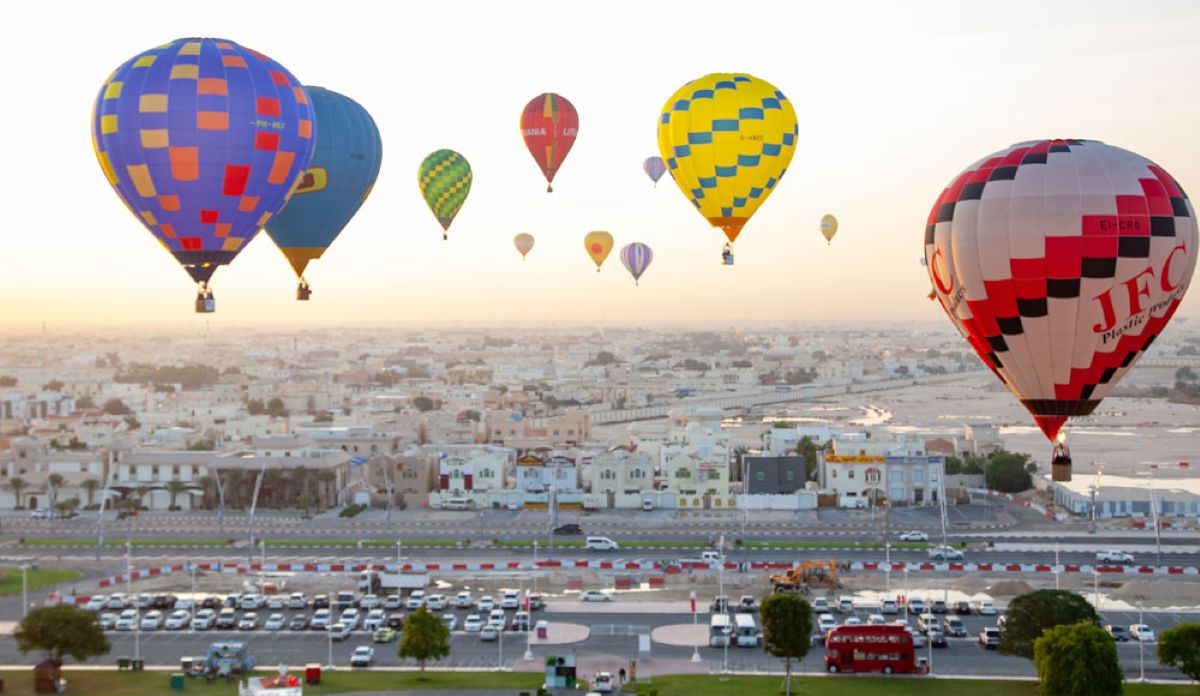
The Qatar Balloon Festival 2026 is scheduled provisionally for 10–19 December, promising ten days of colourful hot-air balloons, special-shaped aircraft and illuminated Night Glows. The seventh edition could add a distinctive outdoor attraction to Qatar’s busy winter tourism calendar, combining visual spectacles with family entertainment and opportunities for photography. However, organisers have indicated that the dates remain tentative and subject to approval. Travellers should therefore verify the final schedule, venue, ticketing arrangements and flight experiences before making non-refundable bookings. The timing also places the proposed festival close to Qatar National Day on 18 December, creating an opportunity to combine balloon displays with Doha’s cultural attractions and waterfront experiences.
A Ten-Day Window for Doha’s Winter Visitors
The proposed programme stretches across ten calendar days, although this does not guarantee ten days of uninterrupted balloon flights. Morning launches depend on suitable weather, while evening entertainment follows a separate schedule. The organisers have not yet published the complete daily programme, so travellers should avoid building a tightly timed itinerary around unconfirmed performances.
The seventh edition follows the sixth edition, which ran from 11–20 December 2025. The previous programme featured sunrise launches, tethered flights, illuminated displays, children’s activities, food kiosks and photography opportunities. That history offers a useful guide to the festival’s format, but it does not establish that every attraction will return unchanged in 2026.
| Festival detail | Position for the 2026 edition |
|---|---|
| Proposed dates | 10–19 December 2026 |
| Edition | Seventh |
| Duration | Ten calendar days |
| Morning programme | Balloon launches, weather permitting |
| Evening programme | Night Glows and festival entertainment |
| Venue | To be confirmed |
| Admission and daily hours | Awaiting final details |
| Participating countries and balloon count | No confirmed figures available in the reviewed information |
This distinction matters commercially as well as practically. A festival can attract considerable interest through its imagery, but travellers need reliable operating information before committing to flights, accommodation or paid experiences. Clear communication about weather-dependent activities and unconfirmed arrangements will be essential to setting realistic expectations.
Advertisement
Advertisement
Balloon Designs Bring a Distinctive Visual Appeal
The event’s strongest differentiator is its combination of traditional hot-air balloons and unusual character-shaped designs. Earlier promotional material has highlighted forms resembling clowns, pirate ships and aliens. Such designs can create a more varied visual experience than conventional balloon displays alone.
For photographers, the morning launches could offer opportunities to capture balloons against the changing colours of dawn. The Night Glows provide a contrasting evening setting, with illuminated balloon envelopes becoming the principal attraction. Families can also enjoy the spectacle without necessarily purchasing an airborne experience, subject to the final admission arrangements.
Advertisement
Advertisement
However, the distinction between viewing balloons and riding in one deserves particular attention. A tethered flight generally keeps a balloon attached to the ground while it rises to a limited height. A free-flight experience involves a different operating arrangement and requires appropriate weather, trained personnel and safety procedures.
The festival’s previous programme included tethered flights, but visitors should not assume that rides will be available during every session in 2026. Organisers must confirm availability, prices, age restrictions and any booking requirements before travellers can plan around an actual flight.
Advertisement
Advertisement
Night Glows Could Anchor the Evening Experience
The Night Glow is likely to be one of the event’s most recognisable attractions. During this type of display, burners illuminate balloon envelopes from within, creating changing patterns of light against the night sky. When coordinated with music, the spectacle can offer a striking alternative to conventional outdoor entertainment.
For visitors, this creates a useful planning choice. Those interested primarily in photography may prefer a sunrise session, while families and travellers seeking an evening outing may favour the illuminated displays. Neither experience should be treated as guaranteed until organisers publish the final programme and weather arrangements.
The evening format could also encourage visitors to spend longer at the venue. Food stalls, children’s activities and live entertainment may provide reasons to arrive before the main display. Nevertheless, there is no verified attendance or spending data available here to quantify how much additional business the festival generates for local vendors.
Qatar’s Tourism Figures Strengthen the Case
The festival arrives against a substantial national tourism backdrop. Qatar received 5.1 million international visitors in 2025, representing annual growth of 3.7%. The Gulf Cooperation Council accounted for 35% of arrivals, while Europe contributed 25%. These figures demonstrate the importance of regional travel alongside longer-haul international demand.
Advertisement
Advertisement
Accommodation indicators also point to a sizeable visitor market. Qatar recorded more than 10.8 million room nights sold in 2025, an 8.6% increase on the previous year. Average hotel occupancy reached 71%, providing a useful national benchmark for understanding accommodation demand. These annual figures do not reveal occupancy during the festival itself, however.
| Tourism indicator | 2025 result | Relevance to travellers and industry |
|---|---|---|
| International visitors | 5.1 million | Measures the scale of inbound tourism |
| Annual visitor growth | 3.7% | Indicates continued expansion |
| GCC share of visitors | 35% | Highlights the regional travel market |
| European share of visitors | 25% | Demonstrates demand beyond neighbouring countries |
| Visitors arriving by air | 61% | Underlines aviation’s role in access |
| Room nights sold | More than 10.8 million | Indicates accommodation demand |
| Average hotel occupancy | 71% | Provides a national annual benchmark |
The figures help explain why distinctive seasonal attractions matter to destination planners. Festivals can broaden a destination’s appeal beyond shopping, major sporting events and established cultural sites. Yet the scale of that contribution depends on attendance, visitor spending, overnight stays and other measurable outcomes. No festival-specific economic impact estimate has been established in the information reviewed.
December Offers a Strong Outdoor Travel Setting
Qatar’s winter season typically runs from November to February, when temperatures are milder than during the summer months. Visit Qatar describes winter temperatures as generally ranging between 15°C and 20°C, while its winter travel guidance cites average daytime temperatures of around 21.9°C and nighttime temperatures of 13.8°C. The figures reflect different descriptions of seasonal conditions and should not be treated as a forecast for December 2026.
For travellers, the cooler season makes it easier to combine outdoor activities with urban sightseeing. Visitors can explore markets, waterfront promenades and public spaces without planning every outing around extreme summer heat. However, early-morning launches may feel chilly, and evening visitors should carry an additional layer of clothing.
Weather remains an operational variable for ballooning. Wind conditions can affect whether launches proceed, regardless of how favourable the temperature feels to spectators. Travellers should therefore check the organisers’ updates on the day and leave flexibility in their plans.
The seasonal timing also gives the event a wider role in Qatar’s visitor calendar. Rather than serving only as a standalone attraction, the festival could provide an additional reason to schedule a winter city break. Its practical value will depend on the confirmed programme, accessible transport and the overall cost of the trip.
Advertisement
Advertisement
National Day Adds Another Travel Dimension
Qatar National Day falls on 18 December, commemorating the country’s founding under Sheikh Jassim bin Mohammed bin Thani in 1878. The annual occasion is an official national holiday and carries cultural significance across the country. The proposed festival would overlap with National Day on 18 December and finish the following day.
That overlap creates a potentially attractive itinerary for international visitors. Travellers could combine balloon displays with National Day events, cultural programming and sightseeing around Doha. However, the festival’s dates do not confirm the location or timing of any National Day parade, public celebration or associated activity in 2026.
The overlap may also affect practical planning. Demand for accommodation and transport could vary around the holiday, while some businesses may adjust their opening hours. Visitors should compare hotel rates for different arrival dates and verify individual attraction schedules before finalising their itinerary.
Doha Offers More Beyond the Festival
A trip built around the festival need not be limited to the event grounds. Souq Waqif offers traditional shopping, dining and a lively market atmosphere, making it a natural choice for an evening outing. Visitors can explore local food, browse shops and experience a different side of Doha beyond its modern skyline.
The Museum of Islamic Art provides a contrasting cultural experience along the Corniche. Its collection spans 14 centuries of Islamic art, while the building itself offers a notable architectural attraction. The museum’s official visitor information also identifies nearby access to the waterfront and Souq Waqif.
The Doha Corniche offers opportunities for waterfront walks and skyline photography, while Katara Cultural Village adds arts, architecture and dining. These attractions provide useful alternatives if balloon launches are cancelled or if visitors want to balance festival entertainment with cultural exploration.
Advertisement
Advertisement
A practical two-day itinerary could allocate one morning to cultural sightseeing and one evening to the festival. The second day could combine the museum, the Corniche and Souq Waqif, with a further festival visit if the programme permits. Travellers should confirm opening hours and travel times once the festival venue becomes public.
Getting Around and Planning Costs
Hamad International Airport provides Qatar’s principal international gateway, connecting the country with destinations worldwide. Visit Qatar states that the airport serves more than 170 destinations through over 70 airline partners. For overseas visitors, this network can make Doha accessible as both a dedicated holiday destination and a stopover.
Within Doha, visitors can use the Metro, buses, taxis and ride-hailing services. The Metro has three lines, with connections at Msheireb, and serves key areas including Hamad International Airport. However, the most suitable transport option for the festival will depend on its final location and any temporary traffic or parking arrangements.
| Travel expense | What visitors should verify |
|---|---|
| International flights | Fare conditions, baggage allowance and change fees |
| Accommodation | Rates across the National Day period and cancellation terms |
| Festival admission | Final ticket price, entry conditions and booking arrangements |
| Balloon experiences | Availability, operating restrictions and additional charges |
| Local transport | Venue access, parking, Metro connections and shuttle services |
| Sightseeing | Museum admission, opening hours and advance reservations |
| Travel insurance | Coverage for weather-related changes and prepaid bookings |
No reliable 2026 festival ticket price or official accommodation package has been established in the sources reviewed. Readers should therefore avoid relying on unverified estimates or assuming that general festival admission includes a balloon ride.
Before departure, international visitors should also check their visa eligibility through official channels. Visit Qatar states that citizens of 102 nationalities can enter visa-free, while other travellers may need an e-visa. Eligibility depends on nationality and applicable entry conditions, so visitors should confirm their individual requirements.
Practical Details That Could Change Plans
The most important outstanding issue is the venue. The official festival FAQ says the location will be announced once confirmed, and the wider 2026 event listing also records the venue as to be confirmed. Although Al Bidda Park hosted the 2025 edition, that does not establish where the next festival will take place.
Advertisement
Advertisement
The final daily timetable also remains important. Sunrise launches depend on weather, while evening opening times and individual entertainment sessions require confirmation. Visitors should check the latest official information before travelling to the venue, especially if they have limited time in Doha.
Families should confirm children’s activity arrangements and any age or height restrictions for rides. Visitors with mobility requirements should ask about accessible entrances, viewing areas, toilets and transport. The official Visit Qatar travel guidance also recommends respecting local dress customs, including covering shoulders and knees in public spaces.
For photography, a versatile approach is preferable to planning around one guaranteed display. Early arrival may help visitors find suitable viewing positions, while spare batteries and weather-appropriate clothing can improve the experience. However, photographers should follow venue rules and any restrictions imposed around balloon operations.
A Winter Attraction Worth Watching
The proposed seventh edition gives Qatar an opportunity to place ballooning, family entertainment and outdoor spectacle within its broader winter travel offer. Its timing connects the event with a season that already favours cultural exploration, waterfront activities and outdoor dining. The National Day overlap could add another dimension, although the final event calendar will determine how effectively visitors can combine these experiences.
For the tourism industry, the more important question is whether the festival converts attention into measurable visitor activity. Confirmed attendance, hotel demand, visitor spending and repeat participation would help establish its contribution. Until such data become available, the national tourism figures provide context rather than proof of festival-specific economic gains.
For travellers, the immediate priority is to monitor official announcements before booking non-refundable arrangements. The dates are promising, but the venue, ticketing and detailed programme still require confirmation. With those details established, the event could become a compelling reason to explore Doha during Qatar’s winter season.
Advertisement
