
Grand Cayman Teams Up With Aruba and More as Caribbean Beaches Take Centre Stage for Sargassum-Smart Holidays

Published
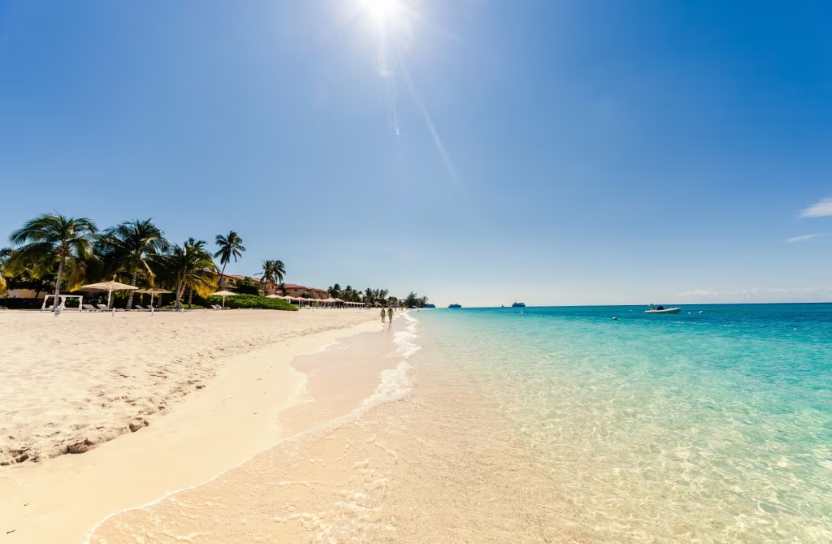
Image generated with Ai
Grand Cayman Teams Up With Aruba and more as Caribbean beaches take centre stage for sargassum-smart holidays, giving global travellers new ways to plan their next escape. As sargassum continues to influence beach conditions across parts of the Caribbean, Grand Cayman, Aruba and more Caribbean beaches are attracting attention from holidaymakers seeking beautiful shores and flexible travel plans. Moreover, travellers can look beyond one beach and explore destinations offering different coastlines, activities and experiences. From Grand Cayman and Aruba to other Caribbean beaches, options continue to emerge. Travel And Tour World urges readers to explore the entire story for practical insights before planning a sargassum-smart Caribbean holiday.
Caribbean Beaches With Less Sargassum: Detailed Traveller Guide, Beach Data, Visitor Trends and Holiday Planning
For travellers trying to avoid sargassum, the smartest strategy is to select the right coastline rather than simply the right island.
Sargassum is carried by ocean currents, wind and waves. This means conditions can differ dramatically between two beaches on the same island.
NOAA’s Daily Sargassum Inundation Risk system examines satellite-derived algae observations around coastal areas and assigns risk categories. The system covers the Caribbean, Gulf of America, tropical Atlantic and neighbouring regions.
Advertisement
Advertisement
The situation is particularly important in 2026. NOAA continues to monitor significant sargassum activity across the wider Caribbean region. Its daily maps are designed to show coastal inundation risk rather than guarantee the appearance of an individual beach.
Advertisement
Advertisement
Therefore, the beaches below should be understood as strategic alternatives for travellers, based on geography, exposure, official destination information and the practical ability to move between nearby coastlines.
Caribbean Beach Sargassum Data at a Glance
| Beach or destination | Island/country | Coastal position | Traveller appeal | Sargassum planning note |
|---|---|---|---|---|
| Playa Mujeres | Mexico | Caribbean coast | Resort beaches, boating, relaxation | Check current Riviera Maya conditions |
| Playa Norte | Isla Mujeres, Mexico | Northern coast | Shallow turquoise water | Check daily conditions |
| Grace Bay | Turks and Caicos | Providenciales | Long white-sand beach, watersports | Conditions can change rapidly |
| Seven Mile Beach | Cayman Islands | Western Grand Cayman | Calm water, snorkelling, resorts | Western exposure can differ from other coasts |
| Mambo Beach | Curaçao | Southern/western Caribbean-facing coast | Beach clubs, dining, nightlife | Curaçao can offer useful alternatives |
| Eagle Beach | Aruba | Western/southwestern coast | Wide sand, swimming, sunsets | Aruba’s western/southern coast is strategically useful |
| Cozumel west coast | Mexico | Western Cozumel | Diving, snorkelling, marine excursions | Island-side selection matters |
| Frederiksted Beach | St. Croix, USVI | Western St. Croix | Swimming, history, sunsets | Check western-coast conditions |
| Playa Dominicus | Dominican Republic | Bayahíbe area | Shallow water, reef, resorts | Southern Dominican coast can provide alternatives |
| Seven Mile Beach, Negril | Jamaica | Western Jamaica | Sunset, swimming, food, nightlife | Current conditions should be checked before booking |
1. Playa Mujeres, Mexico: A Northern Riviera Maya Alternative
Playa Mujeres is useful for travellers who want the Mexican Caribbean experience while considering alternatives to the more exposed sections of the Riviera Maya.
The destination sits north of central Cancún and is associated with resort accommodation, beaches and marine activities.
Advertisement
Advertisement
For a traveller, the key advantage is flexibility. A holiday here can combine beach time with boat trips, snorkelling, island excursions and visits into Cancún.
However, Playa Mujeres should not be marketed as permanently sargassum-free. Sargassum movement is dynamic, and NOAA’s system demonstrates why coastal conditions need to be checked close to travel.
Advertisement
Advertisement
What to do
Plan a morning for swimming and paddleboarding if conditions are favourable.
Use another day for a boat excursion or snorkelling trip.
Cancún can also be visited for shopping, entertainment and restaurants.
Where to visit
Travellers can combine Playa Mujeres with central Cancún, Isla Mujeres and the wider northern Quintana Roo coastline.
The northern location also makes it possible to change beaches if conditions are poor.
Advertisement
Advertisement
What to eat
Look for Mexican seafood, fresh ceviche, tacos, grilled fish and regional Yucatán dishes.
Travellers should also try cochinita pibil, a slow-cooked pork speciality associated with the Yucatán Peninsula.
Where to stay
The area is particularly suitable for travellers seeking beachfront resorts and all-inclusive accommodation.
Families can prioritise properties with shallow-water access and organised activities.
Couples may prefer quieter beachfront properties.
Advertisement
Advertisement
Where to eat
Resort restaurants provide convenience, while Cancún offers a broader choice of Mexican and international dining.
Suggested three-day plan
Day 1: Beach morning, resort lunch, swimming and sunset.
Day 2: Boat or snorkelling excursion, followed by Mexican dinner.
Day 3: Cancún sightseeing, shopping and a final northern-coast beach afternoon.
The important planning rule is to check the actual shoreline shortly before departure rather than assuming that a northern location automatically means clear water.
Advertisement
Advertisement
2. Playa Norte, Isla Mujeres: Shallow Water and a Flexible Island Escape
Playa Norte is one of the most recognisable beaches around Isla Mujeres.
Its northern position makes it especially interesting for travellers comparing different Caribbean coastlines.
The island itself is compact, which helps visitors create a flexible itinerary. Travellers can spend the morning at Playa Norte and move elsewhere if conditions change.
This is particularly useful during sargassum season because beach conditions can vary from one side of an island to another.
What to do
Swimming and paddleboarding are natural choices when sea conditions are suitable.
Advertisement
Advertisement
Travellers can also explore the island by golf cart.
Snorkelling and boat excursions provide another way to spend time on the water without relying entirely on one beach.
Where to visit
Add Punta Sur to the itinerary for coastal scenery and cultural attractions.
Downtown Isla Mujeres is useful for evening walks, shopping and local food.
A full-day boat trip can also introduce visitors to reefs and nearby marine areas.
Advertisement
Advertisement
What to eat
Try fresh fish, ceviche, tacos and Mexican seafood.
Visitors should also explore local restaurants rather than staying exclusively inside resorts.
Where to stay
Beachfront hotels suit travellers prioritising immediate access to the sea.
Smaller properties around central Isla Mujeres work better for travellers who want restaurants and evening activity within walking distance.
Where to eat
The central area offers Mexican restaurants, seafood establishments and casual cafés.
Advertisement
Advertisement
Three-day plan
Day 1: Playa Norte, island exploration and sunset dinner.
Day 2: Snorkelling or boat excursion followed by a seafood meal.
Day 3: Punta Sur, local shopping and a final beach afternoon.
The practical advantage is mobility. If one shoreline becomes less attractive, travellers can explore another part of the island.
3. Grace Bay, Turks and Caicos: A Major White-Sand Beach Option
Grace Bay remains one of the most prominent beach destinations in Turks and Caicos.
Advertisement
Advertisement
Official destination information highlights its turquoise water, white sand, resorts and extensive watersports opportunities.
Turks and Caicos also has unusually detailed tourism-arrival data.
The destination recorded 431,237 total visitor arrivals in 2021, followed by 1,353,716 in 2022, 1,601,735 in 2023, 1,875,574 in 2024 and 1,942,266 in 2025.
| Year | Stayover arrivals | Cruise arrivals | Total arrivals |
|---|---|---|---|
| 2021 | 404,664 | 26,573 | 431,237 |
| 2022 | 619,268 | 734,448 | 1,353,716 |
| 2023 | 662,707 | 939,028 | 1,601,735 |
| 2024 | 641,767 | 1,233,807 | 1,875,574 |
| 2025 | 640,754 | 1,301,512 | 1,942,266 |
The five-year comparison shows the dramatic recovery from pandemic-era travel restrictions.
Total arrivals increased by about 350% between 2021 and 2025.
Advertisement
Advertisement
Stayover visitation also increased substantially, from 404,664 in 2021 to 640,754 in 2025.
For travellers, this means Grace Bay has a mature tourism ecosystem with extensive accommodation and activity choices.
What to do
Snorkelling, kayaking, paddleboarding, sailing and boat trips are major choices.
Travellers can also arrange excursions to smaller islands and cays.
Where to visit
Providenciales provides the main tourism base.
Advertisement
Advertisement
A boat excursion can add reef, sandbar and marine experiences to a beach-focused itinerary.
What to eat
Try conch dishes, grilled seafood and Caribbean-style meals.
Conch is particularly associated with Turks and Caicos cuisine.
Where to stay
Grace Bay has beachfront resorts, villas, apartments and smaller accommodation options.
Families may prefer properties with kitchens and easy beach access.
Advertisement
Advertisement
Couples can select beachfront resorts with restaurants and spa facilities.
Where to eat
Stay near Grace Bay for the widest concentration of restaurants.
Three-day plan
Day 1: Grace Bay swimming, beach walk and seafood dinner.
Day 2: Snorkelling or sailing excursion and island-style lunch.
Day 3: Water sports, resort relaxation and sunset dining.
Advertisement
Advertisement
The key caveat is important. Grace Bay should not be described as guaranteed sargassum-free. NOAA’s daily risk system remains the correct tool for checking current conditions.
4. Seven Mile Beach, Grand Cayman: Western-Coast Planning Advantage
Seven Mile Beach occupies the western side of Grand Cayman.
The Cayman Islands’ official tourism website describes it as a long white-sand beach with clear water, calm conditions, restaurants, resorts and watersports.
Its western orientation is especially relevant when travellers are comparing coastal exposure.
The beach is also supported by substantial tourism infrastructure.
Advertisement
Advertisement
Cayman recorded 284,274 stayover visitors and 743,394 cruise passengers in 2022, giving total visitation of 1,027,668.
Stayover arrivals reached 429,284 in 2023, according to the Cayman Islands National Tourism Plan. The United States represented 82.8% of stayover visitation that year.
In the first half of 2024, the destination welcomed 250,699 stayover visitors. Hotel room inventory also passed 8,000 rooms during May 2024.
What to do
Snorkel, kayak and paddleboard in suitable sea conditions.
Families can benefit from the beach’s shallow areas and nearby amenities.
Advertisement
Advertisement
Where to visit
George Town can be added for shopping, culture and waterfront experiences.
Stingray City is another major excursion option.
What to eat
Cayman-style seafood, conch, fish and Caribbean dishes should feature in the itinerary.
Where to stay
Seven Mile Beach has beachfront resorts, boutique accommodation and family-friendly properties.
Where to eat
The western coast provides numerous restaurants within easy reach of the beach.
Advertisement
Advertisement
Three-day plan
Day 1: Seven Mile Beach and sunset dinner.
Day 2: Stingray City or reef excursion.
Day 3: George Town, local lunch and final beach afternoon.
The Cayman Islands’ official tourism authority specifically notes the beach’s access to restaurants, resorts and watersports.
5. Mambo Beach, Curaçao: Beach Time With a Cultural Backup Plan
Curaçao is particularly interesting for travellers concerned about sargassum because a beach holiday does not need to revolve around one shoreline.
Advertisement
Advertisement
The island combines beaches, diving, heritage, architecture and Willemstad.
Official tourism data shows how important the destination has become internationally.
Curaçao recorded 582,409 stayover visitors in 2023, up 19% from 2022.
In 2024, stayover arrivals reached 700,249, while total arrivals including day visitors and cruise passengers reached 1,570,670.
In 2025, Curaçao recorded 788,427 stayover visitors, 44,243 excursionists and 881,665 cruise passengers, producing 1,714,335 total arrivals.
Advertisement
Advertisement
| Curaçao tourism indicator | 2023 | 2024 | 2025 |
|---|---|---|---|
| Stayover visitors | 582,409 | 700,249 | 788,427 |
| Total arrivals | Not comparable in source | 1,570,670 | 1,714,335 |
| Cruise passengers | — | 834,922 | 881,665 |
| Day visitors | — | 35,499 | 44,243 |
| Average stay in 2025 | — | — | 8.4 nights |
This gives travellers another advantage: if one beach is affected, the holiday can shift towards another coastal area, diving site or cultural attraction.
What to do
Visit Mambo Beach for swimming, shopping and beachside entertainment.
Spend another day exploring Willemstad.
Divers can build an itinerary around Curaçao’s underwater attractions.
Where to visit
Willemstad, Punda and the island’s smaller beaches should feature in a longer stay.
Advertisement
Advertisement
What to eat
Try keshi yena, seafood, Caribbean dishes and Dutch-influenced island cuisine.
Where to stay
Beachfront resorts work for traditional beach holidays.
Willemstad accommodation is better for travellers prioritising culture and dining.
Where to eat
Mambo Beach and Willemstad provide broad dining choices.
Three-day plan
Day 1: Mambo Beach and evening dining.
Advertisement
Advertisement
Day 2: Willemstad sightseeing and local food.
Day 3: Diving, snorkelling or a quieter beach.
Curaçao’s 2025 average stay was 8.4 nights, making the island particularly suitable for a longer itinerary with multiple beaches rather than a single-beach holiday.
6. Eagle Beach, Aruba: A Western-Coast Strategy
Eagle Beach is one of Aruba’s most recognisable stretches of sand.
Its value for sargassum-conscious travellers comes partly from Aruba’s coastal geography.
Advertisement
Advertisement
Aruba’s western and southern coastlines offer a different exposure pattern from the island’s rougher northern and eastern shores.
The island also has a highly developed tourism economy.
Official Aruba tourism information reported that the destination received more than one million arrivals in 2022, only 1.6% below its 2019 level.
That recovery is important for visitors because it corresponds with extensive hotel capacity, restaurants, transport and excursion infrastructure.
What to do
Spend mornings swimming or walking the broad beach.
Advertisement
Advertisement
Explore the island by car for a wider view of its landscape.
Water sports, sailing and snorkelling can be added according to sea conditions.
Where to visit
Oranjestad is useful for shopping, architecture and cultural experiences.
Arikok National Park provides a contrasting inland experience.
What to eat
Try fresh seafood, keshi yena and Aruban dishes influenced by Caribbean, Dutch and Latin American traditions.
Advertisement
Advertisement
Where to stay
Palm Beach suits travellers seeking resort infrastructure and nightlife.
Eagle Beach is better suited to visitors prioritising a quieter beach environment.
Where to eat
Both Eagle Beach and Palm Beach provide extensive restaurant options.
Three-day plan
Day 1: Eagle Beach and sunset.
Day 2: Arikok National Park and local cuisine.
Advertisement
Advertisement
Day 3: Snorkelling or sailing followed by Oranjestad.
Travellers should still check NOAA’s latest sargassum information before departure. The objective is to improve the odds of a clear beach, not promise one.
7. Cozumel’s Western Coast, Mexico: Choose the Island Side Carefully
Cozumel is a particularly useful example of why beach selection matters.
The island’s western coast faces the mainland side of the Caribbean region, while the eastern coast is exposed to the open Caribbean.
For travellers, this means the same island can offer different experiences depending on the beach selected.
Advertisement
Advertisement
Cozumel is also one of Mexico’s largest cruise destinations.
Mexico’s official tourism statistics recorded 2.802 million cruise passenger arrivals at Cozumel during January–July 2024, compared with 2.788 million during January–July 2025. Cruise-ship calls increased from 757 to 766 over the same periods.
| Cozumel cruise indicator | Jan–Jul 2024 | Jan–Jul 2025 | Change |
|---|---|---|---|
| Cruise passengers | 2.802 million | 2.788 million | -0.5% |
| Cruise ships | 757 | 766 | +1.2% |
What to do
Diving and snorkelling should be priorities.
Cozumel’s underwater environment is one of its defining tourism assets.
Where to visit
San Miguel de Cozumel offers restaurants, shopping and local culture.
Advertisement
Advertisement
Travellers can combine the island with mainland excursions if staying longer.
What to eat
Try cochinita pibil, tacos, ceviche and grilled seafood.
Where to stay
San Miguel works well for independent travellers.
Resorts are more convenient for visitors wanting beach access and organised excursions.
Where to eat
San Miguel provides the broadest selection of restaurants.
Advertisement
Advertisement
Three-day plan
Day 1: Western-coast beach and San Miguel.
Day 2: Diving or snorkelling.
Day 3: Island road trip, Mexican lunch and sunset.
The main lesson is to avoid assuming that the entire island shares identical beach conditions.
8. Frederiksted Beach, St. Croix: Western St. Croix for a Slower Escape
Frederiksted provides a different Caribbean experience from large resort destinations.
Advertisement
Advertisement
The town sits on the western side of St. Croix and combines beach time with historic architecture.
The western position is useful when travellers are attempting to avoid the most exposed coastline.
What to do
Swimming, beach relaxation and waterfront walks can fill the first day.
History lovers can explore Fort Frederik and Frederiksted’s historic streets.
Boat and snorkelling excursions can be added when sea conditions allow.
Advertisement
Advertisement
Where to visit
Christiansted offers another perspective on St. Croix.
Buck Island Reef National Monument is an important excursion option for marine enthusiasts.
What to eat
Try fresh Caribbean seafood, fish, Johnnycakes and local island dishes.
Where to stay
Frederiksted suits travellers looking for a quieter base.
Christiansted offers more dining and shopping choices.
Advertisement
Advertisement
Where to eat
Explore local restaurants for seafood and Caribbean dishes rather than relying exclusively on resort dining.
Three-day plan
Day 1: Frederiksted Beach and historic town.
Day 2: Buck Island marine excursion.
Day 3: Christiansted, local lunch and sunset.
The U.S. Virgin Islands also recorded almost 1 million airline passengers in 2025 through St. Thomas and St. Croix airports, alongside nearly 1.83 million cruise passengers.
Advertisement
Advertisement
This indicates the territory has extensive visitor infrastructure even for travellers choosing a smaller island experience.
9. Playa Dominicus, Dominican Republic: Blue Flag Beach and Bayahíbe Base
Playa Dominicus is particularly suitable for travellers who want a beach holiday combined with excursions.
The Dominican Republic’s official tourism authority describes it as a long white-sand beach with shallow turquoise water.
It also highlights the area’s reef, diving opportunities and Blue Flag certification.
Bayahíbe provides access to Saona Island, Catalina Island and Cotubanamá National Park.
Advertisement
Advertisement
This gives travellers a major advantage when planning around variable beach conditions.
If one beach becomes unattractive, the itinerary can shift towards an island excursion or national park.
What to do
Swim and snorkel at Playa Dominicus.
Take a boat to Saona Island.
Explore Cotubanamá National Park.
Advertisement
Advertisement
Visit caves and freshwater cenotes.
Where to visit
Saona Island should be a priority.
Catalina Island is particularly attractive for diving and snorkelling.
Altos de Chavón provides a cultural excursion.
What to eat
Try fresh fish, seafood, Dominican rice dishes, plantains and local stews.
Advertisement
Advertisement
Bayahíbe’s fishing heritage also makes seafood a natural choice.
Where to stay
Bayahíbe is suitable for travellers wanting a village atmosphere.
Dominicus offers larger resorts and easier access to organised excursions.
Where to eat
The village has local restaurants and bars.
The Dominican tourism authority specifically highlights Bayahíbe’s local restaurants, bars and fishing culture.
Advertisement
Advertisement
Three-day plan
Day 1: Dominicus Beach and resort evening.
Day 2: Saona Island excursion.
Day 3: Bayahíbe village, Cotubanamá or Catalina Island.
This destination is particularly useful for travellers who do not want their holiday to depend entirely on the beach directly outside their hotel.
10. Seven Mile Beach, Negril: Western Jamaica for Sunsets, Food and Culture
Negril is positioned on Jamaica’s westernmost side.
Advertisement
Advertisement
Its Seven Mile Beach is famous for white sand, sunsets and a relaxed atmosphere.
The official Jamaica tourism authority also highlights seafood, beach restaurants, water activities, nightlife and cliff experiences.
However, current sargassum conditions must be checked rather than assumed.
Negril’s value for travellers is its depth of experiences.
If beach conditions change, visitors can shift towards cliffs, restaurants, nature reserves, rafting or cultural activities.
Advertisement
Advertisement
What to do
Spend the morning on Seven Mile Beach.
Visit the West End cliffs.
Watch sunset from the western coast.
Explore Royal Palm Reserve for nature and birdwatching.
Jamaica’s tourism authority also promotes rafting, diving, snorkelling and other activities around Negril.
Advertisement
Advertisement
Where to visit
Rick’s Café is a well-known sunset stop.
Royal Palm Reserve provides a nature-focused alternative.
Mayfield Falls and other inland attractions can be added to longer stays.
What to eat
Jerk chicken, fresh seafood and Jamaican breakfast dishes should be part of the itinerary.
Jamaica’s official tourism site specifically highlights jerk and seafood options around Negril.
Advertisement
Advertisement
Where to stay
Negril offers guesthouses, villas, all-inclusive resorts and adults-only hotels.
Beachfront properties provide convenience.
Cliffside hotels provide a quieter atmosphere and sunset views.
Three-day plan
Day 1: Seven Mile Beach, seafood lunch and sunset.
Day 2: Snorkelling, West End cliffs and Jamaican dinner.
Advertisement
Advertisement
Day 3: Royal Palm Reserve or inland excursion, followed by a final beach evening.
Jamaica’s tourism sector recorded 2.886 million stopover visitors in 2023, alongside 1.266 million cruise arrivals.
In 2024, Jamaica recorded about 4.15 million total visitors, including approximately 2.9 million stopover arrivals.
Five-Year Visitor Comparison: Key Caribbean Destinations
Visitor statistics are not perfectly comparable because destinations publish different measures.
Some report stayover visitors.
Advertisement
Advertisement
Others report total arrivals including cruise passengers.
Mexico’s Cozumel data, for example, records cruise passenger events rather than unique visitors.
The following table therefore keeps the original statistical definitions rather than combining incompatible measures.
| Destination | 2021 | 2022 | 2023 | 2024 | 2025 |
|---|---|---|---|---|---|
| Turks & Caicos – total arrivals | 431,237 | 1,353,716 | 1,601,735 | 1,875,574 | 1,942,266 |
| Turks & Caicos – stayover | 404,664 | 619,268 | 662,707 | 641,767 | 640,754 |
| Cayman Islands – stayover | Pandemic year | 284,274 | 429,284 | Official annual figure varies by release | 2025 record year |
| Curaçao – stayover | Official series varies | 2022 baseline | 582,409 | 700,249 | 788,427 |
| Jamaica – stopover | Pandemic-affected | 2.48m* | 2.886m | 2.9m | Later data varies by definition |
| Dominican Republic – non-resident tourism | Pandemic-affected | Strong recovery | Record period | Record period | Record period |
| US Virgin Islands – air/cruise | Pandemic-affected | Recovery | Recovery | 1.7m cruise | 1.83m cruise |
| Cozumel – cruise passengers | Pandemic-affected | Recovery | Recovery | 2.802m Jan–Jul | 2.788m Jan–Jul |
*The Jamaica Ministry of Tourism source for 2022 uses a historical series and definitions that should not be mixed with later calendar-year releases.
Detailed Visitor Statistics for the Most Relevant Destinations
| Destination | Important official statistic | What it means for travellers |
|---|---|---|
| Turks & Caicos | 1,942,266 total arrivals in 2025 | Strong accommodation and excursion infrastructure |
| Turks & Caicos | 640,754 stayover visitors in 2025 | Large overnight tourism base |
| Cayman Islands | 429,284 stayover visitors in 2023 | Strong recovery in overnight demand |
| Cayman Islands | 250,699 stayover visitors Jan–Jun 2024 | Very strong first-half performance |
| Cayman Islands | 370,093 U.S. stayover visitors in 2025 | U.S. remains the leading market |
| Curaçao | 788,427 stayover visitors in 2025 | Record overnight tourism |
| Curaçao | 8.4-night average stay in 2025 | Suitable for multi-beach itineraries |
| Curaçao | 881,665 cruise passengers in 2025 | Significant cruise tourism |
| Jamaica | 2.886m stopover visitors in 2023 | Large international visitor base |
| Jamaica | 2.9m stopovers in 2024 | Continued high overnight demand |
| USVI | Almost 1m airline passengers in 2025 | Strong air connectivity |
| USVI | Nearly 1.83m cruise passengers in 2025 | Major cruise infrastructure |
| Cozumel | 2.788m cruise passengers Jan–Jul 2025 | Very strong cruise activity |
| Dominican Republic | 2021 recovery included 728,335 non-resident arrivals in December | Tourism rebounded rapidly |
Sources: Turks and Caicos tourism statistics, Cayman Islands Government, Curaçao Tourist Board, Jamaica Ministry of Tourism, U.S. Virgin Islands Department of Tourism, Mexico’s official tourism statistics and Dominican Republic Ministry of Tourism.
Advertisement
Advertisement
How Sargassum Changes the Way Travellers Should Plan a Caribbean Holiday
A conventional Caribbean holiday often starts with choosing an island, booking a resort and then selecting activities.
Sargassum makes that strategy less reliable.
A better approach is to choose a coastal zone first.
The next step is checking current satellite-based information.
NOAA’s Sargassum Inundation Risk system uses observations around coastal pixels and categorises risk into low, warning, medium and high. The maps are updated daily.
Advertisement
Advertisement
| Planning stage | Traveller action | Why it matters |
|---|---|---|
| 6–12 months before | Choose destinations with multiple beaches | Provides flexibility |
| 1–3 months before | Study coastline orientation | Different sides can experience different conditions |
| 2–4 weeks before | Monitor NOAA information | Shows broader coastal risk |
| 72 hours before | Check current local beach conditions | Conditions can change |
| 24 hours before | Contact accommodation | Staff can report local beach conditions |
| During holiday | Keep two or three beach options | Avoids dependence on one shoreline |
| Every morning | Check beach conditions | Wind and currents can change conditions |
What Travellers Should Ask Hotels Before Booking
A hotel can be beautiful while the beach immediately outside it is temporarily affected.
Travellers should therefore ask five practical questions.
Is sargassum currently present on the beach?
When was the beach last cleaned?
Does the property use floating barriers or collection systems?
Advertisement
Advertisement
Is another beach nearby usually accessible?
Can guests transfer to another beach if conditions change?
These questions are more useful than relying on a destination being described simply as “sargassum-free.”
Best Travel Strategy for a Seven-Day Caribbean Beach Holiday
Day 1: Arrival and beach inspection
Do not immediately commit the entire week to the beach outside the hotel.
Walk the shoreline.
Advertisement
Advertisement
Check water clarity.
Speak with local staff.
Day 2: Main beach day
If conditions are favourable, dedicate the second day to swimming, snorkelling and relaxation.
Day 3: Island or coastal exploration
Visit another beach.
This creates a useful comparison and provides a backup option.
Advertisement
Advertisement
Day 4: Marine excursion
Choose diving, snorkelling, sailing or a boat trip according to local conditions.
Day 5: Culture and food
Move inland.
Visit the main town, historic district, market or cultural attractions.
Day 6: Return to the clearest beach
Use your observations from earlier days to select the best available shoreline.
Day 7: Flexible final day
Keep the final day open.
Advertisement
Advertisement
Weather, wind, currents and beach conditions can influence the best choice.
What to Pack for a Sargassum-Conscious Caribbean Trip
| Item | Traveller benefit |
|---|---|
| Reef-safe sun protection where locally permitted | Helps protect marine environments |
| Water shoes | Useful around rocky or marine areas |
| Quick-dry clothing | Convenient after swimming |
| Reusable water bottle | Useful for long beach days |
| Dry bag | Protects phones and cameras |
| Snorkelling mask | Useful if local operators allow personal equipment |
| Lightweight daypack | Makes beach-hopping easier |
| Waterproof phone case | Protects devices during boat trips |
| Portable charger | Useful during long excursions |
| Light rain jacket | Tropical showers can occur suddenly |
Important Sargassum Statistics Travellers Should Know
| Indicator | Data |
|---|---|
| Sargassum recognised as a recurring Caribbean problem | Since 2011 |
| NOAA monitoring approach | Satellite-derived observations |
| NOAA risk categories in current SIR system | Low, Warning, Medium, High |
| Coastal neighbourhood analysed by SIR | Approximately 50–100 km |
| Current SIR frequency | Daily |
| Major environmental factor | Ocean currents |
| Other major transport factors | Wind and waves |
| Individual beach guarantee possible? | No |
| Current NOAA SIR product status | Experimental |
NOAA explains that the Sargassum Inundation Risk product provides an overview of coastal inundation risk rather than a guaranteed prediction for an individual beach. The methodology remains under development and is subject to validation.
Which Caribbean Destination Gives Travellers the Most Flexibility?
For travellers concerned about sargassum, destination flexibility is often more important than the reputation of one beach.
Curaçao offers a strong combination of beaches, Willemstad, diving, food and cultural attractions.
Aruba combines beaches with a highly developed tourism infrastructure and inland attractions.
Advertisement
Advertisement
Grand Cayman provides a strong western-coast beach base with extensive watersports and accommodation.
Bayahíbe gives visitors access to several islands and protected-area experiences.
Negril offers beaches alongside cliffs, nature, music, food and inland excursions.
Turks and Caicos is particularly beach-focused, but travellers can add boat and island excursions.
The U.S. Virgin Islands allow visitors to combine different islands and coastal areas.
Conclusion
Grand Cayman Teams Up With Aruba and more as Caribbean beaches take centre stage for travellers planning sargassum-smart holidays. While no Caribbean beach can guarantee completely clear shores, choosing the right coastline and monitoring local conditions can make a beach escape more flexible. Grand Cayman and Aruba offer travellers beautiful coastlines, while destinations across the Caribbean provide diverse beaches, cultural attractions, marine adventures and local cuisine. Therefore, travellers should check current sargassum conditions before departure and keep alternative beaches in their plans. With thoughtful preparation, a Caribbean holiday can still deliver turquoise waters, memorable experiences and the tropical escape global travellers are seeking.
Advertisement
