
UAE Walks Alongside Syria To Boost Tourism Investments And Transform Damascus And Latakia With Landmark Developments

Published
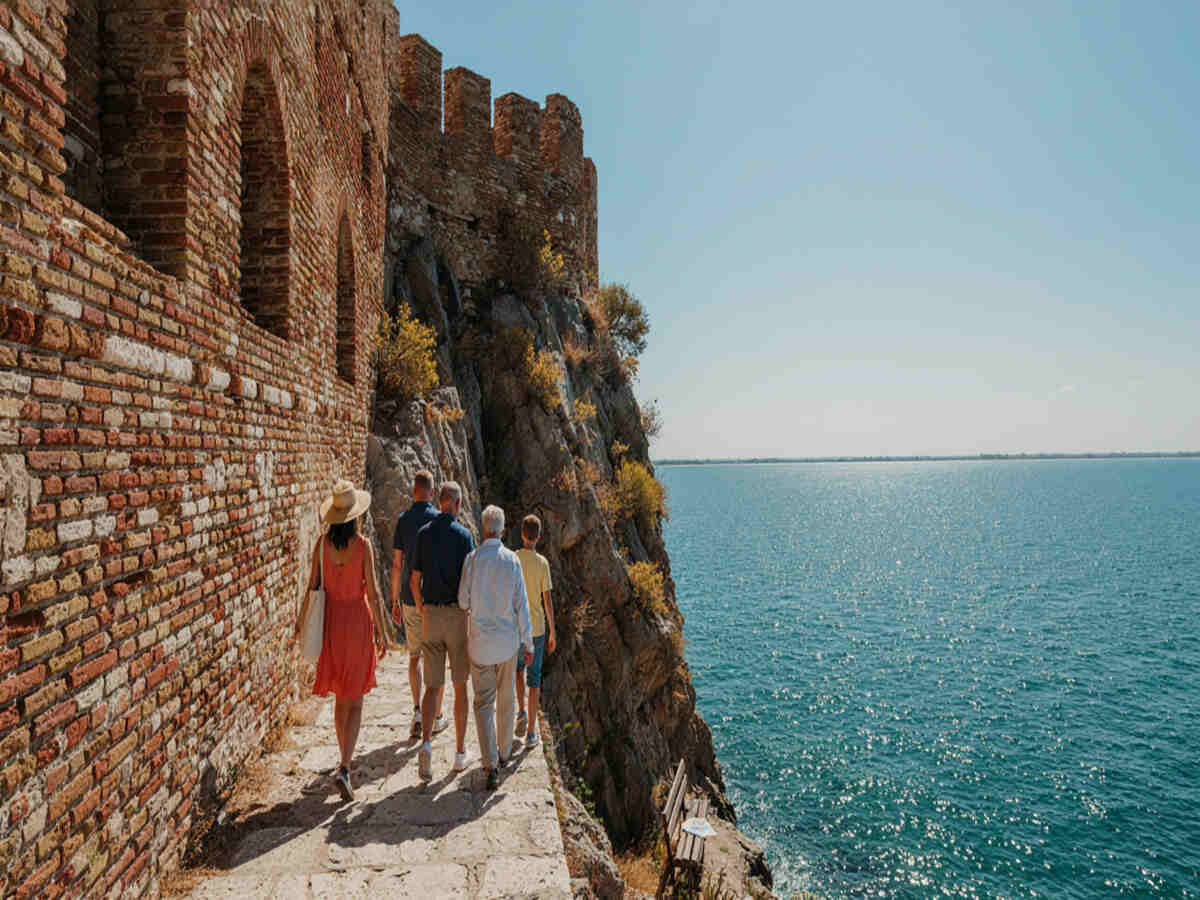
Tourism in Syria is expected to get a huge boost with hotel developments backed by the UAE. In fact, the United Arab Emirates is supporting Syria in its efforts to develop the tourism industry, as the investments of the UAE will help transform Damascus and the Mediterranean port of Latakia through construction of hotels, housing complexes, and tourism amenities. The recently signed deal with Eagle Hills could help in improving the hospitality sector in Syria, bringing in much-needed foreign investments and creating thousands of employment opportunities.
The development drive comes at an important time for Syria’s visitor economy. Official figures previously provided show that the country welcomed 3.52 million visitors during the first half of 2026, representing growth of 111% from approximately 1.67 million during the corresponding period of 2025.
Against this backdrop, the planned Damascus Heights and Latakia Yachts & Marina developments could become important pieces of Syria’s attempt to rebuild tourism infrastructure while creating modern destinations capable of serving international, regional and domestic travellers.
UAE And Syria Open A New Chapter In Tourism Investment
Syria’s Ministry of Public Works and Housing signed a framework agreement with UAE-based Eagle Hills on 5 October 2026, creating a pathway for the planning, development, construction and delivery of residential and tourism communities.
Advertisement
Advertisement
The agreement was signed during the Investing in Syria and Projects Underway event at the People’s Palace in Damascus. Syria’s Ministry of Tourism was also involved.
Rather than focusing on a single hotel or residential building, the agreement introduces a broader model combining housing, tourism, hospitality, leisure and supporting community services.
Advertisement
Advertisement
The first two flagship developments are Damascus Heights and Latakia Yachts & Marina.
Both projects are expected to move towards implementation, with preparatory and construction activities expected to follow the agreement.
Damascus Heights Could Transform The Capital’s Visitor Economy
Damascus Heights is planned as an integrated community containing much more than housing.
Its proposed components include residences, hospitality facilities, retail areas, leisure attractions, business facilities, schools, healthcare services, landscaped spaces and essential community infrastructure.
The hospitality and commercial elements give the project direct tourism significance.
Damascus is already one of Syria’s principal cultural and historical destinations. Adding modern hospitality, leisure and business infrastructure could help the capital accommodate different categories of visitors, including leisure tourists, business travellers, investors and members of the Syrian diaspora.
Advertisement
Advertisement
It could also support meetings and business travel as Syria seeks stronger connections with international investors and tourism companies.
Latakia Yachts And Marina Could Unlock Mediterranean Tourism
The Latakia Yachts & Marina development has an even clearer connection with leisure tourism.
The project is designed as an integrated Mediterranean waterfront destination built around a marina. Plans include hotels, residences, branded residences, restaurants, leisure facilities, community amenities and supporting services.
This could help Latakia develop a stronger identity as a Mediterranean leisure destination.
Instead of relying mainly on conventional coastal holidays, the project creates opportunities around marina tourism, waterfront hospitality, premium accommodation, dining, recreation and longer resort stays.
The combination could also give international tour operators another tourism product to connect with Damascus and Syria’s cultural attractions.
Advertisement
Advertisement
A future visitor itinerary could therefore combine historical experiences in Damascus with a Mediterranean leisure stay in Latakia, potentially increasing both the length of stay and spending within Syria.
Visitor Growth Creates Urgent Demand For Tourism Infrastructure
The investment comes as Syria records a significant recovery in visitor volumes.
During the first six months of 2026, Syria recorded approximately 3.52 million visitors, compared with around 1.67 million during the same period of 2025.
Foreign tourist numbers showed particularly strong growth. Approximately 719,000 foreign tourists were recorded, compared with about 131,000 a year earlier, representing an increase of roughly 448%.
Arab tourist numbers reached approximately 664,000, up from about 320,000, while visits by Syrian expatriates increased from around 1.22 million to approximately 2.13 million.
Such rapid growth increases pressure on hotels, restaurants, transport, attractions and other visitor services.
Advertisement
Advertisement
New hospitality projects could therefore provide additional capacity while giving Syria opportunities to improve the quality and diversity of its tourism offering.
More Than Forty Thousand Jobs Could Flow From Development
Employment represents another major dimension of the investment programme.
Preliminary estimates previously disclosed by Syrian authorities indicate that the projects could generate more than 40,000 direct and indirect employment opportunities, including over 10,000 permanent jobs.
Tourism could capture an important share of these opportunities.
Hotels and marina developments require workers across accommodation, restaurants, maintenance, security, administration, guest services, transport, retail and entertainment.
Construction itself also creates demand for contractors, engineers, suppliers and local businesses before the tourism components become operational.
Advertisement
Advertisement
Eagle Hills has indicated that Syrian contractors, suppliers, professionals, service providers and small and medium-sized enterprises could participate in development and operations, potentially allowing more investment expenditure to circulate through the domestic economy.
Tourism Spending Could Reach Businesses Beyond The Hotels
The economic impact could extend well beyond the boundaries of Damascus Heights and Latakia Yachts & Marina.
Visitors spend money on accommodation, but they also require food, transport, shopping, entertainment and local experiences.
That creates a tourism multiplier.
More accommodation can support more visitors. More visitors can increase restaurant demand. Higher visitor numbers can support transport providers, shops, guides, craftspeople and tourism businesses.
Latakia’s waterfront project could be particularly important because marina and resort guests generally require a broad network of services surrounding their accommodation.
Advertisement
Advertisement
If implemented successfully, the development could stimulate new restaurants, cafés, excursions, transportation businesses and other tourism-related enterprises along Syria’s Mediterranean coast.
Syrian Diaspora Could Become Part Of The Investment Story
The developments also have a diaspora dimension.
Eagle Hills has invited investment applications from Syrians living both inside the country and overseas, with opportunities expected for qualified Syrian individuals, companies and institutions.
That could connect property development with diaspora capital.
Syrian expatriates already represent an important component of visitor demand. Their involvement as investors, property purchasers or visitors could strengthen the relationship between housing development and tourism recovery.
Improved accommodation and community infrastructure could also become increasingly important if more expatriate Syrians travel for longer periods or consider returning.
Advertisement
Advertisement
Housing And Tourism Reconstruction Move Together
The projects are also unfolding against an enormous housing challenge.
Syria’s housing stock has been estimated at approximately 4.25 million units, with around 1.32 million homes suffering varying degrees of damage.
Authorities have warned that the housing deficit could exceed two million units by 2030 without faster development.
The longer-term ambition is to build or rehabilitate approximately two million homes by 2035.
Damascus Heights therefore sits at the intersection of two major requirements: rebuilding housing supply while simultaneously creating hospitality, retail and leisure infrastructure.
The initial development approach is also expected to include more economical housing options aimed at different income groups rather than focusing entirely on premium real estate.
Advertisement
Advertisement
Seven Billion Dollar New Damascus Project Adds Momentum
Eagle Hills is not the only UAE-backed developer entering Syria.
A separate agreement signed with Arada Group covers the approximately US$7 billion New Damascus development.
This project should not be confused with Damascus Heights.
New Damascus covers roughly four million square metres and is expected to include around 11,000 homes, more than 500 hotel rooms, a 300-bed hospital and educational facilities capable of serving approximately 5,000 students, alongside entertainment and other infrastructure.
Taken together, the projects demonstrate the growing scale of UAE-linked capital entering Syria’s urban development landscape.
Importantly, however, no official monetary value has yet been disclosed for the Eagle Hills Damascus Heights and Latakia Yachts & Marina framework agreement.
Advertisement
Advertisement
Syria Also Moves To Upgrade Existing Hotels
New construction represents only one side of Syria’s tourism strategy.
The country is also working to improve its existing accommodation supply through a programme covering 332 one- and two-star hotels.
This includes 224 two-star properties and 108 one-star hotels, with efforts focused on service standards, safety, comfort and competitiveness under the wider National Tourism Plan 2026–2030.
This creates two parallel tracks.
Existing accommodation can be upgraded for travellers seeking affordable stays, while developments such as Latakia Yachts & Marina can introduce newer waterfront, leisure and potentially higher-value tourism products.
Digital Tourism Services Add Another Layer
Syria has also moved towards modernising the digital side of its visitor economy.
Advertisement
Advertisement
The My Syria tourism platform was introduced to connect travellers with tourism, hospitality and lifestyle services. International payment options including Apple Pay, Google Pay and major international payment cards were incorporated into the platform.
Digital services matter because new resorts and hotels alone cannot create a competitive visitor economy.
Travellers increasingly expect simple destination information, booking services, digital payments and easily accessible tourism products before and during their journeys.
Reconstruction Creates A Much Bigger Investment Opportunity
The scale of Syria’s reconstruction challenge puts these developments into perspective.
Previously cited World Bank estimates place reconstruction requirements for damaged physical assets at approximately US$216 billion, against an estimated US$108 billion in direct physical damage.
The reconstruction requirement includes approximately US$75 billion for residential buildings, US$82 billion for infrastructure and US$59 billion for non-residential buildings.
Advertisement
Advertisement
Private and foreign investment could therefore become increasingly important alongside government expenditure and other financing mechanisms.
Large international developments can contribute not merely buildings but also capital, construction expertise, hospitality management, employment and international commercial connections.
Damascus And Latakia Could Anchor A New Tourism Corridor
The greatest tourism opportunity may ultimately come from connecting Syria’s different visitor experiences.
Damascus Heights could strengthen the capital with modern hospitality, business, leisure and commercial facilities.
Latakia Yachts & Marina could provide a contrasting Mediterranean product based around waterfront stays, hotels, dining, recreation and marina experiences.
Together, they could help create a Damascus-to-Latakia tourism corridor, combining culture and heritage with coastal leisure.
Advertisement
Advertisement
The strategy remains at an early stage. Final investment figures, hotel room counts, marina berth capacity, detailed construction schedules and opening dates for the Eagle Hills projects have not yet been officially disclosed.
Yet the direction is significant. With visitor numbers recovering, hotel upgrades underway, digital tourism services expanding and UAE-backed capital entering major urban and waterfront developments, Syria is attempting to turn reconstruction into a wider tourism revival.
The projects funded by UAE are likely to promote tourism in Syria through the introduction of hotels, marinas, jobs and large investments in Damascus and Latakia.
The projects funded by UAE are likely to promote tourism in Syria through the introduction of hotels, marinas, jobs and large investments in Damascus and Latakia.
The introduction of new projects for Damascus and Latakia is likely to mean far more for the two cities than simply an introduction of new properties. In addition to new hotels, tourism infrastructure, and jobs, these projects will bring in foreign investments into the cities.
Advertisement
