
Air China and China Southern Raise the Stakes as China Flight Overbooking Rules Bring Tougher Protections

Published
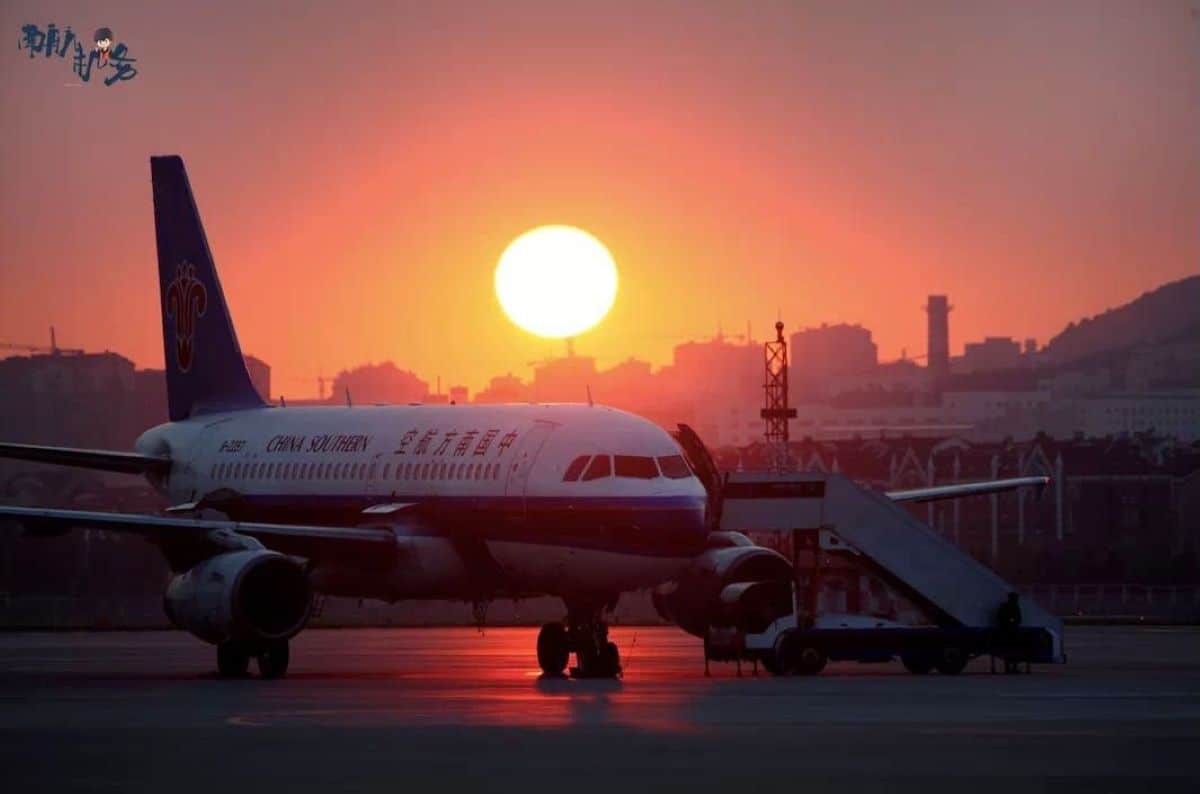
China has completed a sweeping overhaul of flight overbooking practices across 10 airlines and five major online ticketing platforms. The changes cover booking disclosures, airport handling, compensation, passenger assistance and complaints. Beijing, Tianjin and Hebei consumer protection associations confirmed the improvements on 8 September. The participating carriers include Air China, China Southern, China Eastern, Hainan Airlines and Xiamen Airlines. Major platforms include Trip.com Group, Fliggy, Qunar, Tongcheng and Meituan. The measures were completed by 31 August after joint regulatory talks. For travellers, the biggest shift is greater visibility before payment. Airlines must also make disruption handling more structured and traceable. The move comes as China’s aviation market reaches record passenger volumes.
China Moves Overbooking Into Clear View
China’s aviation market has little room for opaque passenger practices. The country handled 770.15 million civil aviation passenger trips in 2025. That represented a 5.5% annual increase. International passenger transport also grew by more than 20%.
The latest reforms therefore carry significance beyond individual denied-boarding cases. They affect millions of travellers using airlines and digital booking channels. They also bring greater consistency to a process passengers often understand poorly.
The 10 airlines completed the required changes alongside five major ticketing platforms. Together, they cover a substantial part of China’s air-travel distribution ecosystem.
Advertisement
Advertisement
The participating airlines are Air China, China Southern Airlines, China Eastern Airlines, Hainan Airlines, Xiamen Airlines, Tianjin Airlines, Sichuan Airlines, Juneyao Airlines, Spring Airlines and Hebei Airlines.
The five platforms are Tongcheng, Trip.com Group, Fliggy, Qunar and Meituan.
Advertisement
Advertisement
The reforms address four principal areas. These include information disclosure, airport handling, compensation and passenger arrangements. They also strengthen complaint management and feedback procedures.
For travellers, that creates a more predictable journey from purchase to disruption.
| Area | Earlier passenger experience | New approach |
|---|---|---|
| Booking disclosure | Warnings could be difficult to notice | Dedicated and more prominent disclosures |
| Confirmation | Information could sit within general terms | Some platforms require active confirmation |
| Airport handling | Procedures could vary between cases | Documented procedures and defined priorities |
| Volunteers | Process existed under existing rules | Airlines reinforce volunteer-first handling |
| Compensation | Travellers could face uncertainty | Standards and options receive clearer presentation |
| Rebooking | Options could require individual discussion | Multiple solutions without change fees |
| Special assistance | Information could be fragmented | Assistance needs can flow into airline systems |
| Complaints | Follow-up could lack visibility | Dedicated records and defined response processes |
Booking Pages Become Harder to Ignore
The most visible change begins before a traveller reaches the airport. Overbooking information must become easier to identify during the purchasing process.
China Eastern has incorporated overbooking provisions into its disclosure systems across sales channels. Sichuan Airlines has placed related information within a dedicated top-level section. That approach reduces the likelihood of passengers missing important conditions.
Digital platforms have taken a similarly prominent approach. Trip.com has introduced mandatory pop-ups during booking. Travellers must read and confirm the information before continuing with their purchase.
Qunar has also expanded educational content explaining airline overbooking. This could help travellers understand why airlines sell more tickets than available seats.
Advertisement
Advertisement
The practice itself is not automatically unusual in aviation. Airlines use historical booking and no-show patterns when managing capacity. The commercial objective is to reduce empty seats.
However, overbooking creates a consumer risk when demand exceeds available seats. That risk becomes especially serious during peak travel periods.
China’s existing passenger-service rules already require carriers to address overbooking through defined procedures. Those rules require airlines to consider route, flight frequency, timing, aircraft type and connecting flights.
The latest reforms focus heavily on how those obligations reach passengers.
Airport Handling Gets A Clearer Playbook
A second change concerns what happens when too many passengers arrive for available seats. Airlines must first seek volunteers willing to surrender their journey.
Only after insufficient volunteers can airlines apply priority boarding rules to determine involuntary denied boarding. China’s passenger-service regulations already establish this principle.
Advertisement
Advertisement
The rules also require priority decisions to consider vulnerable travellers. These include elderly passengers, children, people with disabilities and pregnant travellers. Connecting-flight requirements should also receive consideration.
The new airline procedures strengthen documentation around these steps.
Hebei Airlines has established an end-to-end overbooking process. Juneyao Airlines has also expanded frontline discretion for handling incidents at airports.
That matters because airport disruption rarely follows a neat script. Travellers may have onward connections, hotel bookings or time-sensitive appointments.
A stronger process gives frontline employees greater clarity. It can also reduce inconsistent decisions between airports and individual service desks.
The reforms extend beyond airline employees. Meituan has added fields allowing travellers to identify special assistance requirements during booking.
Advertisement
Advertisement
That information can then pass into airline systems. The objective is straightforward: prevent important passenger needs from disappearing between the booking platform and carrier.
Compensation Moves Towards Predictability
Compensation represents perhaps the most sensitive part of an overbooking dispute. Travellers facing denied boarding can lose money through missed connections, accommodation changes and disrupted itineraries.
The revised procedures seek to reduce uncertainty around those situations.
Airlines must offer overbooked passengers multiple solutions. Those solutions must not impose change or cancellation fees or fare differences.
Platforms have also begun displaying compensation standards and appeal channels more prominently. Travellers can find the information through order-detail pages and after-sales service areas.
Xiamen Airlines requires staff to explain cash compensation options first. Spring Airlines has incorporated meals, transport and related support into its internal overbooking handling manual.
Advertisement
Advertisement
Fliggy has focused on staff preparedness. Its customer-service teams have undertaken case drills to improve familiarity with overbooking procedures.
These changes matter because compensation alone does not resolve every disruption. A traveller may value a confirmed alternative flight more than immediate payment.
| Passenger need | More useful response |
|---|---|
| Same-day arrival | Alternative flight or rebooking |
| Missed connection | Re-routing with onward protection |
| Long airport wait | Meals and appropriate assistance |
| Overnight disruption | Transport and accommodation support where applicable |
| Financial loss | Applicable compensation |
| Disputed handling | Documented complaint and appeal route |
| Special assistance | Passenger needs transferred to the airline |
China’s existing rules already require compensation and related services when overbooking causes denied boarding. They also require evidence of voluntary surrender or denied boarding when passengers request documentation.
The latest measures make those rights more visible and operationally consistent.
Complaints Gain A Traceable Route
A compensation policy has limited value if passengers cannot challenge poor handling. The latest reforms therefore strengthen complaint and feedback mechanisms.
Airlines and platforms have established dedicated records for overbooking complaints. Information-sharing systems can connect relevant parties during case handling.
Advertisement
Advertisement
They have also introduced clearer deadlines for receiving, processing and answering complaints.
China Southern has upgraded its overbooking forecasting model. The aim is to control overbooking rates before problems emerge.
Tianjin Airlines now requires staff to document every overbooking incident. Tongcheng has added an appeal and feedback route directly to booking pages.
This creates a shift from informal customer-service conversations towards documented case management.
For international travellers, that distinction can be important. A passenger may book through one platform while flying with another company.
The new arrangements recognise that modern airline distribution is rarely a single-company transaction.
Advertisement
Advertisement
China’s Aviation Boom Raises The Stakes
The reforms arrive against a backdrop of exceptional aviation activity. China’s civil aviation sector reached several records during 2025.
Airlines carried 770.1468 million passengers during the year. Commercial airports handled 1.529 billion passenger movements. Airport passenger throughput increased 4.8%.
China ended 2025 with 65 commercial airlines and 4,574 commercial aircraft. The network included 5,488 scheduled routes and 261 mainland cities with scheduled services.
Chinese carriers also operated scheduled international flights to 147 cities across 65 countries.
The scale helps explain why service consistency matters.
| Chinese aviation indicator | 2025 result | Annual change |
|---|---|---|
| Civil aviation passenger trips | 770.15 million | +5.5% |
| Airport passenger throughput | 1.529 billion | +4.8% |
| Airport cargo and mail | 21.86 million tonnes | +9.0% |
| Aircraft movements | 12.45 million | +0.4% |
| Commercial airlines | 65 | — |
| Commercial aircraft | 4,574 | — |
| Scheduled routes | 5,488 | — |
| Mainland scheduled-flight cities | 261 | — |
| International scheduled destinations | 147 cities | 65 countries |
International demand adds another layer of complexity. International passenger traffic rose more than 20% during 2025. That creates more passengers with connecting flights and fixed overseas itineraries.
Advertisement
Advertisement
Consequently, an involuntary denied boarding can have consequences well beyond a single domestic journey.
What Travellers Should Do Before Flying
The reforms do not eliminate the possibility of overbooking. Travellers should therefore remain proactive when buying tickets.
First, passengers should read the overbooking notice before confirming payment. The new booking interfaces should make this information easier to locate.
Second, travellers should keep booking confirmations and relevant screenshots. Those records can help if a dispute later develops.
Third, passengers with accessibility or assistance requirements should disclose them during booking. The new platform-to-airline information flow makes this increasingly important.
Travellers with tight connections should also allow additional time. An alternative flight may not protect every onward reservation.
Advertisement
Advertisement
Passengers affected by overbooking should ask for written confirmation of the incident. China’s passenger-service rules provide for such documentation.
They should also ask about every available remedy. That can include rebooking, rerouting, refunds, compensation and assistance.
Most importantly, travellers should distinguish between voluntary surrender and involuntary denied boarding. The two situations can trigger different handling procedures.
| Traveller action | Why it matters |
|---|---|
| Read the overbooking disclosure | Establishes awareness before payment |
| Save booking records | Creates evidence during disputes |
| Declare assistance needs | Helps airlines prepare appropriate support |
| Ask for written denied-boarding proof | Creates a formal record |
| Request all available alternatives | Avoids accepting the first option automatically |
| Check compensation terms | Clarifies the applicable remedy |
| Keep receipts | Supports legitimate expense claims |
| Record complaint references | Makes follow-up easier |
The Reform Extends Beyond The Airport
The significance of China’s latest move lies in its end-to-end approach. The reforms do not focus solely on compensation after an incident.
Instead, they connect the booking interface, airline systems, airport operations and complaint channels.
That model reflects how passengers now buy air travel. Digital platforms increasingly sit between consumers and airlines.
Advertisement
Advertisement
Consequently, passenger protection needs to operate across the entire distribution chain.
The development also aligns with a broader push towards service quality in China’s aviation sector. The country’s revised Civil Aviation Law entered force on 1 July 2026.
The revised framework reinforces wider principles around carrier responsibility and passenger rights. It also arrives as aviation demand continues to expand.
The overbooking reforms therefore form part of a wider service-governance environment. They are not simply a collection of website changes.
For airlines, the operational challenge will be maintaining consistency. Clear rules can still fail if frontline implementation varies.
For platforms, the challenge is equally significant. Information must remain accurate when airlines update policies or compensation arrangements.
Advertisement
Advertisement
For travellers, however, the immediate benefit is simpler. More information should appear before the journey goes wrong.
A More Transparent Journey From Booking
China’s overbooking overhaul marks a notable shift in how airlines and booking platforms communicate passenger risk. Ten airlines and five major platforms have completed reforms covering disclosure, airport handling, compensation and complaints.
The changes should make the process more visible before passengers pay. They should also make airport responses more structured when seats run short. Meanwhile, clearer compensation and appeal channels can reduce uncertainty after disruption.
The reforms matter against China’s enormous aviation scale. The country handled more than 770 million civil aviation passenger trips in 2025. International demand also accelerated sharply. For travellers, the practical lesson is simple. Read the disclosure, retain booking evidence and ask for written records during disputes. The new system cannot prevent every overbooking incident. It can, however, make passenger rights considerably easier to see and pursue.
Advertisement
