
Japan Sleep Tourism Booms as Tokyo and Zushi Hotels Offer Ultimate Relaxation Holidays

Published
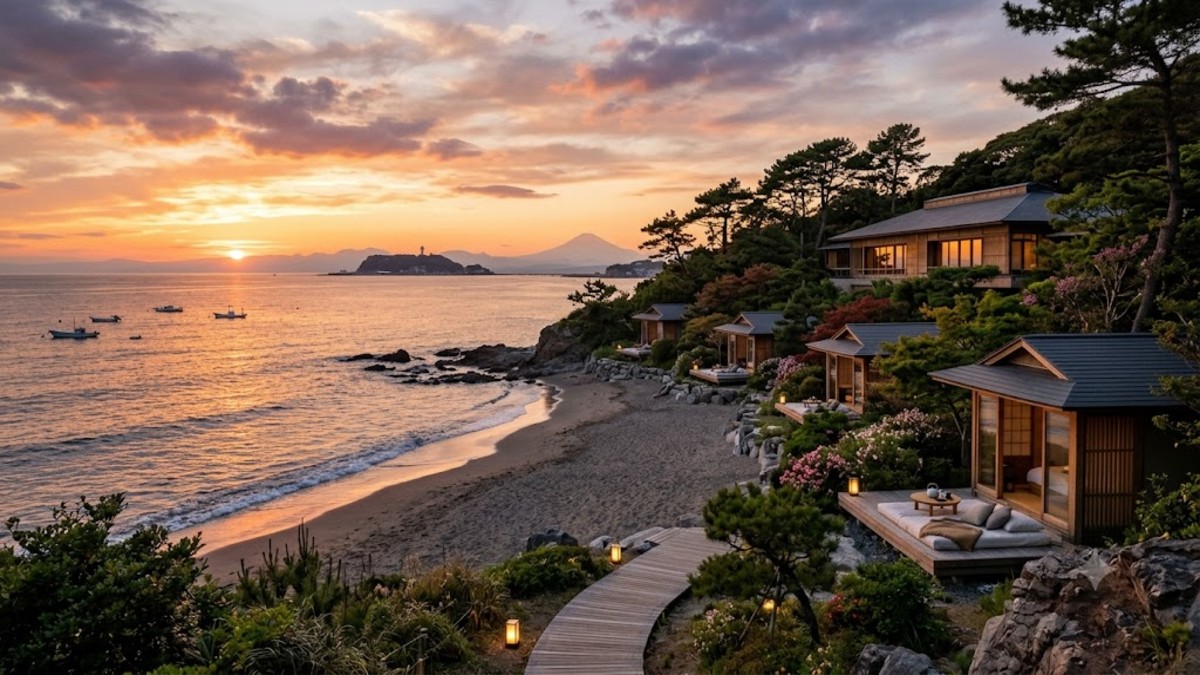
Japan is changing the traditional concept of holidays through means of sleep tourism, offering the ability to swap busy programs with sleeping in special places furnished in a personalized way. Starting from accommodation ideas seen in Tokyo through hotels on the coast in Zushi, tourists can easily organise a voyage where relaxation becomes the main reason for their journey. An example that can be mentioned here is Malibu Hotel’s SLEEP WELL STAY program, introduced in February 2026. This is something that will let holidaymakers have their rest at peaceful seaside hotels equipped with custom beds, teas, etc.
Japan Sleep Tourism Creates a New Holiday Experience for Exhausted Travellers
Japan’s growing interest in sleep tourism reflects a different approach to holiday planning. Instead of rushing between attractions, travellers can devote their time to restful accommodation, relaxing surroundings and uninterrupted sleep. The Japan National Tourism Organization has highlighted wellness experiences, including hot springs, meditation and forest bathing, as important parts of the country’s tourism offering. These activities complement hotels that place relaxation at the centre of their guest experience.
The appeal extends beyond simply booking a comfortable hotel room. Sleep-focused holidays encourage visitors to reconsider how they spend their valuable travel time. Guests can enjoy quiet mornings, read their favourite books, reduce unnecessary screen time and leave their schedules relatively empty. For international tourists managing long flights and demanding work routines, this slower approach creates an opportunity to enjoy Japan without the pressure of constant sightseeing.
Zushi Malibu Hotel Introduces a Luxury Sleep Retreat Near Tokyo
One of Japan’s clearest examples of this tourism concept is Malibu Hotel in Zushi, Kanagawa Prefecture. Its SLEEP WELL STAY programme began on 5 February 2026 and focuses specifically on improving the guest’s sleeping environment. The hotel sits inside Riviera Zushi Marina, overlooking the coast with views towards Enoshima and Mount Fuji. It has just 11 suites, each measuring more than 50 square metres.
Advertisement
Advertisement
The programme combines three elements: location, technology and daily rhythm. Guests receive bedding recommendations based on their sleeping preferences, alongside carefully selected evening amenities. The hotel also offers opportunities to enjoy a sea-view sauna, morning yoga and waterfront dining. These activities remain optional, allowing visitors to focus on rest instead. Its peaceful marina setting makes the property particularly suitable for travellers seeking a short break from Tokyo.
Personalised Mattresses and Herbal Tea Transform the Hotel Experience
At Malibu Hotel, guests can choose between different mattresses after discussing their preferred sleeping positions. The programme uses EMOOR’s bedding assessment method and offers supportive body and foot pillows. Guests can also use ReFa VITALWEAR recovery clothing and silk pillow covers. The hotel creates a calm room environment with gentle lighting and relaxing music, designed to encourage a comfortable bedtime routine.
Advertisement
Advertisement
Evening room service includes selected herbal teas and chocolates, replacing the need for an activity-packed night. Available tea varieties include rooibos and chamomile blends. These carefully arranged comforts help distinguish a dedicated sleep package from an ordinary overnight booking. However, travellers should understand that promotional claims about deeper sleep or physical recovery do not guarantee individual health benefits, and a hotel stay cannot replace medical assessment for persistent sleep difficulties.
Tokyo Sleep Hotels Offer Budget-Friendly Alternatives for Restful Holidays
Tokyo offers alternative accommodation experiences for visitors who prefer different budgets and hotel styles. Japan’s official tourism organisation highlights Nine Hours, a capsule hotel concept featuring lighting designed around sleeping and waking, and Book and Bed, which combines accommodation with reading. These properties demonstrate how Japanese hospitality can incorporate sleep, relaxation and unusual surroundings into the experience, although they do not necessarily offer dedicated 2026 sleep-tourism packages.
Budget-conscious travellers can explore capsule hotels, while visitors seeking more privacy can choose conventional hotels or Japanese ryokan. Capsule accommodation generally costs less than standard hotel rooms, according to Japan’s tourism authority, but prices vary considerably. Travellers should compare bed sizes, sound insulation, shared facilities and cancellation conditions. Most importantly, guests should confirm whether a property offers genuine sleep-focused amenities rather than simply describing its accommodation as relaxing.
Japan Sleep Tourism Prices and Booking Benefits for International Visitors
Sleep tourism packages differ from conventional hotel reservations because they may include additional bedding services, wellness amenities and personalised experiences. Malibu Hotel’s original February 2026 announcement listed its SLEEP WELL STAY supplement at ¥12,500 per person, including taxes and service charges, on top of the standard overnight rate with breakfast. The hotel initially limited the programme to one booking per day. Guests should confirm current rates and availability directly before purchasing.
Visitors do not need a separate sleep-tourism ticket to enjoy this concept. Instead, they reserve eligible hotel packages through the accommodation provider. Flights, airport transfers, meals outside the selected package and optional wellness activities may involve additional charges. Malibu Hotel’s official programme lists morning seaside yoga, a 90-minute ocean-view sauna and boat-based breakfast experiences as optional activities. Travellers should check the final package total before making a non-refundable reservation.
| Booking feature | Verified information |
| Sleep package | Malibu Hotel SLEEP WELL STAY |
| Launch date | 5 February 2026 |
| Originally announced supplement | ¥12,500 per person |
| Room tariff | Additional to package supplement |
| Breakfast | Included in the published base-plan description |
| Optional experiences | Yoga, sauna, boat-based breakfast |
| Booking | Directly through the official hotel website |
Getting to Zushi from Tokyo and Japan’s International Airports
Travellers can reach the Zushi sleep retreat without planning a complicated journey. Malibu Hotel states that its location is approximately one hour from central Tokyo and around 10 to 12 minutes by road from Kamakura or nearby railway stations. The coastal setting allows guests to replace busy urban surroundings with marina views and a quieter atmosphere. This accessibility makes Zushi attractive for weekend visitors and international tourists.
Advertisement
Advertisement
For international arrivals, the hotel estimates approximately 50 minutes by taxi from Haneda Airport and 100 minutes from Narita Airport, depending on traffic. Public transport options are also available, including railway connections towards Zushi and Kamakura. Travellers should allow additional time for luggage collection, immigration and transfers. Those booking a short sleep-focused holiday may find an uncomplicated arrival especially valuable, as lengthy connections can reduce their available relaxation time.
Why Wellness Tourism Makes Japan an Attractive Restorative Destination
Japan’s broader wellness offerings provide additional reasons to explore a slower holiday. The Japan National Tourism Organization promotes traditional onsen bathing, Zen meditation, forest therapy and mindful experiences across the country. In its January 2026 wellness tourism release, the organisation emphasised the appeal of slowing down and reconnecting with nature. Sleep-focused hotel stays fit naturally within this established tourism offering.
Travellers can combine a restful overnight stay with a gentle morning walk, a traditional bath or an afternoon without scheduled activities. These experiences allow visitors to discover Japanese culture without following exhausting itineraries. Although sleep tourism does not guarantee improved wellbeing, it encourages more deliberate holiday planning. Its central attraction lies in offering travellers something they often struggle to find during conventional trips: protected time to rest.
What International Tourists Should Know Before Booking a Japan Sleep Holiday
International visitors should check Japan’s entry requirements before reserving accommodation. Japan’s official tourism organisation explains that visa exemptions depend on nationality, while other travellers must obtain the appropriate visa. Visitors can also use Visit Japan Web to prepare immigration and customs information before arrival. This optional digital service can simplify arrival procedures, helping tourists organise their journey before beginning a restorative hotel stay.
Travellers should also consider seasonal demand, local accommodation taxes and cancellation policies. Sleep tourism works best when visitors leave enough time to enjoy their accommodation rather than combining it with an ambitious sightseeing schedule. A one-night coastal break can provide a change of scenery, while a longer stay offers more flexibility. Booking early is particularly sensible for small properties with limited rooms and specialised packages.
Essential travel booking checklist
Advertisement
Advertisement
- Confirm the exact sleep package and included amenities.
- Compare total hotel rates, supplements and taxes.
- Check whether yoga, sauna and dining require separate payments.
- Verify passport validity and applicable Japanese visa requirements.
- Reserve airport transfers and allow sufficient time for check-in.
Japan’s Sleep Tourism Trend Offers a Different Kind of Holiday Luxury
The sleep tourism idea in Japan shows that an enjoyable trip can be made without expensive entertainments. Hotels like Malibu Hotel are creating environments where guests’ comfort and undisturbed relaxation become the main feature. Hotels in Tokyo offer many options for tourists who prefer staying in a big city while having peaceful time at night. Japan attracts tired tourists with the opportunity to visit a country where vacation means less work. Tourists can have a rest in one of beach hotels in a city of Zushi and spend the night in the coolest hotel in Tokyo.
Advertisement
